a killer’s use of victims’ lives creating an investigative pattern
Why this matches +
These offer a related experience with a meaningful difference in story, tone, or presentation.
An adjacent discovery: a related idea with a different viewing experience.
Genres: Crime / Mystery
Shared film traits
Based on recorded story, mood and style. Your preferences can change the order.
Investigation
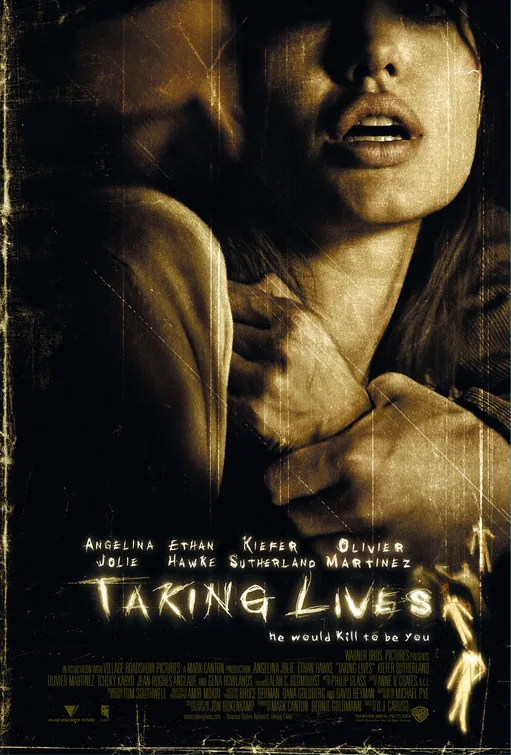
What changes A profiler's investigation of a serial killer becomes a personal danger as people close to the case conceal motives; identity theft rather than an explicit countdown.
An FBI profiler is asked to identify a serial killer who evades capture by assuming victims’ identities. Her interviews and reconstruction of crimes bring her close to people connected to the case, where trust is hard to distinguish from professional access. The thriller builds around identity theft, forensic inference and the danger of accepting a suspect’s story as the investigator’s own.
detectives testing a staged crime against recoverable evidence. This pressure determines what the protagonist must do next and which risks become unavoidable.
Why this matches +
These offer a related experience with a meaningful difference in story, tone, or presentation.
An adjacent discovery: a related idea with a different viewing experience.
Genres: Crime / Drama
Shared film traits
Based on recorded story, mood and style. Your preferences can change the order.
Investigation
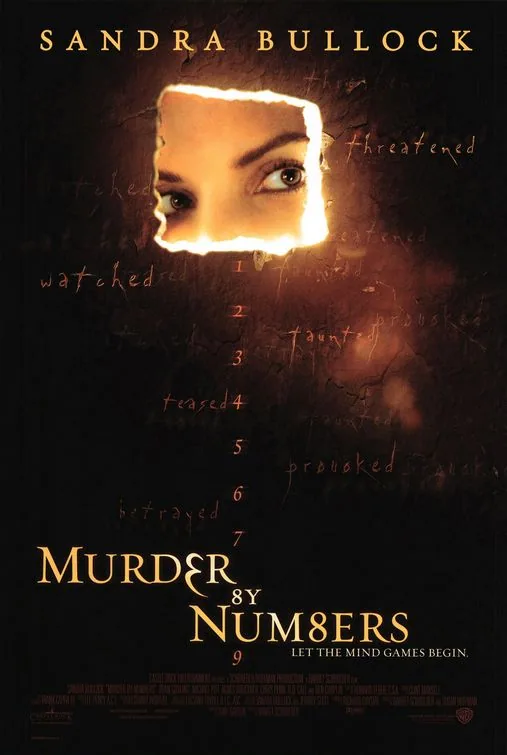
What changes A calculated murderer challenges an investigator's confidence through staged evidence and psychological games; two teenagers and a detective.
Two privileged teenagers attempt a murder they believe they can control, but a seasoned detective sees that the case is not simple. As she tests alibis and motives, the investigation confronts her unsettled personal life. This thriller shifts between suspects’ calculated performance and the investigator’s method, asking whether planning can conceal the traces of violence.
A journalist’s late interviews create an urgent investigation into Gale’s conviction and the case’s hidden facts.
Why this matches +
These offer a related experience with a meaningful difference in story, tone, or presentation.
An adjacent discovery: a related idea with a different viewing experience.
Genres: Crime / Drama
Shared film traits
Based on recorded story, mood and style. Your preferences can change the order.
Investigation
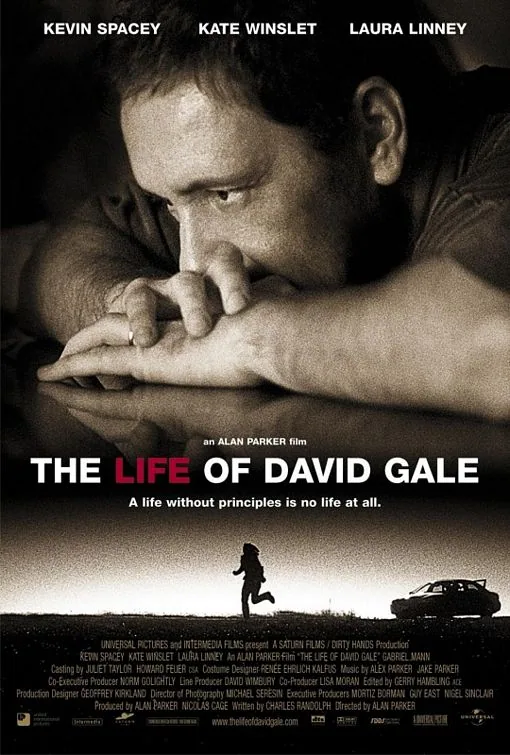
What changes A murder case must be reassessed before an imminent execution while past professional judgments and conflicting testimony come under scrutiny; a journalist investigates death row.
A journalist interviews death-row activist David Gale in the days before his execution, then pieces together his account and the circumstances of the crime for which he was convicted. Her reporting becomes a race to assess evidence, motive and the possibility of a wrongful sentence. The mystery uses a compressed deadline to examine capital punishment, public conviction and the risks of turning a cause into spectacle.
Clancy’s ability to glimpse possible outcomes draws him into an FBI search for a murderer who appears able to do the same.
Why this matches +
These offer a related experience with a meaningful difference in story, tone, or presentation.
An adjacent discovery: a related idea with a different viewing experience.
Genres: Thriller / Crime
Shared film traits
Based on recorded story, mood and style. Your preferences can change the order.
Investigation
What changes A specialist helps investigators pursue a serial killer who appears to anticipate their actions and turns the case personal; a psychic consultant.
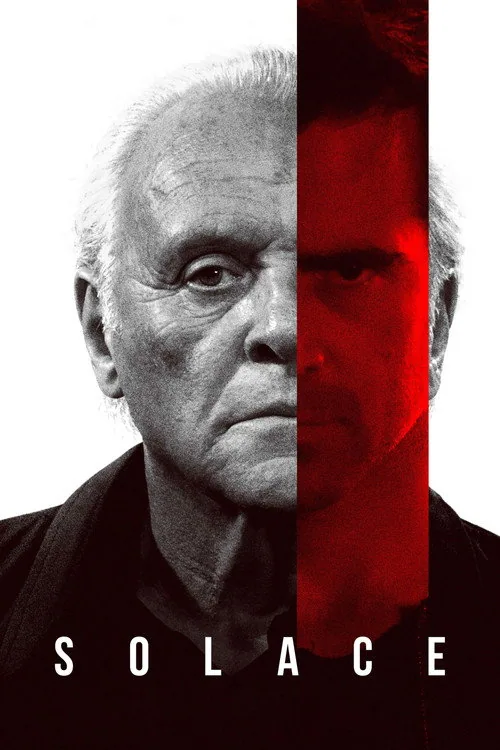
When a series of murders defeats an FBI investigation, agent Joe Merriwether asks retired physician and psychic John Clancy for help. Clancy’s visions provide fragments of possible futures, but a killer named Charles Ambrose appears to possess similar abilities and stay ahead of the bureau. Afonso Poyart’s thriller turns the pursuit into a contest between two men who can glimpse what may happen, while Clancy’s private grief shapes his reluctance to return to investigative work.
A survivor engineers attacks from an apparently contained position to force a prosecutor into a contest over whether procedure can be trusted or must be replaced by exceptional violence.
Why this matches +
These offer a related experience with a meaningful difference in story, tone, or presentation.
An adjacent discovery: a related idea with a different viewing experience.
Genres: Thriller / Crime
Shared film traits
Based on recorded story, mood and style. Your preferences can change the order.
Investigation
What changes A man conducts an elaborate campaign against people he blames for failures in a criminal case, turning professional certainty into a liability; a bereaved vigilante.
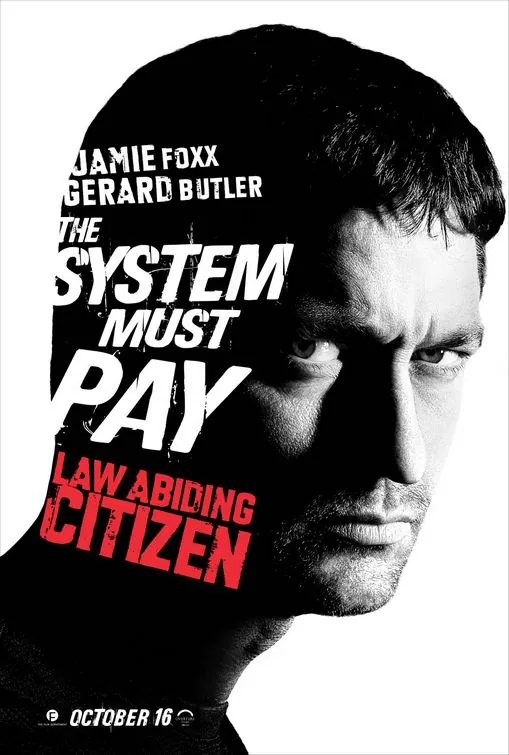
A man whose family was murdered watches a prosecutor accept a deal that protects a conviction record rather than satisfy his demand for justice. Years later, an elaborate retaliatory campaign continues even after he allows himself to be imprisoned, making confinement appear unable to limit his reach. The prosecutor must uncover how the attacks are organized while confronting his own earlier compromises. The thriller turns institutional grievance into a claim of unlimited punitive authority, exposing how the pursuit of exemplary justice can reproduce the disregard for persons it condemns.
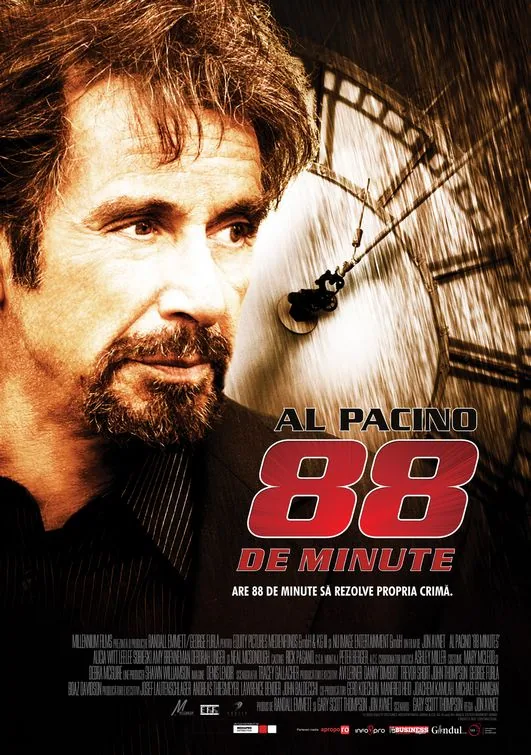
A Seattle forensic psychiatrist receives a threat that he will die in eighty-eight minutes, and evidence begins to connect the countdown to an earlier murder case. He moves through a circle of students and colleagues whose motives are difficult to read. The thriller uses the deadline to accelerate suspicion while making the protagonist’s professional confidence part of the mystery: his past judgments may have put the wrong person in danger.
What drives the story
The phone threat turns an old forensic case into an immediate question of whether the investigator misjudged someone.
The people at its centre
Jack’s role as expert does not protect him from doubt about his own choices or the people around him.
What it feels like
A ticking clock supplies urgency while each encounter reframes the suspect list.
Worth knowing
A countdown mystery centered on professional judgment differs from an evidence-room procedural without personal peril.