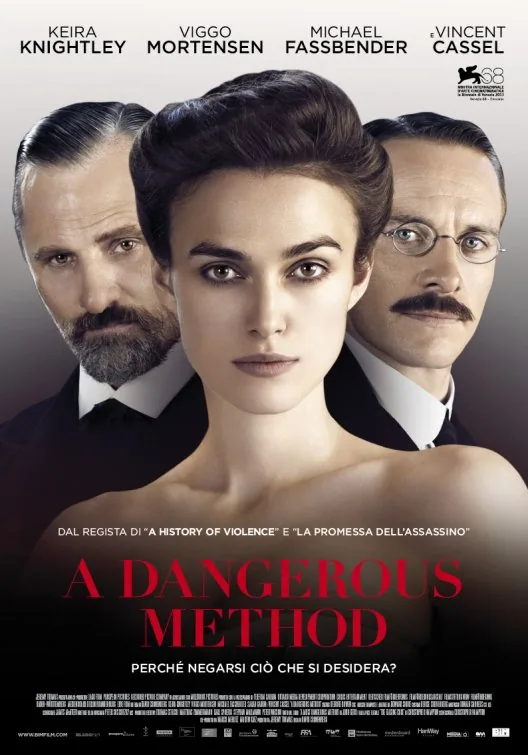
A restrained adult period drama about Jung, Freud and Sabina Spielrein in the early years of psychoanalysis, with treatment, erotic transgression and professional rivalry shaping their competing ideas.
What should feel similar?
Find your next favourite
4 films · Closest overall matches
Hide films you’ve seen or don’t want. Saved on this device.
No matches for this combination yet.
Try another option or reset your choices to see more films.
Kinsey turns from insect research to human sexuality studies and builds a data-gathering project that draws national scrutiny.
Why this matches +
Pair notes identify differences in structure, tone, and audience.
An adjacent discovery: a related idea with a different viewing experience.
Genres: Biography / Drama
Shared film traits
Based on recorded story, mood and style. Your preferences can change the order.
What changes Kinsey’s surveys and public debates replace clinical analysis, an affair and a break between theorists.
Biologist Alfred Kinsey becomes interested in human sexual behavior after teaching a university course and hearing how little reliable information his students possess. Along with his wife Clara and a research team, he develops a large interview project that challenges public assumptions and provokes fierce criticism. The film follows Kinsey from his strict religious upbringing through his academic work, marriage, and controversial publication of research on male and female sexuality. It explores how a scientific effort to describe private lives also changes the people conducting it.
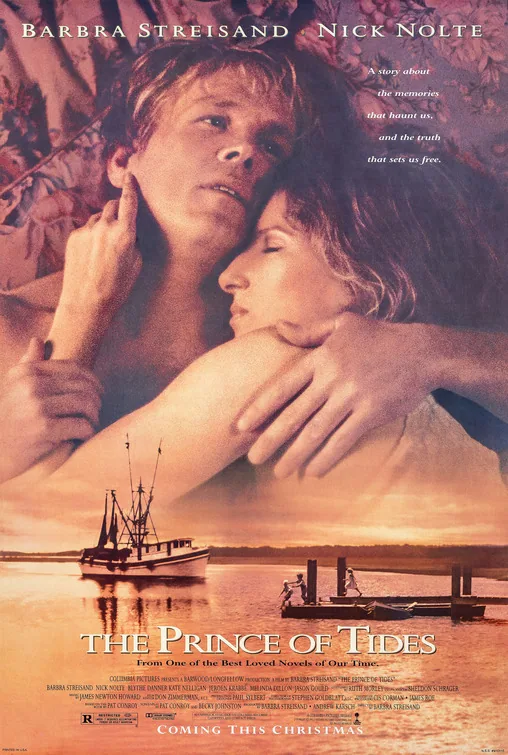
Tom's attempt to help Savannah requires him to revisit the childhood that both siblings carry differently.
Why this matches +
Pair notes identify differences in structure, tone, and audience.
An adjacent discovery: a related idea with a different viewing experience.
Genres: Drama / Romance
Shared film traits
Based on recorded story, mood and style. Your preferences can change the order.
What changes The romance concerns the patient’s brother, and Southern family trauma drives the story rather than a historical dispute over psychoanalysis.
Tom Wingo travels from South Carolina to New York after his twin sister Savannah's latest crisis brings her into psychiatric care. He begins recounting their childhood to her therapist, Susan Lowenstein, and the conversations gradually reveal the violence and secrecy that shaped their family. Tom's effort to help Savannah becomes inseparable from his own grief and marriage, turning memory into a difficult path toward understanding.
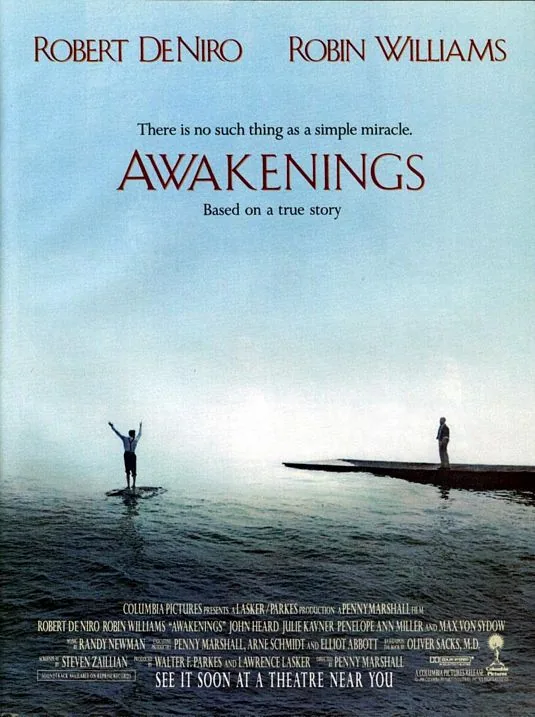
A treatment trial makes patients' hidden capacities visible, then confronts clinicians with the limits and side effects of a response they cannot preserve. The central question changes from whether to wake someone to how to respect a life after the awakening.
Why this matches +
Pair notes identify differences in structure, tone, and audience.
An adjacent discovery: a related idea with a different viewing experience.
Genres: Drama / Biography
Shared film traits
Based on recorded story, mood and style. Your preferences can change the order.
What changes The intervention is pharmacological and the tone openly compassionate, without erotic boundary crossing or a rivalry over theories of desire.
Neurologist Malcolm Sayer begins working with patients who survived encephalitis lethargica but have spent years in catatonic or severely limited states. His careful observations lead him to try L-DOPA, and Leonard Lowe's response opens a brief period of renewed speech, movement and independent desire. The change is a medical breakthrough and a challenge to the institution's assumptions about what the patients can experience. When the improvement proves unstable, the story shifts from cure to the difficult ethics of care, dignity and time. It is inspired by Oliver Sacks's work but substantially dramatized.
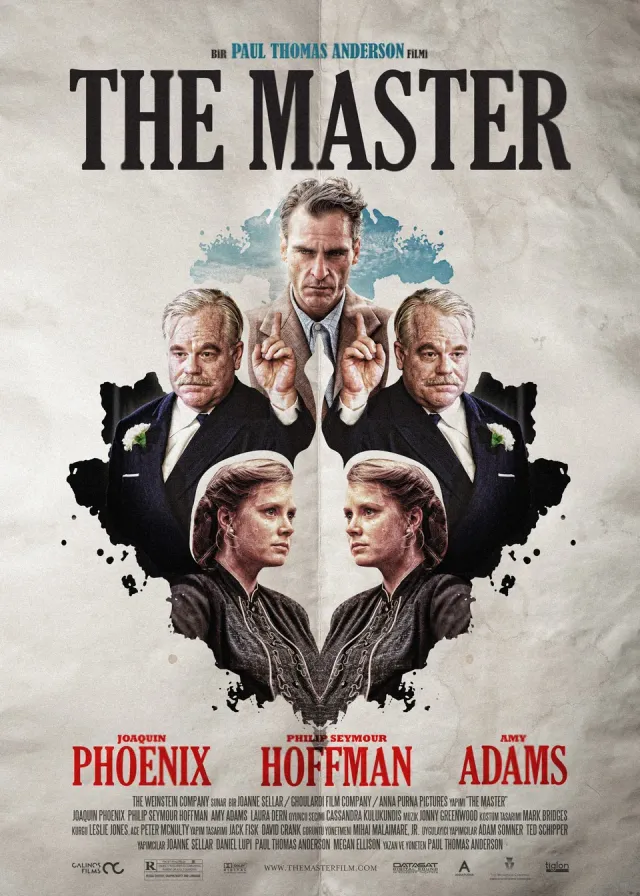
A restless veteran enters the orbit of a movement leader whose confidence both attracts and confines him.
Why this matches +
Pair notes identify differences in structure, tone, and audience.
An adjacent discovery: a related idea with a different viewing experience.
Genres: Drama
Shared film traits
Based on recorded story, mood and style. Your preferences can change the order.
What changes The practitioner leads a movement outside medicine, and the unsettled bond between two men takes the place of the clinical affair.
After World War II, troubled sailor Freddie Quell drifts through jobs and encounters Lancaster Dodd, the charismatic leader of a movement called The Cause. Dodd draws Freddie into its community and methods of self-examination, but Freddie's resistance and volatility unsettle the group's claims to authority. Paul Thomas Anderson's drama studies power, belief and the uneasy bond between a volatile follower and an assured guide.
A young woman enters psychiatric treatment under Carl Jung and becomes both an intellectual contributor and an intimate disruption in his life. Jung's relationship with Sigmund Freud initially offers a framework for exploring the mind, but professional disagreements and private desire strain their alliance. The film follows the overlap of therapeutic authority, sexual transgression, and competing ambitions during an early period of psychoanalysis.
What drives the story
A therapeutic relationship crossing personal boundaries destabilizes a professional alliance and competing theories of the unconscious.
The people at its centre
Sabina Spielrein's intellectual agency complicates the power imbalance linking her to Jung and his influential mentor Freud.
What it feels like
Controlled period interiors and extended conversations create an emotionally restrained study of desire, authority, and professional self justification.
Worth knowing
Compare intellectual rivalry and compromised therapeutic boundaries rather than treating dramatized psychoanalytic theories as established clinical guidance.
DesirePowerAmbition
Mood
Restrained · Intimate · Tense
Pacing
Measured
Visual style
Controlled · Period detail
Storytelling
Intellectual rivalry · Compromised therapy · Historical character study