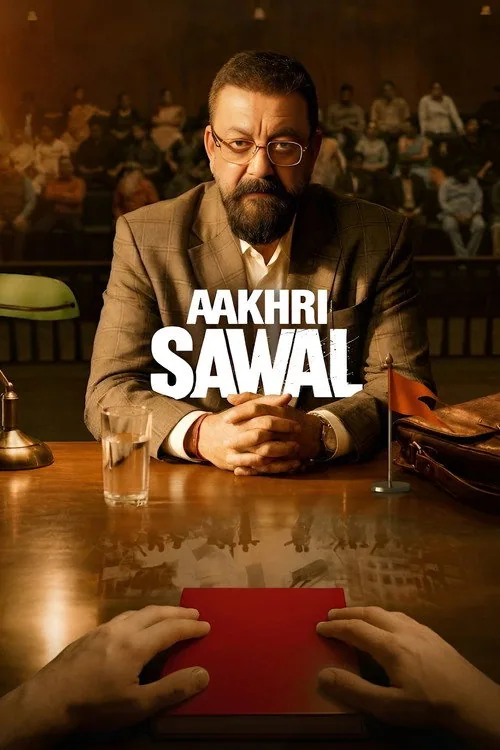
A dialogue-heavy Hindi political drama turns a rejected thesis on the RSS into a televised confrontation between a young scholar and his former mentor, alongside a disappearance mystery.
What should feel similar?
Find your next favourite
3 films · Closest overall matches
Hide films you’ve seen or don’t want. Saved on this device.
No matches for this combination yet.
Try another option or reset your choices to see more films.
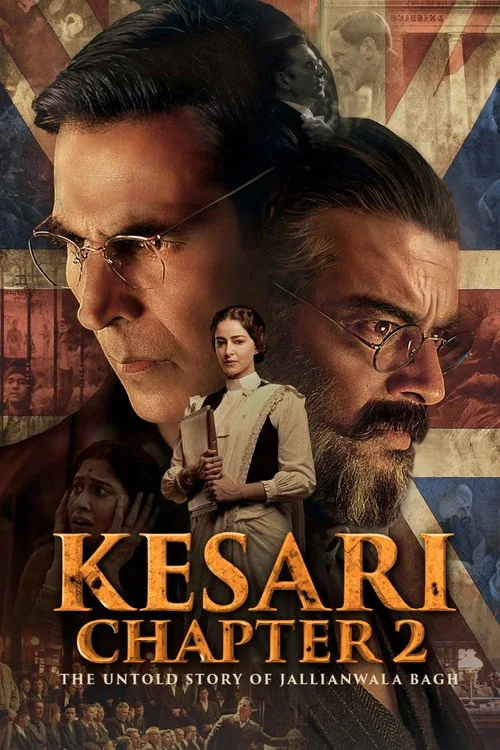
A legal challenge seeks to make colonial authorities answer for a massacre and their version of events.
Why this matches +
Pair notes identify differences in structure, tone, and audience.
An adjacent discovery: a related idea with a different viewing experience.
Genres: drama / historical
Shared film traits
Based on recorded story, mood and style. Your preferences can change the order.
Political resistance
What changes A colonial-era courtroom case about the Amritsar massacre replaces a contemporary academic dispute and television debate.
Lawyer C. Sankaran Nair challenges the British account of the Jallianwala Bagh massacre and pursues accountability through a legal confrontation. The film begins with the violence in Amritsar and follows the survivors, witnesses, and officials whose testimony brings the event into a courtroom. Rather than centering battlefield action, Kesari Chapter 2 frames history as a struggle over evidence and public memory, asking how an empire can be compelled to answer for violence against civilians.
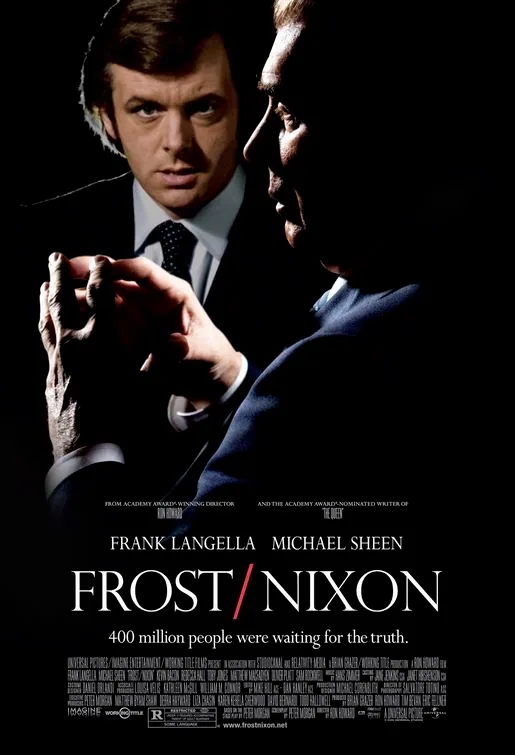
A privately financed interview becomes a struggle for control when the subject's rehabilitation strategy clashes with the interviewer's need to establish political accountability.
Why this matches +
Pair notes identify differences in structure, tone, and audience.
An adjacent discovery: a related idea with a different viewing experience.
Genres: Drama / History
Shared film traits
Based on recorded story, mood and style. Your preferences can change the order.
Investigation
What changes A journalist questions a former president about Watergate rather than challenging a mentor’s treatment of contested history.
A television interviewer risks money and professional credibility on conversations with a former president seeking to restore his reputation. The participants enter the sessions with different objectives, and Nixon's command of public performance initially defeats Frost's preparation. Researchers and producers press for accountability while commercial pressures threaten the project itself. The drama makes an interview into a contest over who can define the meaning of a political past, with reputational survival giving both men an urgent personal stake.
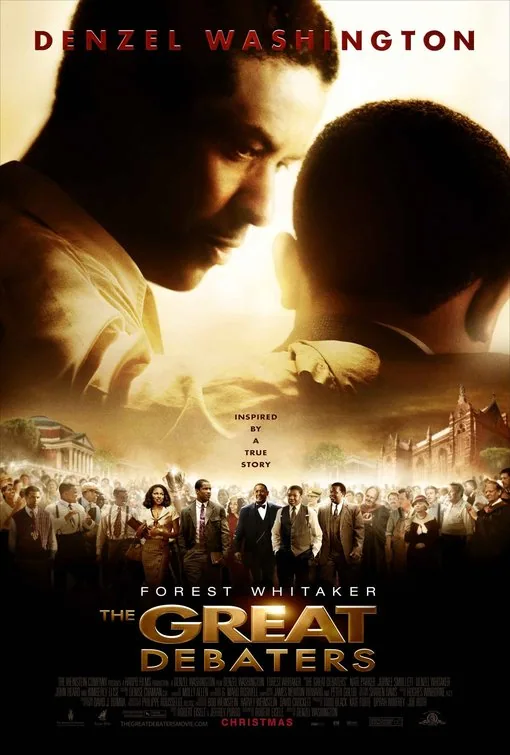
A professor trains students for debate while segregation shapes which institutions they can challenge and the risks they face along the way.
Why this matches +
Pair notes identify differences in structure, tone, and audience.
An adjacent discovery: a related idea with a different viewing experience.
Genres: Drama / Biography
Shared film traits
Based on recorded story, mood and style. Your preferences can change the order.
Political resistance
What changes Students and their mentor largely work together in a historical team story, while the scholar challenges his own mentor.
In 1930s Texas, a professor builds a debate team at a Black college and prepares students to compete against institutions that exclude them from equal standing. Their research, rehearsal and travel expose them to racism and danger beyond the classroom, so intellectual argument becomes both an academic discipline and a public act of resistance. The drama links individual confidence with collective preparation, following young speakers whose success challenges the terms on which they are invited to participate.
Young scholar Vicky Hegde publicly challenges his former mentor, Professor Gopal Nadkarni, on historical and ideological questions, setting off a debate that draws national attention. The controversy deepens when Vicky discovers a connection to the disappearance of researcher Pallavi Menon, and investigator Aditya Rao helps trace secrets in Nadkarni's past. The Hindi political drama turns an academic dispute into a mystery about evidence, power, and the consequences of controlling the historical record.
What drives the story
A public academic dispute opens a trail toward a missing researcher and secrets hidden in a mentor's past.
The people at its centre
Vicky's former respect for Nadkarni becomes a difficult confrontation over authority, belief, and evidence.
What it feels like
The film blends ideological debate with investigative suspense and a final personal reckoning.
Worth knowing
Its political conflict begins in a scholarly relationship, making the debate itself part of the mystery.
history and ideologytruth and authoritymentorship
Mood
serious · investigative · confrontational
Pacing
debate-driven · mystery unfolding · dramatic
Visual style
academic and political settings · press attention · institutional framing
Storytelling
scholar challenges mentor · missing researcher · public controversy