Oliver’s innocent requests repeatedly collide with institutions that treat poor children as labor, suspects or property.
Why this matches +
Selected for the central appeal: An optimistic orphan finds unexpected family and security in a Depression-era musical.
Genres: Musical / Drama
Shared film traits
Based on recorded story, mood and style. Your preferences can change the order.
What changes A vulnerable orphan seeks belonging amid hardship in a theatrical period musical; darker Victorian London.
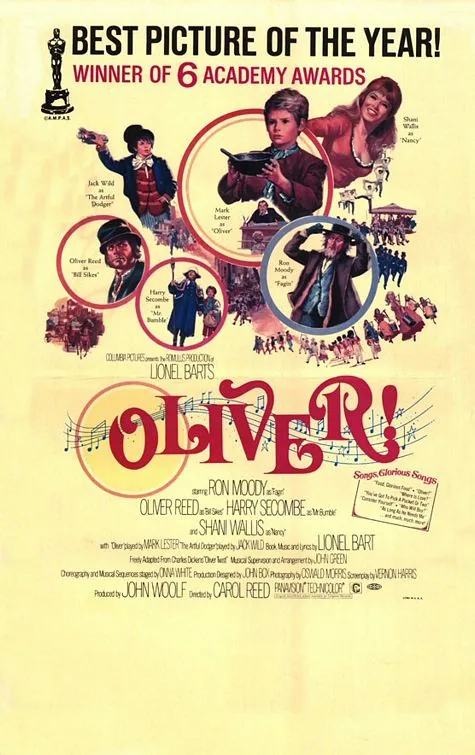
After asking for more food in a London workhouse, orphan Oliver Twist is sold into an apprenticeship and escapes to the city, where the Artful Dodger introduces him to Fagin’s young pickpockets. Oliver is arrested after being mistaken for a thief, but kindly Mr. Brownlow takes him in. Fagin fears Oliver will expose the gang and sends Nancy to retrieve him, while Bill Sikes’s violence makes her attempts to help increasingly dangerous. Oliver’s origins finally connect him to a family outside the criminal world, but the musical’s children remain shaped by poverty and adult exploitation.
The boy’s search for his parents is expressed through music, turning performance into both evidence of identity and a means of connection.
Why this matches +
These offer a related experience with a meaningful difference in story, tone, or presentation.
An adjacent discovery: a related idea with a different viewing experience.
Genres: Drama / Music
Shared film traits
Based on recorded story, mood and style. Your preferences can change the order.
Music and performance
What changes An orphaned child uses musical talent while searching for family; contemporary drama rather than a Broadway-style musical.
A gifted young musician grows up in an institution and believes that music may help him find the parents he has never known. His path brings him to New York, where a street performer and a music teacher shape his development. The family drama links several musical lives through performance, coincidence and the hope that a shared language can overcome separation.
Nanny McPhee’s successive lessons transform household chaos into a chance for the family to stay together.
Why this matches +
These offer a related experience with a meaningful difference in story, tone, or presentation.
An adjacent discovery: a related idea with a different viewing experience.
Genres: Comedy / Family
Shared film traits
Based on recorded story, mood and style. Your preferences can change the order.
What changes Children and a stern adult learn mutual trust in a whimsical period family story; magical caregiving rather than an orphanage musical.
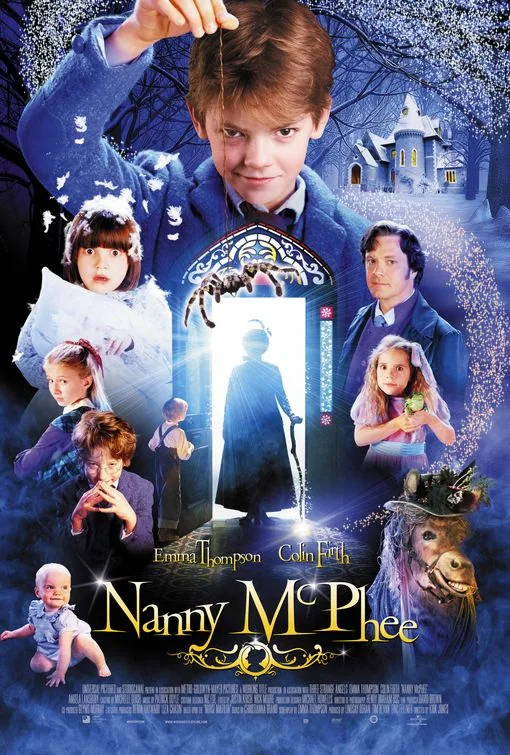
A widower struggling to manage seven unruly children hires Nanny McPhee, whose stern appearance and magical discipline initially provoke resistance. Each lesson changes how the household handles a particular habit, while outside pressure threatens to separate the family. The fantasy comedy uses escalating domestic disorder to explore grief, cooperation and the difference between obedience and care, with its nanny’s transformation tied to the children’s growth.
A disruptive caregiver uses apparently episodic magical excursions to expose the emotional limits of an efficiently managed household.
Why this matches +
These offer a related experience with a meaningful difference in story, tone, or presentation.
An adjacent discovery: a related idea with a different viewing experience.
Genres: Fantasy / Action
Shared film traits
Based on recorded story, mood and style. Your preferences can change the order.
Music and performance
What changes Children and an adult guardian build affection through songs and whimsical adventures; a magical nanny rather than an orphan.
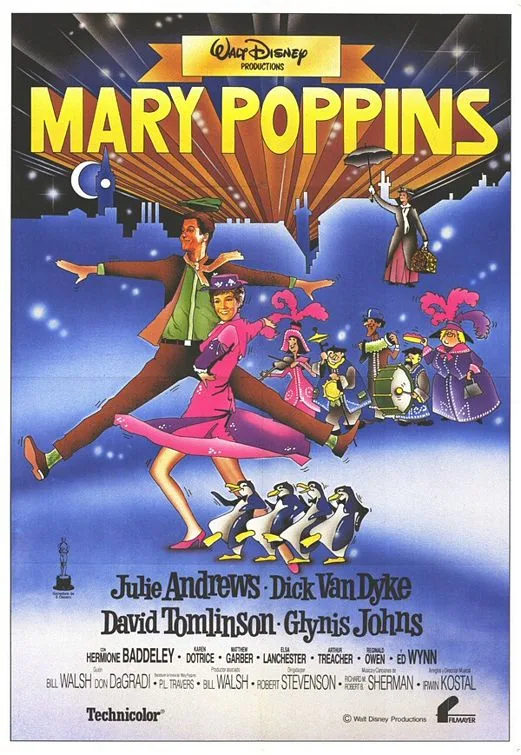
A mysterious nanny arrives at an orderly London household whose father believes discipline and financial respectability should govern family life. Her outings with the children turn chores, street encounters and apparently ordinary objects into musical adventures. As his own professional certainty comes under pressure, the household must reconsider whether providing security has become a substitute for attention, play and an understanding of other people's needs.
Josh’s friendship with Lyle begins in private and gradually asks the family to revise its idea of normal.
Why this matches +
These offer a related experience with a meaningful difference in story, tone, or presentation.
An adjacent discovery: a related idea with a different viewing experience.
Genres: Family / Musical
Shared film traits
Based on recorded story, mood and style. Your preferences can change the order.
Music and performance
What changes Music helps a child and an unlikely companion build a sense of family; contemporary New York and a singing crocodile.
Josh Primm moves with his family to New York and discovers a singing crocodile living in the attic of their new home. Lyle struggles to communicate with the humans nearby, while the Primm family and his former performer Hector try to keep him from being taken away. The musical family film combines live action and computer animation, using songs and city adventure to make acceptance a shared household experience.
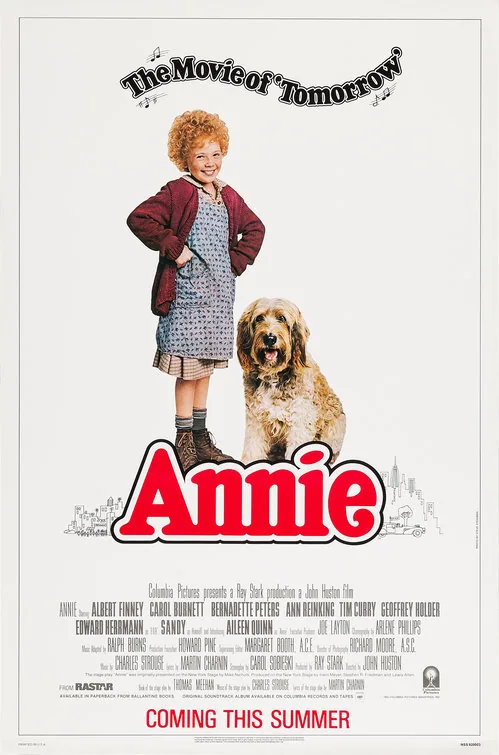
In Depression-era New York, spirited orphan Annie escapes the harsh routine imposed by Miss Hannigan and is temporarily welcomed into the home of billionaire Oliver Warbucks. The arrangement becomes a search for Annie's parents, drawing in competing adults who see opportunity in the promise of a reward, while the orphan's optimism and the household's changing loyalties turn a musical tale of refuge into a test of family and trust.
What drives the story
Annie's search for her birth parents grows from a temporary stay into a larger question about what makes a family.
The people at its centre
Warbucks begins as a distant employer of servants and becomes emotionally invested, while Annie's optimism challenges adults' cynicism.
What it feels like
Songs and lavish set pieces give the Depression setting a polished, theatrical tone that keeps hardship within a hopeful frame.
Worth knowing
Its musical emphasis on an orphan's adoption differs from a grounded social drama about poverty or institutional reform.
FamilyHopeSocial inequality
Mood
Buoyant · Sentimental · Theatrical
Pacing
Episodic · Forward-moving
Visual style
Bright musical spectacle · Period city
Storytelling
Orphan's search · Musical performance · Family formation