A murder investigation among retired masked figures gradually reveals how heroism, state power and public fear have become entangled in this alternate history.
Why this matches +
These films share central story, tone or viewing experiences with this selection.
Genres: Drama / Action
Shared film traits
Based on recorded story, mood and style. Your preferences can change the order.
What changes A more graphic adult superhero mystery questions power and accountability.
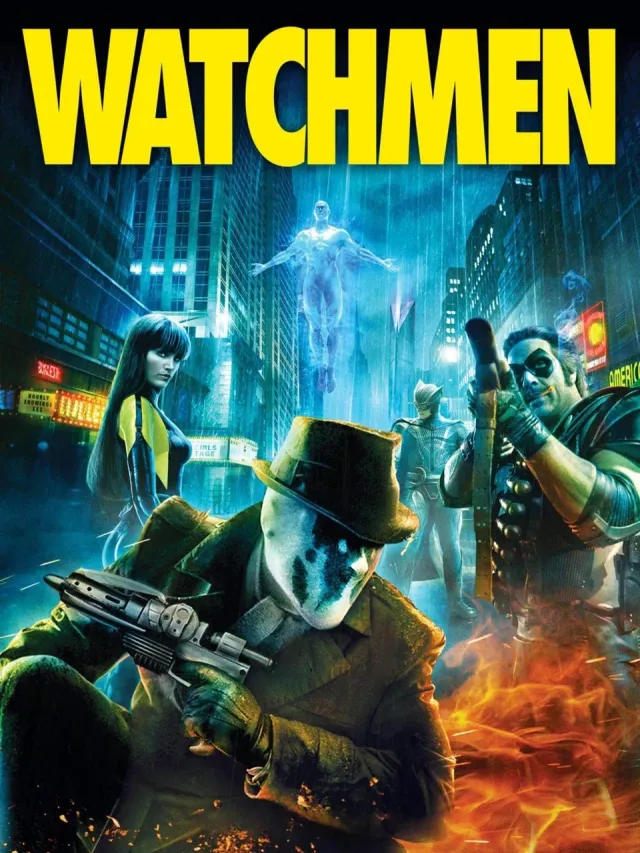
In an alternate 1985 where masked adventurers once altered public events, the murder of former hero Edward Blake draws the outlawed Rorschach into an investigation. He warns his retired colleagues, including Dan Dreiberg, Laurie Juspeczyk and the detached, near-omnipotent Dr. Manhattan, that someone may be targeting them. Their inquiry unfolds against a United States and Soviet Union nearing nuclear confrontation, where public fear, private guilt and political manipulation meet. The film adapts Alan Moore and Dave Gibbons’s comics with a deliberately stylized, often violent approach to superhero mythology. Rorschach’s investigation forces the former heroes to confront who benefits from growing panic. Their private histories complicate any clean division between guardian, criminal and threat.
An oversight dispute becomes a crisis of trust when an apparently urgent threat is designed to exploit existing disagreements and intimate loyalties.
Why this matches +
These films share central story, tone or viewing experiences with this selection.
Genres: Science fiction / Action
Shared film traits
Based on recorded story, mood and style. Your preferences can change the order.
What changes Superheroes divide over oversight and personal loyalty in a faster-paced ensemble adventure.
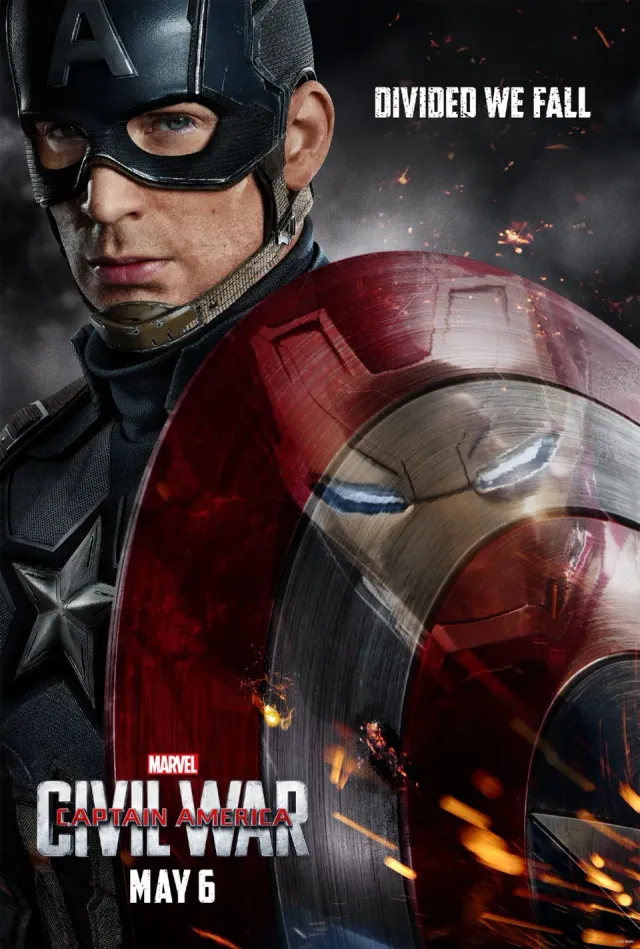
After destructive operations raise demands for political oversight, a superhero team splits over who should authorise its interventions. A new accusation against an old friend makes one member's position especially difficult to separate from private loyalty. Efforts to prevent further harm become entangled with a hidden personal agenda, turning a public argument about responsibility into a confrontation where incomplete information can fracture relationships built over years.
A campaign against organised crime is destabilised by an adversary seeking to make institutions and individuals abandon their own principles.
Why this matches +
These films explore a related idea in a different style, setting or audience.
An adjacent discovery: a related idea with a different viewing experience.
Genres: Crime / Drama
Shared film traits
Based on recorded story, mood and style. Your preferences can change the order.
What changes A vigilante faces escalating crime and moral choices in a grounded city thriller.
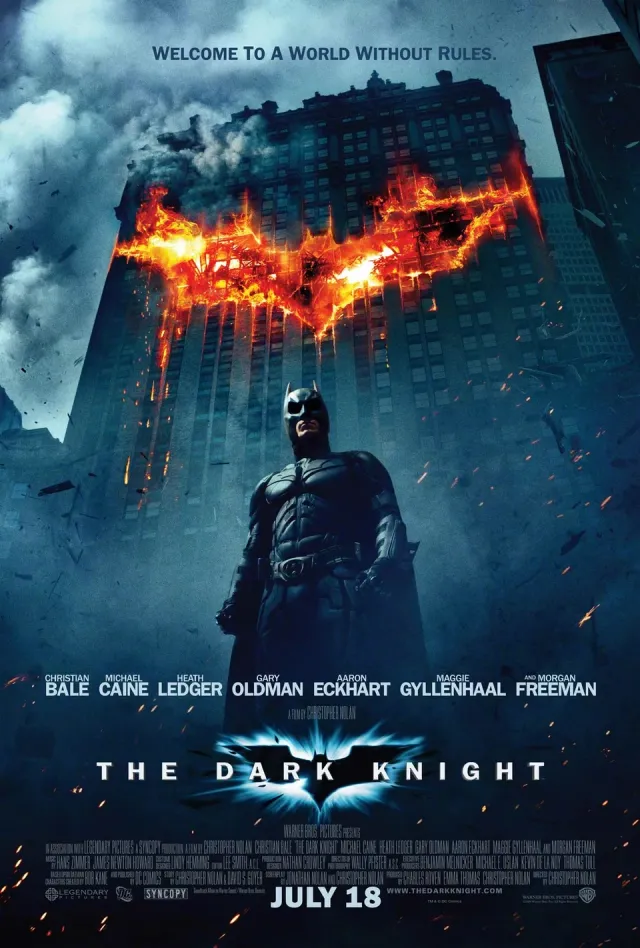
A vigilante and a police lieutenant support a prosecutor whose public legitimacy appears capable of weakening organised crime without relying on a masked outsider. A theatrical criminal exploits that effort by turning crimes into public tests of loyalty, fear and principle. As the attacks reach relationships beyond the official campaign, the promise of restoring order becomes difficult to separate from surveillance, deception and the costs imposed on particular people.
A patterned murder investigation expands into an inquiry about the institutions and inherited wealth sustaining a city's corruption.
Why this matches +
These films explore a related idea in a different style, setting or audience.
An adjacent discovery: a related idea with a different viewing experience.
Genres: Crime / Thriller
Shared film traits
Based on recorded story, mood and style. Your preferences can change the order.
What changes A detective-led Batman story uses a slow, noir crime tone.
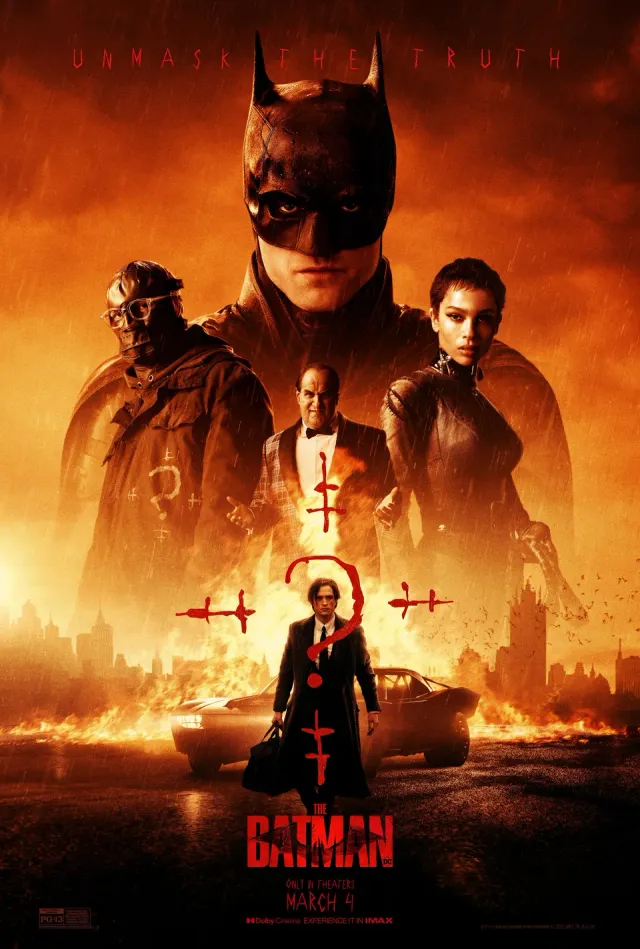
A masked vigilante in his second year of activity follows a series of murders aimed at exposing powerful figures in a decaying city. Cooperation with a detective and contact with a nightclub worker draw him into connections among organised crime, public institutions and his own family's legacy. His pursuit of a self-styled truth-teller forces him to reconsider whether fear and vengeance can offer the city anything beyond another model of coercion.
A narrow chance to alter one historic event links two eras, and the time-travel mechanism turns prevention into a race against relationships and fear.
Why this matches +
These films explore a related idea in a different style, setting or audience.
An adjacent discovery: a related idea with a different viewing experience.
Genres: Science fiction / Thriller
Shared film traits
Based on recorded story, mood and style. Your preferences can change the order.
What changes Mutant heroes use time travel to prevent a dystopian future.
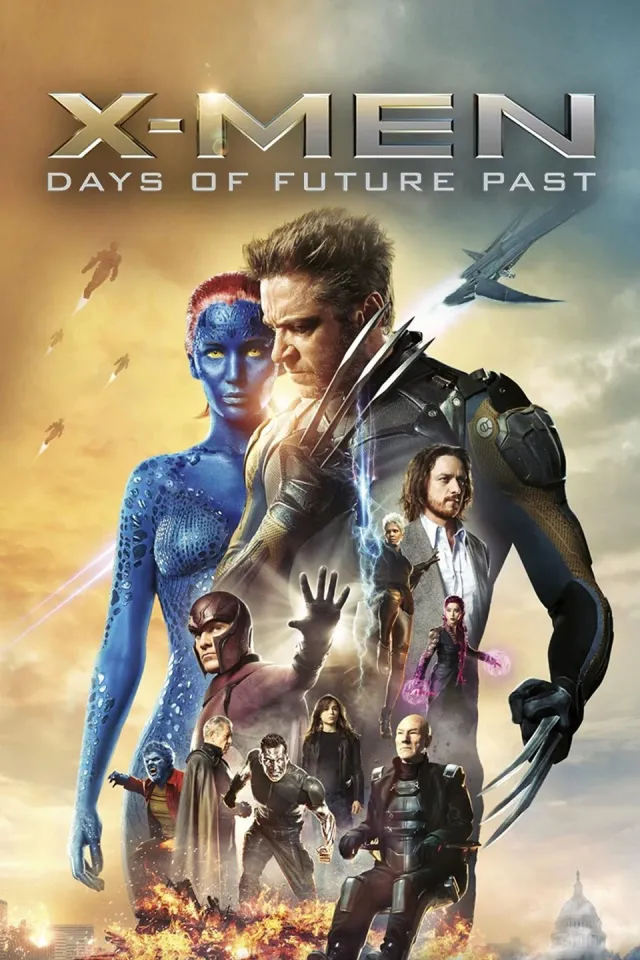
In a future where mutant survivors are nearly eliminated by Sentinels, the remaining X-Men send Wolverine’s consciousness back to 1973 to change the event that led to the machines’ creation. He must find younger versions of Charles Xavier and Erik Lehnsherr and persuade them to cooperate, while Mystique’s choices become central to the future the mission is trying to prevent. The film connects the original trilogy cast with the prequel cast, using time travel to make the franchise’s past an active problem rather than background lore. Success requires preserving a present shaped by Xavier's hopes and Erik's history of harm. Wolverine moves through an era with memories its people do not share.
A revenge campaign attempts to transform private evidence of state violence into collective refusal, using symbolic attacks and controlled revelation to challenge manufactured public consent.
Why this matches +
These films explore a related idea in a different style, setting or audience.
An adjacent discovery: a related idea with a different viewing experience.
Genres: Science fiction / Drama
Shared film traits
Based on recorded story, mood and style. Your preferences can change the order.
What changes A masked revolutionary challenges an authoritarian state in a darker political thriller.
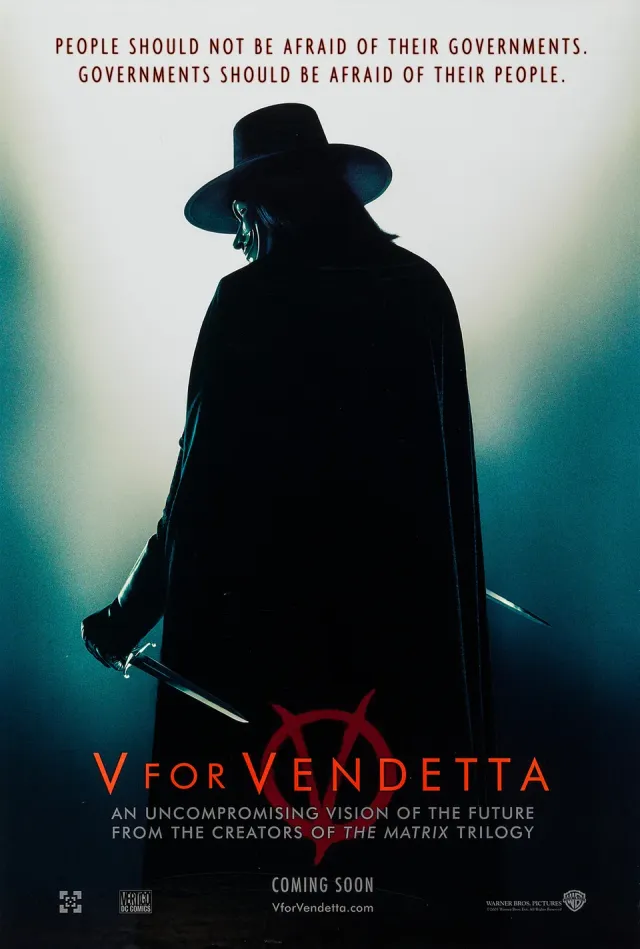
A masked insurgent rescues a young woman from agents of an authoritarian British state and draws her into a campaign timed around public spectacle and historical remembrance. His attacks expose connections between state security, propaganda and an earlier crime, but his methods also challenge the boundary between liberation and coercion. The woman's changing relationship to fear makes participation more complicated than simply choosing a heroic side against an obvious regime.
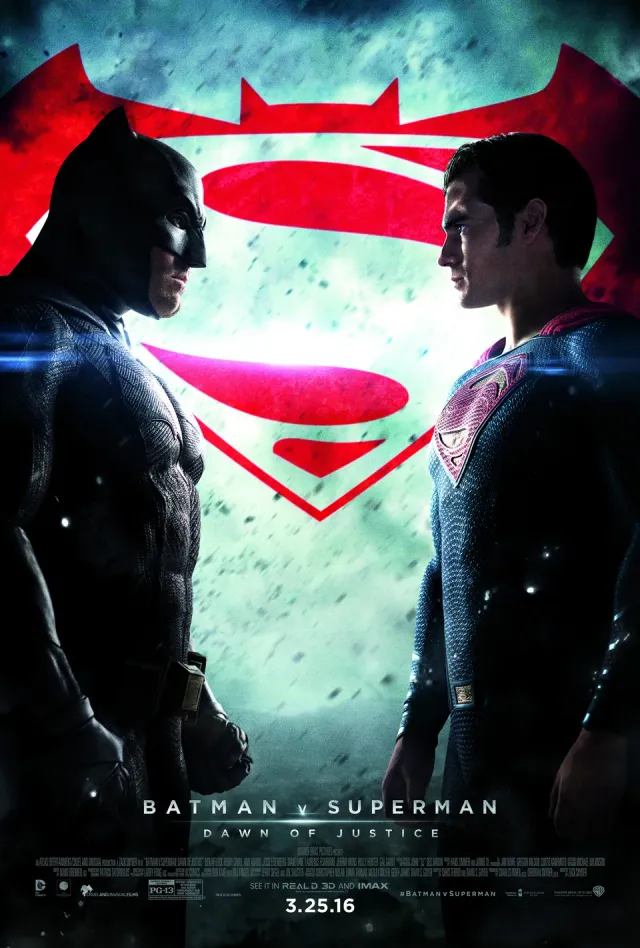
After Superman's battle in Metropolis leaves civilian destruction, Bruce Wayne concludes that unchecked power must be stopped before it can threaten Gotham. Clark Kent sees Batman's vigilantism as another danger, while Lex Luthor manipulates information and events to make the rivals' fears converge. Public hearings and family ties give each man reasons to claim that he is protecting others, but those motives are exploited by a private actor who wants them to collide. The Ultimate Edition restores investigative connections omitted from the theatrical cut, so version choice changes how clearly the conspiracy reads.
What drives the story
A manufactured conflict turns fear of extraordinary power into a preemptive plan. Luthor controls evidence and timing so each hero interprets the other's attempt at protection as an imminent threat.
The people at its centre
Bruce's trauma and Clark's responsibility to loved ones become leverage for Luthor, while Lois and Martha anchor human costs beyond the public debate. The rivalry is shaped by manipulated knowledge more than direct ideological conversation.
What it feels like
Monumental imagery and solemn political scenes build a grave superhero epic with long stretches of investigation. The theatrical and Ultimate editions differ in connective detail, particularly around how the conspiracy becomes legible.
Worth knowing
Pair it with stories about threat perception manipulated into violence, not a simple contest between heroes. State which cut is being discussed, and do not mistake staged public hearings for a balanced real-world debate about vigilantism.