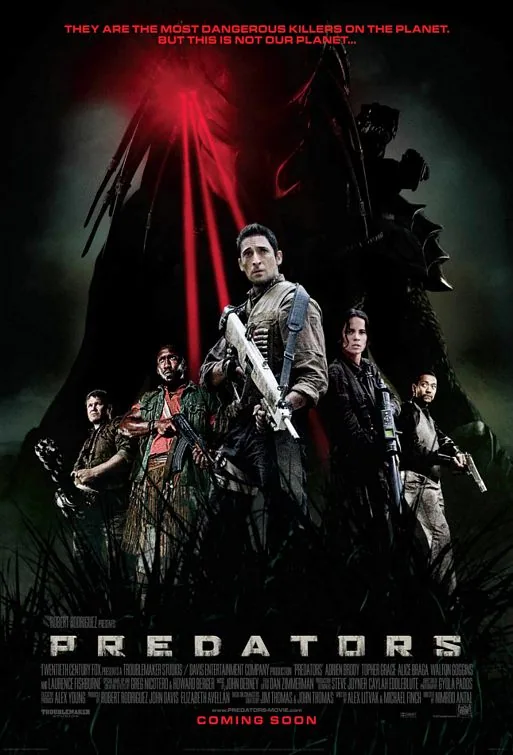
The game preserve reverses the characters’ usual power: skilled killers must interpret a terrain and an enemy built to hunt them.
Why this matches +
These offer a related experience with a meaningful difference in story, tone, or presentation.
An adjacent discovery: a related idea with a different viewing experience.
Genres: Science fiction / Action
Shared film traits
Based on recorded story, mood and style. Your preferences can change the order.
Survival
What changes Predators places strangers in a hostile environment where they must understand a deadly hunt and decide whom to trust.
Mercenary Royce falls from the sky into an unfamiliar jungle and finds a group of other dangerous people who were also dropped there. As they move through the landscape, they discover that the world is an alien game preserve and that they are being hunted by more than one Predator. A physician named Edwin appears to be an unlikely victim, but his behavior raises questions about what makes someone prey or predator. Royce and sniper Isabelle try to exploit the hunters’ rules and reach a possible escape route, while group members are picked off. Their survival depends on recognizing that the landscape itself is designed for the hunt.
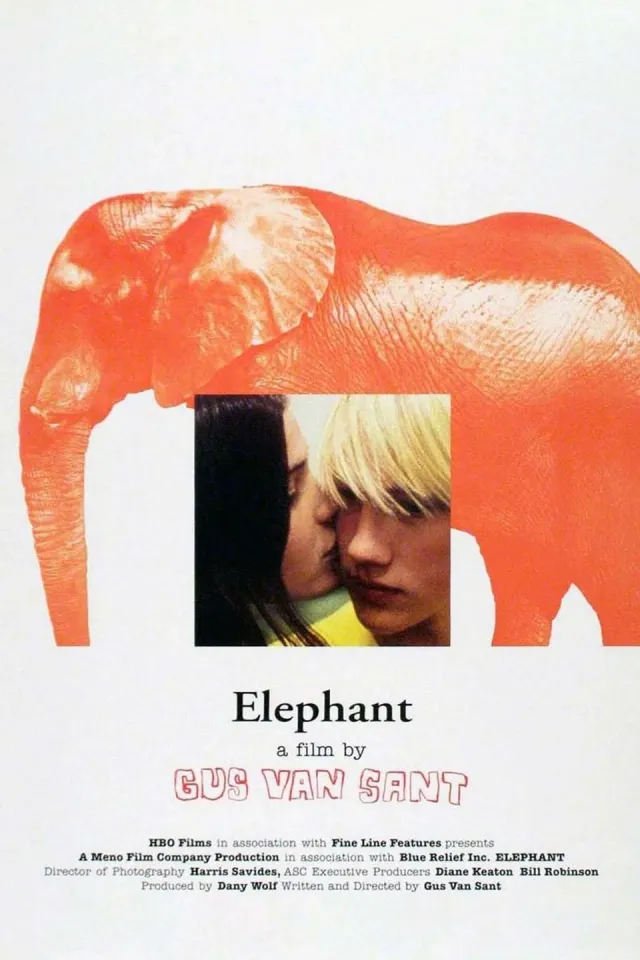
The repeated passage through familiar school spaces gradually changes how earlier ordinary moments feel.
Why this matches +
These offer a related experience with a meaningful difference in story, tone, or presentation.
An adjacent discovery: a related idea with a different viewing experience.
Genres: Drama / Thriller
Shared film traits
Based on recorded story, mood and style. Your preferences can change the order.
Survival
What changes Elephant observes a school community before sudden lethal violence, with a quieter and more realistic approach.
Over the course of an ordinary school day, the film follows several students through corridors, classrooms and small social encounters before their paths converge in a sudden act of violence. It offers fragments rather than a conventional explanation, shifting perspective and revisiting moments with little interpretive guidance. The restrained surface makes routine detail unsettling, while its refusal to simplify causation leaves space for difficult questions.
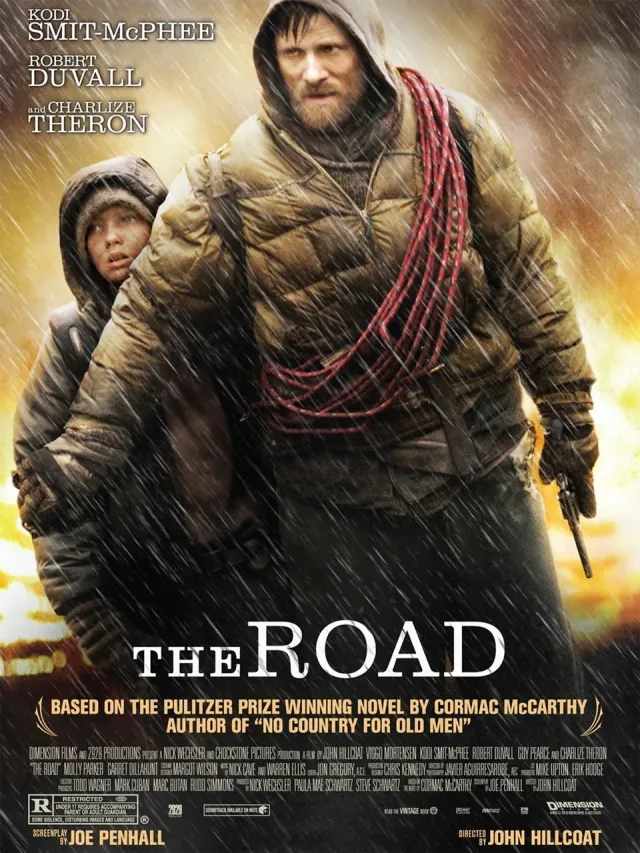
The southbound journey is less a promise of rescue than a repeated effort to keep the child alive through another day.
Why this matches +
These offer a related experience with a meaningful difference in story, tone, or presentation.
An adjacent discovery: a related idea with a different viewing experience.
Genres: Drama / Science fiction
Shared film traits
Based on recorded story, mood and style. Your preferences can change the order.
Survival
What changes The Road depicts survival under extreme scarcity where trust in strangers carries deadly risk.
After an unspecified catastrophe leaves the landscape barren, a father and his young son travel south in search of safety. They must ration supplies, avoid dangerous strangers and preserve their bond in a world where ordinary social rules have collapsed. The adaptation is a stark survival drama about parental care, moral compromise and the effort to pass on hope without certainty.
A missing-child investigation develops alongside an unauthorised interrogation, placing professional evidence and desperate conviction on competing paths.
Why this matches +
These offer a related experience with a meaningful difference in story, tone, or presentation.
An adjacent discovery: a related idea with a different viewing experience.
Genres: Thriller / Mystery
Shared film traits
Based on recorded story, mood and style. Your preferences can change the order.
Survival
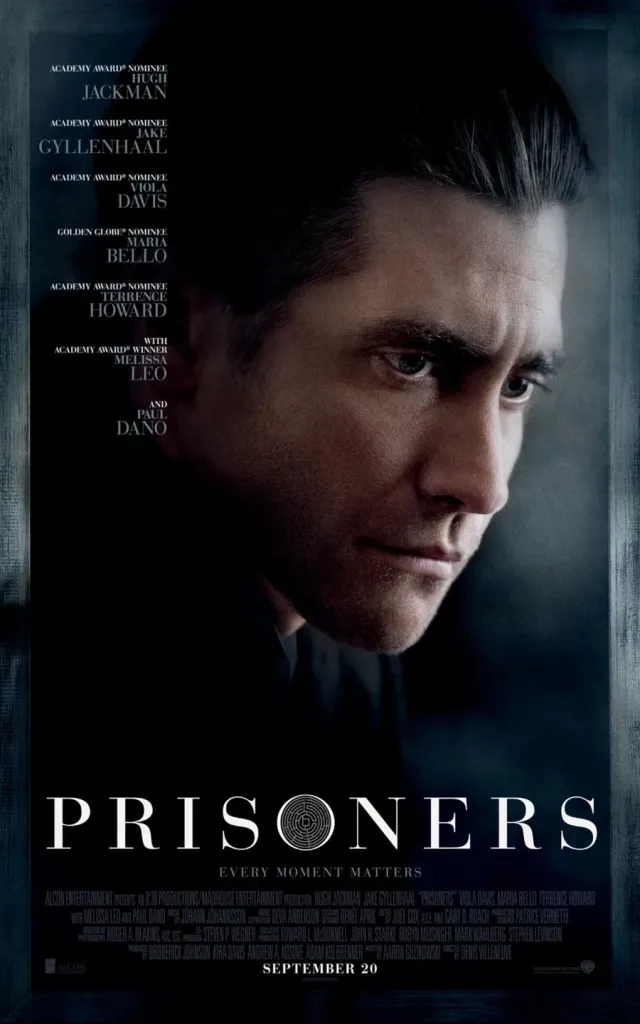
What changes Prisoners explores the moral compromises people make under extreme fear for loved ones.
Two young girls disappear during a neighbourhood holiday gathering, leaving their families dependent on an investigation that produces uncertainty faster than reassurance. One father becomes convinced that a released suspect knows more than he admits and decides that protecting his child justifies methods the police will not use. The detective's parallel search exposes a wider history while the parent's private certainty creates victims and consequences of its own.
The community's no-new-arrivals rule makes Richard's lie consequential; his secret copies of the map expose the hidden beach to the world it was meant to exclude.
Why this matches +
These offer a related experience with a meaningful difference in story, tone, or presentation.
An adjacent discovery: a related idea with a different viewing experience.
Genres: Drama / Thriller
Shared film traits
Based on recorded story, mood and style. Your preferences can change the order.
Survival
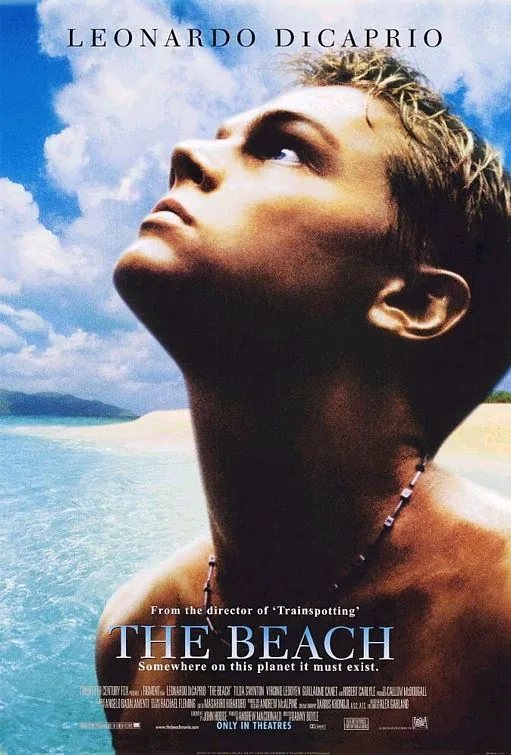
What changes The Beach follows young outsiders whose isolated community turns fear and exclusion into coercive control.
Backpacker Richard learns about a hidden island community from Daffy, a troubled traveler who leaves him a map before dying. Richard persuades French couple Françoise and Étienne to join him in finding the beach, where a secret group of travelers live under strict rules imposed by leader Sal. Richard hides that he has copied the map for other tourists, and the community's isolation begins to fray as jealousy and outside attention grow. A shark attack and Richard's increasingly distorted behavior make the promised paradise feel less like freedom than a fragile secret that demands complicity.
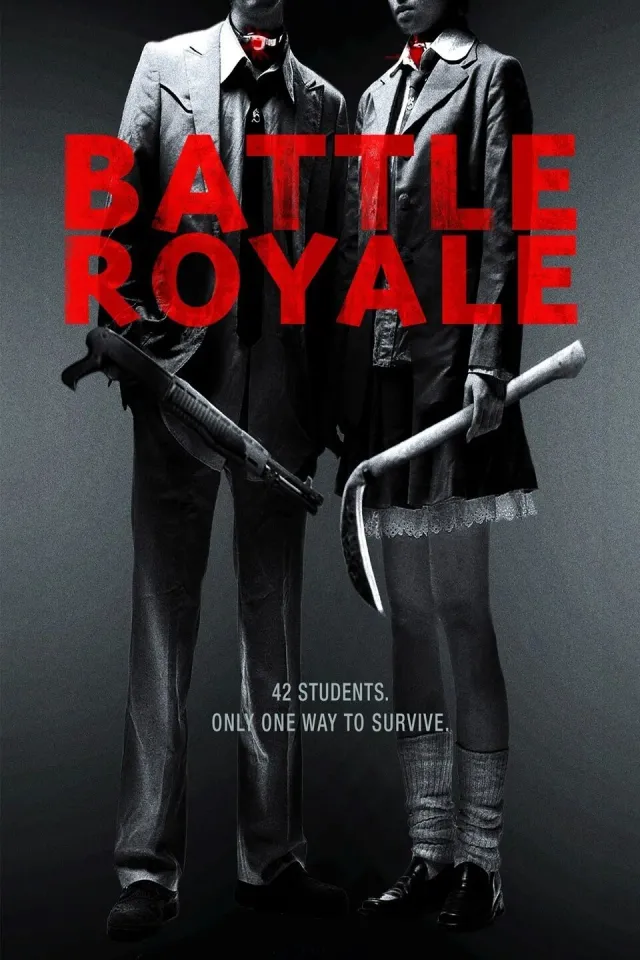
A school class is taken to an isolated island and informed that the state requires the pupils to kill one another until a single survivor remains. Surveillance, weapons, and moving danger zones make refusal practically difficult, while existing friendships and resentments acquire lethal consequences. Different attempts to cooperate expose how terror can turn uncertainty about another person's intentions into a mechanism enforcing the very rules the participants might otherwise reject.
What drives the story
A state-run survival contest converts adolescent relationships into instruments of coercion by making only one participant's continued life appear institutionally acceptable.
The people at its centre
Trust within pairs and groups repeatedly competes with fear of betrayal, while adult authority presents administered cruelty as an answer to youth disorder.
What it feels like
Rapid shifts among students combine frantic violence with flashes of ordinary intimacy, making a regulated killing system more central than individual combat mastery.
Worth knowing
Compare enforced competition that weaponizes existing social trust, rather than treating youthful protagonists or a last-survivor premise as evidence of light adventure.