Sound-sensitive predators turn daily family care into risk management, while childbirth and unresolved guilt threaten the routines sustaining survival.
Why this matches +
Selected for the central appeal: A woman’s protective discipline and reluctant attachment are tested by an unseen apocalypse with a lethal sensory rule.
Genres: Horror / Thriller
Shared film traits
Based on recorded story, mood and style. Your preferences can change the order.
Survival
What changes A parent-led family survives an emptied world by obeying a sensory restriction whose smallest breach can kill, turning care into hazardous practical routines; silence and audible creatures replace blindfolds and an unseen vision-triggered force.
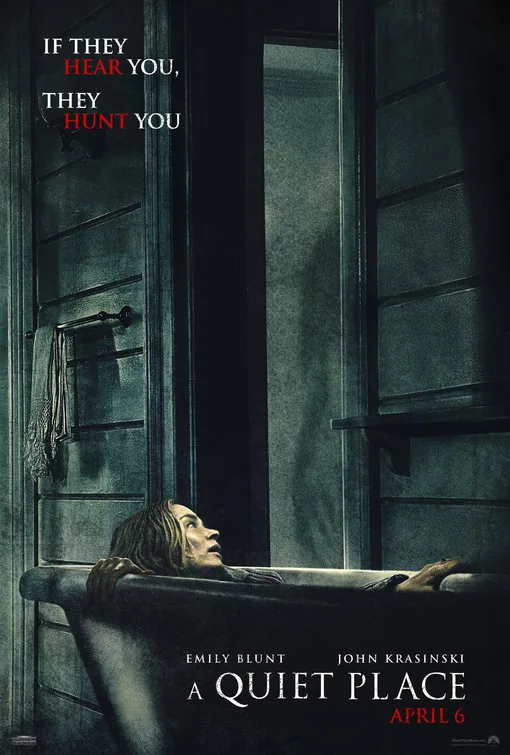
A family survives in a rural landscape after creatures that hunt by sound have destroyed ordinary public life. Signed communication, including with their deaf daughter, and careful preparation are complicated by grief, a child's guilt, and an approaching birth that cannot be managed without noise. Protecting one another requires learning when silence helps and when it prevents communication, as familiar domestic spaces become systems of hazards and improvised defenses.
The rope makes the family’s dependence on rules tangible and increasingly fragile.
Why this matches +
Selected for the central appeal: A woman’s protective discipline and reluctant attachment are tested by an unseen apocalypse with a lethal sensory rule.
Genres: Horror / Thriller
Shared film traits
Based on recorded story, mood and style. Your preferences can change the order.
Survival
What changes A mother raises children under strict rules against an unseen evil, making protection inseparable from isolation and doubt; the rope-bound cabin and uncertainty about her account are more claustrophobic than the river journey through an established catastrophe.
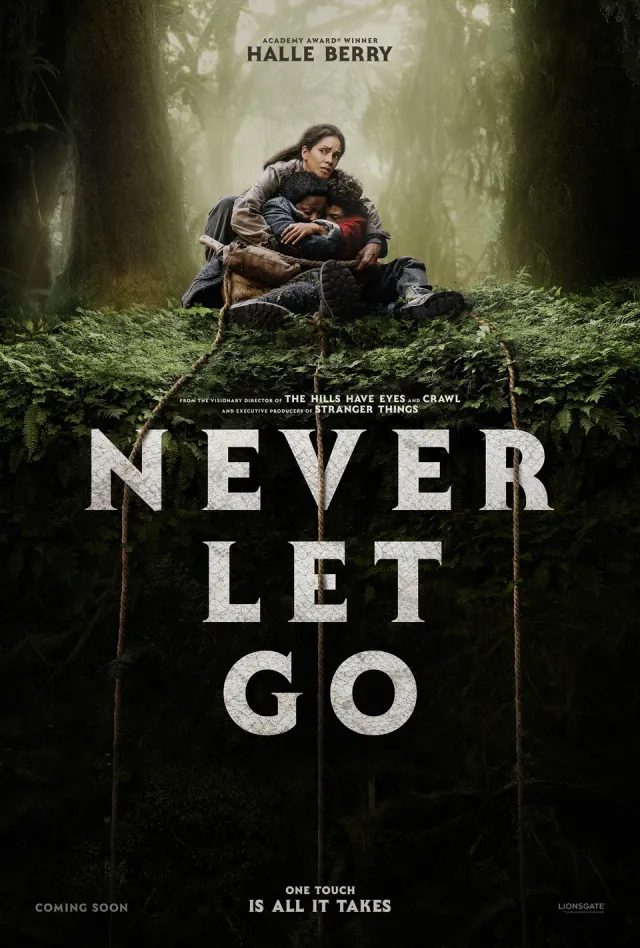
A mother raises her two sons in a remote cabin, teaching them that an unseen evil has emptied the world and that a rope tether is their only safe passage beyond the house. As the family’s food dwindles and the boys begin to question what they have been told, survival becomes inseparable from trust. The horror turns maternal protection into a source of both comfort and fear.
A supernatural siege develops into a conflict over belief, leadership and the risks of leaving shelter.
Why this matches +
Selected for the central appeal: A woman’s protective discipline and reluctant attachment are tested by an unseen apocalypse with a lethal sensory rule.
Genres: Horror / Thriller
Shared film traits
Based on recorded story, mood and style. Your preferences can change the order.
Survival
What changes A parent and child shelter with strangers while poorly understood danger outside turns collective fear into conflict over whom to trust; visible monsters and an escalating religious faction replace the source’s sensory prohibition and later maternal journey.
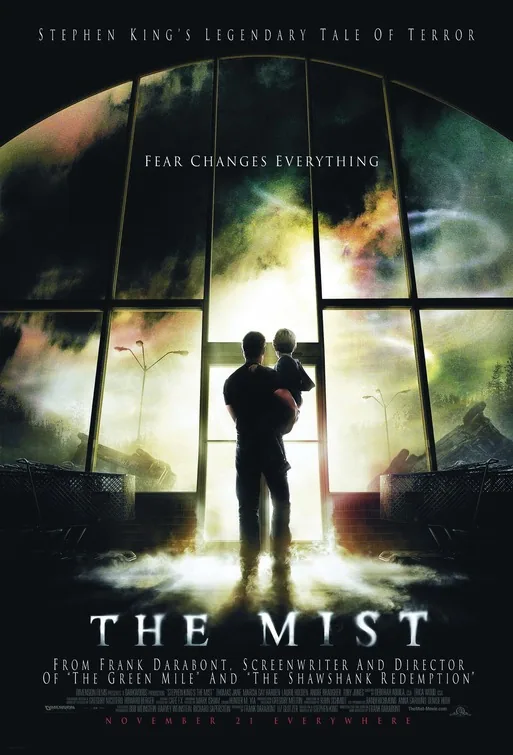
After a storm, a father and son become trapped in a supermarket as an unnatural mist hides lethal creatures outside. Attempts to understand the danger are frustrated by poor visibility and mounting panic. Inside, a self-appointed religious leader gains followers by turning fear into certainty, forcing the survivors to decide whether remaining together still offers protection.
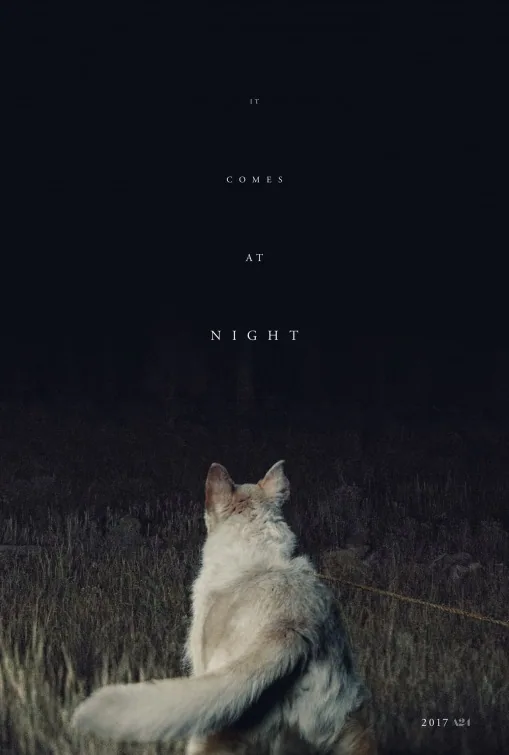
Two households attempt a protected alliance, then an ambiguous security breach makes every precaution appear either necessary or evidence of concealed betrayal.
Why this matches +
Related viewing experiences with the specific differences recorded for each pair.
An adjacent discovery: a related idea with a different viewing experience.
Genres: Horror / Drama
Shared film traits
Based on recorded story, mood and style. Your preferences can change the order.
Survival
What changes An isolated family’s survival precautions make trust in outsiders feel inseparable from lethal risk; intimate infection paranoia is bleaker and less quest-driven than a mother guiding children toward possible refuge.
A family survives an unexplained contagious threat through isolation, strict rules and the willingness to exclude outsiders. Accepting another household seems to increase their chance of survival, but incomplete information and a disturbing breach of routine turn cooperation back into suspicion. The adolescent son experiences the enclosure through desire, dreams and terror that provide no reliable map of danger. The horror concentrates on decisions made without certainty, showing how the effort to protect a family can become destructive before anyone establishes what actually happened.
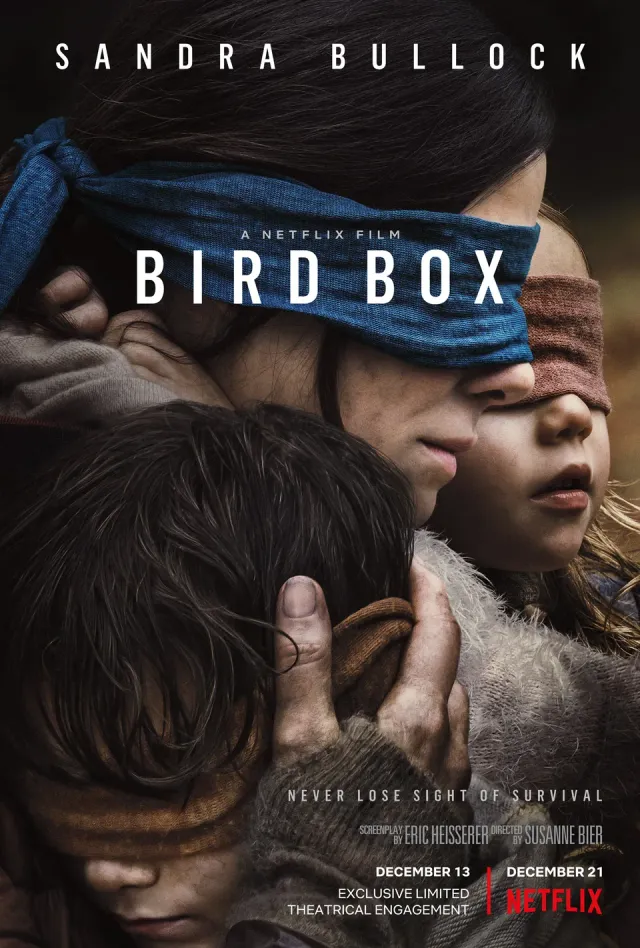
After an unexplained phenomenon makes looking outside lethally dangerous, survivors struggle to organize trust and ordinary care around a sensory rule they cannot safely test. Years later, a woman leads two children along a river while keeping them blindfolded. The present journey and earlier group crisis expose how protection can become emotionally restrictive when accepting attachment seems to create another vulnerability in a world built around unseen risk.
What drives the story
A lethal visual threat makes controlled perception essential to survival while a later journey tests whether protective rules can permit trust and attachment.
The people at its centre
Malorie's guarded care prepares the children for danger but limits the recognition she offers them, while the earlier group reveals competing costs of letting strangers in.
What it feels like
Alternating timelines and denied visual information turn small decisions into suspense, combining apocalyptic group breakdown with a constrained family passage.
Worth knowing
Compare protection under an explicit visual hazard, rather than treating an unseen threat as a generic haunting or assuming the safest response is automatically emotionally sufficient.