Based on recorded story, mood and style. Your preferences can change the order.
Expect intense and tense, with fast pacing.
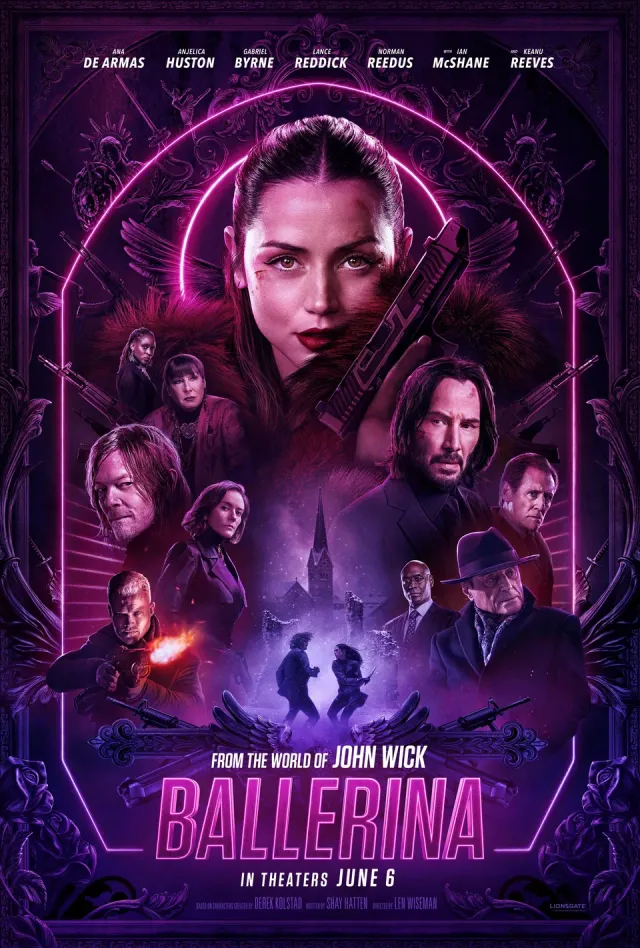
A young woman trained within the Ruska Roma's organization pursues the people responsible for her father's death. Following the trail takes her beyond the permissions and rivalries of the criminal system that supplied her skills, making vengeance both a personal objective and an institutional breach. Encounters with established figures test whether professional belonging can coexist with refusing the rules that protect the people she wants to reach.
Both centre on concealed identity and institutional persecution.
Why this matches +
Genres: Drama / War
Shared film traits
Based on recorded story, mood and style. Your preferences can change the order.
War and civilian life
What changes Black Book: fast. The Last Metro: measured.
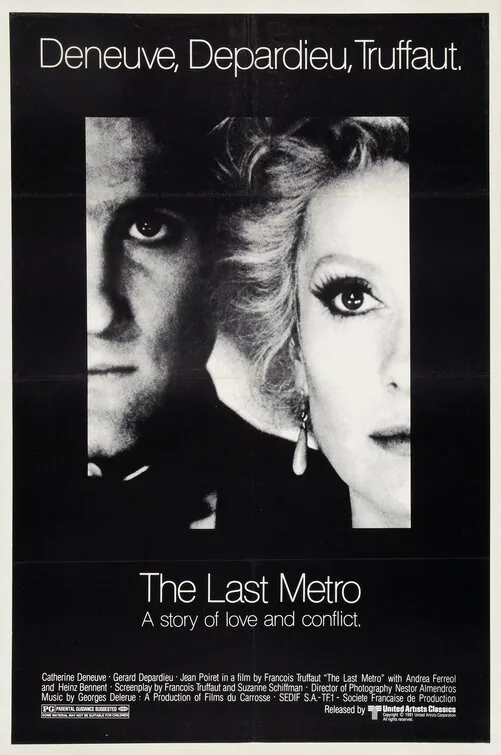
In occupied Paris, actress and theater director Marion Steiner keeps her theater running while secretly sheltering her Jewish husband Lucas in the building's cellar. She presents herself publicly as the company's sole leader, even as a new actor and the German occupation reshape the troupe's daily life. Rehearsals and performances become a fragile cover for survival, forcing Marion to navigate censorship, collaboration, and the emotional strain of living under constant threat.
Based on recorded story, mood and style. Your preferences can change the order.
Espionage and covert operations · War and civilian life
What changes Black Book: fast. Inglourious Basterds: slow burn and intense.
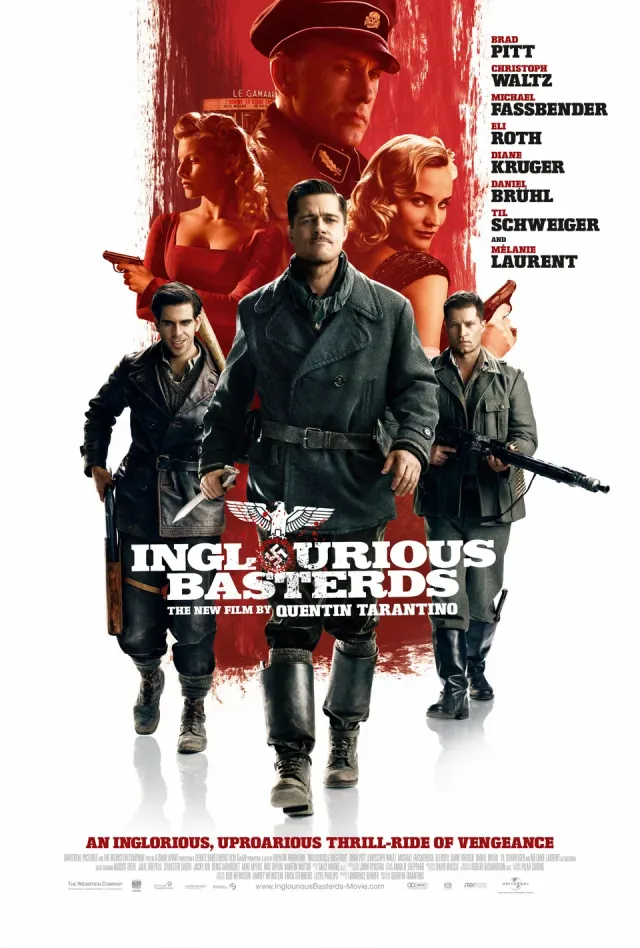
In occupied France, a Jewish cinema owner prepares a private act of revenge while an American unit and Allied operatives pursue separate plans against Nazi leadership. Their schemes depend on performances of identity, language and social confidence that can fail in a moment. The intersecting plots transform ordinary conversations, screenings and drinking games into contests over who recognises the deception first.
Both centre on concealed identity and compromised loyalty.
Why this matches +
Genres: Crime / Drama
Shared film traits
Based on recorded story, mood and style. Your preferences can change the order.
What changes Black Book: fast. Infernal Affairs: propulsive and intercut.
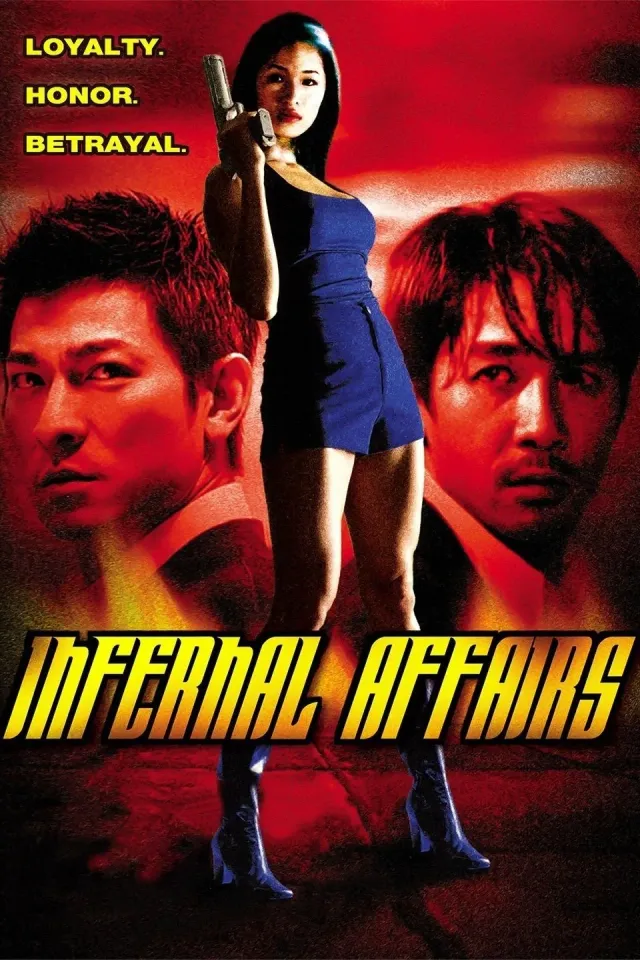
A police officer works undercover inside a Hong Kong triad while a gang member has infiltrated the police force, leaving each man to live under a constructed identity. As their organizations close in on the compromised arrangement, surveillance and loyalty become personal tests. The thriller’s mirrored lives turn the procedural premise into an anxious study of selfhood, trust and the costs of sustained deception.
Both share themes of loyalty, plus an intimate and tense atmosphere.
Why this matches +
Genres: Thriller / Crime
Shared film traits
Based on recorded story, mood and style. Your preferences can change the order.
What changes Black Book: fast. Mortal Thoughts: an investigation reconstructs a troubled relationship.
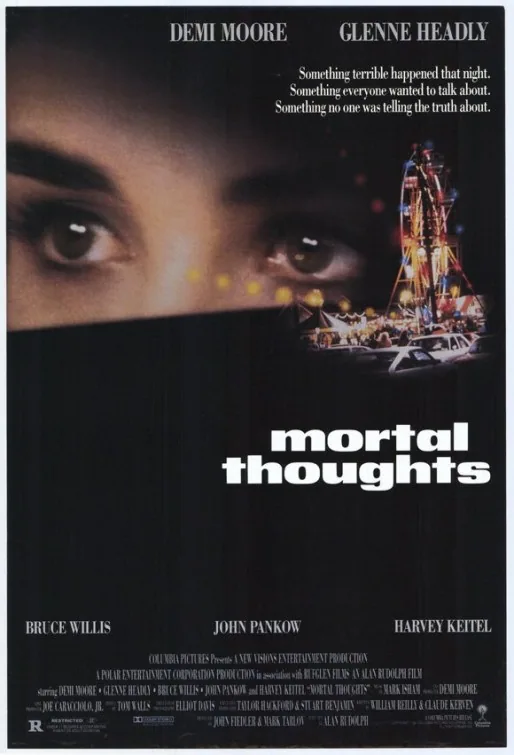
Two women who have been close friends become entangled in the murder investigation of the husband of one of them. Their accounts of the past and of the crime do not remain consistent, forcing investigators and the audience to question what each woman is protecting. Alan Rudolph's thriller uses shifting testimony and personal intimacy to unsettle the boundary between loyalty and complicity.
Based on recorded story, mood and style. Your preferences can change the order.
War and civilian life
What changes Black Book: fast. The Pianist: measured.
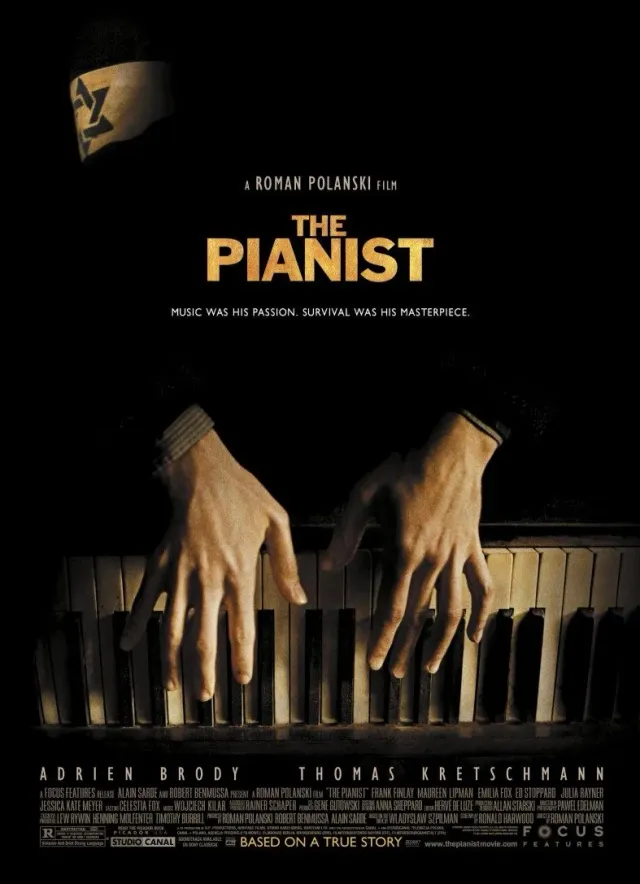
Polish Jewish musician Władysław Szpilman watches the Nazi occupation of Warsaw progressively strip his family of livelihood, movement and safety. Separated from them during deportation, he survives through forced labour, help from acquaintances and prolonged hiding in a city being destroyed around him. Music remains part of his identity, but endurance depends on contingent aid and temporary shelter rather than the protection professional distinction might once have promised.
Based on recorded story, mood and style. Your preferences can change the order.
War and civilian life
What changes Black Book: fast. All Quiet on the Western Front: intense.
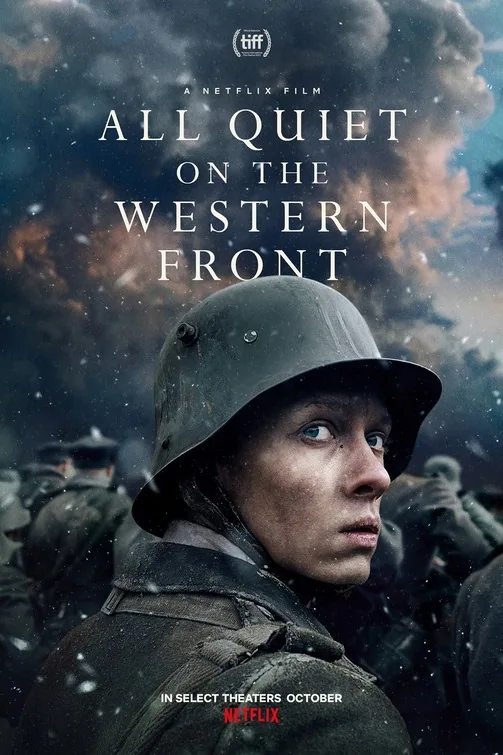
A German teenager enlists with friends near the end of the First World War and discovers a front defined by mud, deprivation, and abrupt industrial violence. His changing group struggles to obtain brief moments of food and companionship while officials negotiate an end to the fighting. The distance between strategic decisions and expendable lives becomes increasingly stark as the possibility of peace fails to make the remaining hours safe.
Both share themes of survival, plus a tense atmosphere.
Why this matches +
Genres: Drama / War
Shared film traits
Based on recorded story, mood and style. Your preferences can change the order.
War and civilian life
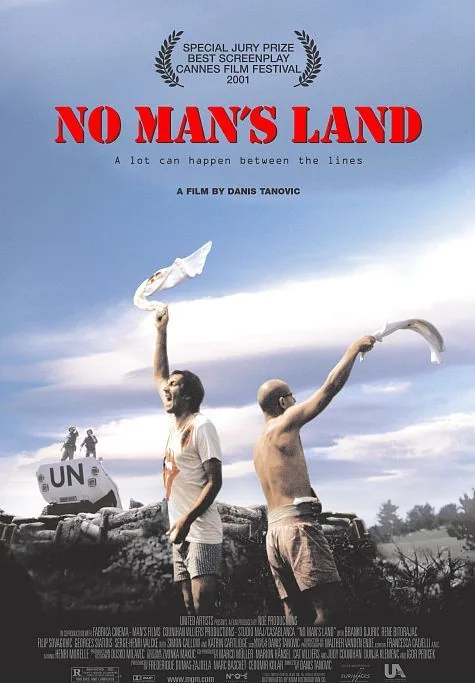
What changes Black Book: fast. No Man's Land: steady and escalating.
During the Bosnian War, wounded Bosniak soldier Čiki and Bosnian Serb soldier Nino become trapped in the same trench between their lines. Their initial insults give way to wary cooperation when they discover Cera, another Bosniak, lying on a mine that will detonate if he moves. A French UN peacekeeping sergeant attempts a rescue despite orders to remain neutral, while an international reporter’s presence pressures senior officers to act. Each institution tries to control the public story as the men’s danger grows, leaving the conflict unresolved even when cameras and officials depart.
Based on recorded story, mood and style. Your preferences can change the order.
Espionage and covert operations
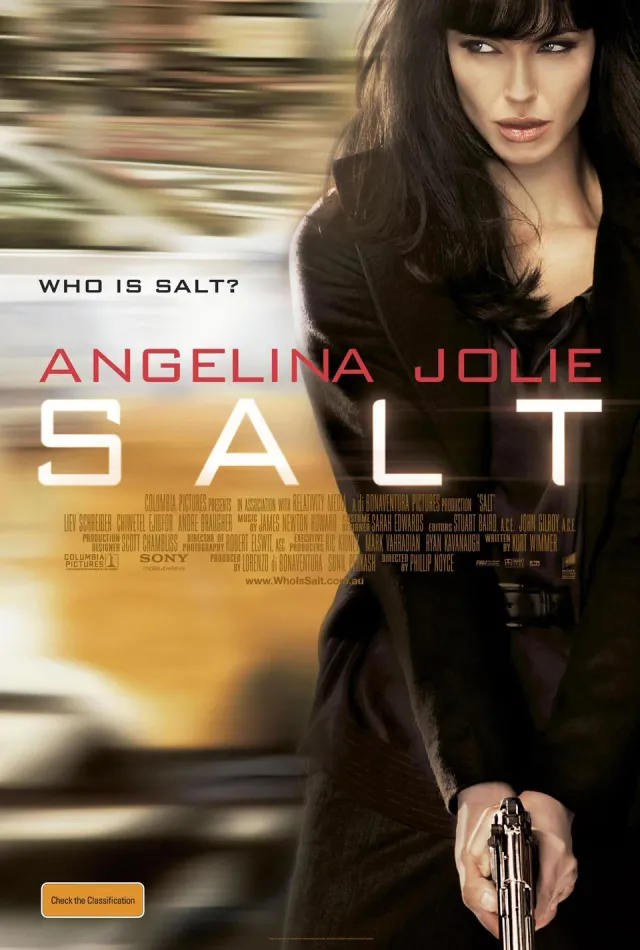
What changes Black Book: fast. Salt: rapid, reversal-heavy and continuous pursuit.
CIA officer Evelyn Salt’s routine interrogation of a Russian defector becomes an emergency when he identifies her as a sleeper agent assigned to kill the Russian president. With colleagues now treating her as a threat, Salt escapes custody and tries to find her missing husband while the intelligence agencies close in. The chase keeps her motives opaque: she adopts disguises, evades surveillance and moves through a conspiracy whose claims are hard to verify. Her actions eventually expose a plan to provoke conflict between the United States and Russia, leaving her to decide whether anyone in the system will believe her before it is too late.
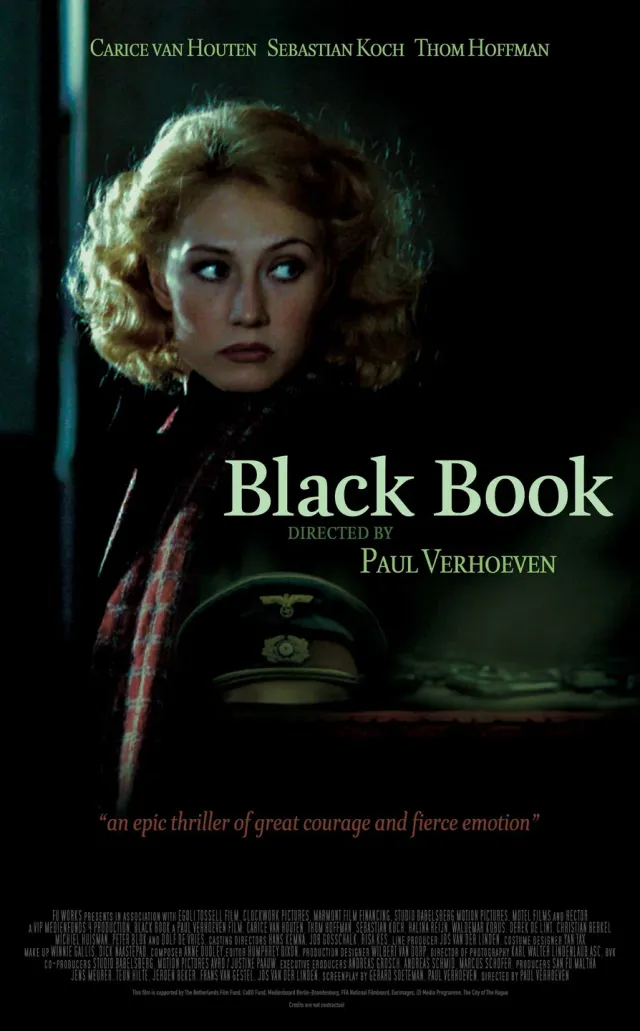
Rachel Stein, a Jewish singer hiding in occupied Netherlands, survives a betrayal and joins the Dutch resistance under a concealed identity. Her infiltration of a German officer's circle gives the resistance access, but intimacy complicates the role and does not suspend occupation's violence. When operations fail and the Netherlands is liberated, Rachel encounters new accusations and institutional loyalties that make safety no more automatic than it was under German rule. Paul Verhoeven's fast-moving thriller challenges simple moral categories without making persecutor and victim equivalent or treating betrayal as evidence that resistance itself was meaningless.
What drives the story
Rachel's access depends on performing an identity inside the occupier's world, but failed operations and postwar suspicion make the same concealment dangerous on both sides of liberation.
The people at its centre
Her relationship with the German officer complicates resistance expectations without cancelling the power of occupation. Rachel's allies and accusers have competing interests, and she must survive judgments made by people who claim to protect her.
What it feels like
Rapid reversals, sexual exposure and harsh humiliation give the espionage plot an abrasive melodramatic pace. Liberation changes the setting but does not restore easy trust or erase the previous violence.
Worth knowing
Compare wartime thrillers about covert identity and compromised liberation, while preserving the asymmetry between occupiers and persecuted people. Romantic attachment does not make the occupation politically neutral.