Both share themes of corruption, plus a tense atmosphere.
Why this matches +
Genres: Crime / Drama
Shared film traits
Based on recorded story, mood and style. Your preferences can change the order.
What changes Blue Collar: character-led, escalating and tragic. The Untouchables: steady.
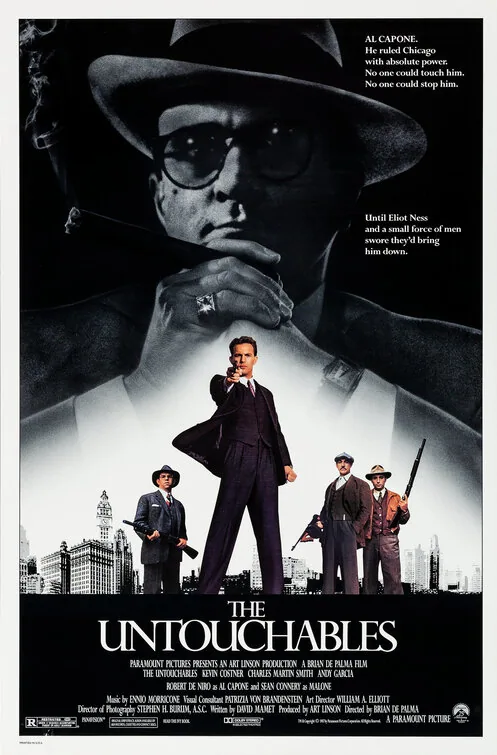
A federal agent trying to enforce Prohibition in Chicago discovers that publicity and formal authority accomplish little against a criminal organisation embedded in civic institutions. Recruiting a small team creates the possibility of gathering evidence without relying on compromised colleagues. As the investigation threatens the city's dominant gangster, retaliation makes professional resolve inseparable from personal loss and decisions about the kind of force the team is willing to use.
Based on recorded story, mood and style. Your preferences can change the order.
Expect tense and noir, with escalating and suspense-led pacing.
An ex-convict adopts his murdered cellmate’s identity and is pulled into a casino robbery planned by criminals who believe the deception. His attempt to survive depends on maintaining a false past while learning how much the gang’s plan conceals. The crime story uses assumed identity to make trust a temporary calculation shaped by danger and opportunism. Cold winter landscapes and abrupt reversals give the heist plot a bleak, late-career thriller mood.
Both share themes of work, plus an angry atmosphere.
Why this matches +
Genres: Drama
Shared film traits
Based on recorded story, mood and style. Your preferences can change the order.
What changes Blue Collar: character-led, escalating and tragic. North Country: steadily building.
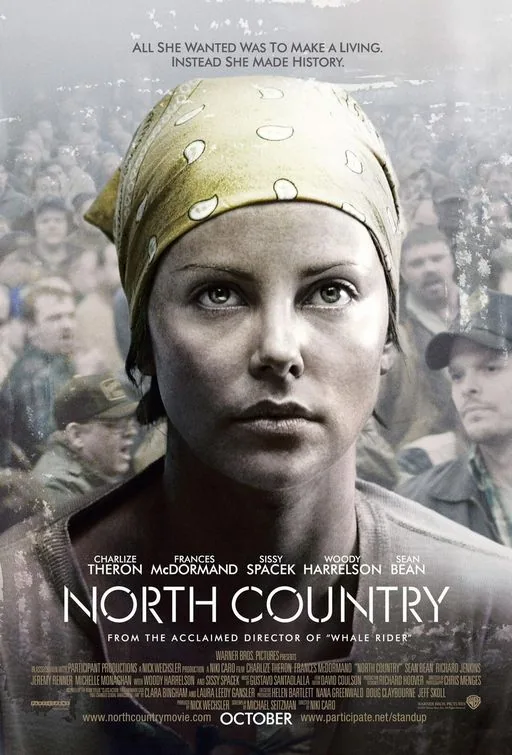
A woman returns to her Minnesota hometown and takes a mining job, where harassment by male coworkers becomes a collective workplace problem. When she challenges the company, the case brings neighbors and relatives into conflict over livelihood, credibility and solidarity. The drama draws on a landmark employment dispute while keeping its focus on the difficult personal costs of asking an institution to recognize abuse and change its practices.
Based on recorded story, mood and style. Your preferences can change the order.
What changes Blue Collar: character-led, escalating and tragic. Legend: steady rise into volatile conflict.
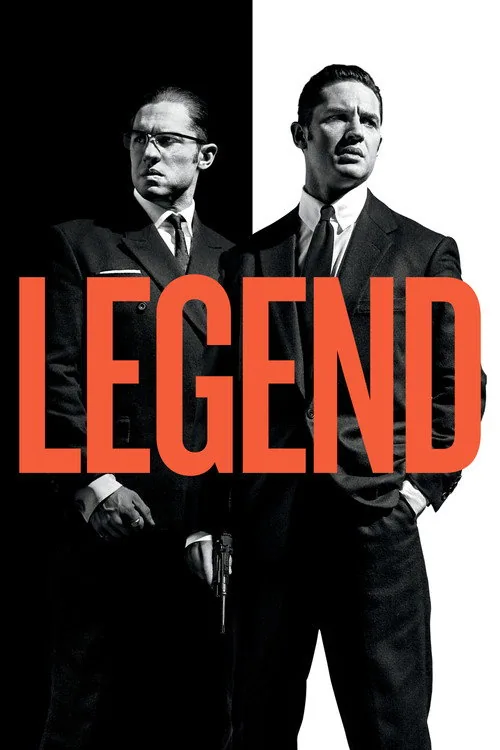
In 1960s London, twins Reggie and Ron Kray build influence through a criminal organization whose public confidence hides competing needs and volatile behavior. Reggie wants to extend the business while pursuing a more settled life with Frances, and Ron’s instability makes the partnership difficult to manage. The biographical crime drama treats the brothers’ shared identity as both their advantage and their central source of pressure.
Based on recorded story, mood and style. Your preferences can change the order.
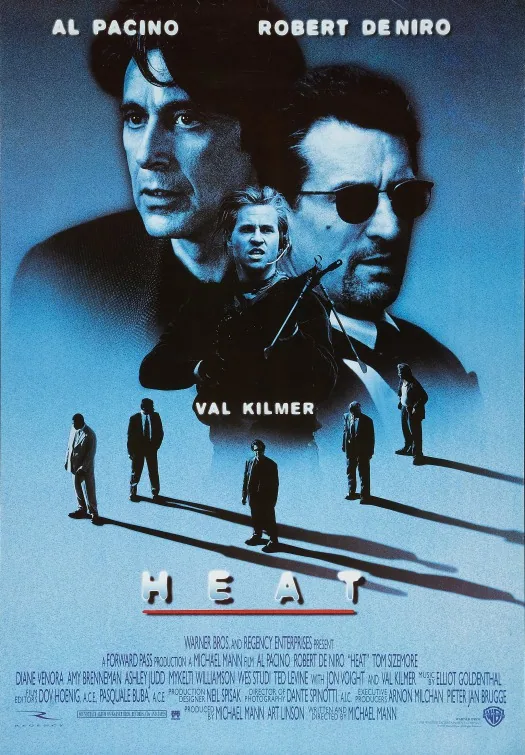
What changes Blue Collar: character-led, escalating and tragic. Heat: measured and intense.
A disciplined Los Angeles robbery crew attracts a detective whose commitment to the pursuit has already made ordinary domestic life difficult. Planning another major theft forces the crew to negotiate an unstable associate, personal attachments and the limits of their rule against becoming tied to anything they cannot abandon. Parallel attention to police and criminals reveals recognisable forms of loneliness and competence without making their opposing obligations compatible.
Based on recorded story, mood and style. Your preferences can change the order.
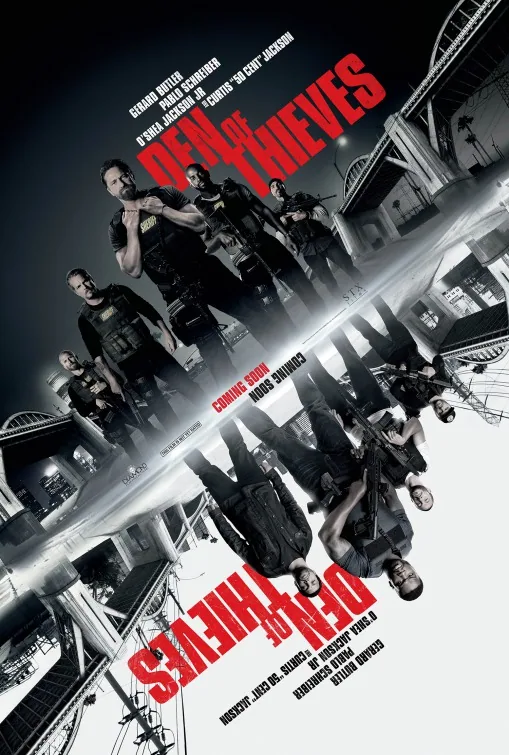
What changes Blue Collar: character-led, escalating and tragic. Den of Thieves: procedural preparation leads into an extended heist sequence.
A Los Angeles County sheriff’s elite unit investigates a crew planning a major cash-depot robbery. The pursuit becomes a contest of surveillance, tactical preparation and competing loyalties as both sides anticipate the other’s moves. Its crime drama structure gives substantial attention to the professionals’ routines and personal compromises, then organizes the climax around a carefully staged heist and the uncertainty of who has truly controlled events.
Based on recorded story, mood and style. Your preferences can change the order.
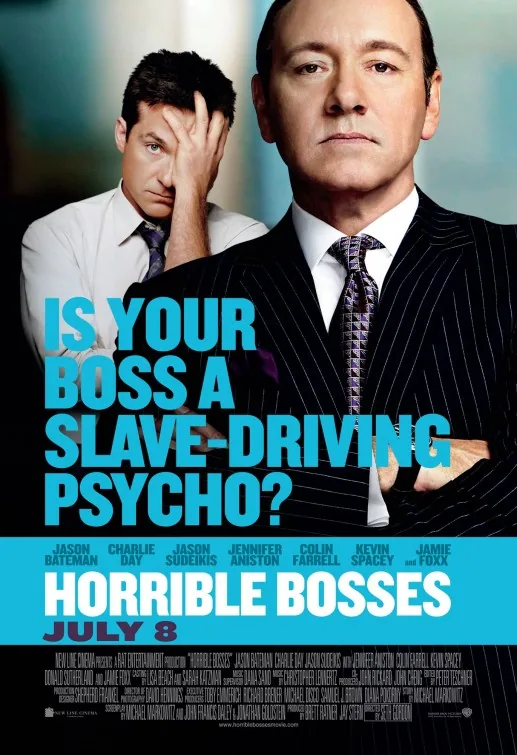
What changes Blue Collar is tagged angry and grounded; Horrible Bosses is tagged crude and darkly comic.
Three friends conclude that their workplaces would become bearable if their abusive employers disappeared. They seek advice and attempt to exchange targets, but their limited competence turns preparation into a series of misunderstandings that collide with an actual murder. Each grievance involves a different form of power, from blocked advancement to sexual coercion and reckless inheritance. The black comedy turns the fantasy of escape through crime into a problem of surviving consequences the would-be conspirators cannot manage or reliably interpret.
Both share themes of corruption, plus a tense atmosphere.
Why this matches +
Genres: Crime / Drama
Shared film traits
Based on recorded story, mood and style. Your preferences can change the order.
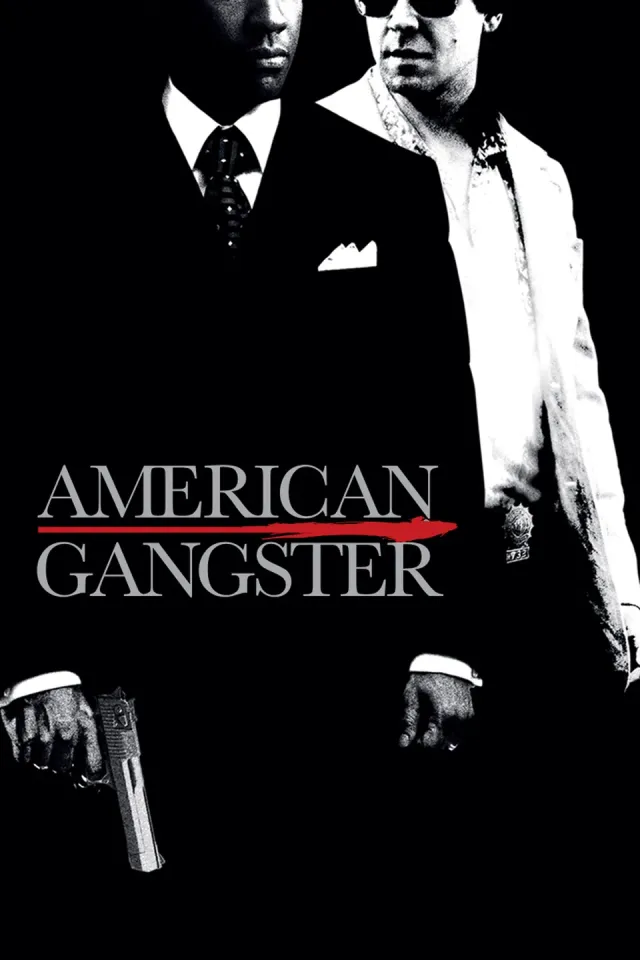
What changes Blue Collar: character-led, escalating and tragic. American Gangster: measured and epic.
A Harlem criminal builds a drug business around a supply route that bypasses established intermediaries, presenting commercial discipline as a way to rise above the disorder around him. A detective distrusted for refusing ordinary police corruption follows the network's material traces while struggling with private obligations. Their parallel careers expose a market in which entrepreneurial ambition, official authority and exploitation are entangled rather than confined to opposite sides of the law.
Based on recorded story, mood and style. Your preferences can change the order.
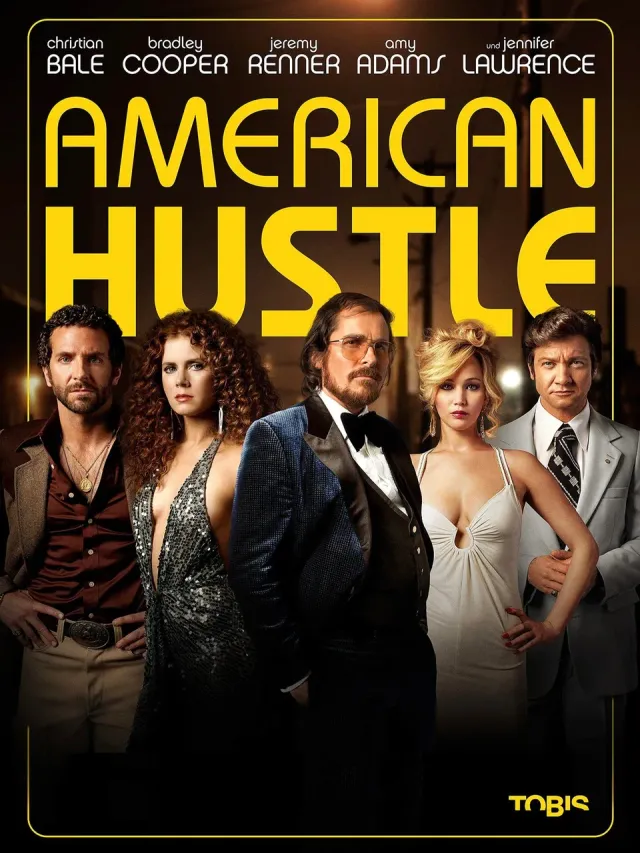
What changes Blue Collar: character-led, escalating and tragic. American Hustle: variable.
A small-time con team is caught by an ambitious federal agent and pushed into a larger corruption operation. The expanding performance draws in a politician who believes he is helping his community, while intimate jealousies threaten the carefully managed roles. Each participant's preferred story about who they are becomes leverage for someone else, making exposure as dangerous within the relationships as within the official investigation.
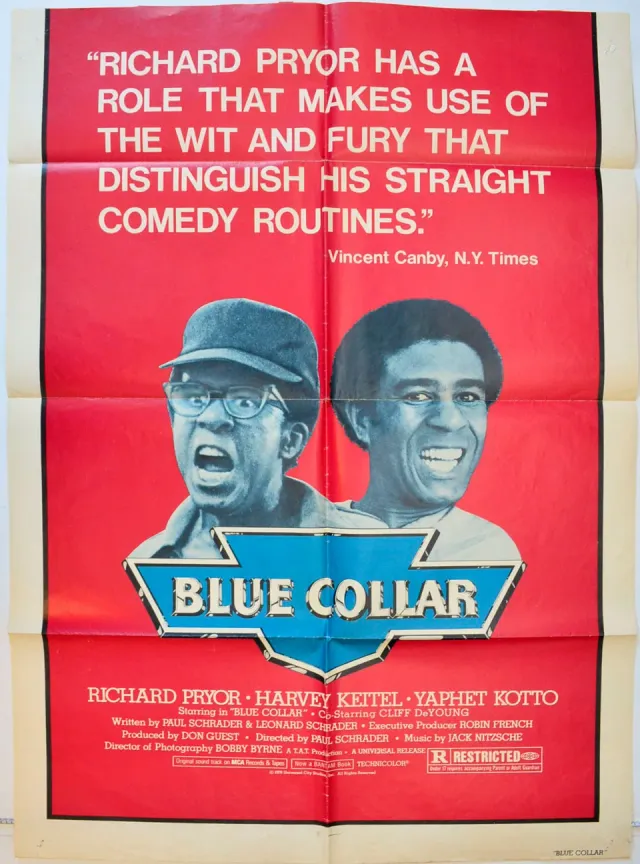
Three Detroit autoworkers—Zeke, Smokey, and Jerry—are tired of low wages and the union leadership that fails to protect them. They rob a union office looking for cash and instead discover compromising records that could expose corruption. The friends try to use the information to improve their situation, but the scheme draws the union and management into a dangerous contest. As pressure mounts, financial desperation and racial divisions strain the men's friendship and reveal how institutions can turn workers against one another.
What drives the story
Three workers turn to a risky scheme after concluding that neither management nor their union will address their exploitation.
The people at its centre
The friends begin in solidarity, but unequal pressures and mistrust make their alliance increasingly fragile.
What it feels like
The drama uses workplaces and ordinary financial concerns to give its crime plot a hard social edge.
Worth knowing
This is a labor-centered crime drama about power and solidarity, not a heist built around wealth or glamour.
WorkSolidarityCorruption
Mood
Angry · Grounded · Tense
Pacing
Character-led · Escalating · Tragic
Visual style
Industrial realism · Detroit locations · Close social observation
Storytelling
Workplace conflict · Union corruption · Heist · Friendship under pressure