Both share themes of violence, plus a grim atmosphere.
Why this matches +
Genres: Horror / Thriller
Shared film traits
Based on recorded story, mood and style. Your preferences can change the order.
Survival · Escape and pursuit
What changes Bone Tomahawk: slow journey gives way to an abrupt and violent siege. The Hills Have Eyes: relentless and escalating.
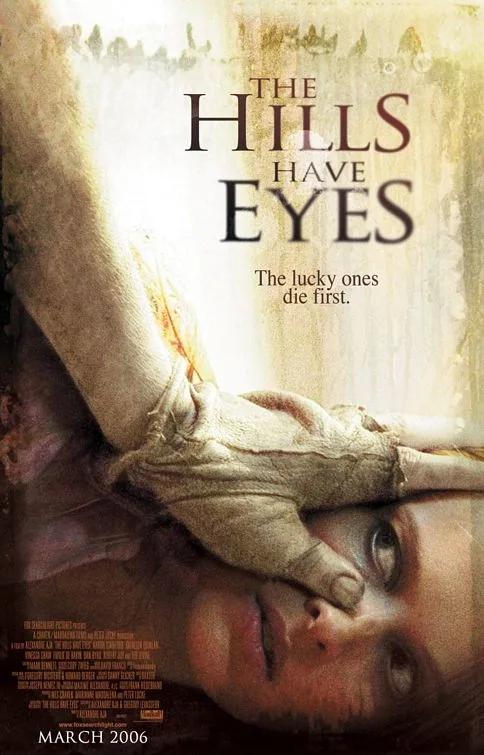
A family traveling through the desert becomes stranded after taking a route that leaves them far from help. They discover they are being watched and hunted by violent inhabitants of the surrounding hills. This horror remake turns a family road trip into siege and survival, using harsh terrain and bodily danger to strip away ordinary security.
Based on recorded story, mood and style. Your preferences can change the order.
Survival
What changes Bone Tomahawk: slow journey gives way to an abrupt and violent siege. Wrong Turn: fast and continuous chase.
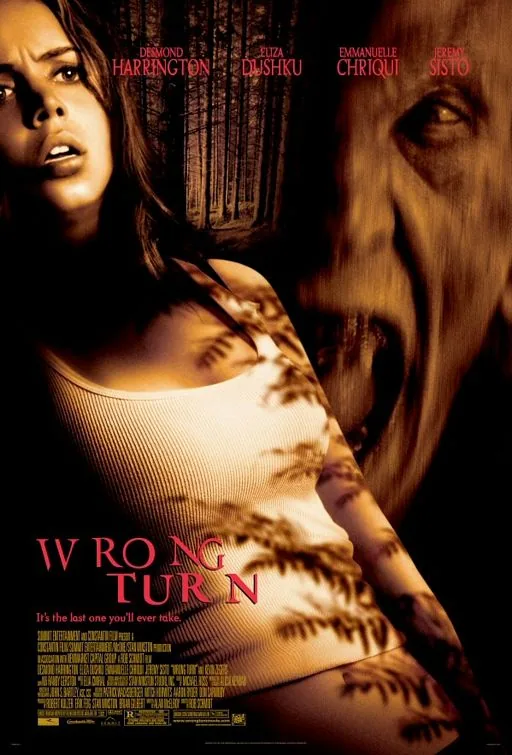
After taking an isolated road through the Appalachian hills of West Virginia, a group of young travelers become stranded and realize they are being hunted by violent men who live in the surrounding woods. With their vehicle unusable and rescue unlikely, the survivors must move through unfamiliar terrain while trying to stay quiet and protect one another. The film’s short running time and remote setting keep the threat close, using the fear of being watched and pursued to drive its slasher structure. Limited visibility and uncertain routes keep escape attempts from feeling safe. The strangers' cooperation shifts between concealment and sudden flight as the hunters close in.
Based on recorded story, mood and style. Your preferences can change the order.
Survival · Escape and pursuit
What changes Bone Tomahawk: slow journey gives way to an abrupt and violent siege. Apostle: slow-burn discovery, escalating violence and sustained suspense.
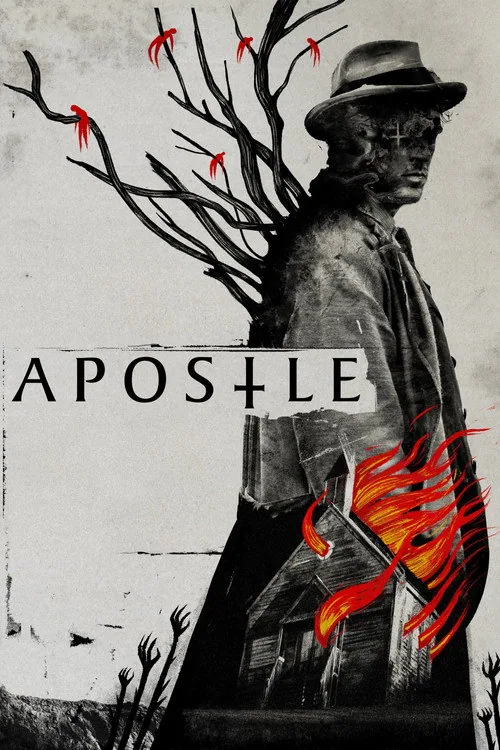
In 1905, Thomas Richardson travels to a remote Welsh island to rescue his sister, who is being held by a religious community for ransom. He infiltrates the settlement and finds a rigid social order built around its leader, a history of sacrifice, and a disturbing force tied to the island itself. The rescue mission becomes a struggle to survive as Thomas uncovers what sustains the colony and the people who control it. Gareth Evans blends period drama, cult suspense, and folk horror, delaying its supernatural revelations within an isolated setting.
Both share themes of violence, plus a brutal atmosphere.
Why this matches +
Genres: Horror / Crime
Shared film traits
Based on recorded story, mood and style. Your preferences can change the order.
Escape and pursuit
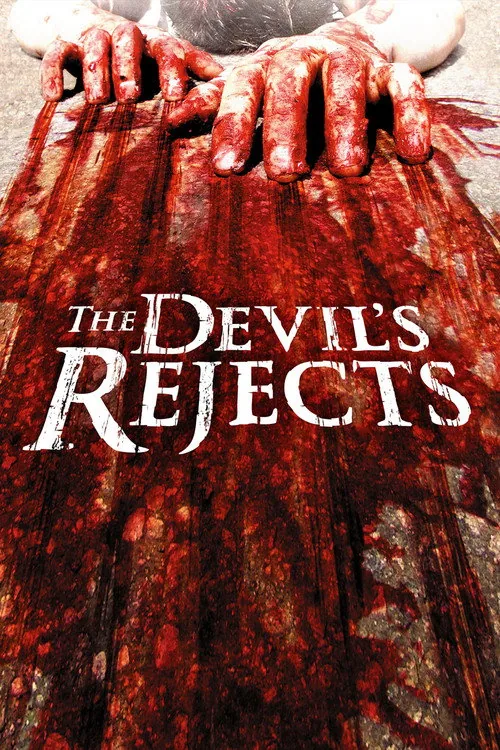
What changes Bone Tomahawk: slow journey gives way to an abrupt and violent siege. The Devil's Rejects: the sheriff’s pursuit becomes as sadistic as the fugitives’ crimes..
After police raid the Firefly family’s home, Otis and Baby escape and join Baby’s father, Captain Spaulding, while Sheriff Wydell pursues them. The fugitives take a musical group hostage and leave a trail of violence as they head toward a brothel run by an old associate. Wydell’s pursuit becomes increasingly personal after he learns that the family killed his brother, and he mirrors the cruelty he claims to punish. Rob Zombie’s road horror film turns the original villains into the story’s protagonists without softening their actions.
Based on recorded story, mood and style. Your preferences can change the order.
Survival · Escape and pursuit
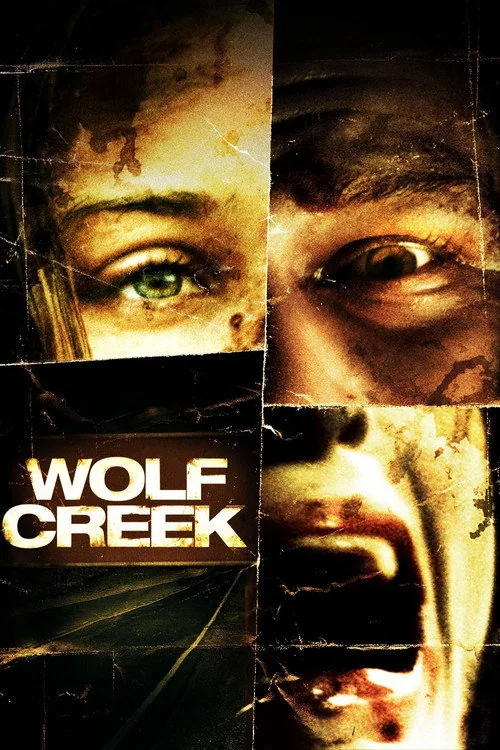
What changes Bone Tomahawk: slow journey gives way to an abrupt and violent siege. Wolf Creek: slow unease into violence, cat-and-mouse pursuit and harsh escalation.
Three young travelers—two British women and their Australian companion—are stranded after their car fails near a remote crater in the Australian outback. A local man, Mick Taylor, offers to help and takes them to an isolated mining site, where his friendliness gives way to captivity and a brutal hunt. The survivors try to escape across an immense, unforgiving landscape while the film shifts between their ordeal and the search for help. Inspired by several real crimes but fictionalized, this Australian horror film is known for severe violence and sustained menace.
Based on recorded story, mood and style. Your preferences can change the order.
Survival
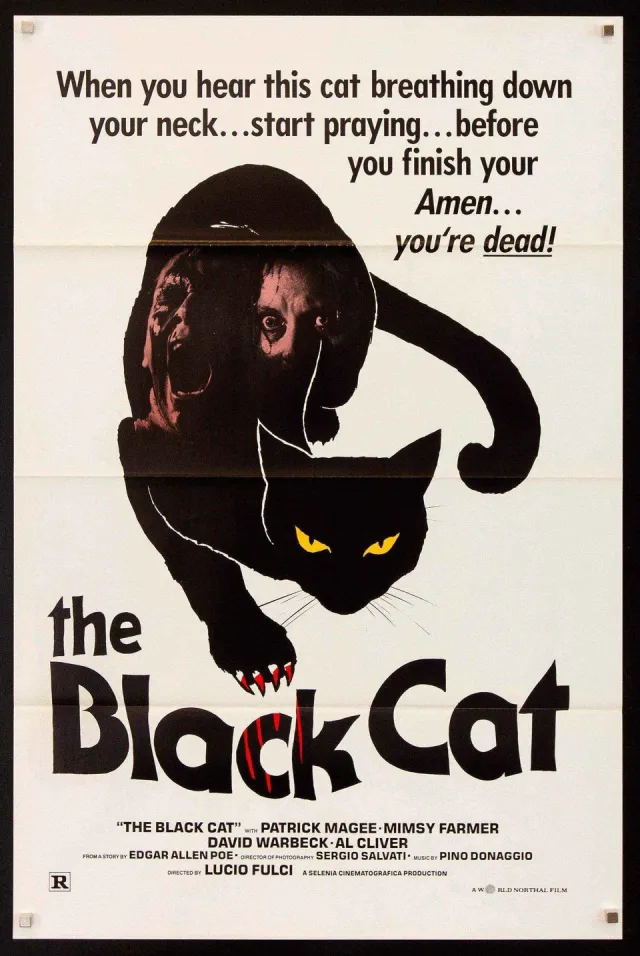
What changes Bone Tomahawk: slow journey gives way to an abrupt and violent siege. The Black Cat: mystery-led, episodic attacks, atmospheric and violent resolution.
In an English village, deaths begin to follow encounters with a black cat owned by Robert Miles, a former professor who studies the supernatural and records the voices of the dead. American photographer Jill Trevers crosses paths with the animal while investigating a crypt and becomes entangled in a series of frightening incidents. Local police attempt to connect the victims, while Miles’s belief in the cat’s power makes him both a source of knowledge and a possible threat. The film shifts between detective work, occult theory, and horror as the animal’s apparent intelligence drives the mystery forward.
Based on recorded story, mood and style. Your preferences can change the order.
Survival
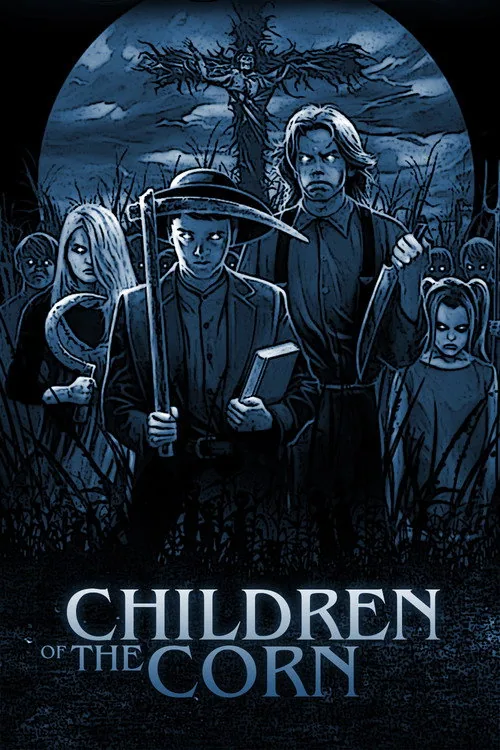
What changes Bone Tomahawk: slow journey gives way to an abrupt and violent siege. Children of the Corn: slow rural suspense, survival-driven escalation and horror set pieces.
After a failed harvest in Gatlin, Nebraska, a group of children led by Isaac Chroner forms a violent religious cult and murders the adults in town. Years later, traveling couple Burt and Vicky stop nearby after encountering a wounded boy and find themselves caught in the children's isolated world. The cornfields become both setting and source of supernatural menace as the couple tries to understand the rules that govern Gatlin. This adaptation of Stephen King's story combines rural folk horror with a survival narrative about adults facing a community where childhood has turned hostile.
Based on recorded story, mood and style. Your preferences can change the order.
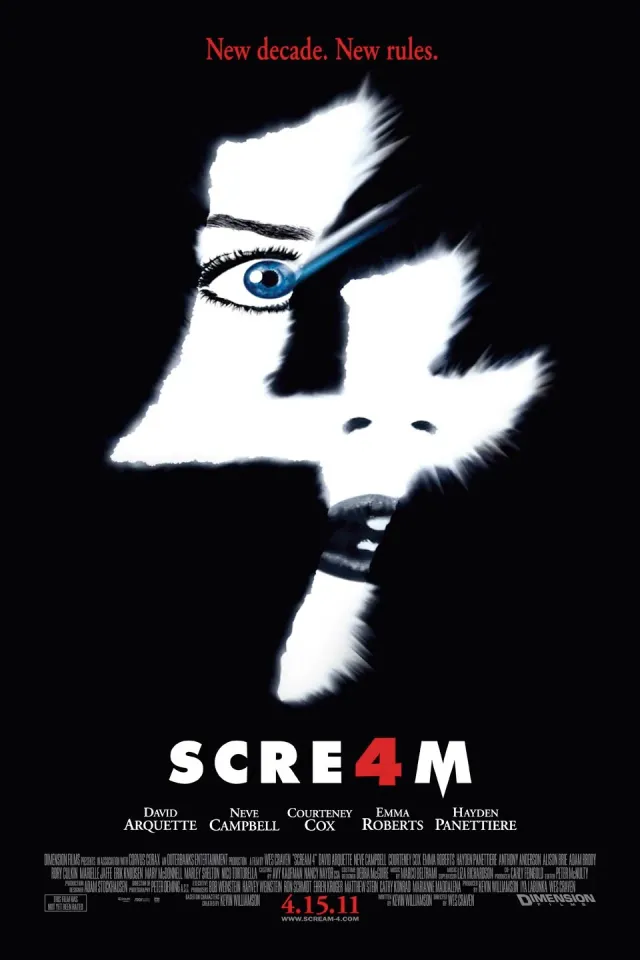
What changes Bone Tomahawk: slow journey gives way to an abrupt and violent siege. Scream 4: escalating, whodunit and reversal-driven.
Sidney Prescott returns to Woodsboro on the anniversary of the original murders to promote a self-help book, only to find new attacks that imitate the first killings. Her cousin Jill and Jill’s friends are pulled into the investigation as Dewey, now sheriff, tries to control the case and Gale investigates against his wishes. The movie repeatedly turns the murders into a performance for cameras and online attention, while the police and town struggle to tell imitation from evidence. The final revelation makes the desire for recognition itself part of the killer’s motive.
Based on recorded story, mood and style. Your preferences can change the order.
Survival · Escape and pursuit
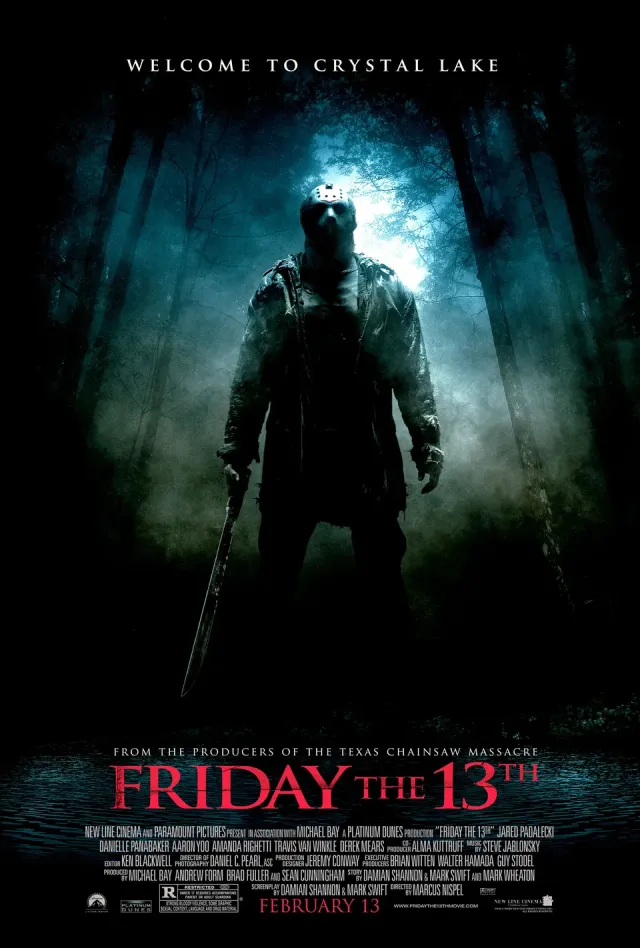
What changes Bone Tomahawk: slow journey gives way to an abrupt and violent siege. Friday the 13th: fast and escalating.
A young man searching for his missing sister reaches the Crystal Lake area as another group arrives for a recreational weekend. Their plans intersect with a territorial killer who knows the woods, paths and hiding places better than his visitors. The search gives movement through the familiar slasher setting a rescue purpose, while the vacationers' isolation supplies escalating vulnerability. This reworking combines recognizable franchise imagery with a faster, more tactical pursuer and a family relationship that extends beyond survival alone.
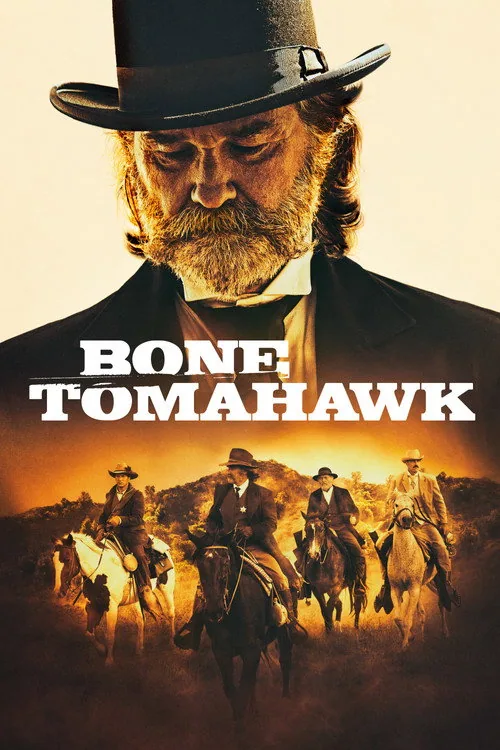
When a small frontier town’s doctor and others are abducted, Sheriff Franklin Hunt leads a rescue party into a remote valley with gunslinger John Brooder, deputy Chicory, and the injured husband Arthur O’Dwyer. Their search becomes a clash between ordinary frontier law and an isolated tribe whose violence is far beyond what the rescuers expect. S. Craig Zahler’s western gradually shifts into survival horror, with a deliberate pace and exceptionally graphic violence in its final ordeal.
What drives the story
A disappearance sends a small rescue party through dangerous terrain toward a threat the town barely understands.
The people at its centre
Hunt’s steady authority contrasts with Brooder’s aggression and Arthur’s determination to rescue his wife despite his injury.
What it feels like
The film moves from restrained western dialogue to extremely graphic body horror and should be chosen with that intensity in mind.
Worth knowing
It is a revisionist western that turns into survival horror, not a conventional gunfighter story or a historically grounded account of Indigenous communities.
RescueEnduranceViolence
Mood
Patient · Grim · Brutal
Pacing
Slow journey gives way to an abrupt and violent siege
Visual style
Arid frontier landscapes · Quiet town · Harsh cave interiors
Storytelling
Rescue expedition · Western posse · Remote cannibal tribe