Based on recorded story, mood and style. Your preferences can change the order.
Music and performance
What changes Camp Rock: fast. Bohemian Rhapsody: steady.
A young singer joins a band whose contrasting members gradually develop a distinctive sound and public identity. Creative ambition and growing fame offer personal reinvention while exposing disagreements about authorship, belonging and the demands of a shared career. As the frontman's private life becomes more difficult to reconcile with the group, a major performance creates an opportunity to recover a sense of connection without erasing the costs that preceded it.
Based on recorded story, mood and style. Your preferences can change the order.
Music and performance · Coming of age
What changes Camp Rock: fast. High School Musical: brisk.
A basketball captain and an academically successful new student discover that they enjoy singing together. Auditioning for the school musical threatens the identities their friends and teachers rely on, and an effort to steer them back into their assigned groups creates a false betrayal. When sporting, academic and theatrical commitments collide, collaboration must replace the assumption that one talent cancels another. The television musical makes romantic attraction a route into broader permission to participate without surrendering existing friendships or abilities.
Based on recorded story, mood and style. Your preferences can change the order.
Music and performance
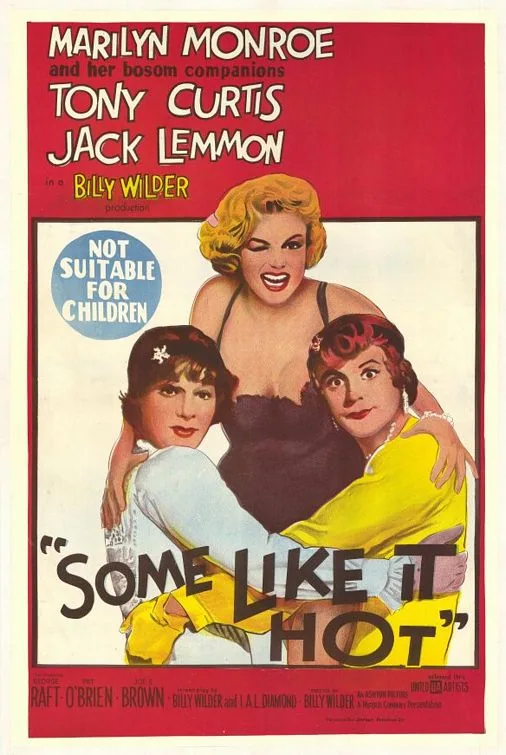
What changes Camp Rock is tagged bright and hopeful; Some Like It Hot is tagged humorous and energetic.
Two Chicago musicians witness a gangland killing and escape by disguising themselves as women to join a touring female band. On arrival in Florida, one invents a second identity to court the singer, while the other attracts the attention of a persistent millionaire. Maintaining safety and romantic opportunity becomes increasingly difficult as the deceptions multiply and the gangsters unexpectedly re-enter the same social world.
Based on recorded story, mood and style. Your preferences can change the order.
Music and performance
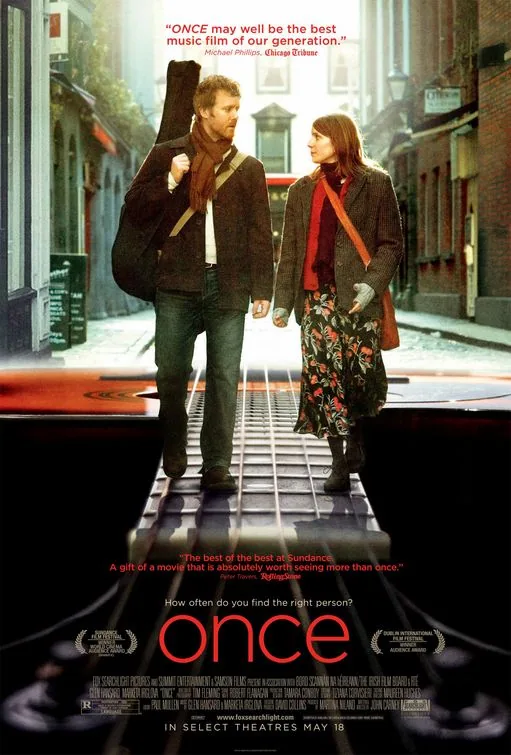
What changes Camp Rock: fast. Once: gentle and song-linked.
A Dublin street musician meets a Czech immigrant who recognizes his songs and encourages him to record them. Their collaboration creates a brief, emotionally close partnership shaped by music, practical responsibilities and lives that are already committed elsewhere. The independent musical keeps performance and everyday labor intertwined, using original songs not as decorative breaks but as the language through which two people express feelings they cannot comfortably turn into a conventional romance.
Based on recorded story, mood and style. Your preferences can change the order.
Music and performance
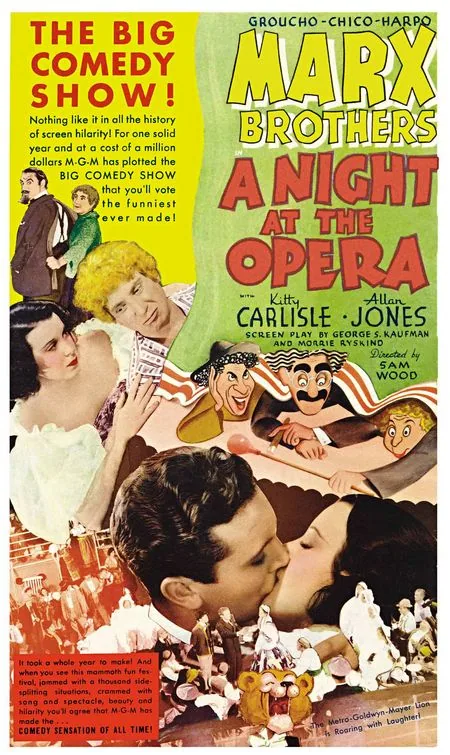
What changes Camp Rock is tagged bright and hopeful; A Night at the Opera is tagged humorous and anarchic.
An opportunistic business manager, an eccentric broker, and an aspiring singer become entangled with an opera company whose prestigious tenor is keeping a younger rival from success. Their passage to New York turns professional access into a series of impersonations and disruptions. Helping the excluded singer requires making the supposedly respectable institution temporarily unworkable, with friendship and musical talent emerging through the disorder rather than through obedience to its hierarchy.
Both centre on performance ambition and status deception.
Why this matches +
Genres: Comedy / Music
Shared film traits
Based on recorded story, mood and style. Your preferences can change the order.
Music and performance
What changes Camp Rock: fast. School of Rock: steady.
A guitarist expelled from his band impersonates his flatmate to take a substitute teaching job at a strict private school. Discovering musical ability among his pupils, he secretly turns lessons into rehearsals for a band competition. What begins as a way to recover his own status becomes an effort to help children challenge restrictive expectations, while the deception threatens the trust allowing their confidence to grow.
Both centre on performance ambition and coming-of-age friendship.
Why this matches +
Genres: Family / Musical
Shared film traits
Based on recorded story, mood and style. Your preferences can change the order.
Coming of age
What changes Camp Rock: fast. Camp Rock 2: The Final Jam: song-driven and steady.
Mitchie and her friends return to Camp Rock and discover a competing music camp has opened across the lake. As the camps prepare for a televised final jam, rivalries and friendships complicate the performances. Paul Hoen's Disney Channel musical sequel centers teamwork, young ambition and the pleasures of staging songs together, with camp competition providing the frame for its ensemble story.
Based on recorded story, mood and style. Your preferences can change the order.
What changes Camp Rock: fast. I Can Do Bad All by Myself: character-led and gradual.
A nightclub singer who has tried to avoid responsibility finds three young relatives alone after their grandmother dies and is asked to care for them. Their arrival disrupts her routine and draws her into the family’s practical needs, while neighbors offer support and challenge her assumptions. The musical drama places adult self-sufficiency beside caregiving, allowing songs and domestic scenes to frame a change that depends on repeated choices rather than a single confession.
Based on recorded story, mood and style. Your preferences can change the order.
Music and performance
What changes Camp Rock: fast. La La Land: measured.
An aspiring actress and a jazz pianist meet while navigating service work, failed opportunities and incompatible ideas of artistic success in Los Angeles. Their romance gives each the encouragement to continue, but the work that moves them forward also creates distance. Seasonal shifts, songs and imagined possibilities follow the changing relationship between devotion to another person and the identities they hope to build through art.
A teenager gains access to an expensive music camp because her mother takes a catering job there, then conceals that arrangement to fit in with wealthier peers. A troubled young celebrity searching for an unidentified singing voice complicates the status hierarchy and her hopes of being heard. Maintaining the invented social story threatens the friendships and confidence that would make musical recognition worth having in the first place.
What drives the story
An aspiring singer's concealed route into an elite camp turns belonging into a performance that must be abandoned before her actual voice can be recognized.
The people at its centre
Mitchie's need for peer acceptance conflicts with loyalty to her mother and a friendship offered on less competitive terms, while Shane seeks sincerity beyond his own public persona.
What it feels like
Bright ensemble songs and accessible social setbacks produce a reassuring youth performance story whose conflicts are resolved through honest recognition more than sustained professional struggle.
Worth knowing
Compare class embarrassment obstructing authentic participation in a music community, rather than treating talent discovery as proof that institutional access or family labor never mattered.