The unfinished memoir is both paid work and evidence: each revision brings the writer closer to the reason his predecessor died.
Why this matches +
These offer a related experience with a meaningful difference in story, tone, or presentation.
An adjacent discovery: a related idea with a different viewing experience.
Genres: Crime / Drama
Shared film traits
Based on recorded story, mood and style. Your preferences can change the order.
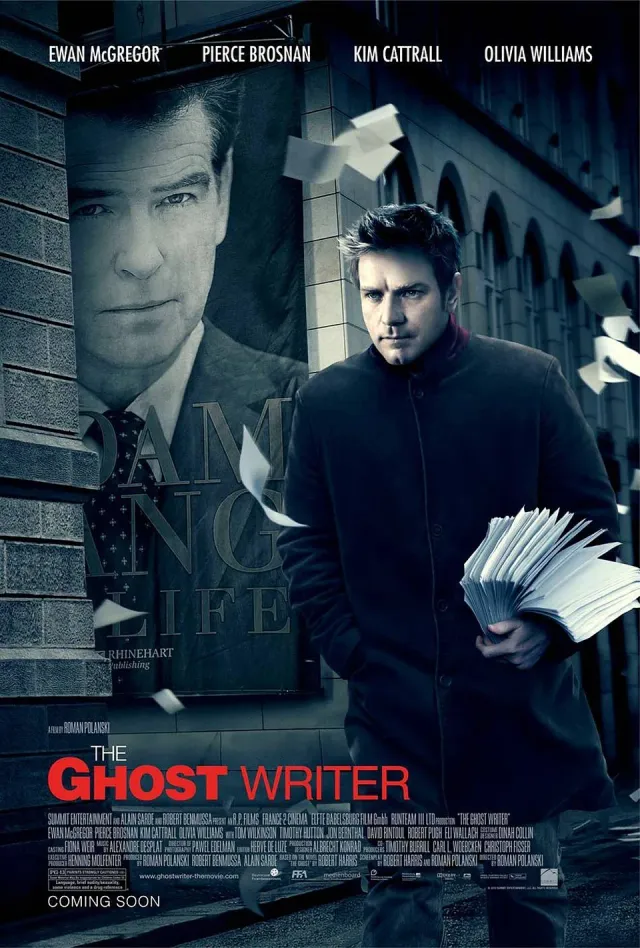
What changes The Ghost Writer follows a writer whose research into a powerful subject exposes uncomfortable truths, using political conspiracy rather than a historical true-crime book.
A professional ghostwriter accepts the job of finishing the memoir of former British prime minister Adam Lang after his predecessor dies under suspicious circumstances. At Lang’s isolated coastal residence, the writer works through the manuscript, watches the politician’s public defense against accusations of war crimes and notices clues hidden in the previous draft. As he investigates, the assignment becomes dangerous and he must decide whether publishing the truth is worth the risk. The film turns a literary job into a political mystery, using the writer’s outsider status and the limits of what he can verify to sustain unease.
Bundy faces charges and trials while Liz watches from outside the criminal proceedings.
Why this matches +
These offer a related experience with a meaningful difference in story, tone, or presentation.
An adjacent discovery: a related idea with a different viewing experience.
Genres: Crime / Drama
Shared film traits
Based on recorded story, mood and style. Your preferences can change the order.
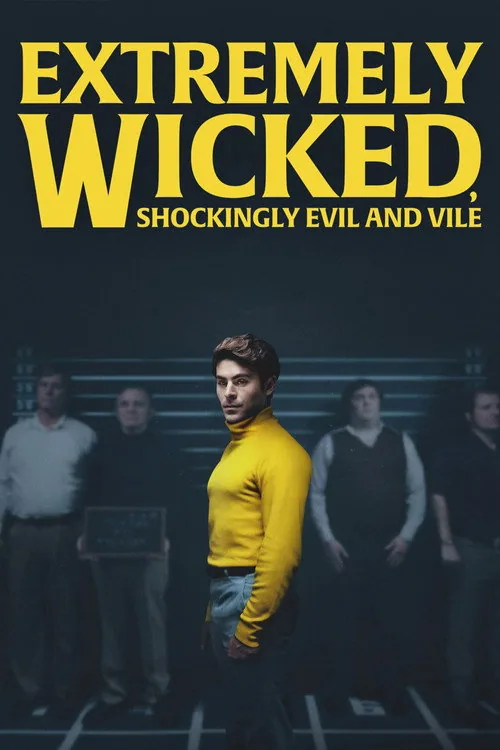
What changes Extremely Wicked, Shockingly Evil and Vile portrays a real murder case through a close relationship to the accused, shifting the ethical perspective from a writer and his source to a partner confronting allegations.
In late-1960s Seattle, law student Ted Bundy begins a relationship with single mother Liz Kendall and becomes part of her family life. As reports of murders spread and Bundy is arrested, tried, and convicted, Liz struggles to reconcile the attentive man she knew with the evidence and escalating legal cases. Joe Berlinger’s drama largely follows events through Liz’s perspective, showing the public spectacle around Bundy and her long uncertainty without centering the victims’ experiences. The film is a dramatization of a real criminal case, not a documentary record.
A prosecutor's calculated leak becomes a damaging public accusation once a reporter turns it into a story.
Why this matches +
These offer a related experience with a meaningful difference in story, tone, or presentation.
An adjacent discovery: a related idea with a different viewing experience.
Genres: Drama / Crime
Shared film traits
Based on recorded story, mood and style. Your preferences can change the order.
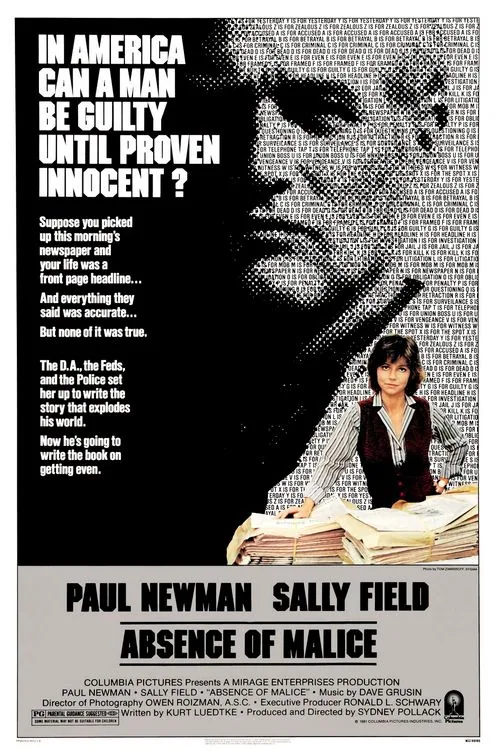
What changes Absence of Malice examines how reporting a criminal investigation affects the people it portrays, using a journalist's damaging publication rather than Capote's relationship with an imprisoned source.
A prosecutor leaks information that makes liquor wholesaler Michael Gallagher look connected to a murder, and journalist Megan Carter publishes the allegation without knowing how it was planted. The false story damages Gallagher's relationships and exposes the conflict between investigative ambition and due process. As the people involved try to correct the record, the film examines how an official whisper can become public truth before anyone accepts responsibility.
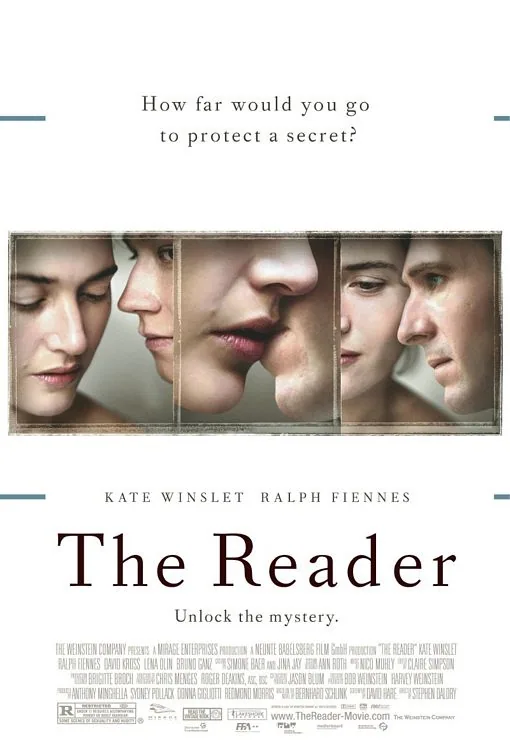
A teenage affair resurfaces in a war-crimes trial, forcing Michael to reconcile private memory with Hanna's public culpability and concealed shame.
Why this matches +
These offer a related experience with a meaningful difference in story, tone, or presentation.
An adjacent discovery: a related idea with a different viewing experience.
Genres: Drama / Romance
Shared film traits
Based on recorded story, mood and style. Your preferences can change the order.
What changes The Reader follows an intimate relationship shadowed by a later criminal trial and the difficulty of judging another person's past, with a fictional postwar story rather than a writer's access to a killer.
In 1958, fifteen-year-old Michael Berg begins a secret relationship with Hanna Schmitz, an older tram conductor who asks him to read aloud to her. Hanna disappears without explanation; years later, Michael sees her among former Nazi camp guards on trial for the deaths of prisoners during a death march. As a law student observing the proceedings, he recognizes details from their relationship and learns that shame about illiteracy is shaping how Hanna responds to the court. The revelation complicates Michael's memory of the affair without erasing the power imbalance or Hanna's crimes. He later records books for her in prison, but the connection remains defined by what he cannot say. The film links intimacy, literacy and postwar responsibility through one man's long, conflicted recollection.
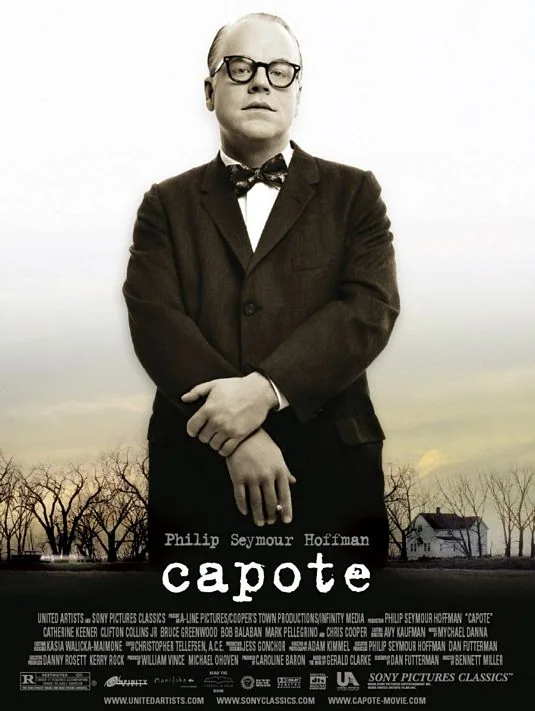
After reading about the Clutter family murders, Truman Capote travels to Kansas with Harper Lee to research a book that will become In Cold Blood. His access to the imprisoned Perry Smith depends on attention, empathy and the promise of a future narrative, even as the writer's ambition requires turning private conversations into material. The film follows that ethical dependency through delay and execution, but its dramatic account cannot verify every private motive or exchange between the historical people it portrays. The closer Capote becomes to Smith, the harder it is to separate affection from access.
What drives the story
A writer's effort to produce nonfiction depends on access to a prisoner whose story he is shaping, so the book's completion becomes entangled with the human cost of narrative closure. The relationship cannot be separated from its endpoint.
The people at its centre
Harper Lee provides companionship and a steadier counterpoint, while Capote's rapport with Smith contains genuine feeling and unequal instrumental need. The film leaves that contradiction unresolved rather than presenting a verified account of their private motives.
What it feels like
Restrained performances and patient research build tension through proximity, withholding and the approaching endpoint rather than a conventional crime investigation. Conversations accumulate pressure instead of delivering a simple confession.
Worth knowing
Compare authorship shaped by access and dependency, not a verified transcript of historical interior life. The film's ethical argument is itself a dramatization.
AmbitionExploitationTruth
Mood
Restrained · Uneasy · Corrosive
Pacing
Slow burn
Visual style
Muted interiors · Intimate portraiture
Storytelling
Nonfiction research · Prisoner dependency · Delayed narrative closure