Based on recorded story, mood and style. Your preferences can change the order.
Investigation
What changes Confessions: chaptered, escalating and revelation-driven. Elephant: fragmented and understated.
Over the course of an ordinary school day, the film follows several students through corridors, classrooms and small social encounters before their paths converge in a sudden act of violence. It offers fragments rather than a conventional explanation, shifting perspective and revisiting moments with little interpretive guidance. The restrained surface makes routine detail unsettling, while its refusal to simplify causation leaves space for difficult questions.
Based on recorded story, mood and style. Your preferences can change the order.
Memory and identity · Investigation
What changes Confessions: chaptered, escalating and revelation-driven. Luckiest Girl Alive: alternating timelines, psychological pressure and confrontational resolution.
Ani FaNelli appears to have a perfect life as a successful New York magazine writer preparing for an affluent wedding. A documentary producer asks her to revisit a school shooting she survived, reopening memories she has carefully shaped into a polished public identity. The drama moves between Ani's present and her teenage years as the past collides with a private version of events that no longer holds. Her struggle is less about reputation than about confronting trauma and choosing how to tell her own story.
Based on recorded story, mood and style. Your preferences can change the order.
Memory and identity · Investigation
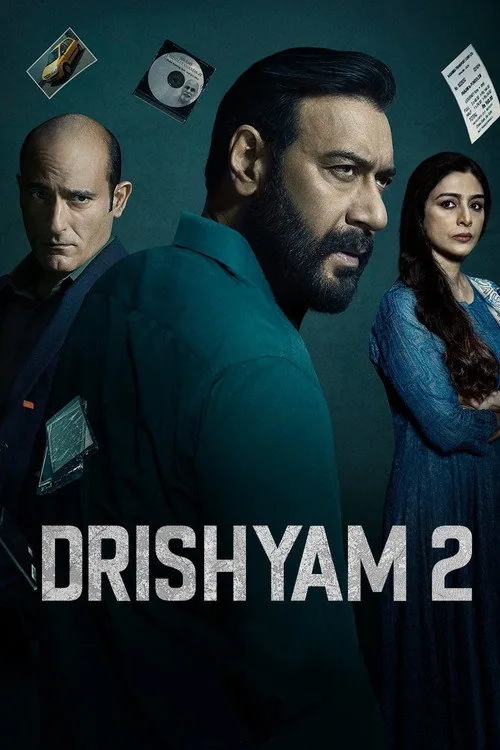
What changes Confessions: chaptered, escalating and revelation-driven. Drishyam 2: quiet aftermath, investigative tightening and courtroom and revelation-driven finale.
Seven years after a murder and an elaborate cover-up, Vijay Salgaonkar has built a comfortable life while his family still carries the emotional consequences of what happened. A released prisoner remembers seeing Vijay near a construction site and gives the police a new lead, reviving the case and drawing the family into renewed questioning. Vijay again uses his knowledge of crime stories and carefully prepared contingencies to protect them, turning the investigation into a contest of evidence, memory, and anticipatory planning.
Based on recorded story, mood and style. Your preferences can change the order.
What changes Confessions: chaptered, escalating and revelation-driven. Promising Young Woman: controlled and escalating confrontation.
A former medical student spends her nights confronting men who mistake her apparent intoxication for an opportunity. Her ritual is tied to an assault that devastated her closest friend and to the people who dismissed it. A possible new romance briefly opens another future, but renewed contact with the past pushes her toward more targeted confrontations, placing private grief against institutions and social circles invested in forgetting.
Based on recorded story, mood and style. Your preferences can change the order.
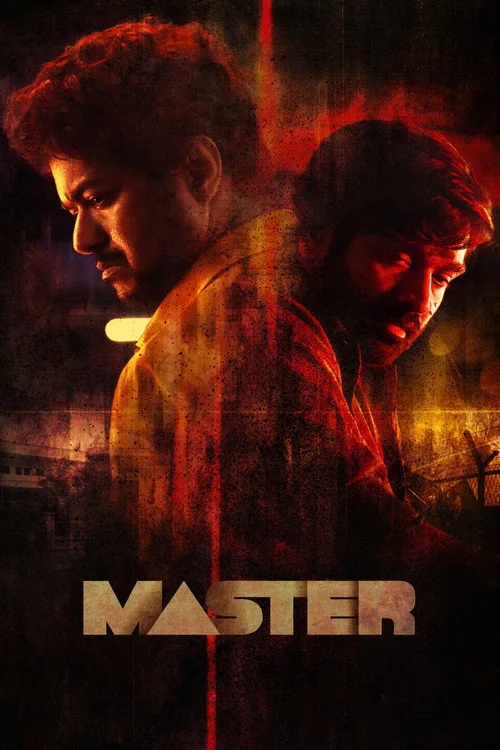
What changes Confessions: chaptered, escalating and revelation-driven. Master: star-driven, action-heavy and rising confrontation.
Lecturer John Durairaj, known to students as J.D., is sent to teach at a juvenile detention facility after a dispute at his college. There he encounters Bhavani, a feared criminal who grew powerful by exploiting the institution and coercing incarcerated boys into taking blame for his crimes. J.D.’s informal teaching style and troubled personal habits collide with a system defined by violence and corruption. Lokesh Kanagaraj’s Tamil action drama builds its confrontation around the responsibility adults have toward vulnerable young people.
Based on recorded story, mood and style. Your preferences can change the order.
Investigation
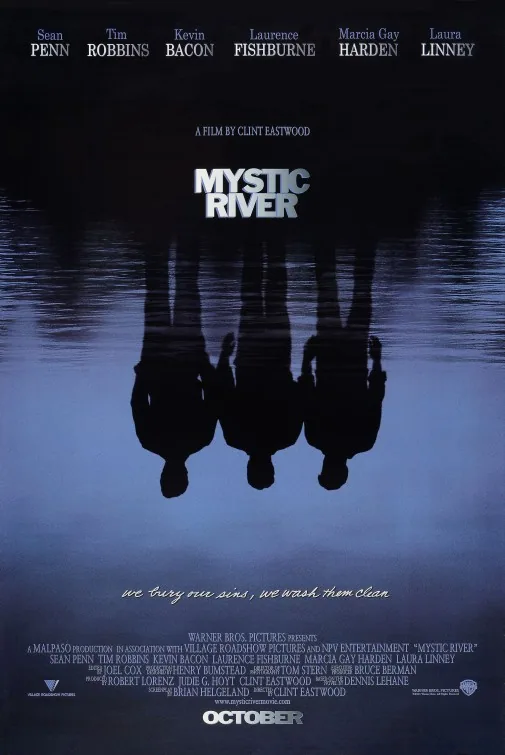
What changes Confessions: chaptered, escalating and revelation-driven. Mystic River: slow burn.
The murder of a young woman reconnects three Boston men whose childhood friendship was fractured by one boy's abduction and abuse. One is now the victim's father, another a police investigator, and the third returns home injured on the night she dies. Their different responses to grief and remembered vulnerability produce competing accounts of what happened, while neighbourhood loyalties turn suspicion into a force that can outrun evidence.
Based on recorded story, mood and style. Your preferences can change the order.
Memory and identity · Investigation
What changes Confessions: chaptered, escalating and revelation-driven. Dream House: gradual unease and reframes information over time.
Publisher Will Atenton leaves his New York job and moves his wife and two daughters to a quiet Connecticut home, hoping to give them a calmer life. He learns that the previous residents were killed there and begins investigating the history as unsettling events disrupt the family’s sense of safety. Jim Sheridan’s psychological thriller places domestic comfort beside suspicion, using a father’s search for answers and the apparent boundaries between memory and present danger to shape its tension. The story is best approached without advance knowledge of its turns.
Both share themes of justice, plus a suspenseful atmosphere.
Why this matches +
Genres: Thriller / Drama
Shared film traits
Based on recorded story, mood and style. Your preferences can change the order.
Power and authority · Investigation
What changes Confessions: chaptered, escalating and revelation-driven. Body of Evidence: legal argument and erotic entanglement intensify together as each new disclosure shifts suspicion.
After wealthy businessman Andrew Marsh dies during an erotic encounter, his lover Rebecca Carlson becomes the chief suspect because she stands to inherit his fortune. Defense attorney Frank Dulaney believes her denials and takes her case against prosecutor Robert Garrett. While the trial unfolds, Frank and Rebecca begin a secret relationship that compromises his judgment and endangers his marriage. Testimony about Rebecca’s past brings new doubts about her dealings with wealthy partners. The case turns into a contest over how much of Rebecca’s private life can prove motive, leaving Frank to separate his attraction from the evidence he is meant to assess.
Based on recorded story, mood and style. Your preferences can change the order.
Investigation
What changes Confessions: chaptered, escalating and revelation-driven. It Was Just an Accident: journey-based and building tension.
A mechanic believes he has recognized the former prison official who tortured him, identified by the sound of a prosthetic leg. Unable to be certain, he turns to other former detainees, and each person's reaction complicates the decision about what should happen next. Jafar Panahi builds a tense moral road story from doubt, memory and revenge, asking how people carry the past when legal accountability remains uncertain.
Before leaving her junior high school, teacher Yuko Moriguchi addresses her class about her daughter’s death in the school swimming pool. She says two of the students in the room were responsible and describes a deliberate response to what she sees as a failure of the justice system. The class breaks into shifting reactions as the students’ histories emerge through testimony, memory and flashback. Tetsuya Nakashima’s thriller turns school routines into a stage for revenge, guilt and contested ideas of responsibility.
What drives the story
A teacher’s final address sets a chain of reactions in motion as the class and its families uncover what led to a child’s death.
The people at its centre
Yuko’s controlled public statement confronts two students whose separate motives and family lives reshape the class’s response.
What it feels like
The film layers competing accounts and dramatic visual style into a tense study of revenge and the consequences of adolescent violence.
Worth knowing
Its story is organized as a teacher’s retaliatory lesson and shifting testimony, rather than a whodunit that hides the culprit.