Based on recorded story, mood and style. Your preferences can change the order.
Family and care · Mental health
What changes Cuckoo: slow burn, fragmentary and abrupt escalation. The New Daughter: slow-building, escalating and mystery-driven.
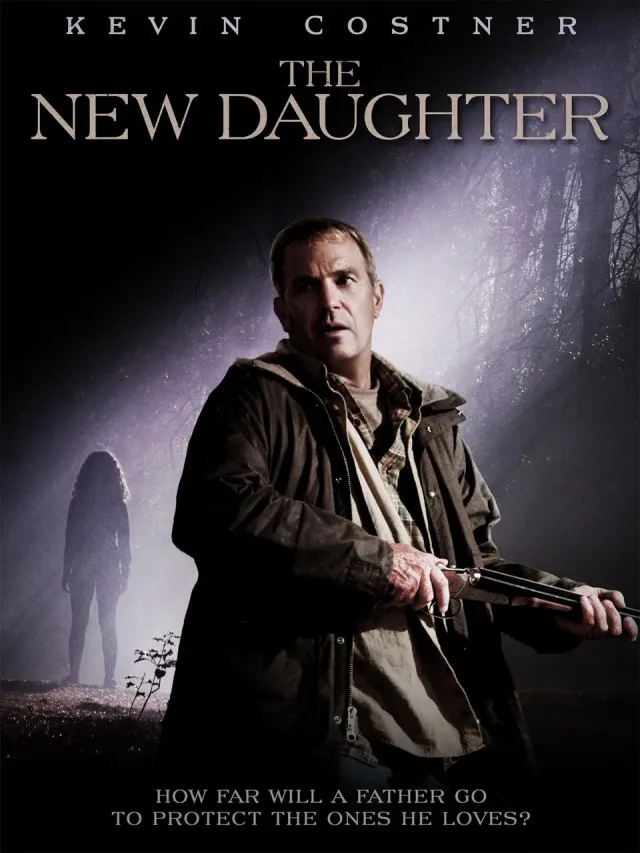
Recently divorced novelist John James moves with his teenage daughter Louisa and young son Sam into an isolated South Carolina home with a troubling history. The children discover a large mound in the nearby fields, and Louisa becomes increasingly drawn to it as strange signs appear around the house. John investigates the mound and the disappearance of a former resident’s daughter, but his search makes the family’s danger harder to dismiss. The horror story follows a father trying to protect his children while confronting a force that may be changing Louisa.
Based on recorded story, mood and style. Your preferences can change the order.
What changes Cuckoo: slow burn, fragmentary and abrupt escalation. Old: compressed and escalating.
A family on vacation follows a resort recommendation to a secluded beach, where their bodies begin aging at an impossible speed. The guests attempt to piece together what is happening while illness, family secrets and physical changes complicate their efforts to leave. M. Night Shyamalan uses the single location as a pressure chamber, turning time into a visible threat and blending mystery with body horror and family drama.
Both share themes of grief and perception, plus an uneasy atmosphere.
Why this matches +
Genres: Horror / Thriller
Shared film traits
Based on recorded story, mood and style. Your preferences can change the order.
Family and care · Mental health
What changes Cuckoo: slow burn, fragmentary and abrupt escalation. The Twin: slow-burn, gradually unsettling, mystery-driven and climactic.
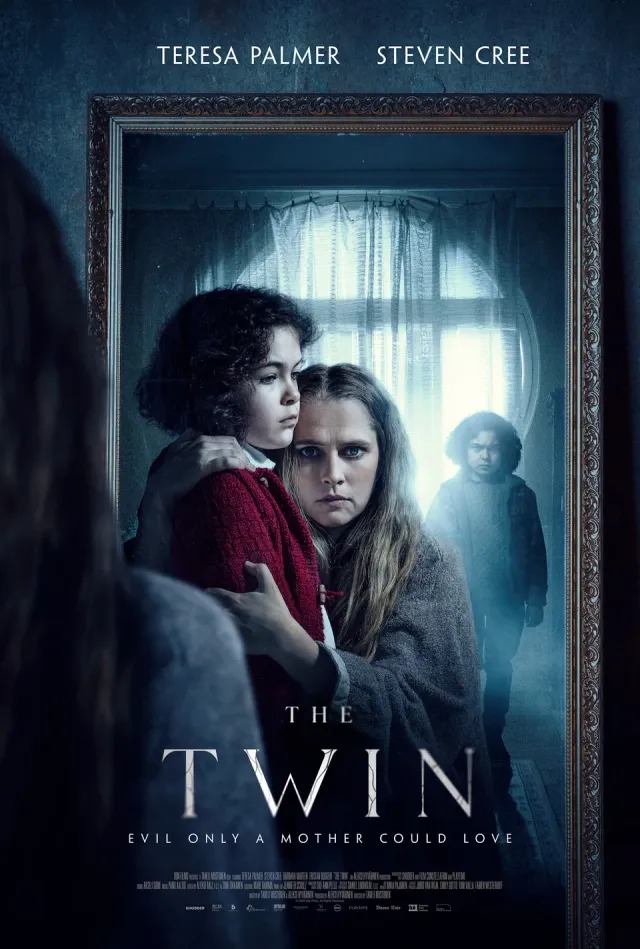
After losing one of their twin sons, Rachel and Anthony move with their surviving child to Finland, hoping distance will help the family grieve. Elliot begins speaking of his dead brother and behaving in ways Rachel cannot explain. As she searches for answers, the welcoming community offers a spiritual explanation that complicates her trust in her own perceptions. The film develops maternal grief into a supernatural story about family, belief and the temptation to trade uncertainty for certainty.
Based on recorded story, mood and style. Your preferences can change the order.
Investigation
What changes Cuckoo: slow burn, fragmentary and abrupt escalation. A Tale of Two Sisters: slow-building dread, domestic conflict and late psychological revelations.
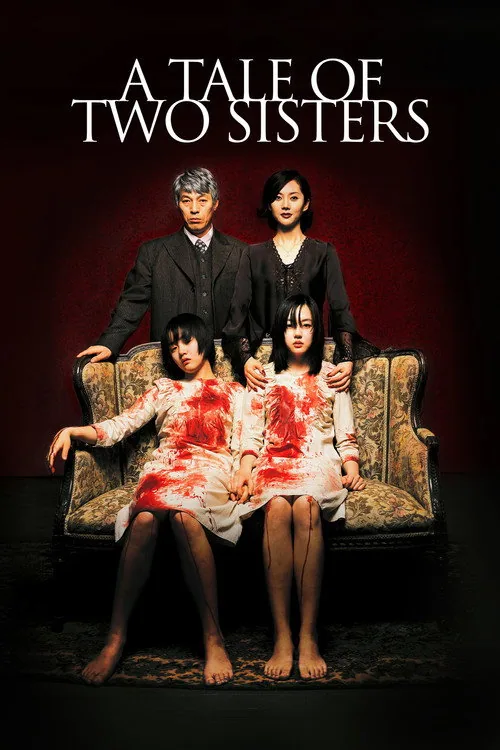
After leaving a mental health facility, teenager Su-mi returns to her family’s secluded country home with her younger sister Su-yeon. Their father’s new wife, Eun-joo, creates an atmosphere of conflict, while strange events and unsettling memories complicate the sisters’ return. Kim Jee-woon’s South Korean psychological horror draws on a traditional folktale but uses domestic spaces, family tension, and carefully shifting perspective to build its mystery. The story contains traumatic family conflict and is best approached without plot spoilers.
Based on recorded story, mood and style. Your preferences can change the order.
Investigation
What changes Cuckoo: slow burn, fragmentary and abrupt escalation. Lee Cronin's The Mummy: mystery-led and gradual revelation.
A family is shaken when their missing daughter returns from the desert after eight years, bringing an unsettling mystery home. The film approaches the mummy legend through a family horror story, using absence, reunion and fear of what has returned to build tension. A long-awaited homecoming offers hope but also unsettles familiar relationships, making grief and uncanny change inseparable inside the household.
Based on recorded story, mood and style. Your preferences can change the order.
Investigation
What changes Cuckoo: slow burn, fragmentary and abrupt escalation. Mama: slow-building and escalating menace.
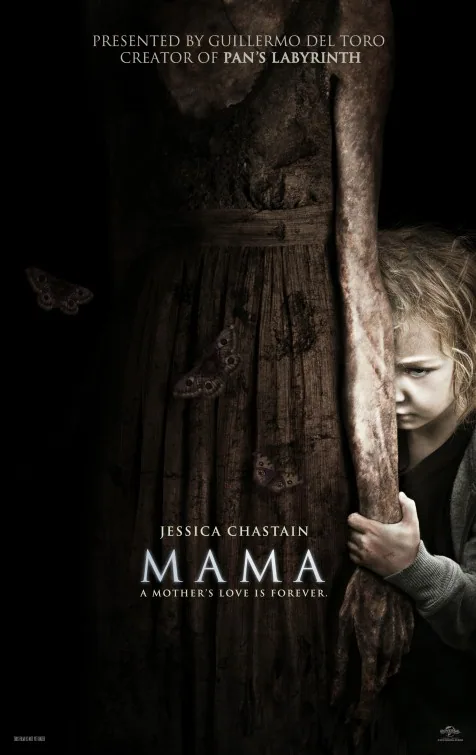
Two sisters are discovered alive after years in an isolated cabin and are placed with their uncle and his reluctant partner. Their adjustment is disturbed by an unseen maternal presence that appears to have protected them. As the adults investigate the children's past, ordinary caregiving becomes entangled with supernatural jealousy, and the sisters' different attachments make the idea of returning home increasingly complicated.
Based on recorded story, mood and style. Your preferences can change the order.
Investigation
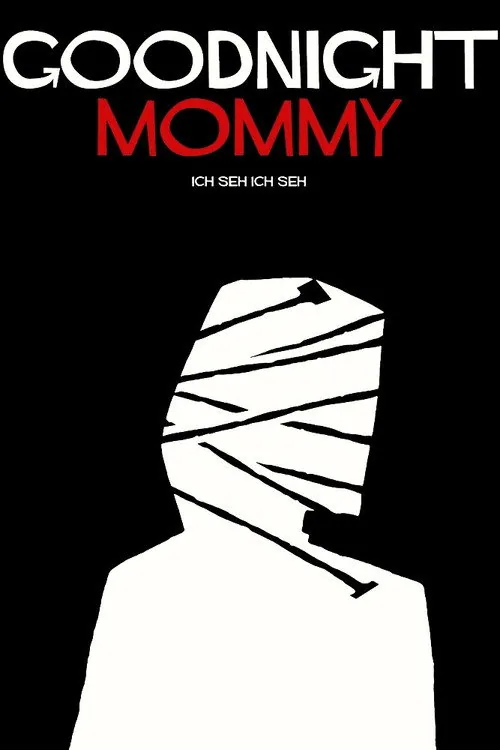
What changes Cuckoo: slow burn, fragmentary and abrupt escalation. Goodnight Mommy: slow-burn unease, repeated domestic routines and gradual mystery escalation.
After their mother returns from facial surgery with her head covered in bandages, twin boys Elias and Lukas find her behavior strangely distant and severe. The family lives in an isolated modern house, where closed blinds, rules about silence, and a widening gap between the brothers and their mother create a tense domestic mystery. Their suspicions grow as small inconsistencies accumulate and the children try to determine whom they can trust. This Austrian psychological horror film relies on restraint, repetition, and the twins' limited point of view rather than frequent shocks.
Based on recorded story, mood and style. Your preferences can change the order.
Investigation
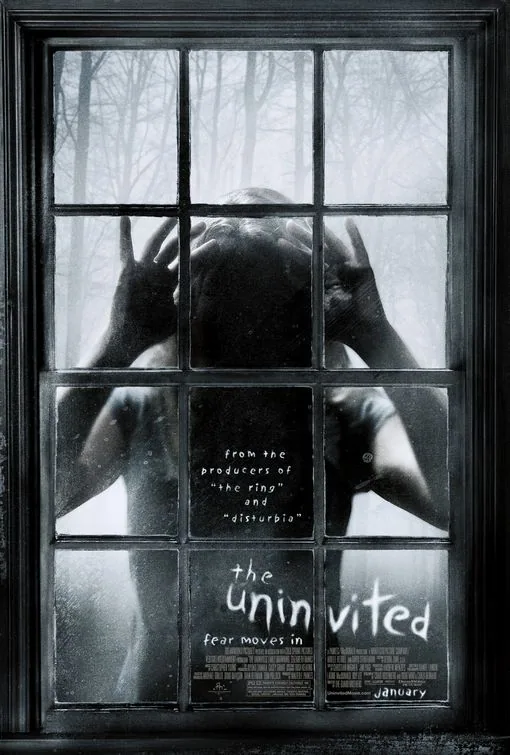
What changes Cuckoo: slow burn, fragmentary and abrupt escalation. The Uninvited: slow-building and revelation-led.
After leaving a psychiatric facility, a teenager returns home to live with her father and his new partner, while troubling events and memories complicate her sense of safety. Her sister supports her suspicions, but the household’s version of the past does not match what the girls remember. The horror remake uses family grief and uncertain recollection to build a mystery in which the apparent supernatural threat may be tied to a more intimate betrayal.
Both share themes of grief, plus an ominous atmosphere.
Why this matches +
Genres: Horror / Thriller
Shared film traits
Based on recorded story, mood and style. Your preferences can change the order.
Family and care · Investigation
What changes Cuckoo: slow burn, fragmentary and abrupt escalation. The Other Side of the Door: slow-burn, escalating and climactic.
Maria and Michael, a British couple living in India, are grieving their young son Oliver after a fatal accident. Maria learns of a ritual at an abandoned temple that is said to let a bereaved person speak once more with the dead. She is warned not to open the door separating the living from the dead, but her encounter with Oliver draws her back and brings a presence into the family’s home. Her daughter Lucy becomes part of the danger Maria must confront.
After her mother's death, Gretchen moves to a remote Bavarian resort with her father, his new family and a younger half-sister she barely knows. The hotel and its surroundings feel increasingly wrong, while Gretchen experiences disturbing sounds, encounters and gaps in memory. As she tries to understand what is happening, an uneasy vacation becomes a confrontation with the place's hidden purpose and competing demands made on her family.
What drives the story
A teenager investigating an unsettling resort discovers that its hospitality conceals a threat to her family.
The people at its centre
Gretchen resents her father's new household while trying to protect a sister who depends on her.
What it feels like
Sound and fragmented perception keep ordinary tourism and supernatural danger uncomfortably close.
Worth knowing
The mystery builds through atmosphere and bodily unease rather than a steady stream of explanatory clues.