Based on recorded story, mood and style. Your preferences can change the order.
Expect emotional and melancholic, with measured pacing.
A withdrawn man discovers that his former partner has undergone a procedure erasing their relationship and elects to do the same. While the treatment moves through his memories, moments he wanted to escape become experiences he tries to protect. Their intimacy is revisited in unstable order, exposing both the pain of incompatibility and the attachments that cannot be reduced to a clean decision to forget.
Based on recorded story, mood and style. Your preferences can change the order.
Expect romantic and emotional, with measured pacing.
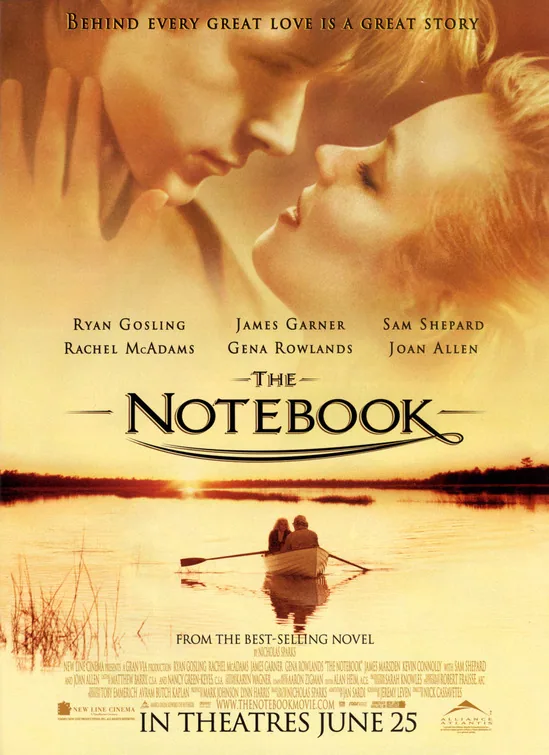
An older man reads a story of a young couple whose summer attachment develops across a sharp difference in class and family expectation. Separation, war and other relationships make their eventual choices less straightforward than the intensity of the first encounter suggests. The framing situation gradually gives the remembered romance another emotional purpose, connecting the promise of enduring devotion with the vulnerability of memory and bodily aging.
Based on recorded story, mood and style. Your preferences can change the order.
What changes Cyrano de Bergerac: measured. The Count of Monte Cristo: steady.
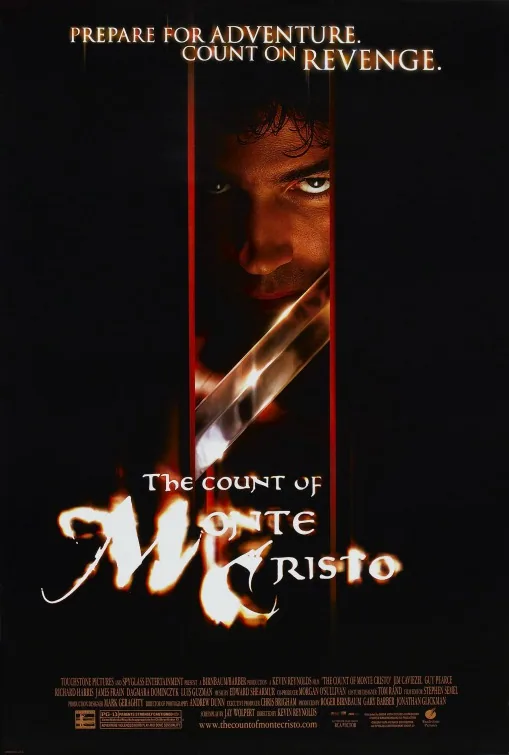
A young sailor's promotion and prospective marriage provoke a friend's jealousy, while a politically sensitive message gives several people a convenient means of removing him. Years of unjust imprisonment introduce a mentor who supplies knowledge, skills and information about a hidden fortune. Escape allows the prisoner to return under a new identity, but an elaborate retaliation must contend with relationships that continued without him and a future not wholly defined by the original betrayal.
Based on recorded story, mood and style. Your preferences can change the order.
What changes Cyrano de Bergerac: measured. Contempt: slow burn.
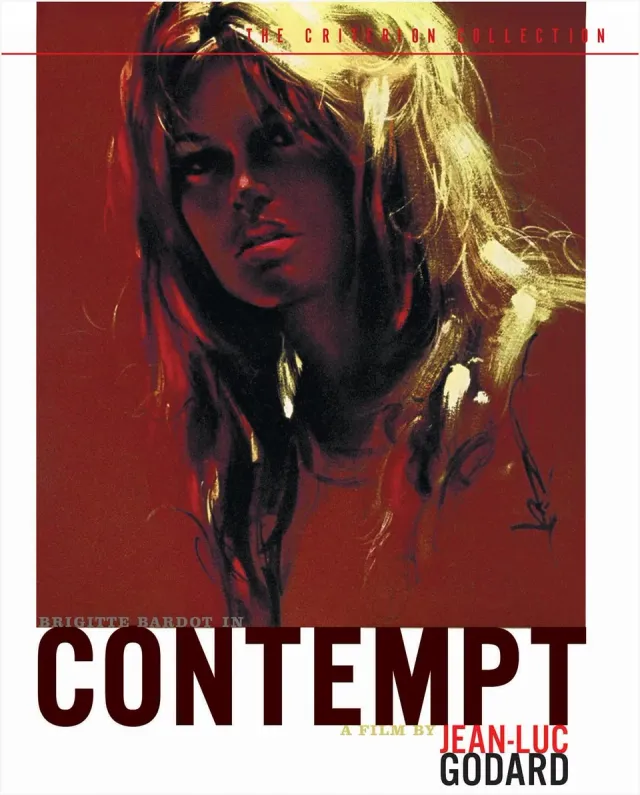
Screenwriter Paul Javal is hired to revise a film of The Odyssey by an American producer working with director Fritz Lang. During the production, Paul's wife Camille becomes convinced that he has offered her to the producer for professional gain, while Paul insists his conduct means something else. Godard keeps the decisive exchange open enough that motive remains contested. The film-within-a-film makes that marital rupture part of a broader struggle over commercial compromise, cinema and the difficulty of reading another person's actions with certainty. Long scenes in Paul's apartment let the marital rupture unfold before the movie set takes over.
Based on recorded story, mood and style. Your preferences can change the order.
What changes Cyrano de Bergerac: measured. Cold War: episodic.
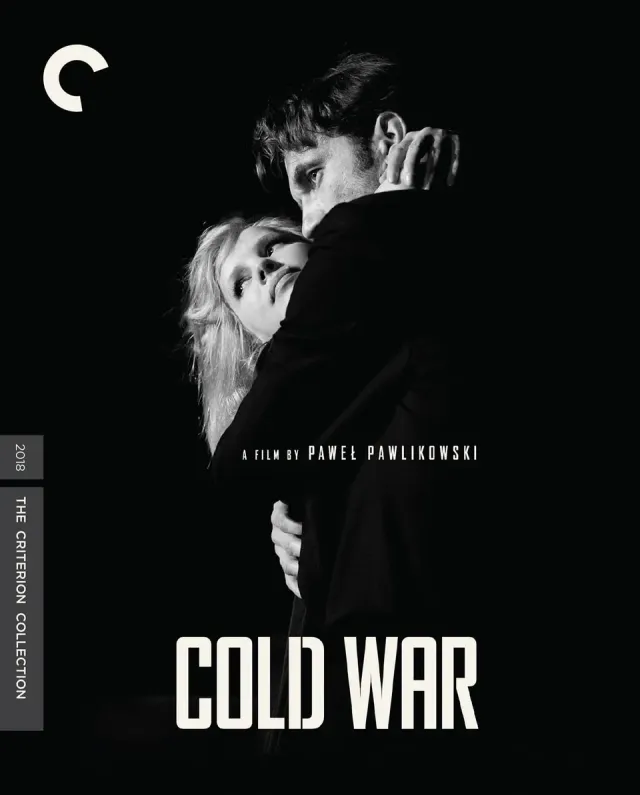
After World War II, composer and pianist Wiktor and singer Zula meet in a Polish folk ensemble shaped by state cultural policy. Their love carries them across years and borders, but exile, language and performance alter what each can make of artistic freedom. Western life offers Wiktor another possibility without giving Zula the same route or resolving their unequal choices. The film's elliptical jumps and shifting songs make the relationship feel both enduring and repeatedly remade, resisting the idea that suffering alone proves a perfect romance.
Based on recorded story, mood and style. Your preferences can change the order.
What changes Cyrano de Bergerac: measured. Doctor Zhivago: epic.
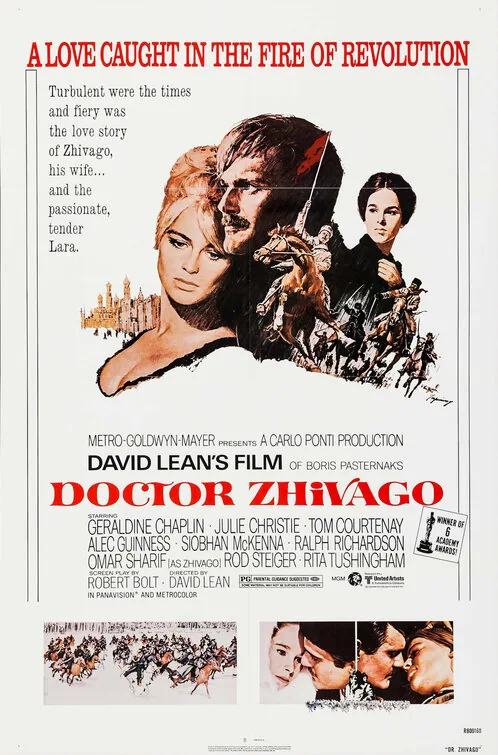
A doctor and poet's life becomes entangled with a woman he first encounters amid personal scandal and later meets through wartime medical work. Revolution and civil war repeatedly separate households, redirect travel and make private attachments subject to political suspicion. Their longing continues through choices that expose spouses, children and companions to different costs, while a later search for a lost daughter frames the uncertainty of what can be recovered from the lives history has dispersed. Its frame story turns Yuri and Lara’s private memory into the route through which a vast revolution is recalled.
Both share themes of love, plus a melancholic and romantic atmosphere.
Why this matches +
Genres: Action / Adventure
Shared film traits
Based on recorded story, mood and style. Your preferences can change the order.
Expect romantic and melancholic, with measured pacing.
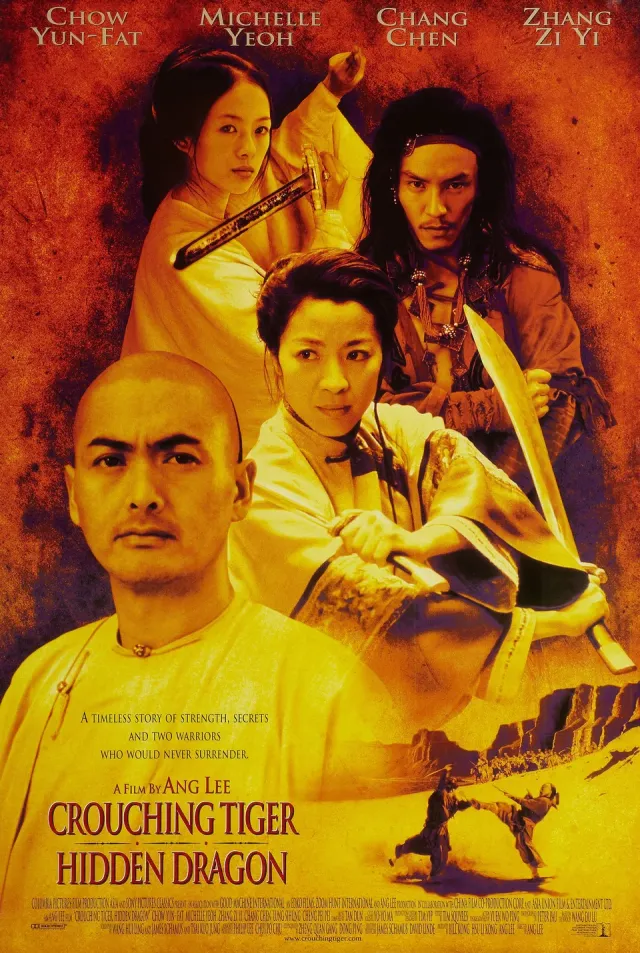
A respected warrior's attempt to put aside a legendary sword draws an old friend into a theft involving a young aristocratic woman resisting her prescribed future. The younger woman's skill exceeds the freedom available to her, while the older pair's long restraint exposes a different cost of honour. Pursuit and instruction connect intimate desire with competing claims about discipline, obligation and who may choose the terms of a life.
Both centre on romantic separation and concealed identity.
Why this matches +
Genres: Drama / Romance
Shared film traits
Based on recorded story, mood and style. Your preferences can change the order.
What changes Cyrano de Bergerac: measured. Shakespeare in Love: steady.
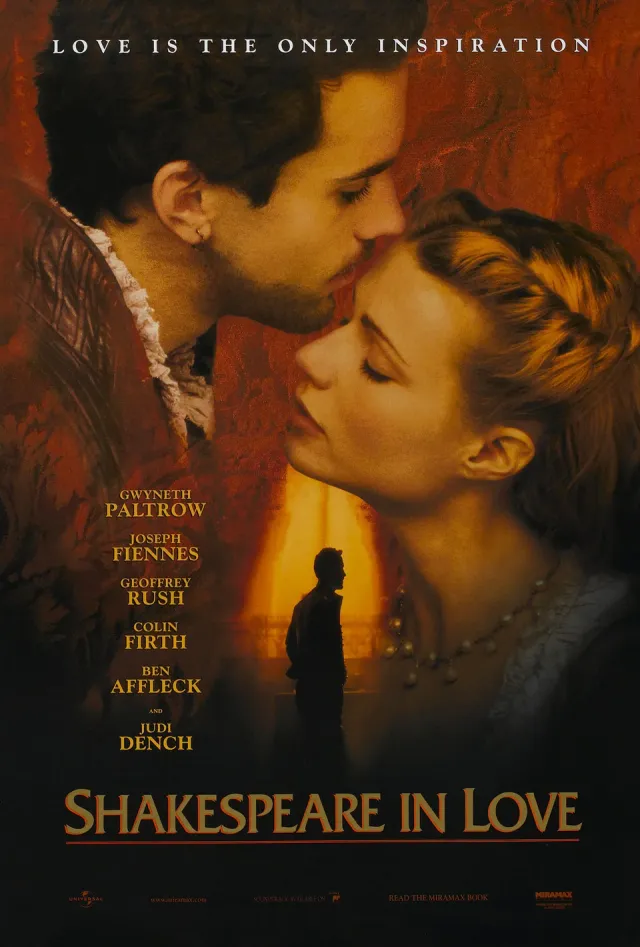
A young playwright struggling to complete a promised production finds inspiration in a merchant's daughter who longs to act despite women being excluded from the stage. Disguised as a male performer, she joins his company, and their affair begins to reshape the work being rehearsed. Financial pressures, theatrical rivalries and her arranged marriage make the performance a temporary space in which desire can flourish without controlling the world outside.
Based on recorded story, mood and style. Your preferences can change the order.
Expect romantic and melancholic, with measured pacing.
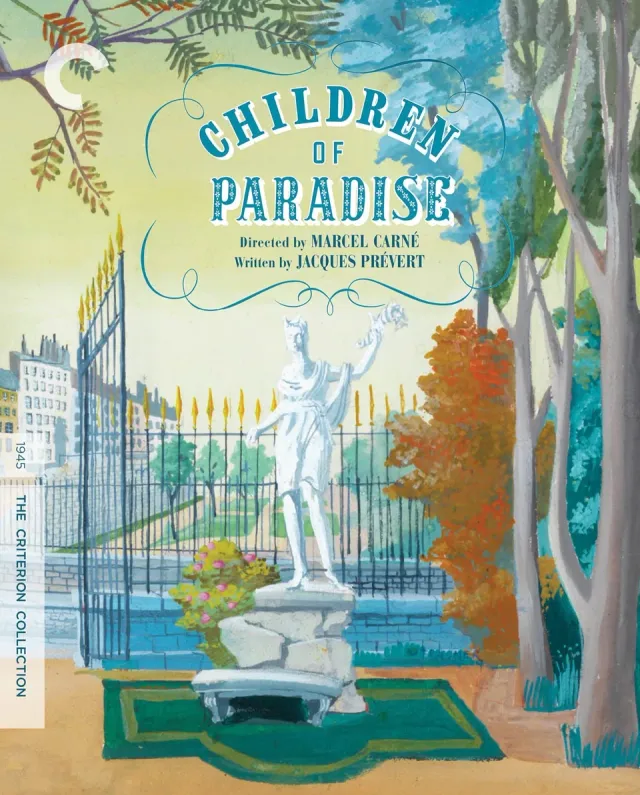
On Paris's Boulevard du Crime, actress Garance attracts a mime, an actor, a criminal and a count, each of whom reads her through his own need. Baptiste's eloquence and idealization do not grant him authority over her choices; Garance moves through relationships and years of separation with a freedom the men around her cannot easily accept. The theatre gives the ensemble ways to perform and revise identity, while class and timing shape who can remain close. Its romantic architecture is larger than one man's longing.
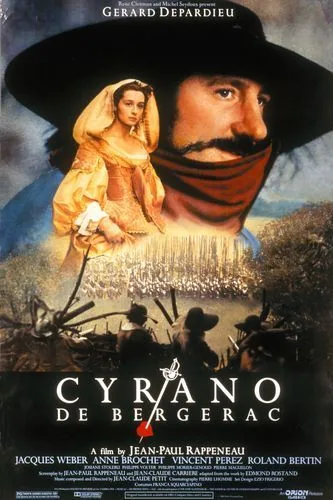
Cyrano is a celebrated poet and swordsman who believes his prominent nose makes him unlovable, so he supplies the language through which the handsome Christian courts Roxane. The secret arrangement lets Cyrano speak honestly while denying Roxane knowledge of whose voice moves her. War and separation prolong the deception beyond its original convenience, and the film's lyrical wit and swordplay gradually narrow into belated grief. His self-exclusion is moving, but eloquence does not give him an uncomplicated claim over another person's choice. Balcony scenes and the siege later make the cost of concealed authorship harder to avoid.
What drives the story
A divided romantic authorship sustains Roxane's courtship with Christian while hiding the person whose words she has come to love.
The people at its centre
Cyrano's pride and fear, Christian's dependence and Roxane's desire form an unequal triangle in which her informed choice is repeatedly withheld. Christian's beauty does not make him a neutral messenger for Cyrano's feelings.
What it feels like
Fast verse, theatrical humor and swordplay give way to the quieter cost of time and concealment, balancing spectacle with delayed recognition. Rostand's verse is delivered with comic speed before the film's grief slows it down.
Worth knowing
Match on proxy courtship and hidden authorship, not a simple triumph of inner over outer beauty; Roxane's right to choose with full knowledge remains central.