Explore films connected to Day of the Dead through Scientific responsibility, Military power and conflict, Humanity under collapse. Choose the qualities you want to carry into your next watch.
What should feel similar?
Find your next favourite
9 films · Closest overall matches
Hide films you’ve seen or don’t want. Saved on this device.
No matches for this combination yet.
Try another option or reset your choices to see more films.
Based on recorded story, mood and style. Your preferences can change the order.
Survival
What changes Day of the Dead: pressure-cooker escalation, ensemble conflict and violent siege climax. Dawn of the Dead: escalating and action-led.
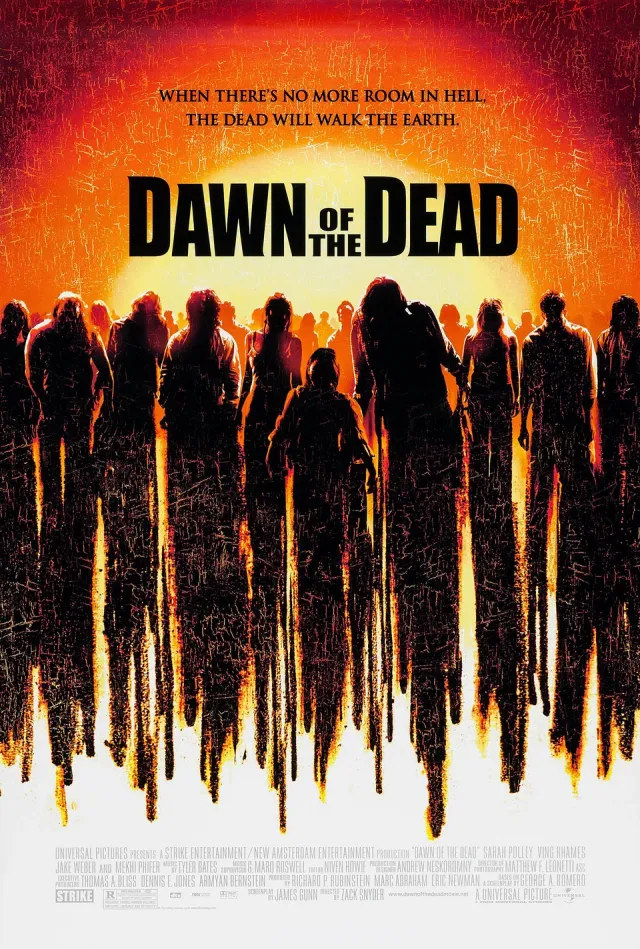
Dawn of the Dead (2004), directed by Zack Snyder, follows After a fast-moving zombie outbreak overwhelms a city, a small group of survivors takes shelter inside a shopping mall. Their brief security is strained by dwindling resources, disagreements, and the realization that crowds of the infected are gathering outside. The remake uses a familiar consumer space to test group survival, showing how fear and scarcity complicate cooperation after social order collapses.
Based on recorded story, mood and style. Your preferences can change the order.
Survival
What changes Day of the Dead: pressure-cooker escalation, ensemble conflict and violent siege climax. The Last House: slow pressure build and long-term escalation.
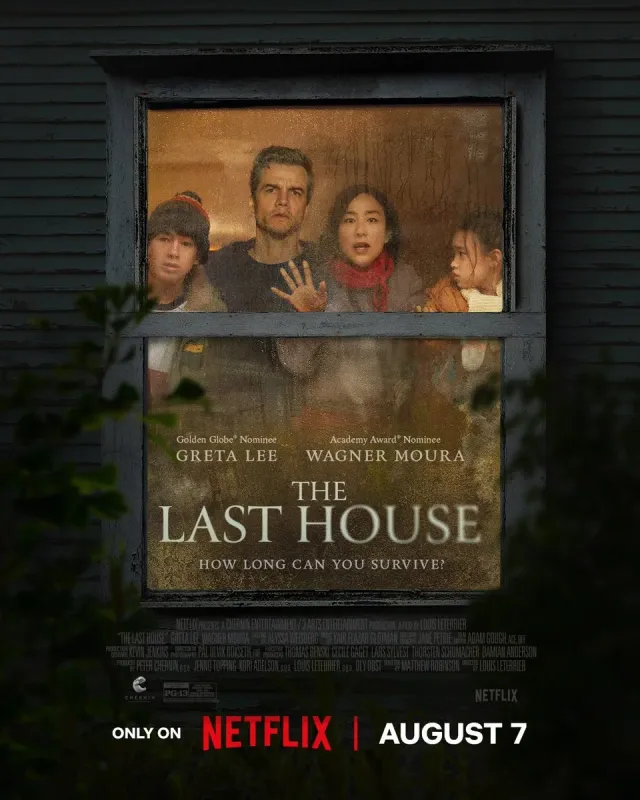
A family trapped inside their sealed home must ration dwindling supplies while facing a mysterious threat outside. The science-fiction thriller treats domestic safety as an uncertain promise, using a single house and a family's changing needs to build claustrophobic suspense. Familiar rooms become both shelter and constraint as time stretches on, and household resources take on new importance while the force outside remains difficult to understand.
Based on recorded story, mood and style. Your preferences can change the order.
Survival
What changes Day of the Dead: pressure-cooker escalation, ensemble conflict and violent siege climax. V/H/S/2: rapid, segment-based and escalating.
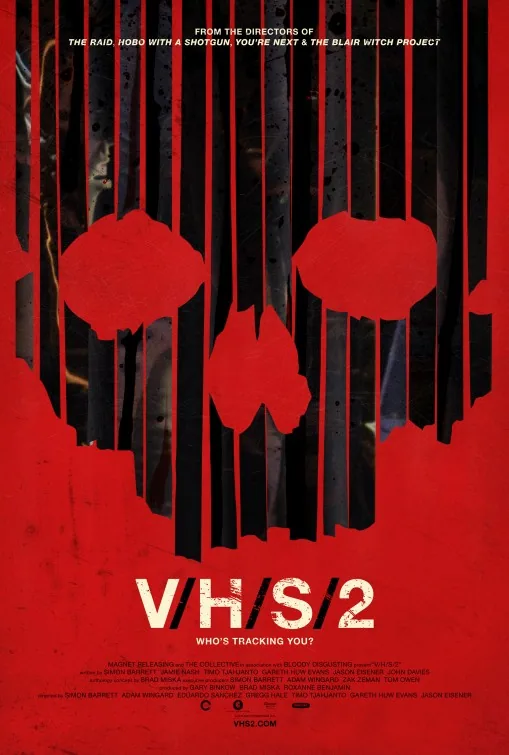
Two private investigators enter a house while searching for a missing college student and discover a stack of VHS tapes. As they watch the recordings, the film unfolds through four separate horror stories: a man with a camera implant, a cyclist encountering an apparent zombie outbreak, a cult gathering and a family’s night interrupted by visitors from above. The stories are linked by the investigators’ search, creating an anthology about dangerous recordings and the people who keep watching them.
Based on recorded story, mood and style. Your preferences can change the order.
Survival
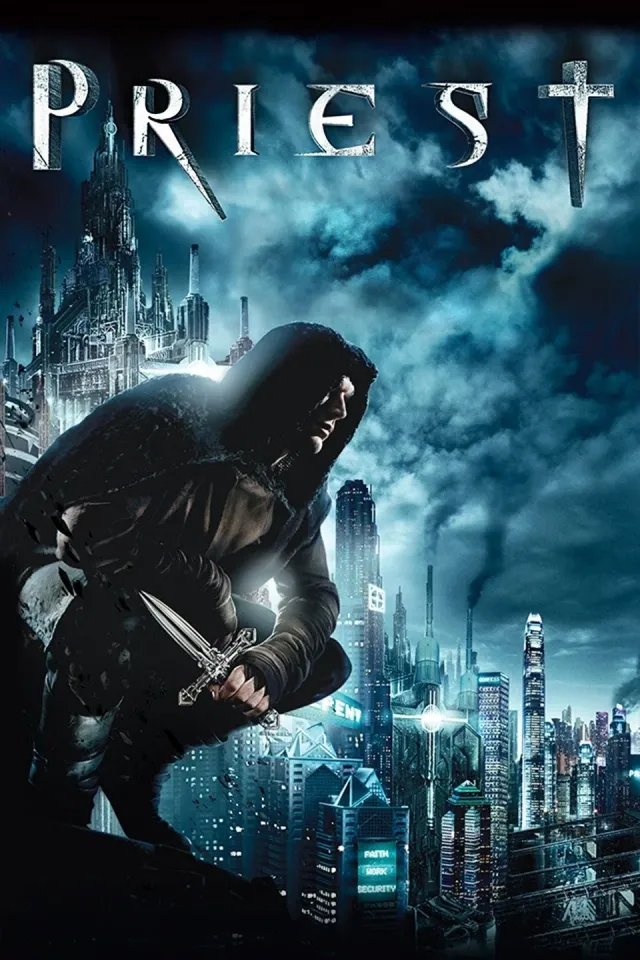
What changes Day of the Dead: pressure-cooker escalation, ensemble conflict and violent siege climax. Priest: quest structure with action peaks.
In a future shaped by a long war between humans and vampires, a veteran Priest leaves the safety of the walled cities when his niece is abducted. A small group joins the pursuit across a hostile landscape, confronting both vampire threats and the religious institution that once directed their lives. The science-fiction action film combines western imagery with post-apocalyptic travel, centering on duty, faith and the possibility of resisting authority.
Based on recorded story, mood and style. Your preferences can change the order.
Survival
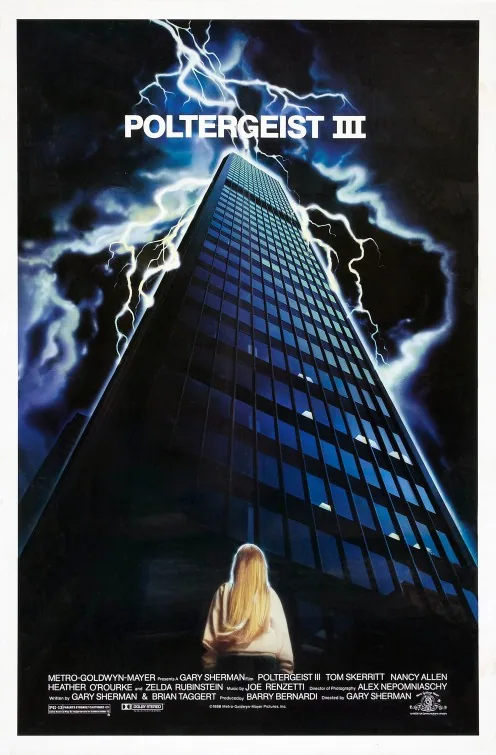
What changes Day of the Dead: pressure-cooker escalation, ensemble conflict and violent siege climax. Poltergeist III: a supernatural siege spreads through a high-rise.
Carol Anne is sent to live with her aunt and uncle in a high-rise Chicago building, where the supernatural forces that once pursued her return through mirrors and reflective surfaces. Her family and a psychic ally try to protect her as the building's glass architecture turns familiar rooms into unstable spaces. The final film in the original trilogy emphasizes visual distortion and confined urban horror.
Based on recorded story, mood and style. Your preferences can change the order.
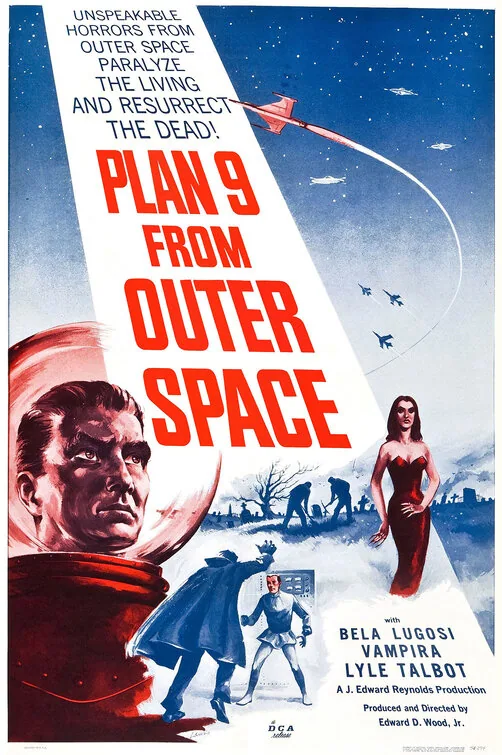
What changes Day of the Dead: pressure-cooker escalation, ensemble conflict and violent siege climax. Plan 9 from Outer Space: uneven, compact and episodic.
A group of extraterrestrials carries out Plan 9, reviving the dead as a warning to humanity against developing a destructive weapon known as Solarnite. The activity centers on a cemetery outside Los Angeles, where reanimated figures frighten a pilot, his co-pilot and the people living nearby. Inspector Daniel Clay investigates the strange deaths while the aliens try to control how the living react to the returned bodies. Their intervention turns a local mystery into an argument about human violence and technological danger. The film’s abrupt scenes and uneven continuity became part of its reputation as a low-budget cult production.
Based on recorded story, mood and style. Your preferences can change the order.
Survival
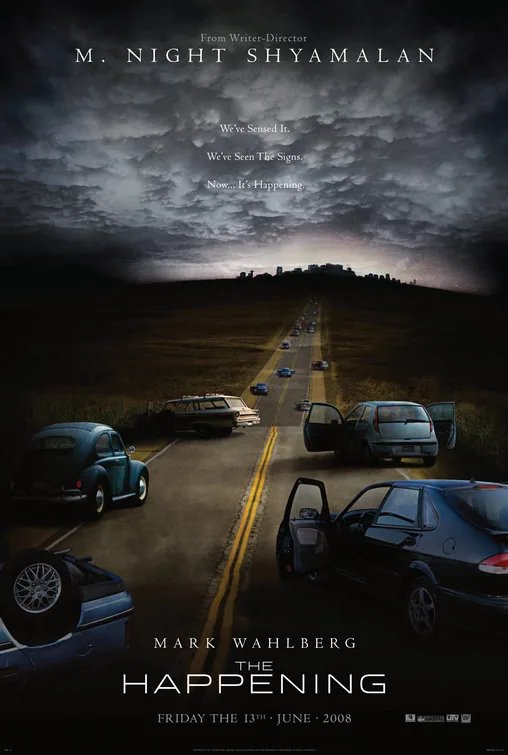
What changes Day of the Dead: pressure-cooker escalation, ensemble conflict and violent siege climax. The Happening: sudden crisis and dispersed pursuit.
A wave of unexplained mass deaths begins in New York and spreads across the northeastern United States. Science teacher Elliot Moore escapes the city with his wife Alma, a colleague’s young daughter and strangers who are all trying to understand the threat. The group’s attempts to find safe shelter are undermined by an invisible force that appears to respond to human presence and movement. M. Night Shyamalan turns ecological catastrophe into an uncertain survival thriller, with the characters’ guesses about the cause remaining part of the tension rather than a firm scientific explanation.
Based on recorded story, mood and style. Your preferences can change the order.
Survival
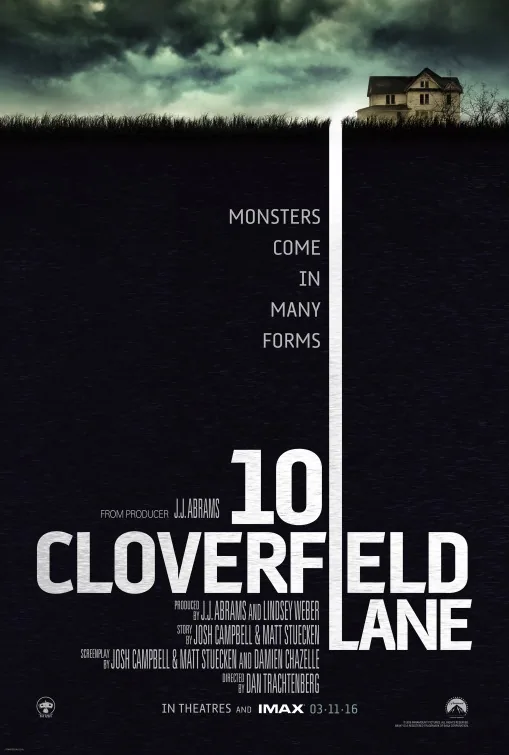
What changes Day of the Dead: pressure-cooker escalation, ensemble conflict and violent siege climax. 10 Cloverfield Lane: slow burn and escalating.
After a car crash, a woman wakes inside an underground shelter with a man who says he rescued her from a catastrophic attack. Another resident appears to support his account, but restrictive rules and inconsistencies make the shelter's protection difficult to distinguish from imprisonment. With little reliable information about the surface, she must investigate both the claimed disaster and the person controlling her exit.
Based on recorded story, mood and style. Your preferences can change the order.
Survival
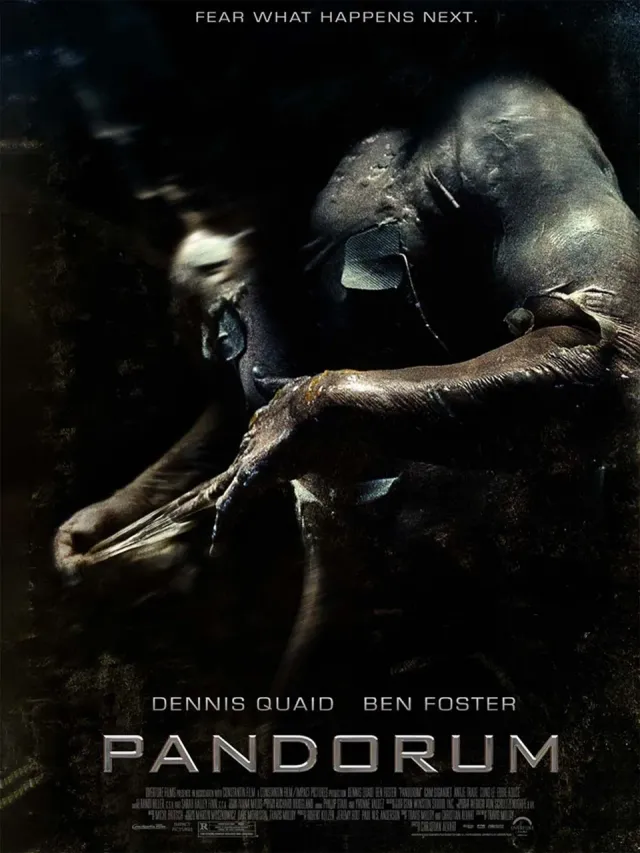
What changes Day of the Dead: pressure-cooker escalation, ensemble conflict and violent siege climax. Pandorum: propulsive and revelatory.
Two crew members wake aboard a deep-space vessel with lost memories and discover that the ship and its surviving population face grave danger. As they move through unfamiliar compartments, fragments of their mission and the fate of the crew emerge. The science-fiction horror combines a generation-ship premise with claustrophobic survival, making uncertainty about memory, identity and human behavior as threatening as the physical environment.
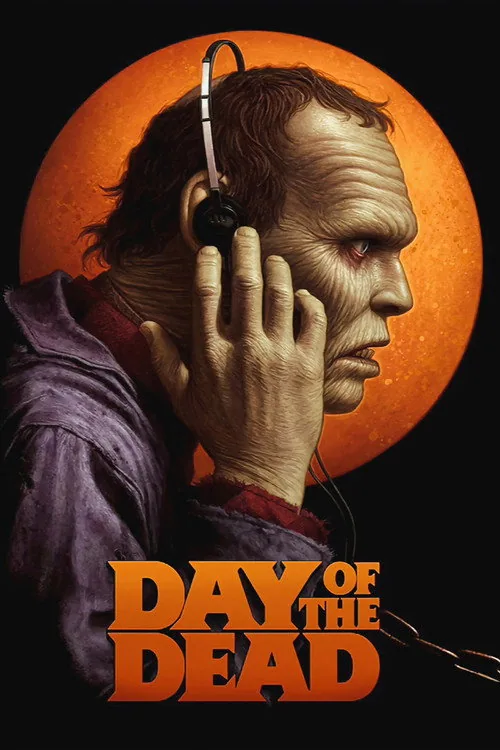
Years after a zombie outbreak has overwhelmed the world, a small group of scientists and soldiers live inside an underground bunker in Florida. The scientists study a captured zombie named Bub, hoping to understand or control the undead, while the increasingly unstable military commander demands results. As distrust turns to open conflict, the survivors face danger from both the living people around them and the horde outside. George A. Romero’s film is the third entry in his original Dead trilogy.
What drives the story
The bunker’s fragile division of labor breaks down as the scientists’ experiments and the soldiers’ impatience collide.
The people at its centre
Sarah’s attempts to protect her colleagues contend with Rhodes’s command, while Bub complicates the boundary between monster and person.
What it feels like
The film is a grim, effects-heavy zombie story with extended confinement, graphic gore, and sustained arguments about power.
Worth knowing
Its focus is the conflict between a bunker’s scientists and soldiers, rather than a citywide outbreak or a large rescue mission.
Scientific responsibilityMilitary power and conflictHumanity under collapse