Both centre on coercive spectacle and manufactured ordeal.
Why this matches +
Genres: Science fiction / Action
Shared film traits
Based on recorded story, mood and style. Your preferences can change the order.
What changes Death Race: fast. Gamer: relentless and action-driven.
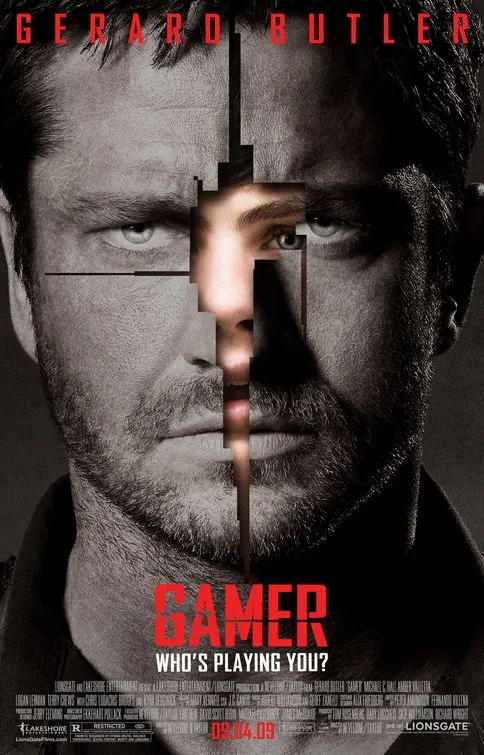
In a near-future society, a death-row inmate is controlled by players through a popular combat game and fights for survival as a public spectacle. A young gamer’s influence and the system’s powerful creator become entangled with the inmate’s attempt to regain control of his life. The action thriller turns entertainment technology into a question of consent, making bodily autonomy and public consumption central to its violent, stylized world.
Both share themes of freedom and trust, plus a defiant atmosphere.
Why this matches +
Genres: Action / Science fiction
Shared film traits
Based on recorded story, mood and style. Your preferences can change the order.
Expect cynical and tense, with fast pacing.
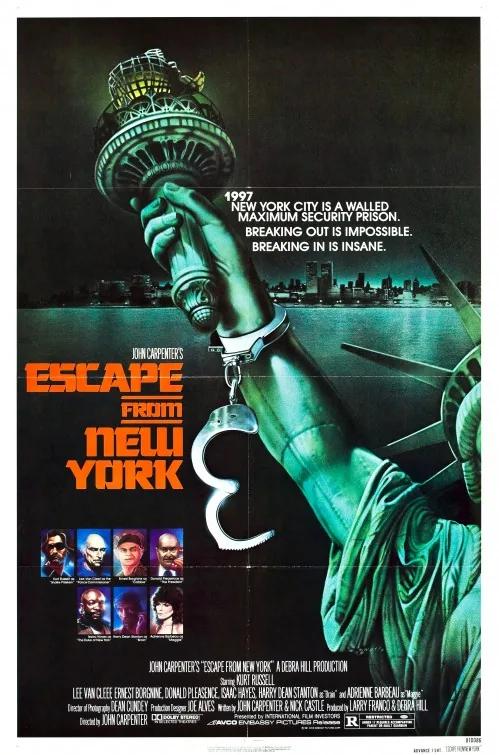
A convicted former soldier is offered a pardon if he retrieves the president from Manhattan, now a sealed prison controlled by competing groups of inmates. Explosives injected into his body make the apparent choice an imposed deadline. Moving through a city whose residents recognize different authorities, Snake Plissken must assemble temporary help without mistaking official promises for concern about anyone the mission is prepared to leave behind.
Both share themes of identity, plus an intense atmosphere.
Why this matches +
Genres: Action / Thriller
Shared film traits
Based on recorded story, mood and style. Your preferences can change the order.
Expect intense and operatic, with fast pacing.
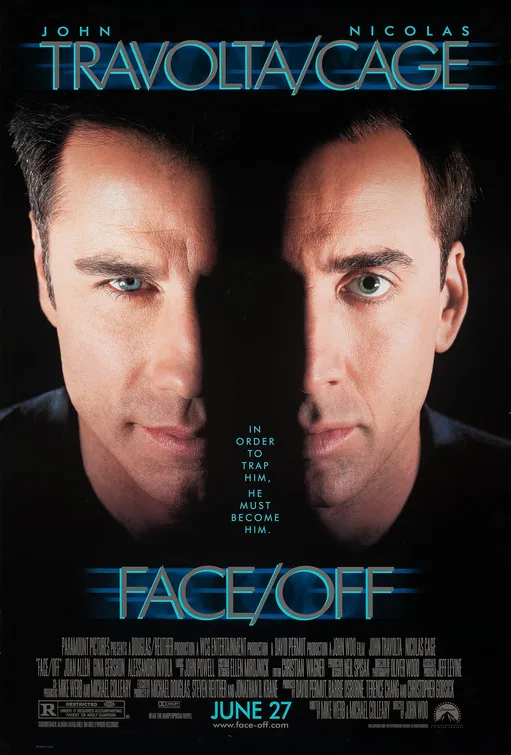
An agent pursuing the man who killed his son undergoes a secret procedure to assume the criminal's face and obtain information about a bomb. When the prisoner awakens and takes the agent's appearance in return, the operation becomes a struggle over who can make a true account of identity believable. Each man's access to the other's household exposes relationships the pursuit has neglected, while the bodies meant to function as disguises make returning to an ordinary life dangerously uncertain. The premise gives each man the other’s appearance, but the moral and relational histories remain unequal.
Based on recorded story, mood and style. Your preferences can change the order.
What changes Death Race: fast. V for Vendetta: measured and intense.
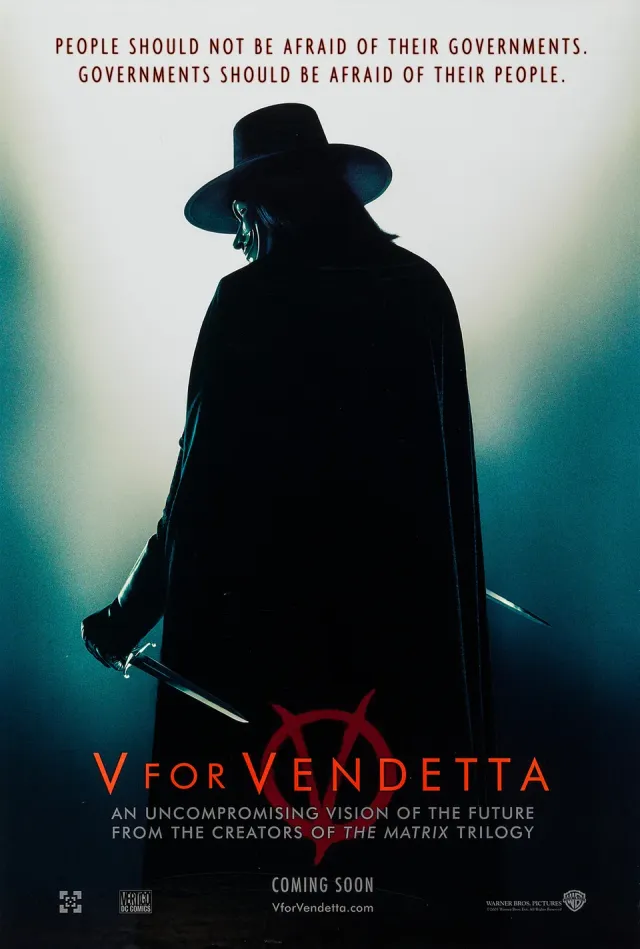
A masked insurgent rescues a young woman from agents of an authoritarian British state and draws her into a campaign timed around public spectacle and historical remembrance. His attacks expose connections between state security, propaganda and an earlier crime, but his methods also challenge the boundary between liberation and coercion. The woman's changing relationship to fear makes participation more complicated than simply choosing a heroic side against an obvious regime.
Both share themes of freedom and identity, plus a defiant atmosphere.
Why this matches +
Genres: Science fiction / Action
Shared film traits
Based on recorded story, mood and style. Your preferences can change the order.
Expect tense and defiant, with fast pacing.
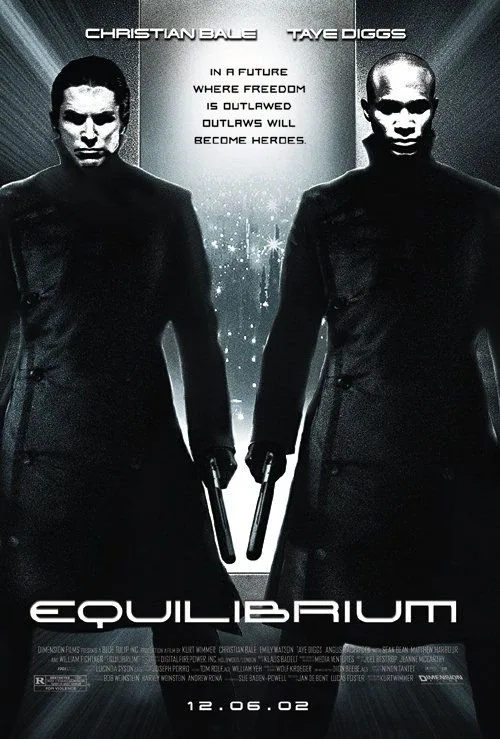
An elite officer in a society that suppresses emotion helps destroy the art and people its government defines as threats. Missing a dose of the required drug exposes feelings he has enforced against others, making routine obedience difficult to sustain. Concealing the change draws him toward resistance, but his professional role and the people watching it remain dangerous, turning personal awakening into a struggle over a system that presents control as collective safety.
Based on recorded story, mood and style. Your preferences can change the order.
What changes Death Race is tagged intense and abrasive; Death Race 2000 is tagged satirical and frenetic.
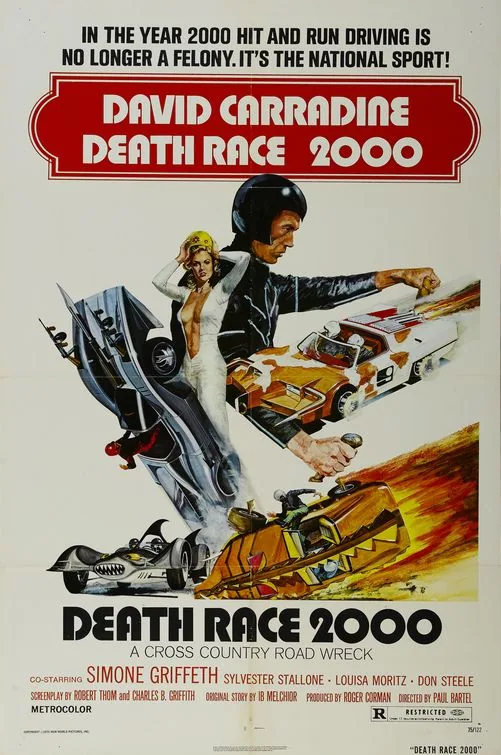
In a future America, the government channels public anger into a coast-to-coast road race where drivers earn points by killing pedestrians. The masked champion Frankenstein enters the annual event while a resistance group plans to derail its propaganda value. Rival driver Machine Gun Joe presses the race toward open brutality, forcing spectacle, rebellion and survival onto the same track.
Both share themes of freedom, plus a defiant atmosphere.
Why this matches +
Genres: Science fiction / Action
Shared film traits
Based on recorded story, mood and style. Your preferences can change the order.
Expect satirical and energetic, with fast pacing.
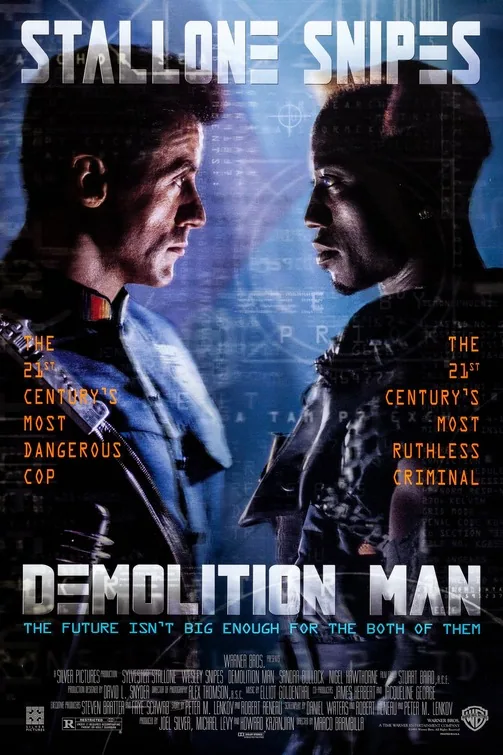
A destructive police officer and the criminal he captured are revived decades after being imprisoned in cryogenic storage. The apparently peaceful city that receives them has outlawed much ordinary conflict, leaving its police unprepared for the criminal's violence. Discovering that his release serves a hidden political purpose forces the old adversaries' pursuit into a wider dispute about whether safety has been purchased through coercion, exclusion and the removal of meaningful choice.
Based on recorded story, mood and style. Your preferences can change the order.
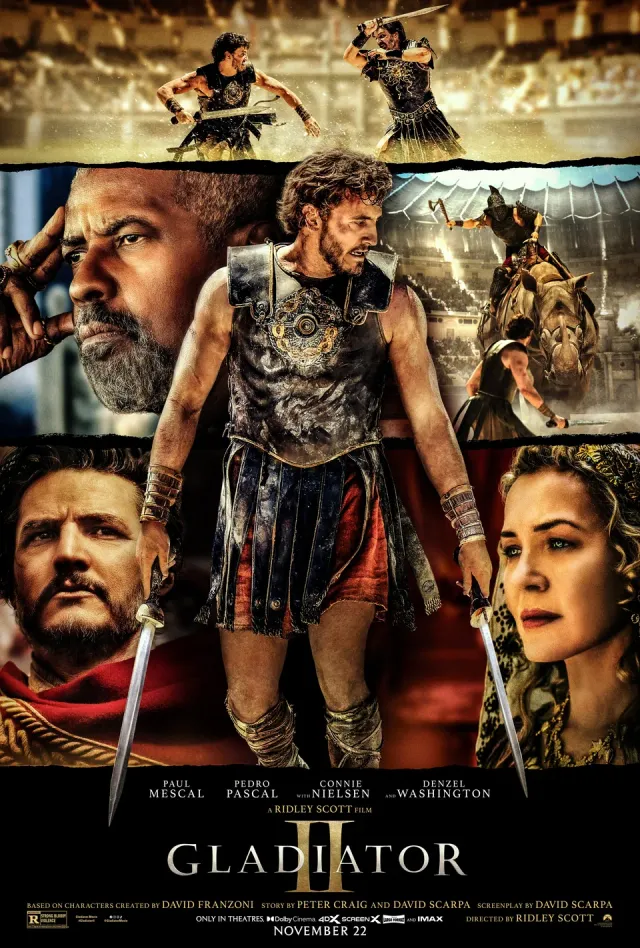
What changes Death Race: fast. Gladiator II: brisk and escalating.
A man captured after Rome destroys his home enters the arena with revenge as his immediate purpose. A powerful sponsor offers access to the commander he blames, while the discovery of his connection to an earlier Roman struggle gives his survival a political value he did not choose. Public combat becomes a means through which rival elites attempt to control succession. The sequel turns an enslaved fighter's private loss into a contest over inherited legitimacy, with the promise of liberation repeatedly entangled with another person's ambition.
Based on recorded story, mood and style. Your preferences can change the order.
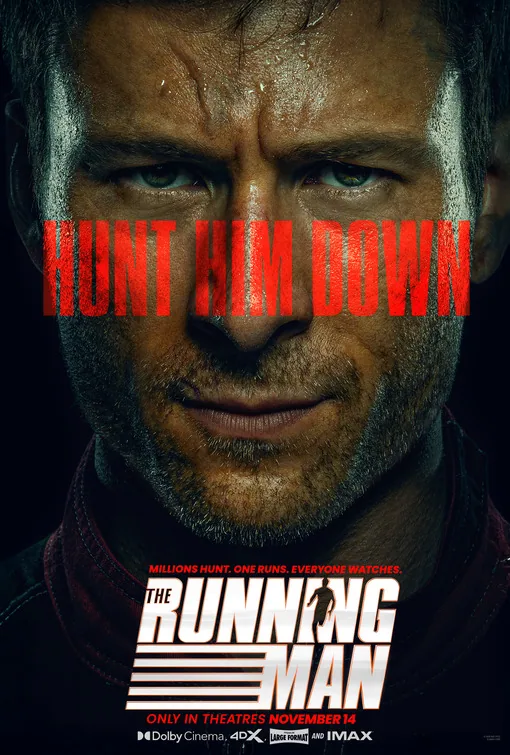
What changes Death Race: fast. The Running Man: a public manhunt escalates through stages of flight and broadcast manipulation.
In a near-future society ruled by a media network, Ben Richards enters a televised manhunt to provide for his family. The contestants are promised freedom if they survive, while the program turns their pursuit into mass entertainment. This adaptation frames action as a confrontation with manufactured spectacle, examining how poverty and audience appetite sustain authoritarian control while a hunted man becomes an unwilling symbol of resistance.
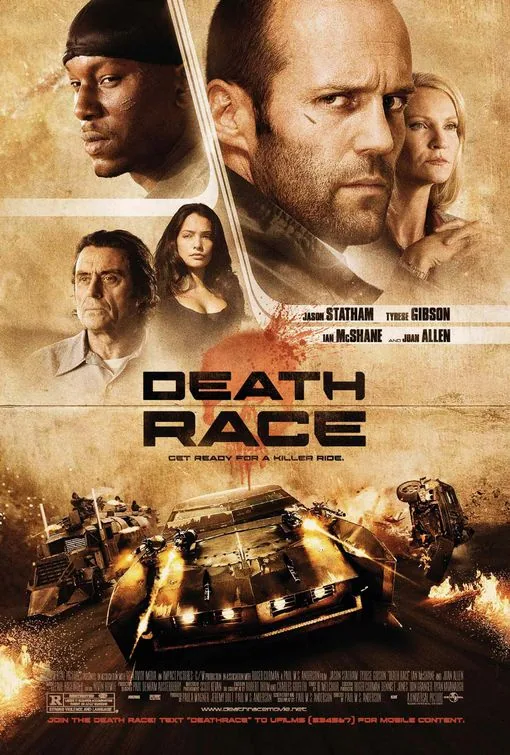
Framed for his wife's murder, a skilled driver enters a private prison where lethal motor races are sold as entertainment and victory supposedly earns release. The warden recruits him to replace a dead masked celebrity whose survival matters less than maintaining the brand. Learning how the contest is manipulated turns competition into a struggle over the spectacle itself, while other prisoners may be more useful as allies than the rivals the institution requires.
What drives the story
An imposed racing identity makes a prisoner profitable to a rigged entertainment system, forcing him to investigate the promised route to freedom rather than simply race better.
The people at its centre
Jensen's dependence on his navigator and mechanics contrasts with a warden who controls both incentives and information, making trust across assigned rivalries a practical form of resistance.
What it feels like
Weaponized cars, industrial confinement and graphic crashes give the racing structure a brutal action rhythm centered on manufactured danger.
Worth knowing
Match on coerced competition monetized by an institution that manipulates release, not motorsport skill alone; the prison spectacle differs from voluntary rivalry on an open racing circuit.