A hostage negotiation conceals a carefully designed theft whose true target is not initially clear.
Why this matches +
Selected for the central appeal: Bank-robbery thrillers where hostages, police negotiation and public attention complicate a heist.
Genres: Crime / Thriller
Shared film traits
Based on recorded story, mood and style. Your preferences can change the order.
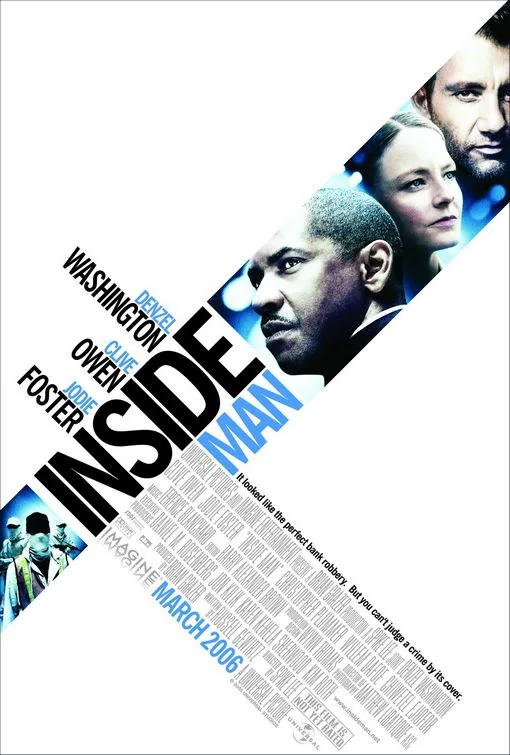
What changes Inside Man centers a bank robbery, hostages and an extended negotiation with police outside.
A meticulously organised crew takes over a Manhattan bank and controls what hostages, police and observers can see. A detective negotiates while an influential intermediary presses for an outcome protecting a private client. The standoff's apparent objective becomes less certain as competing agendas surface, turning a robbery into a contest over information, appearances and what the bank contains.
A hostage crisis on a financial news show forces its crew to investigate a market loss in real time.
Why this matches +
Selected for the central appeal: Bank-robbery thrillers where hostages, police negotiation and public attention complicate a heist.
Genres: Thriller / Crime
Shared film traits
Based on recorded story, mood and style. Your preferences can change the order.
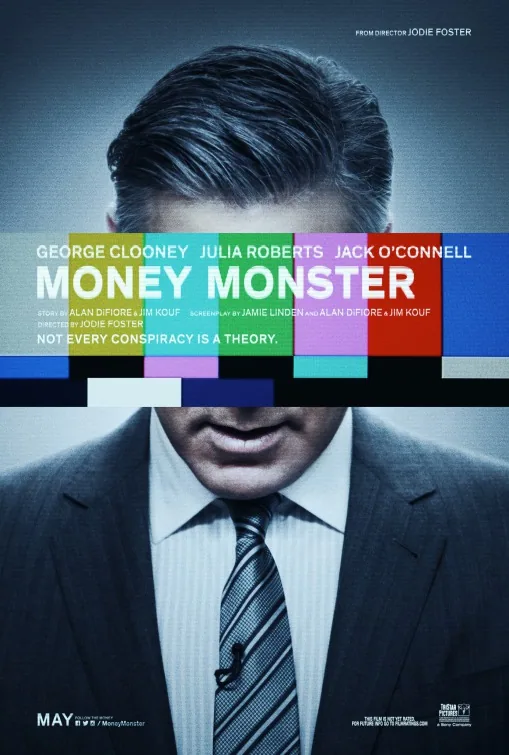
What changes Money Monster traps hostages in a live broadcast while negotiators contend with public pressure.
When a disgruntled investor takes financial television host Lee Gates and his crew hostage live on air, the broadcast becomes an improvised investigation into a sudden market collapse. Producer Patty Fenn tries to keep the show on air while uncovering what happened to the missing money and locating the company's chief executive. Jodie Foster's thriller links media spectacle to financial accountability, making communication and public evidence part of the rescue effort.
A professional pursuit develops between men whose similar dependence on work makes mutual recognition possible but does not provide a route out of the confrontation.
Why this matches +
These offer a related experience with a meaningful difference in story, tone, or presentation.
An adjacent discovery: a related idea with a different viewing experience.
Genres: Crime / Drama
Shared film traits
Based on recorded story, mood and style. Your preferences can change the order.
What changes Heat depicts professional bank robbers and the personal costs of a determined police pursuit.
A disciplined Los Angeles robbery crew attracts a detective whose commitment to the pursuit has already made ordinary domestic life difficult. Planning another major theft forces the crew to negotiate an unstable associate, personal attachments and the limits of their rule against becoming tied to anything they cannot abandon. Parallel attention to police and criminals reveals recognisable forms of loneliness and competence without making their opposing obligations compatible.
A failed robbery becomes an escalating, self-defeating rescue attempt in which immediate improvisation keeps displacing responsibility for the harm already caused.
Why this matches +
These offer a related experience with a meaningful difference in story, tone, or presentation.
An adjacent discovery: a related idea with a different viewing experience.
Genres: Crime / Thriller
Shared film traits
Based on recorded story, mood and style. Your preferences can change the order.
Escape and pursuit
What changes Good Time follows an impulsive robber improvising through a chaotic attempt to save his partner after a botched heist.
A bank robbery involving two brothers goes wrong and leaves the more vulnerable brother in custody. The other spends the night pursuing money and an opportunity to retrieve him, drawing strangers into a succession of improvised schemes. Apparent loyalty repeatedly becomes a justification for manipulation, as each attempt to solve an immediate problem creates further exposure for people with less information and fewer options than the man demanding their help.
A bank robber's attempt to leave his crew becomes entangled with the woman he once held hostage and the neighbourhood that formed him.
Why this matches +
These offer a related experience with a meaningful difference in story, tone, or presentation.
An adjacent discovery: a related idea with a different viewing experience.
Genres: Crime / Drama
Shared film traits
Based on recorded story, mood and style. Your preferences can change the order.
Escape and pursuit
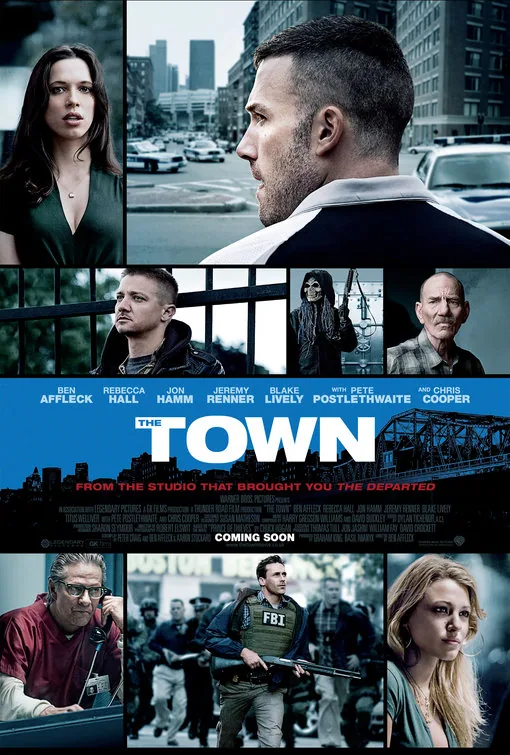
What changes The Town follows bank robbers whose crime creates complicated bonds and an intense police pursuit.
Doug MacRay leads a crew of bank robbers from Charlestown, a Boston neighbourhood where criminal work has become an inherited expectation. After a robbery, the crew takes bank manager Claire as a hostage and later discovers that she lives nearby. Doug approaches her under a false identity, but their growing relationship makes continued secrecy dangerous. His closest friend Jem is volatile and loyal to the life they know, while FBI agent Adam Frawley intensifies pressure on the crew. Doug begins planning a way out, yet his attempt to leave risks exposing Claire and destabilizing the only family-like bond he has maintained. The crime plot is therefore also a struggle over whether a place and its loyalties can be escaped.
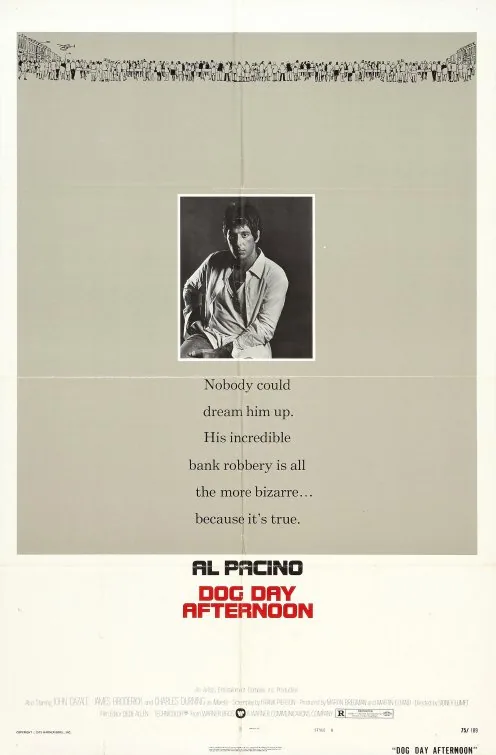
An attempted Brooklyn bank robbery goes wrong almost immediately, trapping two inexperienced robbers with employees as police and crowds assemble outside. The would-be leader improvises negotiations while personal needs and public performance complicate his position. With television cameras amplifying the event, relationships inside the bank become more human even as the chances of a safe resolution diminish.
What drives the story
A failing robbery becomes a prolonged negotiation conducted under growing public and police scrutiny.
The people at its centre
An anxious robber builds uneasy rapport with hostages while struggling to protect a less capable partner.
What it feels like
Absurd mishaps and conversational intimacy coexist with the tightening pressure of a real-time crisis.
Worth knowing
The robbery exposes vulnerable people and institutional power rather than demonstrating an expert criminal plan.