Based on recorded story, mood and style. Your preferences can change the order.
Both directed by Sam Raimi.
Expect grotesque and frenetic, with escalating pacing.
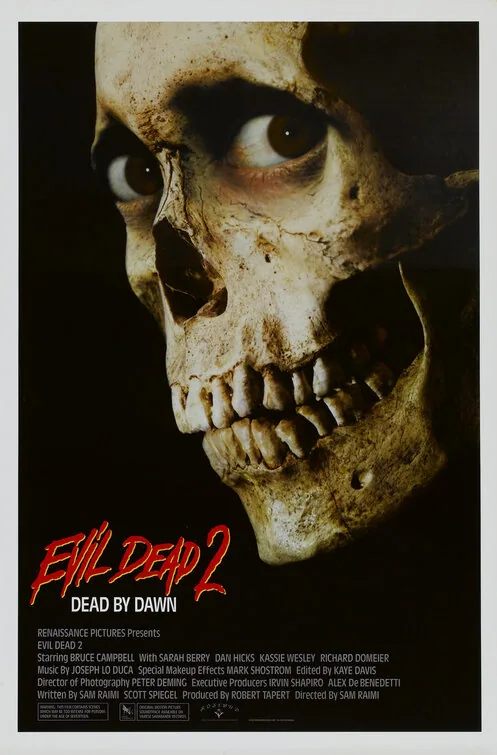
A recording in a remote cabin releases a force that turns a couple's retreat into an unstable encounter with possession and reanimated bodies. A survivor's attempts to escape repeatedly fail as his own hand and familiar objects become threats, while arriving strangers initially mistake him for the source of the violence. Recovering missing text offers a possible response, but interpreting and acting on it must happen inside a space where the boundary between bodily panic and grotesque comedy keeps collapsing.
Based on recorded story, mood and style. Your preferences can change the order.
What changes Drag Me to Hell is tagged grotesque and tense; Smile 2 is tagged nightmarish and paranoid.
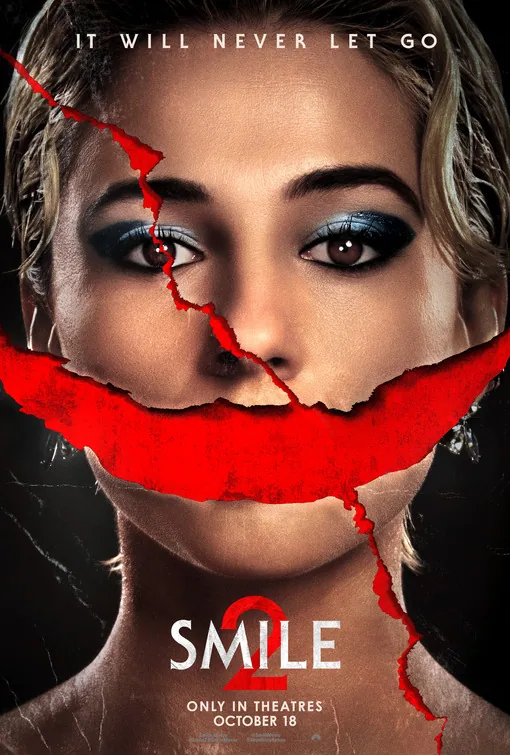
After a cursed entity passes to pop star Skye Riley, she begins seeing impossible smiling figures while preparing a comeback tour. The curse arrives as Skye is trying to manage a back injury, public scrutiny and the aftermath of a fatal car crash, leaving her dependent on a tightly controlling mother-manager and unsure whom to trust. ER nurse Morris explains how the entity moves and proposes an extreme way to stop it, but the visions keep blurring rehearsal, memory and immediate danger. The pressure of maintaining a public performance becomes inseparable from the horror stalking her.
Both centre on curse pursuit and coercive bargain.
Why this matches +
Genres: Horror / Thriller
Shared film traits
Based on recorded story, mood and style. Your preferences can change the order.
Expect tense and macabre, with escalating pacing.
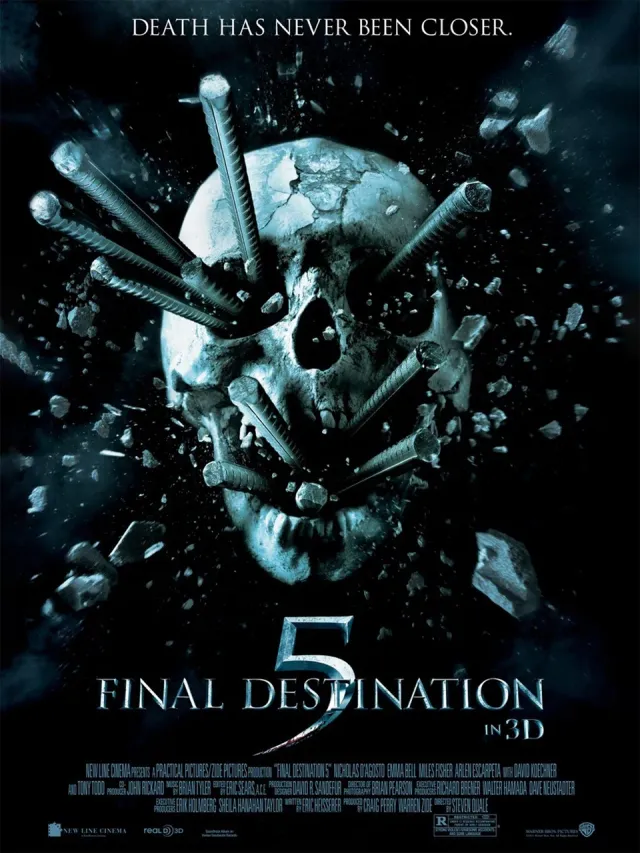
An office worker's vision of a bridge collapse allows colleagues to flee before the disaster happens, but apparently unrelated deaths begin reducing the surviving group. Advice suggesting that another person's remaining years can be taken turns uncertainty into a moral danger as well as a practical puzzle. Workplace resentment and romantic attachment become available to a survival logic that asks whether escaping a pattern can justify making someone else its substitute.
Both share themes of responsibility, plus a tense atmosphere.
Why this matches +
Genres: Comedy / Horror
Shared film traits
Based on recorded story, mood and style. Your preferences can change the order.
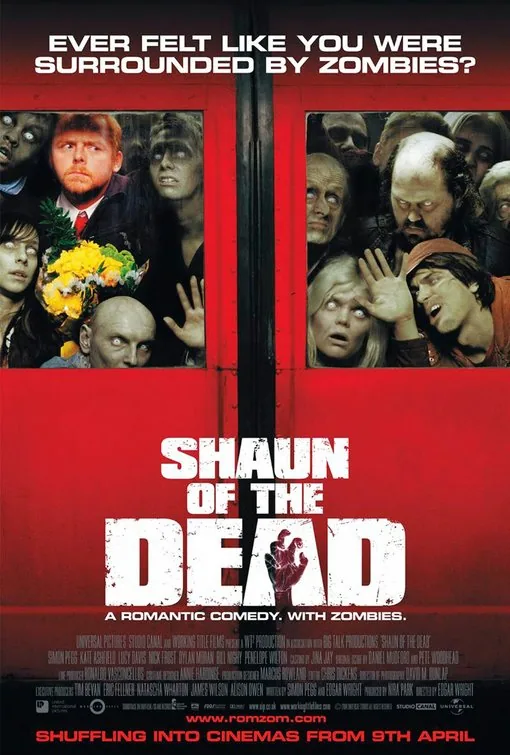
What changes Drag Me to Hell: escalating. Shaun of the Dead: fast.
A disengaged London shop worker loses his girlfriend after repeatedly failing to change his routines. When a zombie outbreak overtakes the neighbourhood, he attempts to rescue her and his mother with the help of the friend who has enabled much of his inertia. Their plan to shelter in a familiar pub turns an apparent opportunity for decisive leadership into a confrontation with old habits, strained loyalties and irreversible loss.
Based on recorded story, mood and style. Your preferences can change the order.
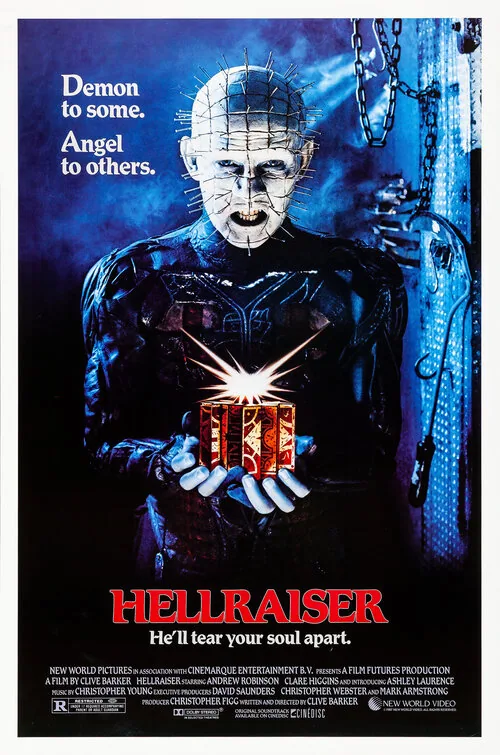
Expect disturbing and grotesque, with measured and escalating pacing.
A man's pursuit of extreme sensation opens a puzzle box and destroys his body, but blood spilled in his former home permits an incomplete return. A woman who once desired him brings victims to restore him, turning domestic secrecy into a system of bodily exploitation. His niece discovers the arrangement and must negotiate with the entities he escaped. The horror links appetite to complicity, making the supernatural bargain a continuation of violence already being committed within an apparently ordinary family home.
Based on recorded story, mood and style. Your preferences can change the order.
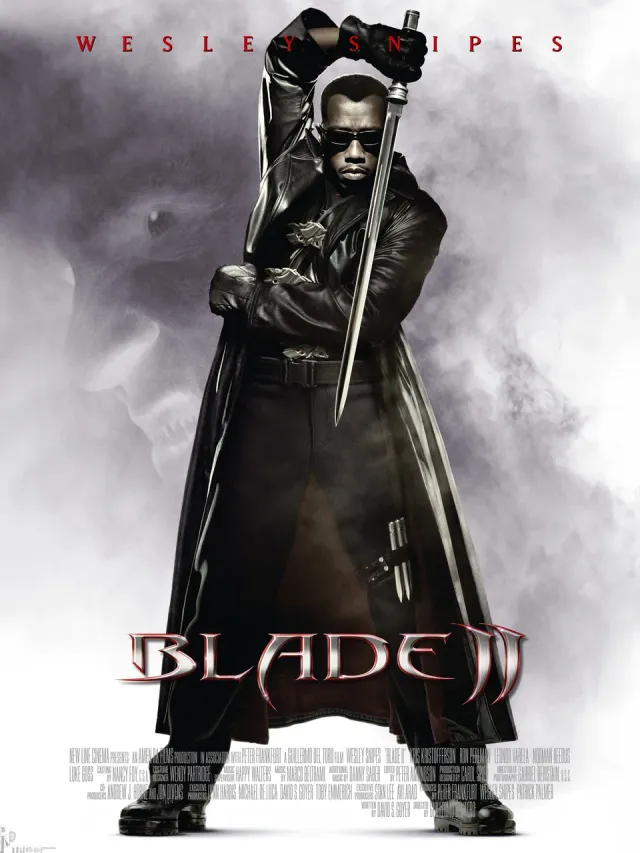
What changes Drag Me to Hell: escalating. Blade II: fast.
A mutation threatens vampires as well as humans, prompting Blade to cooperate with the society he normally hunts. A specialized team trained to fight him becomes his uneasy partner, while apparent shared survival interests conceal a more controlled origin for the crisis. Working together requires reading loyalty beyond visible species membership, as a hunter's own dependence and empathy expose the weaknesses of treating every alliance as a temporary tactical necessity.
Both share themes of guilt, plus a darkly humorous atmosphere.
Why this matches +
Genres: Crime / Comedy
Shared film traits
Based on recorded story, mood and style. Your preferences can change the order.
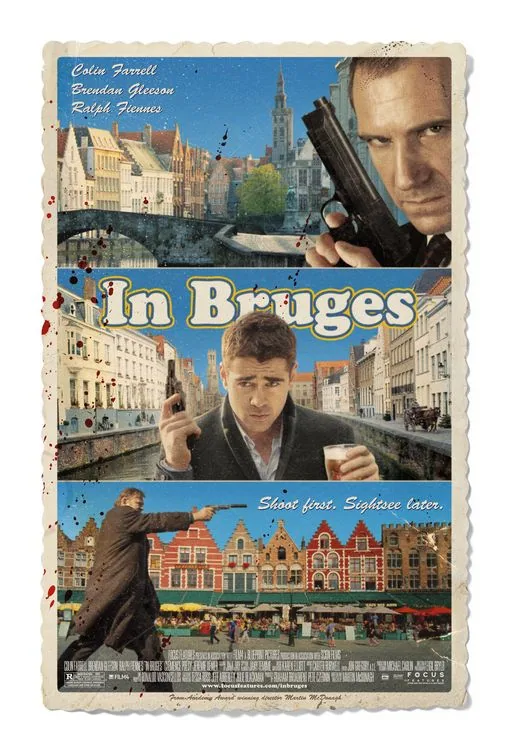
Expect darkly humorous and melancholic, with measured and escalating pacing.
Two contract killers wait in a Belgian city after a job goes wrong, one absorbing its history while the other struggles with guilt and impatience. Their enforced holiday is interrupted by instructions from an employer with a rigid code of honour. Chance encounters and abrasive banter gradually reveal how remorse, friendship and professional loyalty can pull the men towards incompatible decisions.
Based on recorded story, mood and style. Your preferences can change the order.
Expect claustrophobic and tense, with escalating pacing.
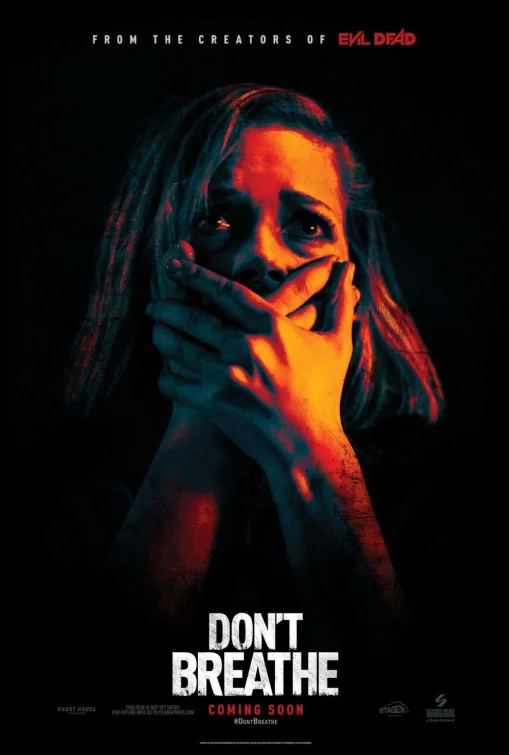
Three young burglars enter a blind veteran's house expecting a comparatively easy theft that could finance escape from their own precarious lives. The resident's familiarity with the space turns their intrusion into a trap, and what they discover below the house changes the meaning of the secret they initially thought was money. Remaining silent becomes both a physical necessity and a fragile advantage against someone whose private grief has become a justification for extreme coercion.
Based on recorded story, mood and style. Your preferences can change the order.
What changes Drag Me to Hell: escalating. The Cabin in the Woods: fast and intense.
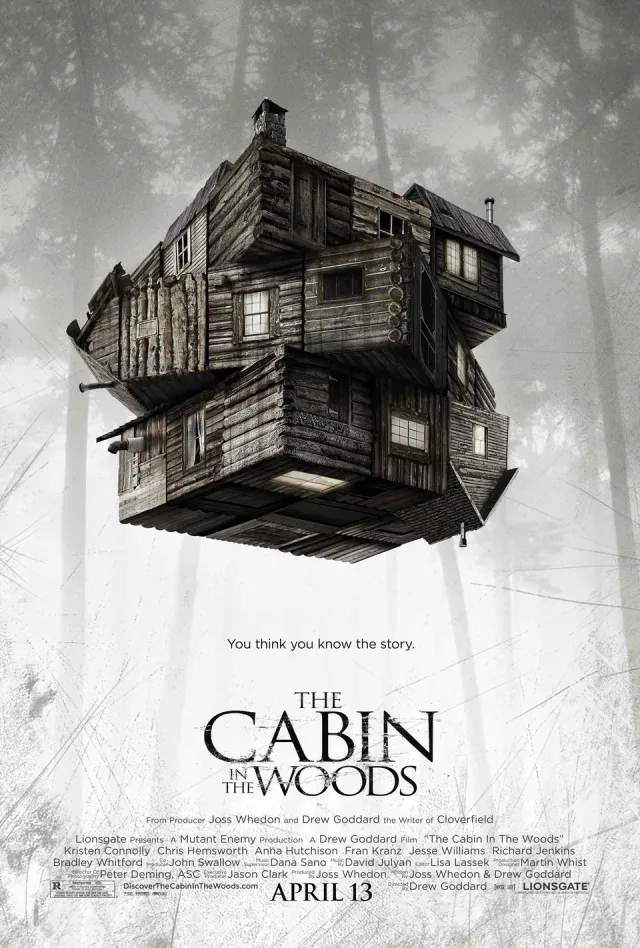
Five friends visit a remote cabin while technicians elsewhere monitor their behaviour and arrange the conditions for a lethal sequence of events. The visitors' apparently free choices activate threats selected through a concealed ritual system, making familiar horror situations part of an administered performance. As signs of manipulation accumulate, escaping the expected roles exposes an institution that regards individual suffering as necessary maintenance for a larger order.
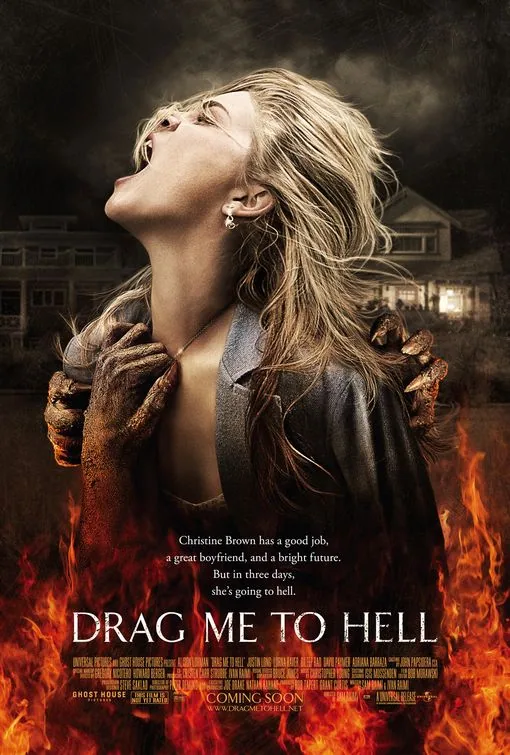
A loan officer seeking promotion refuses another extension to an elderly borrower, choosing the kind of toughness her manager rewards. A curse makes that decision return as an escalating bodily and supernatural assault, with a short deadline for finding a way out. Attempts to repair the situation become entangled with efforts to transfer its cost elsewhere, asking whether desperation changes her priorities or simply reveals the bargaining logic she initially accepted.
What drives the story
A professionally incentivized refusal produces a curse whose deadline drives successive bargains, making self-preservation increasingly difficult to distinguish from passing harm to another person. The curse externalizes a moral bargain, but each proposed transfer of it raises who will bear the cost.
The people at its centre
Christine's wish for recognition at work and within her boyfriend's social world meets advice that offers tactical relief without resolving the responsibility she wants removed. Her boyfriend offers support yet remains outside the escalating crisis, while occult expertise gives her imperfect tactical help.
What it feels like
Grotesque bodily gags and sudden aggressive attacks make the horror oscillate between disgust and anxious laughter, with apparent reprieves providing little stable comfort. Raimi mixes sudden bodily shocks, slapstick reversals and gross-out effects, making suspense swing into uncomfortable laughter.
Worth knowing
Match on ambition, displaced responsibility and a supernatural deadline, while examining the film's Romani caricature rather than treating its curse imagery as cultural knowledge. The film’s use of a Romani-coded borrower is caricatured; the curse is not cultural evidence or authentic belief.
AmbitionGuiltClass
Mood
Grotesque · Tense · Darkly humorous
Pacing
Escalating
Visual style
Grotesque · Exaggerated · Practical effects
Storytelling
Promotion-driven refusal · Curse deadline · Harm transferred by bargain