Explore films connected to Drunken Master II through cultural heritage and theft, discipline and family honor, comic excess in martial arts. Choose the qualities you want to carry into your next watch.
What should feel similar?
Find your next favourite
9 films · Closest overall matches
Hide films you’ve seen or don’t want. Saved on this device.
No matches for this combination yet.
Try another option or reset your choices to see more films.
Based on recorded story, mood and style. Your preferences can change the order.
What changes Drunken Master II: journey and mistaken exchange, comic home complications and extended martial-arts showdown. Supercop: rapid action episodes and comic complications build toward a sustained finale.
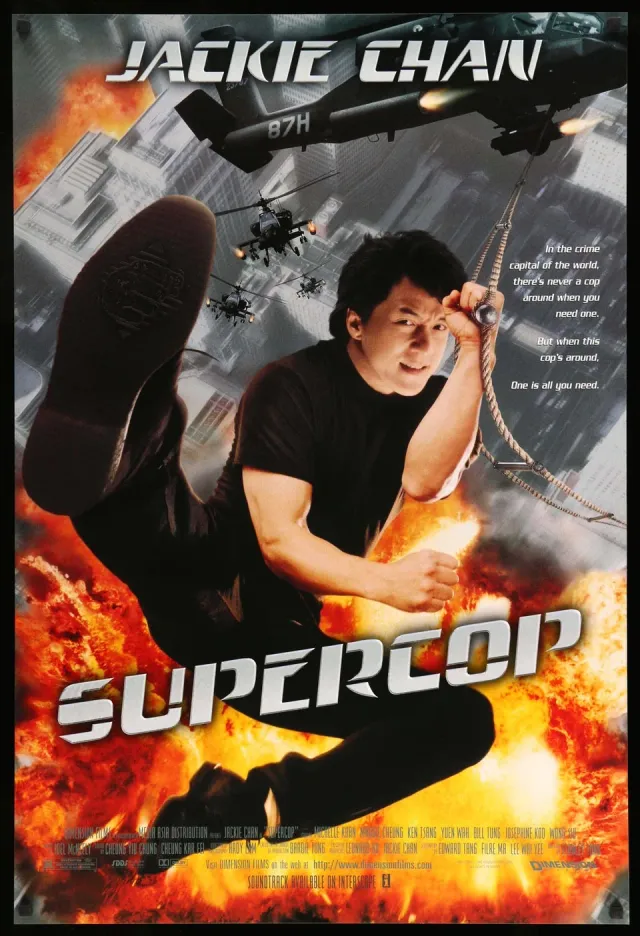
Hong Kong police inspector Chan Ka-Kui is sent undercover to infiltrate a drug syndicate led by Chaibat. Working with mainland Chinese officer Jessica Yang, he helps a prisoner escape so the man will introduce him to the gang. Maintaining that cover through village encounters and a return to Hong Kong requires improvisation, while Yang follows the operation under another identity. Their investigation runs through explosive fights, train and vehicle stunts, and a series of narrow escapes as the officers try to secure evidence against the trafficking network without exposing the mission.
Based on recorded story, mood and style. Your preferences can change the order.
What changes Drunken Master II: journey and mistaken exchange, comic home complications and extended martial-arts showdown. Shanghai Noon: brisk, journey-based and comic.
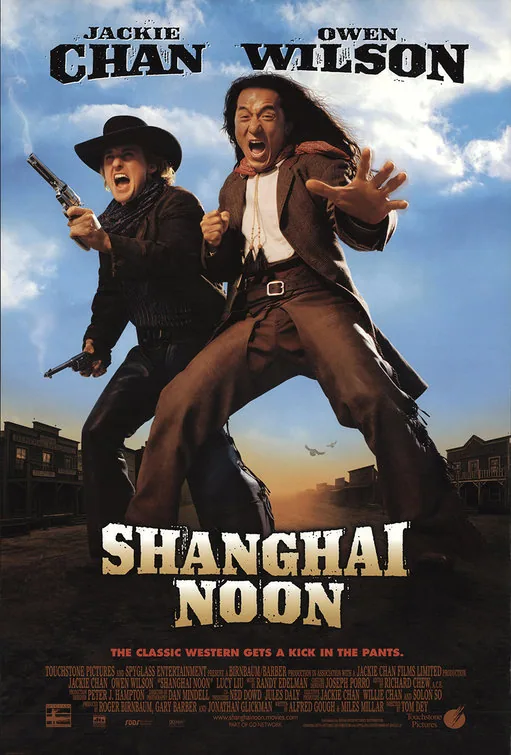
Chinese Imperial Guard Chon Wang travels to Nevada when Princess Pei-Pei is kidnapped from the Forbidden City, and ends up partnering with outlaw Roy O’Bannon after a train robbery goes wrong. Pei-Pei initially believes she has escaped an arranged marriage, then learns that rebel Lo Fong has used her flight to secure a ransom. Wang and Roy follow her trail through frontier towns while Roy teaches him cowboy habits and Wang’s martial-arts skill repeatedly overturns their plans. A parallel relationship with Falling Leaves makes Wang question his assumptions about belonging and romance.
Based on recorded story, mood and style. Your preferences can change the order.
What changes Drunken Master II: journey and mistaken exchange, comic home complications and extended martial-arts showdown. Shanghai Knights: brisk, globetrotting and set-piece driven.
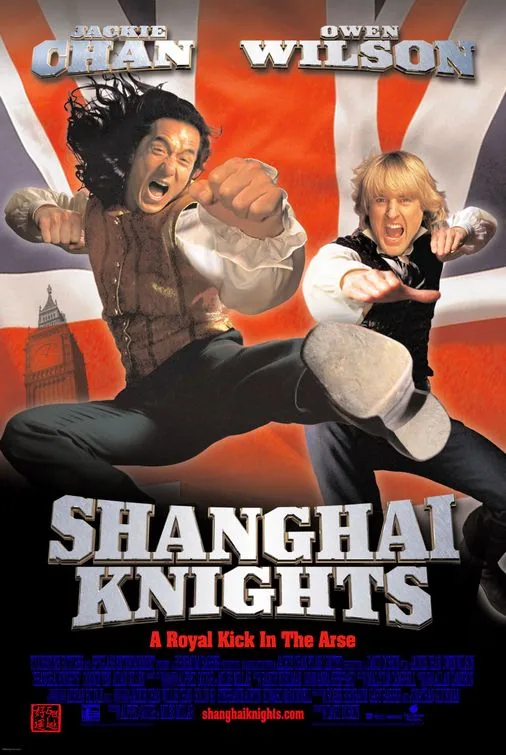
After an attack steals China’s Imperial Seal and kills their father, Chon Lin tracks the culprit to London and sends a puzzle box to her brother Chon Wang. Wang travels to New York to find his former partner Roy O’Bannon, now far removed from law enforcement, and the two follow the conspiracy across the Atlantic. Lin’s investigation points toward Lord Rathbone and a plot against the royal family, while Wang and Roy’s comic partnership clashes with the formality of Victorian London. Their allies include an aspiring writer whose later fame becomes one of the film’s historical jokes.
Based on recorded story, mood and style. Your preferences can change the order.
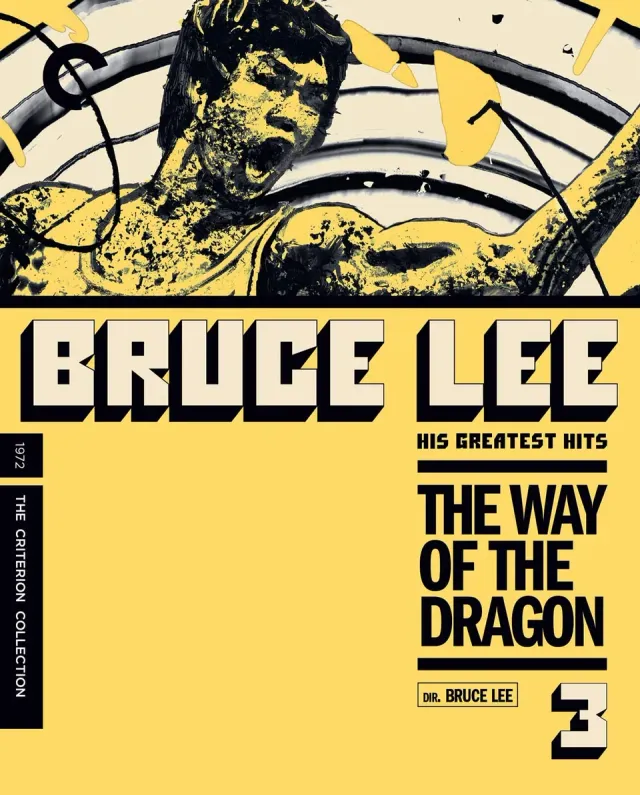
What changes Drunken Master II: journey and mistaken exchange, comic home complications and extended martial-arts showdown. Way of the Dragon: comic setup and fight escalation.
Tang Lung travels from Hong Kong to Rome to help relatives whose restaurant is being pressured by a criminal gang. His unfamiliarity with the city and its customs creates comic misunderstandings, but he quickly becomes the family’s defender when intimidation escalates. The gang hires skilled fighters, testing Tang’s discipline as he moves from protecting the restaurant to confronting its enemies directly. Bruce Lee wrote, directed and starred in the film, which builds toward a famous duel in the Colosseum rather than treating its martial arts as anonymous action. His arrival shows that straight talk and discipline matter as much as physical skill. Restaurant workers move from fearful dependence to active support as the gang's pressure intensifies.
Based on recorded story, mood and style. Your preferences can change the order.
Criminal underworld
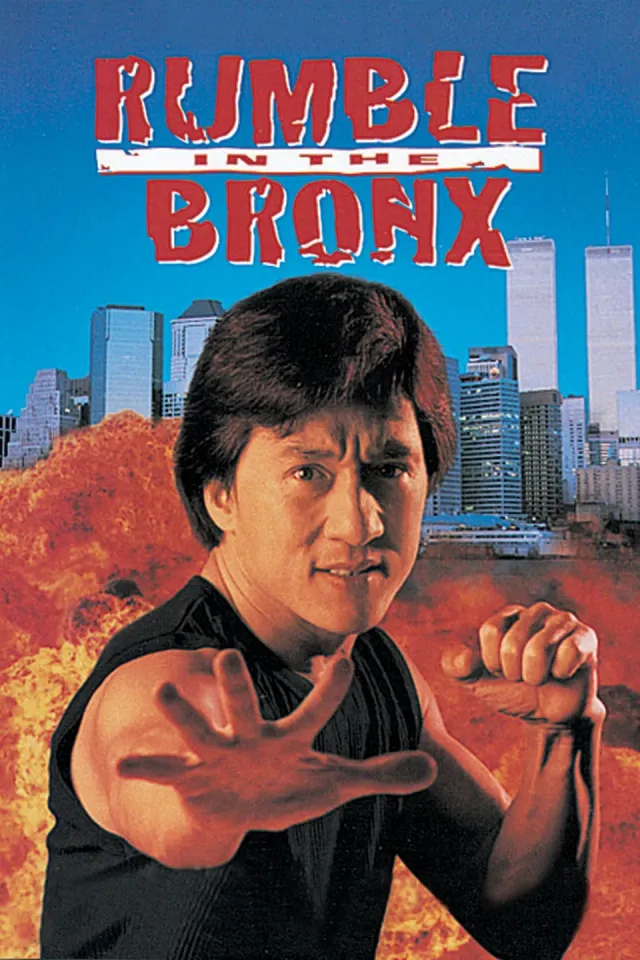
What changes Drunken Master II: journey and mistaken exchange, comic home complications and extended martial-arts showdown. Rumble in the Bronx: set-piece driven and escalating.
Hong Kong police officer Keung travels to New York for his uncle's wedding and becomes involved in a local gang conflict. His efforts to help a shop owner bring him into escalating chases and confrontations across the neighborhood. The action comedy uses the fish-out-of-water premise to introduce fast physical set pieces and a hero who relies on agility more than weapons.
Based on recorded story, mood and style. Your preferences can change the order.
Criminal underworld
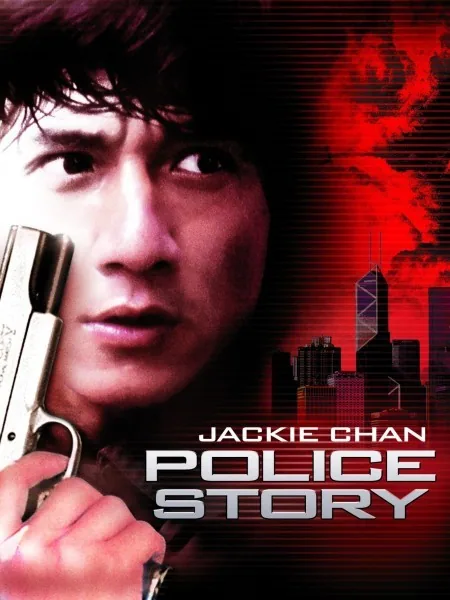
What changes Drunken Master II: journey and mistaken exchange, comic home complications and extended martial-arts showdown. Police Story: set-piece driven, rapid reversals, physical comedy and escalating action.
Hong Kong sergeant Chan Ka-kui leads an undercover operation against crime boss Chu Tao, but the sting spills into a shantytown shootout and a spectacular bus chase. Reprimanded by his superiors yet presented to the press as a model officer, Ka-kui is then assigned to protect Chu Tao’s secretary, Salina Fong, a reluctant witness. A staged attack meant to convince her of the danger instead drives her away from the case, and Chu Tao is released on bail. When a corrupt inspector frames Ka-kui for murder, the officer becomes a fugitive and tries to clear his name while protecting Salina. The pursuit converges on a shopping mall where the evidence and the crime boss’s men are both within reach.
Based on recorded story, mood and style. Your preferences can change the order.
Criminal underworld
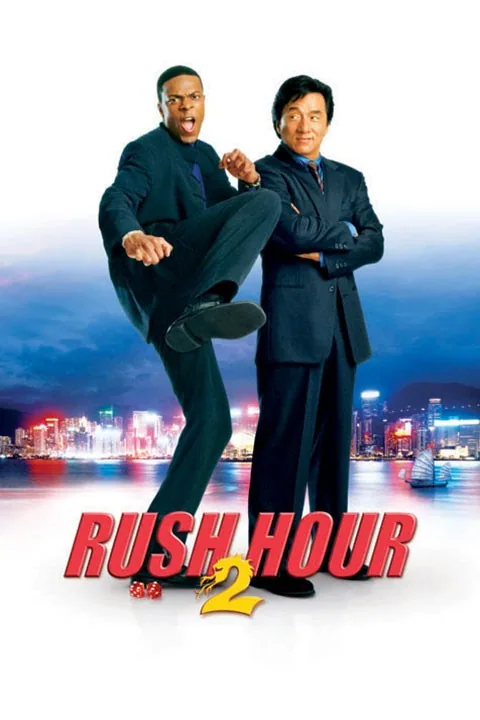
What changes Drunken Master II: journey and mistaken exchange, comic home complications and extended martial-arts showdown. Rush Hour 2: rapid, escalating and location-hopping.
Hong Kong detective Lee and LAPD officer James Carter are supposed to be enjoying Carter’s visit, but a bombing at the American consulate kills undercover agents and pulls Lee into a case tied to his father’s old partner, Ricky Tan. Their pursuit moves from a Triad-connected yacht to a counterfeit-currency operation in Los Angeles, where Secret Service jurisdiction and the volatile Hu Li repeatedly split the partners up. Lee’s need to settle a family betrayal gradually becomes as important as stopping the plot; Carter’s improvisation and appetite for spectacle keep disrupting his solemn investigations.
Based on recorded story, mood and style. Your preferences can change the order.
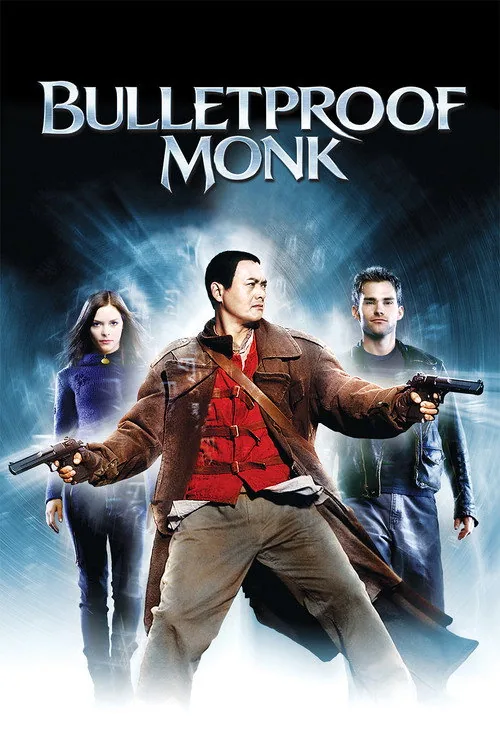
What changes Drunken Master II: journey and mistaken exchange, comic home complications and extended martial-arts showdown. Bulletproof Monk: prophecy and city encounter, training and pursuit and warehouse and rooftop action climax.
A nameless Tibetan monk has guarded a powerful scroll for decades, fleeing Nazi soldiers and later arriving in modern New York. He spots a pickpocket named Kar as a possible successor and begins training him while a ruthless descendant of the Nazi colonel hunts the scroll. Kar's street instincts, the monk's martial-arts skill, and the help of Jade become essential as the pursuers close in. The action comedy mixes ancient prophecy with urban chase scenes and the question of whether a selfish young man can become a worthy protector.
Based on recorded story, mood and style. Your preferences can change the order.
Criminal underworld
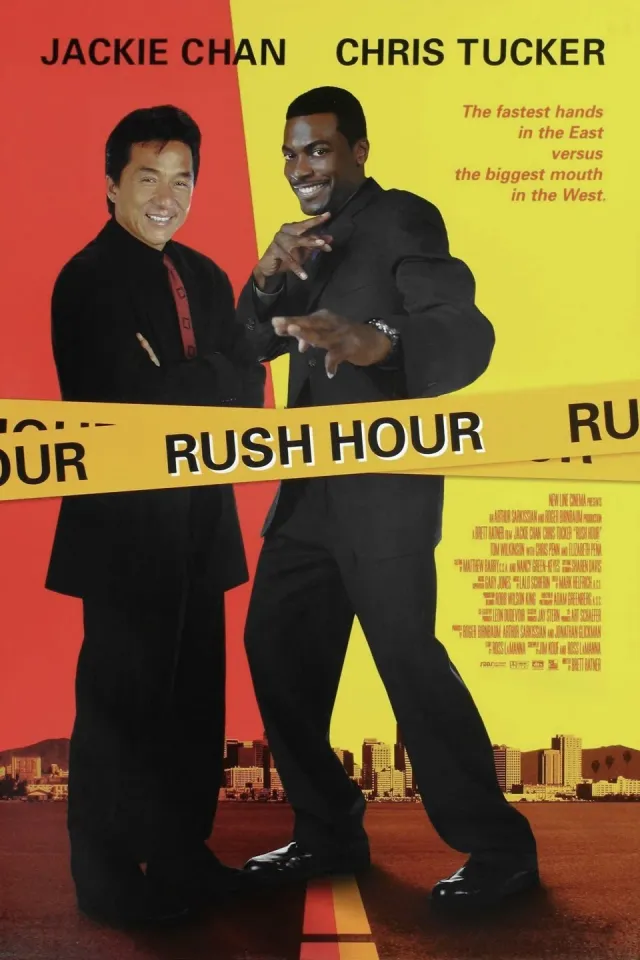
What changes Drunken Master II: journey and mistaken exchange, comic home complications and extended martial-arts showdown. Rush Hour: brisk, case-driven and set-piece led.
After Chinese consul Han’s daughter is kidnapped in Los Angeles, Hong Kong detective Lee travels to help with the case. The FBI sidelines him by assigning LAPD officer James Carter to keep him occupied, but Carter believes he has been given a serious assignment and starts investigating anyway. The two detectives clash over style and authority, then follow clues from a ransom call to a criminal network tied to stolen Chinese artifacts. They discover that a high-ranking official is involved and race to save Soo Yung before the ransom exchange becomes a larger attack.
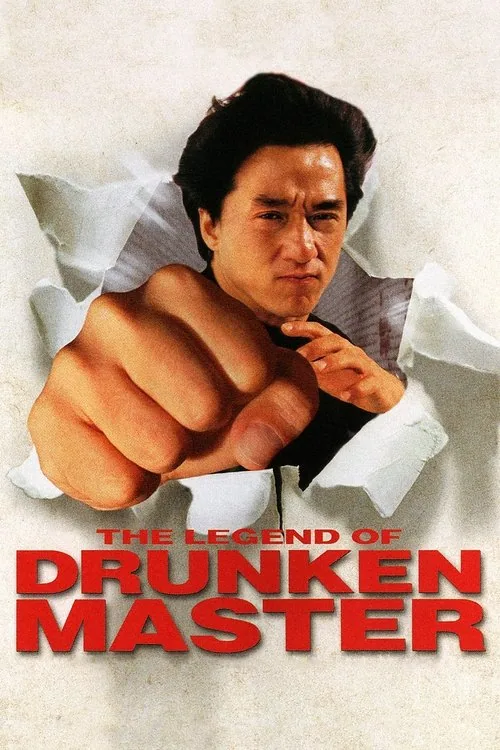
On a journey home to Canton, martial-arts master Wong Fei-hung accidentally exchanges boxes with a stranger and unknowingly takes a valuable Imperial Seal sought by British smugglers. Back home, the relic brings danger to his family, while Wong's use of drunken boxing draws his father's anger and threatens their reputation. As foreign agents pursue the artifact and local officials look away, Wong must defend the seal and confront the cost of his reckless fighting style. The comedy builds toward elaborate, physically inventive kung-fu battles.
What drives the story
Wong's accidental possession of the Imperial Seal draws him into a contest against smugglers while his drunken fighting causes trouble at home.
The people at its centre
His skill and confidence clash with his father's expectations of restraint, and his stepmother's schemes add affection and disorder to the household.
What it feels like
A classic Jackie Chan action comedy turns everyday objects and drunken style into elaborate stunt choreography and escalating physical humor.
Worth knowing
The relic-smuggling plot sets up the fights, but the film's defining appeal is its inventive drunken-boxing performance and family comedy.
cultural heritage and theftdiscipline and family honorcomic excess in martial arts
Mood
boisterous · kinetic · playful
Pacing
journey and mistaken exchange · comic home complications · extended martial-arts showdown
Visual style
intricate hand-to-hand choreography · physical comedy and props · traditional Cantonese period settings
Storytelling
accidental box swap hides Imperial Seal · British smugglers pursue Chinese artifacts · drunken boxing creates family conflict