Explore films connected to Emergency through democracy and power, leadership, political memory. Choose the qualities you want to carry into your next watch.
What should feel similar?
Find your next favourite
9 films · Closest overall matches
Hide films you’ve seen or don’t want. Saved on this device.
No matches for this combination yet.
Try another option or reset your choices to see more films.
Based on recorded story, mood and style. Your preferences can change the order.
Political resistance
What changes Emergency: historical milestones, speech-driven and dramatic. Ajey: The Untold Story of a Yogi: life-spanning, episodic and inspirational.
Inspired by a biography of Yogi Adityanath, the film traces Ajey's path from an introverted boy in the hills to a religious figure and political leader. It presents formative struggles, the influence of his guru, and decisions that lead him into public life and leadership in Uttar Pradesh. The Hindi political drama organizes a contemporary politician's biography as a story of transformation, conviction, and authority, asking viewers to follow the personal journey behind a prominent public identity.
Based on recorded story, mood and style. Your preferences can change the order.
Political resistance
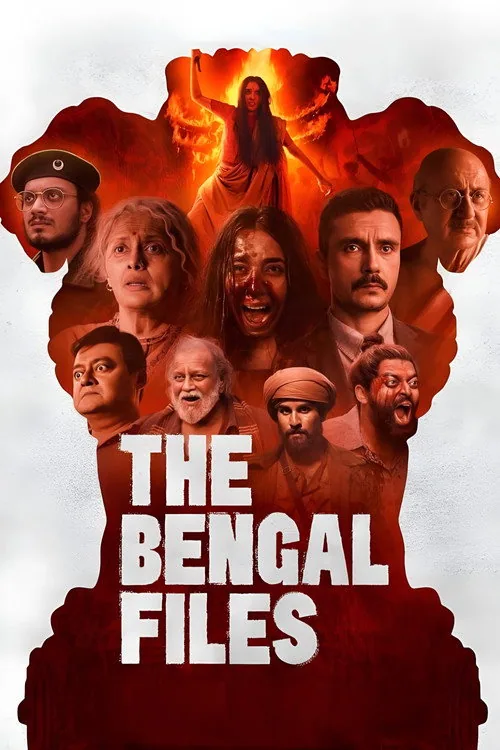
What changes Emergency: historical milestones, speech-driven and dramatic. The Bengal Files: event-driven, dramatic reconstruction and wide-ranging.
The Bengal Files dramatizes communal violence surrounding Direct Action Day in Calcutta in 1946 and the spread of killings into Noakhali and other parts of the Bengal Presidency. Its historical narrative frames these events as a pivotal, contested chapter on the road to independence and Partition. The Hindi political drama places communities and political actors inside a period of escalating violence, using dramatization to make public memory and competing interpretations of history part of the story.
Based on recorded story, mood and style. Your preferences can change the order.
Political resistance
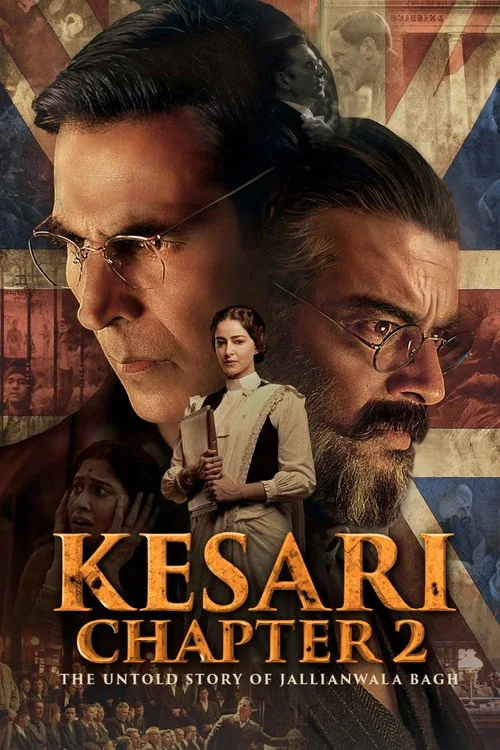
Expect solemn and defiant, with argument-driven and dramatic pacing.
Lawyer C. Sankaran Nair challenges the British account of the Jallianwala Bagh massacre and pursues accountability through a legal confrontation. The film begins with the violence in Amritsar and follows the survivors, witnesses, and officials whose testimony brings the event into a courtroom. Rather than centering battlefield action, Kesari Chapter 2 frames history as a struggle over evidence and public memory, asking how an empire can be compelled to answer for violence against civilians.
Based on recorded story, mood and style. Your preferences can change the order.
Political resistance
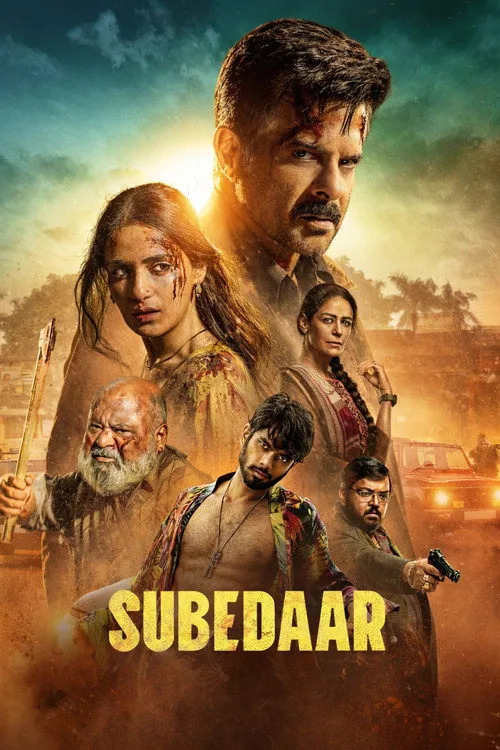
What changes Emergency: historical milestones, speech-driven and dramatic. Subedaar: action-forward, character-led and escalating.
Recently retired Subedaar Arjun Maurya returns to civilian life in the Indian heartland, grieving his wife and living at a distance from his daughter. One reckless act draws him into a confrontation with local disorder and people accustomed to abusing their power. Arjun's military discipline can settle immediate threats, but it cannot by itself repair his family or teach him how to live outside the army. The action drama grounds its fights in the difficult transition from service to ordinary life.
Based on recorded story, mood and style. Your preferences can change the order.
Memory and identity
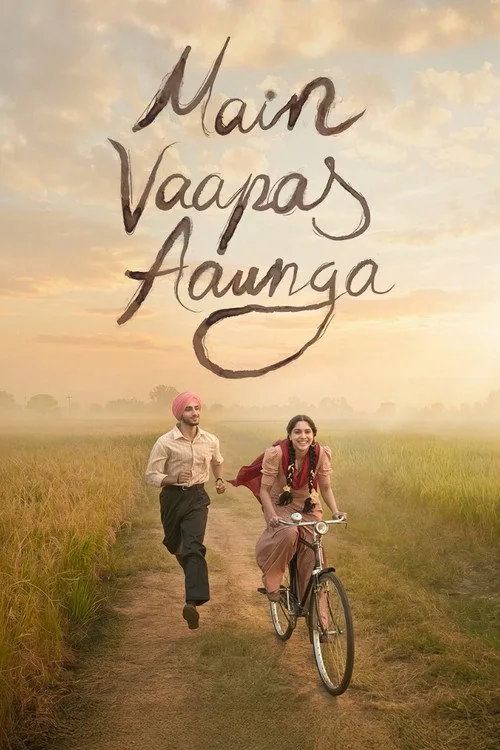
What changes Emergency: historical milestones, speech-driven and dramatic. Main Vaapas Aaunga: reflective, past-and-present structure and emotional.
At 95, Ishar Singh Grewal is nearing the end of his life but remains fixated on returning to Sargodha, the home he left during Partition. His grandson Nirvair tries to understand his fragmented memories, which carry the story back to the young Ishar's romance with Afsana and their separation amid the mass displacement of 1947. The historical drama links dementia and family memory to a love story interrupted by political violence and the unresolved ache of an abandoned homeland.
Based on recorded story, mood and style. Your preferences can change the order.
Memory and identity
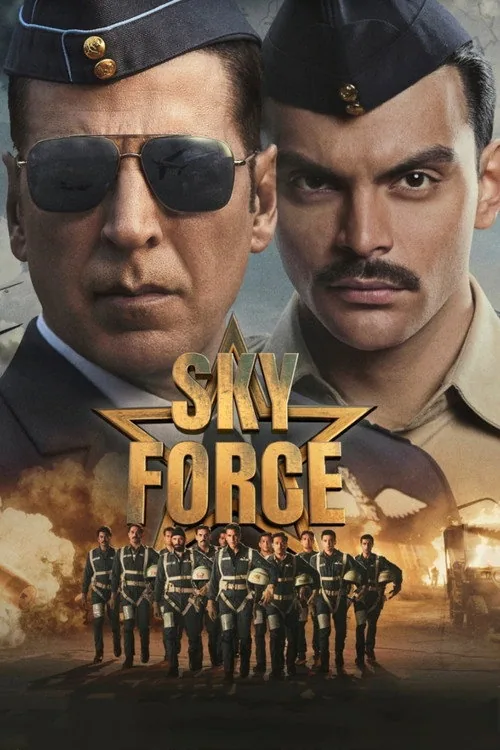
What changes Emergency: historical milestones, speech-driven and dramatic. Sky Force: mission-based, dramatic reveals and aerial action.
Set around Indian Air Force pilots during the 1965 and 1971 conflicts, Sky Force follows Group Captain K. O. Ahuja and his protégé T. K. Vijaya, known as Tabby. Ahuja's investigation into a captured Pakistani pilot's record forces him to revisit an earlier air battle and the loss of his colleague. The Hindi war drama combines aerial missions with a personal search for recognition, asking how official histories remember sacrifice and how surviving comrades carry it forward.
Based on recorded story, mood and style. Your preferences can change the order.
Political resistance
What changes Emergency: historical milestones, speech-driven and dramatic. The Diplomat: procedural, steadily escalating and dialogue-led.
Indian diplomat J. P. Singh is approached by Uzma Ahmed, who says she was taken to Pakistan and forced into marriage. Singh must navigate government channels, legal claims, and the political tension between India and Pakistan as he works to help her return. Based on a real case, the Hindi political thriller locates suspense in negotiations and procedure, following a professional whose decisions carry human consequences across a highly charged border.
Based on recorded story, mood and style. Your preferences can change the order.
Memory and identity
What changes Emergency: historical milestones, speech-driven and dramatic. Hanuman Ansh: biographical, episodic and reflective.
At thirteen, Lakshminarayan leaves his home in the Braj region after his mother's death, believing that devotion to Rama may allow them to be reunited. Guided by the Hanuman Chalisa, he travels to a Vaishnava temple, where an elderly mahant recognizes his spiritual inclination and tests his commitment. The Hindi biographical drama follows the childhood and formation of a future religious leader, placing grief, discipline, and faith at the center of a coming-of-age journey.
Based on recorded story, mood and style. Your preferences can change the order.
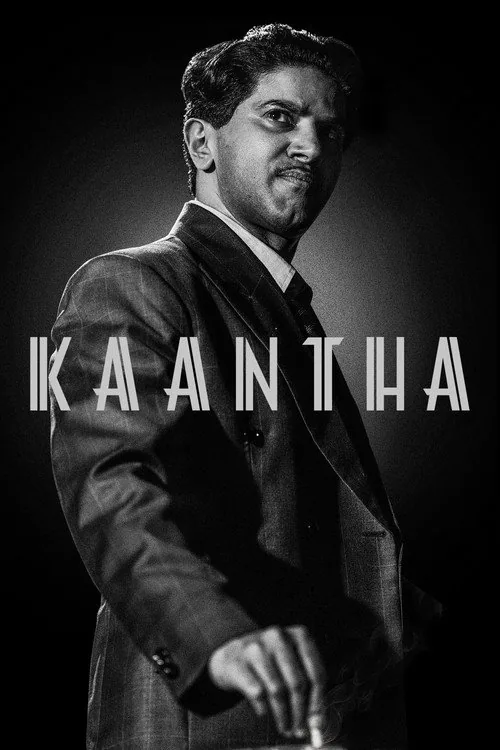
What changes Emergency: historical milestones, speech-driven and dramatic. Kaantha: mystery-driven, dialogue and performance and revealing.
In 1950s Madras, celebrated director Ayya is asked to revive his shelved film Shaantha, but only if rising star T. K. Mahadevan plays the lead. Ayya helped establish Mahadevan, yet the two now clash over authority and artistic control. Mahadevan renames the film Kaantha and changes its story to suit his image, pushing the original director aside. When a murder occurs on the film set, the period crime thriller turns the production into an investigation shaped by ego, fame, and competing visions of cinema.
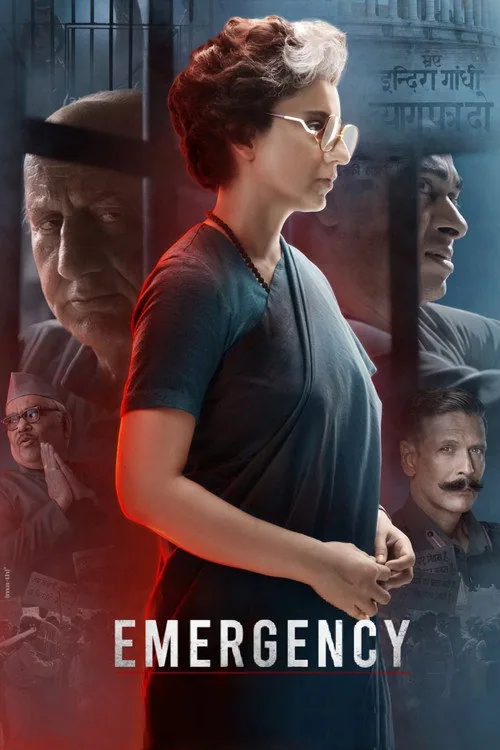
The film follows Indira Gandhi's rise within the Congress Party and her consolidation of authority in the years after independence, culminating in the 1975 Emergency. It dramatizes key political choices, including the 1971 war and the declaration of internal emergency, through the perspective of a leader whose public strength is inseparable from controversial power. Emergency is a Hindi biographical political drama about how a state of exception reshapes institutions, opposition, and the meaning of leadership.
What drives the story
The rise of Indira Gandhi leads into the political crisis and decisions surrounding the 1975 Emergency.
The people at its centre
Gandhi's authority is presented through the allies and opponents who shape her decisions and legacy.
What it feels like
The film dramatizes political turning points through speeches, institutional conflict, and a central historical figure.
Worth knowing
Its subject is a contested period in Indian democracy, rather than a private portrait isolated from public power.
democracy and powerleadershippolitical memory
Mood
solemn · dramatic · controversial
Pacing
historical milestones · speech-driven · dramatic
Visual style
period political reconstruction · government interiors · public rallies
Storytelling
biographical political drama · 1975 Emergency · leader under scrutiny