Explore films connected to Enough Said through midlife intimacy, insecurity and perception, parenting and change. Choose the qualities you want to carry into your next watch.
What should feel similar?
Find your next favourite
9 films · Closest overall matches
Hide films you’ve seen or don’t want. Saved on this device.
No matches for this combination yet.
Try another option or reset your choices to see more films.
Based on recorded story, mood and style. Your preferences can change the order.
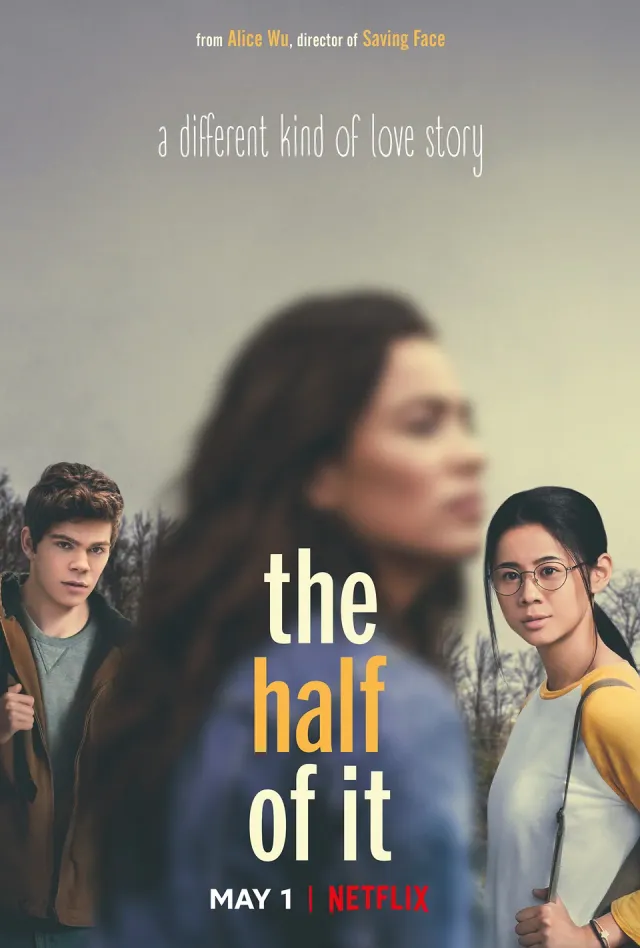
What changes Enough Said: conversational and gradual relationship development. The Half of It: essay-for-hire setup, messages and misunderstandings, friendship deepens and emotional disclosure and departure.
Ellie Chu lives in a small Washington town with her widowed father and earns money by writing classmates’ essays. Paul, an inarticulate football player, asks her to help him court Aster, a girl Ellie secretly loves herself. Ellie begins sending messages as Paul, but their collaboration becomes a genuine friendship and the feelings among all three grow more complicated. Alice Wu’s coming-of-age comedy-drama reworks Cyrano de Bergerac as a quiet story about queer identity, family responsibility, and the risk of being known.
Based on recorded story, mood and style. Your preferences can change the order.
What changes Enough Said: conversational and gradual relationship development. Love Hard: brisk romantic-comedy beats and holiday ensemble scenes.
Natalie, a Los Angeles writer tired of bad dates, travels across the country to surprise a man she met on a dating app. She discovers that the profile belongs to Josh, who used another person’s photos, and the two make a deal that ties them together through the holidays. As Natalie spends time with Josh’s family and confronts the difference between online personas and real connection, the romantic comedy mixes a catfishing setup with seasonal family humor and a question about what makes a relationship feel genuine.
Based on recorded story, mood and style. Your preferences can change the order.
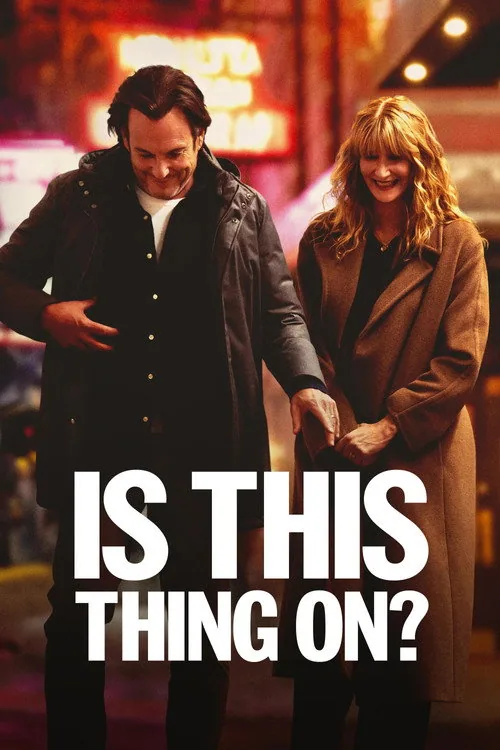
What changes Enough Said: conversational and gradual relationship development. Is This Thing On?: marriage ends quietly, comedy clubs offer alex a new outlet and tess and alex revisit their choices.
As Alex and Tess's marriage quietly unravels, Alex moves into a new phase of middle age and begins trying stand-up comedy in New York clubs. Tess reflects on the sacrifices she made for their family and the parts of her identity that may have gone unrecognized. Their separation reshapes daily life and co-parenting, while each tries to understand whether the relationship is ending or changing into something else. Bradley Cooper's comedy-drama uses the open-mic stage as a setting for Alex's search for purpose and a more intimate view of two people reassessing a long partnership.
Based on recorded story, mood and style. Your preferences can change the order.
What changes Enough Said: conversational and gradual relationship development. The Sisterhood of the Traveling Pants: interwoven episodes, gentle emotional build and alternating character arcs.
Four lifelong friends face their first summer apart as family changes, travel, romance, and personal challenges take each of them in a different direction. A pair of jeans that seems to fit all four becomes their shared keepsake, mailed between destinations with letters describing what each girl is learning. The structure moves among distinct coming-of-age stories while the friends sustain one another from a distance. The adaptation balances youthful comedy with grief, uncertainty, and the awkward work of becoming more independent without losing a close friendship.
Based on recorded story, mood and style. Your preferences can change the order.
What changes Enough Said: conversational and gradual relationship development. Happiest Season: travel reveal and family arrival, comic holiday misunderstandings and public confrontation and reconciliation.
Abby plans to propose to her girlfriend Harper during a Christmas visit with Harper's family, but learns on the drive that Harper has not come out to her conservative parents. Asked to pose as a straight roommate until after the holiday, Abby enters an elaborate family performance shaped by a mayoral campaign, sibling rivalry, and old relationships. The festive comedy keeps the couple's private commitment in tension with public concealment, asking what honesty and acceptance require from partners and families.
Based on recorded story, mood and style. Your preferences can change the order.
What changes Enough Said: conversational and gradual relationship development. Girls Trip: ensemble and escalating.
A group of college friends reunites for a trip to New Orleans, where lifestyle entrepreneur Ryan is scheduled to speak at the Essence Festival. Sasha, Lisa and Dina arrive with different disappointments and expectations, and old friendships resurface amid performances, nightlife and public misadventures. The comedy celebrates the energy of women reconnecting while allowing career strain, parenting and money worries to remain part of the trip’s emotional background.
Based on recorded story, mood and style. Your preferences can change the order.
What changes Enough Said: conversational and gradual relationship development. Punch-Drunk Love: uneven comic rhythm with short bursts of intensity.
Barry Egan runs a small novelty-goods business, lives with persistent social anxiety, and endures the teasing of seven sisters who dominate family gatherings. When he meets Lena, an acquaintance of one sister, the possibility of intimacy arrives alongside an extortion scheme tied to a phone-sex hotline. The romantic drama follows Barry’s awkward attempts to manage anger and connection, using an offbeat comic rhythm to make ordinary interactions feel emotionally heightened.
Based on recorded story, mood and style. Your preferences can change the order.
What changes Enough Said: conversational and gradual relationship development. An Unmarried Woman: character-led, gradual and open-ended.
When her husband tells Manhattan gallery worker Erica Benton that he loves another woman and wants a divorce, Erica must rebuild a life that had seemed secure. She relies on her teenage daughter, close friends, and a therapist while adjusting to living alone and returning to dating. A relationship with artist Saul Kaplan opens new possibilities but also raises questions about independence, intimacy, and the expectations Erica has carried into middle age.
Based on recorded story, mood and style. Your preferences can change the order.
What changes Enough Said: conversational and gradual relationship development. The Kissing Booth 2: senior-year setup, rival attractions and secrets, college decision pressure and school-event climax.
Elle begins senior year worried about her long-distance relationship with Noah, who is at Harvard, and her lifelong plan to attend Berkeley with best friend Lee. New classmates and a dance competition add pressure as she secretly considers another college and tries to read Noah’s friendship with Chloe. Elle also grows closer to Marco, a transfer student asked to take part in the school’s kissing booth. Vince Marcello’s sequel returns to the series’ bright teen-romance world while testing loyalty, jealousy, and the choices that accompany growing up.
Eva, a divorced massage therapist and mother, begins a tentative relationship with Albert, a warm, soft-spoken father whose daughter is about to leave for college. At the same time, Eva becomes friends with a new client, Marianne, who talks openly about her former husband without Eva realizing that he is Albert. Secondhand stories begin to color Eva’s view of the man she is getting to know. Nicole Holofcener’s romantic comedy-drama follows adults navigating intimacy, insecurity, and parenting with gentle humor and careful attention to everyday conversation.
What drives the story
Eva’s new friendship and romance overlap, making private judgments increasingly difficult to separate from direct experience.
The people at its centre
Eva and Albert build an appealing connection while each manages children, former partners, and fears about being judged.
What it feels like
The film uses quiet jokes and adult conversation to create a humane, low-key portrait of dating after divorce.
Worth knowing
Its conflict comes from social perception and everyday insecurity, rather than a dramatic breakup, love triangle, or broad farce.
midlife intimacyinsecurity and perceptionparenting and change