Explore films connected to Escape from Pretoria through resistance to apartheid, ingenuity under confinement, solidarity and courage. Choose the qualities you want to carry into your next watch.
What should feel similar?
Find your next favourite
9 films · Closest overall matches
Hide films you’ve seen or don’t want. Saved on this device.
No matches for this combination yet.
Try another option or reset your choices to see more films.
Based on recorded story, mood and style. Your preferences can change the order.
Escape and pursuit
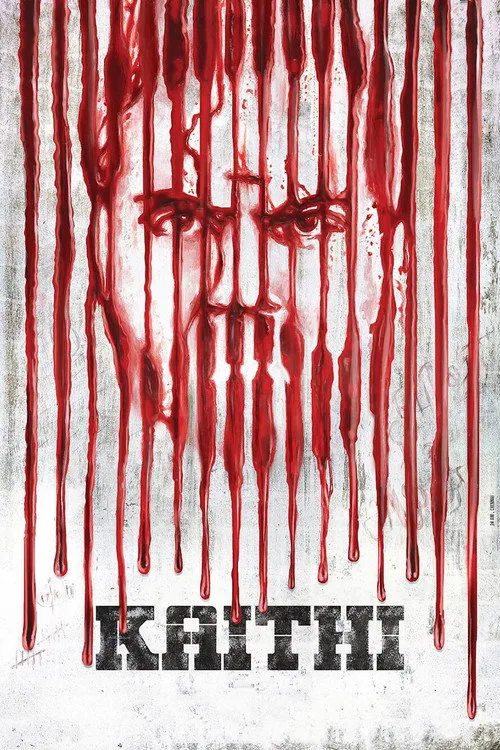
What changes Escape from Pretoria: arrest and imprisonment establish constraints, careful preparation accumulates small wins and escape attempt tests timing and nerve. Kaithi: operation collapse and urgent transport, one-night attacks and reversals and reunion and sequel-tinged reveal.
Newly released prisoner Dilli hopes to meet his young daughter for the first time, but a police operation leaves a group of officers unconscious after they are poisoned at a party. Inspector Bejoy needs a driver who can move the officers to a hospital while a narcotics gang hunts the surviving police and tries to recover seized drugs. Dilli agrees to help, driving through the night with the officers and a young college student, while criminals attack the route and his own past threatens his chance at a family life.
Based on recorded story, mood and style. Your preferences can change the order.
Escape and pursuit
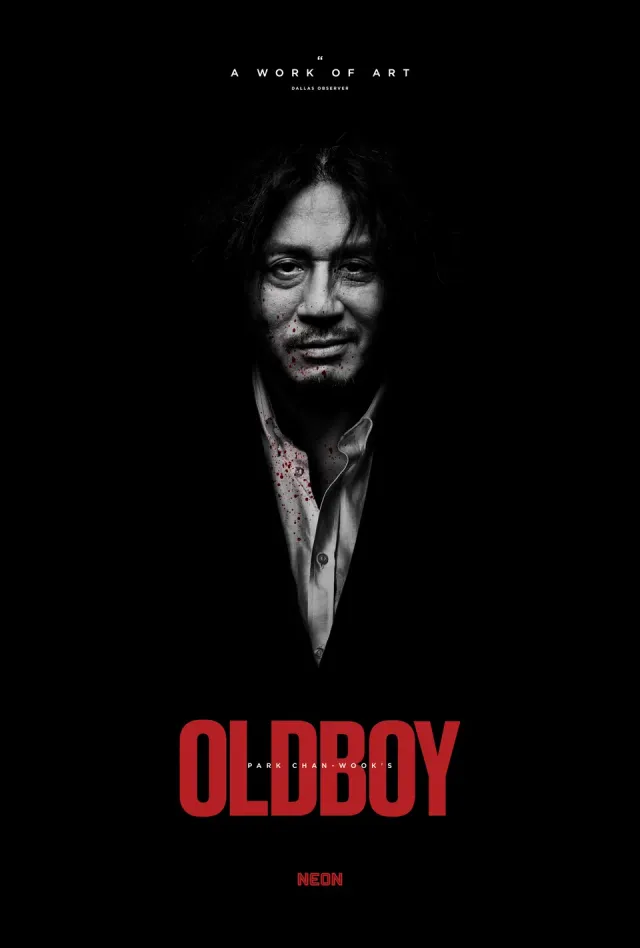
What changes Escape from Pretoria: arrest and imprisonment establish constraints, careful preparation accumulates small wins and escape attempt tests timing and nerve. Oldboy: intense.
A man imprisoned without explanation for fifteen years is abruptly released into a world where his missing family and damaged memory offer few reliable anchors. With help from a young woman, he follows small material clues toward the people who confined him. His demand to know why becomes part of another person's continuing design, turning the search for revenge into a disturbing inquiry about responsibility, intimacy and knowledge he may not want to possess.
Based on recorded story, mood and style. Your preferences can change the order.
Escape and pursuit
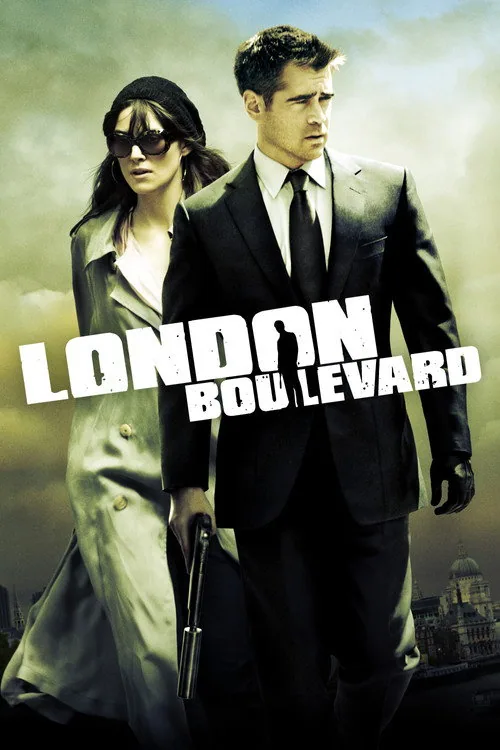
What changes Escape from Pretoria: arrest and imprisonment establish constraints, careful preparation accumulates small wins and escape attempt tests timing and nerve. London Boulevard: release and new-job setup, romance and criminal pressure and violent reckoning with former associates.
Recently released from prison, Harry Mitchel refuses to return to the criminal crew that wants him back and instead accepts work protecting a reclusive former actress, Charlotte. The job offers a quieter routine, but paparazzi, corrupt police, and his old associates keep crossing the boundary between her private home and London's criminal streets. As Harry and Charlotte grow closer, the crime boss becomes less willing to accept his independence. The story follows a man trying to leave violence behind in a city where fame and organized crime both demand access.
Based on recorded story, mood and style. Your preferences can change the order.
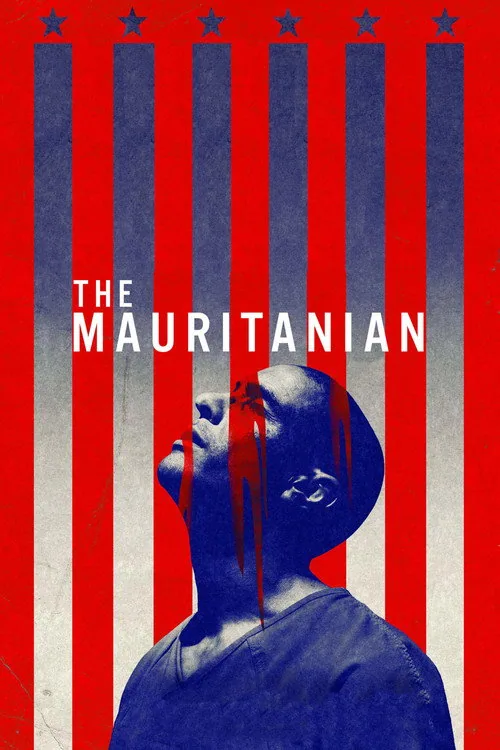
What changes Escape from Pretoria: arrest and imprisonment establish constraints, careful preparation accumulates small wins and escape attempt tests timing and nerve. The Mauritanian: legal case progression, parallel moral reassessment and periods of confinement and testimony.
Mohamedou Ould Slahi is detained at Guantánamo Bay without charge, and attorney Nancy Hollander takes on his case with associate Teri Duncan. Their effort to secure a hearing confronts government secrecy, military procedure, and Slahi’s account of prolonged imprisonment and torture. A military prosecutor, Stuart Couch, also reassesses the case as he encounters evidence about how the detention was handled. Kevin Macdonald’s legal drama is based on Slahi’s memoir and centers on due process, state power, and the human effects of indefinite detention.
Based on recorded story, mood and style. Your preferences can change the order.
Political resistance
What changes Escape from Pretoria: arrest and imprisonment establish constraints, careful preparation accumulates small wins and escape attempt tests timing and nerve. The East: infiltration setup, operation-by-operation escalation and moral reckoning.
Jane, a former FBI agent working for a private intelligence firm, assumes the identity Sarah and infiltrates The East, a clandestine group that retaliates against corporations accused of environmental and public-health abuses. As she joins their disruptive operations, she encounters members whose lives were damaged by the companies they target and grows close to the group's charismatic Benji. Her assignment becomes harder to separate from her conscience as the activists' tactics escalate and personal loyalties shift.
Based on recorded story, mood and style. Your preferences can change the order.
What changes Escape from Pretoria: arrest and imprisonment establish constraints, careful preparation accumulates small wins and escape attempt tests timing and nerve. Sympathy for Lady Vengeance: chaptered, measured and escalating.
Lee Geum-ja is released from prison after thirteen years for a child’s murder she did not commit. The public remembers her as a model prisoner, but her apparent transformation concealed a plan to punish the real killer, a former teacher who coerced her into taking the blame. Geum-ja gathers help from former inmates and reconnects with her daughter. Park Chan-wook’s South Korean neo-noir follows revenge through questions of guilt, punishment, faith, and whether retaliation can bring relief.
Based on recorded story, mood and style. Your preferences can change the order.
Political resistance · Escape and pursuit
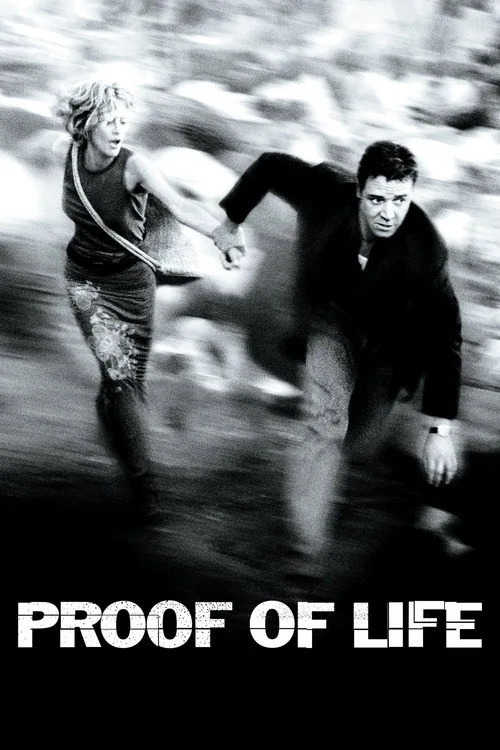
What changes Escape from Pretoria: arrest and imprisonment establish constraints, careful preparation accumulates small wins and escape attempt tests timing and nerve. Proof of Life: slow negotiation pressure, jungle action sequences and rescue-focused climax.
Engineer Peter Bowman is abducted by guerrillas while working on an infrastructure project in a fictional South American country. Because his employer lacks kidnapping insurance, professional negotiator Terry Thorne is unable to secure the usual corporate support, leaving Peter's wife Alice to navigate a frightening wait and a changing political landscape. Terry uses his experience to pursue a rescue while ransom demands and rebel motives shift. The thriller combines hostage negotiation with the moral and practical limits of private crisis management.
Based on recorded story, mood and style. Your preferences can change the order.
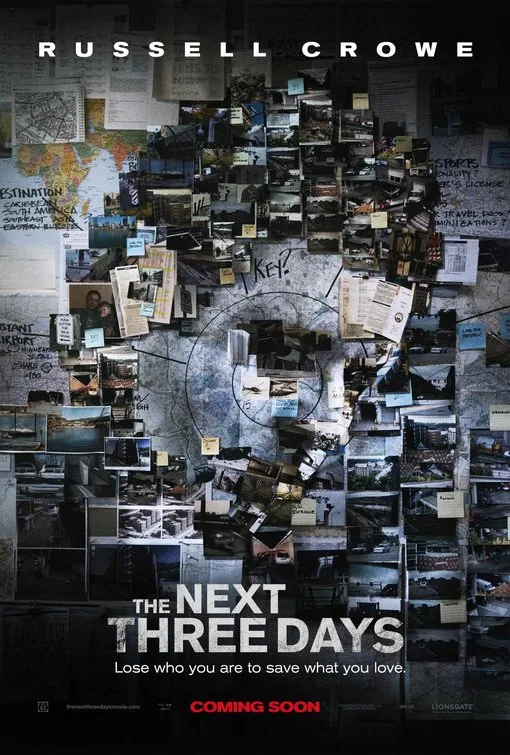
What changes Escape from Pretoria: arrest and imprisonment establish constraints, careful preparation accumulates small wins and escape attempt tests timing and nerve. The Next Three Days: plan-driven and accelerating.
When Lara Brennan is convicted of murder, her husband John refuses to accept that family life is over. As legal appeals fail and their young son grows distant, John studies the prison system and prepares a dangerous escape. Paul Haggis frames the thriller around a civilian pushed into planning an increasingly elaborate operation, mixing marriage drama with procedural obstacles and the practical strain of a rescue attempt.
Based on recorded story, mood and style. Your preferences can change the order.
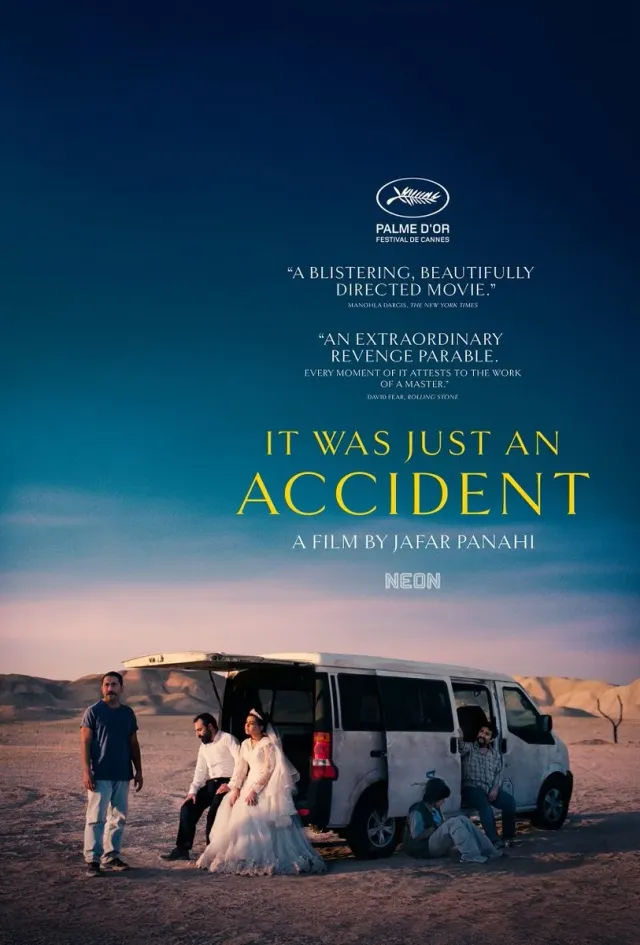
What changes Escape from Pretoria: arrest and imprisonment establish constraints, careful preparation accumulates small wins and escape attempt tests timing and nerve. It Was Just an Accident: journey-based and building tension.
A mechanic believes he has recognized the former prison official who tortured him, identified by the sound of a prosthetic leg. Unable to be certain, he turns to other former detainees, and each person's reaction complicates the decision about what should happen next. Jafar Panahi builds a tense moral road story from doubt, memory and revenge, asking how people carry the past when legal accountability remains uncertain.
Anti-apartheid activists Tim Jenkin and Stephen Lee are arrested in 1978 and sentenced to long terms in Pretoria Prison. With fellow political prisoner Denis Goldberg warning them about the risks, Tim begins studying the locks, routines, and blind spots of the institution. He secretly makes wooden keys and coordinates preparations with other inmates. Their escape plan depends on precision, patience, and trust, turning ordinary prison routines into opportunities to challenge the system holding them captive.
What drives the story
Tim Jenkin develops a plan to escape Pretoria Prison by studying its locks and making wooden keys for himself and others.
The people at its centre
Tim's persistence draws Stephen and additional prisoners into a risky plan, even as older activist Goldberg urges caution.
What it feels like
A confined historical thriller builds suspense from practical preparation, repeated routines, and the precise handling of homemade keys.
Worth knowing
Its escape depends on quiet craft and political imprisonment, rather than a breakout organized through force or elaborate technology.
resistance to apartheidingenuity under confinementsolidarity and courage
Mood
tense · resourceful · hopeful
Pacing
arrest and imprisonment establish constraints · careful preparation accumulates small wins · escape attempt tests timing and nerve
Visual style
confined prison corridors and cells · close attention to handmade keys · restrained period recreation
Storytelling
political prisoners design a lock-based escape · wooden keys enable progress through prison · true story sets procedural stakes