weather and oxygen limits turning rescue into a tradeoff of risks
Why this matches +
Selected for the central appeal: Survival dramas about climbers, dangerous conditions and difficult rescue decisions.
Genres: Action / Adventure
Shared film traits
Based on recorded story, mood and style. Your preferences can change the order.
Survival
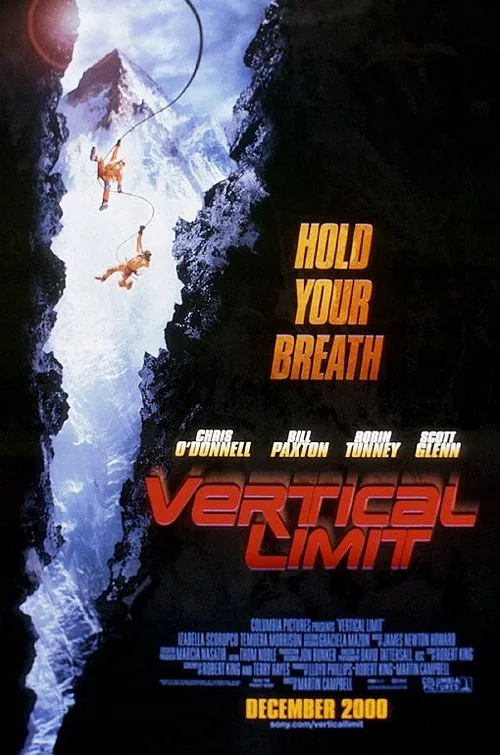
What changes Vertical Limit follows climbers attempting a dangerous mountain rescue in severe conditions.
After a climbing expedition on K2 ends in catastrophe, a former climber joins a dangerous rescue attempt to save his sister and other mountaineers. A storm, unstable terrain and dwindling supplies make each decision consequential, while the team must decide how much risk to accept for people above them. This survival thriller centers on high-altitude rescue and sibling obligation.
The team must find a workable extraction plan as water, time, and the boys’ physical condition narrow the available choices.
Why this matches +
These offer a related experience with a meaningful difference in story, tone, or presentation.
An adjacent discovery: a related idea with a different viewing experience.
Genres: Drama / Thriller
Shared film traits
Based on recorded story, mood and style. Your preferences can change the order.
Survival
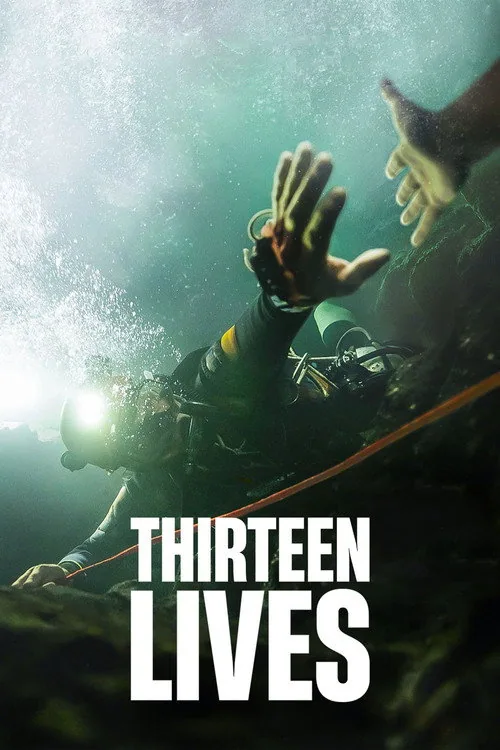
What changes Thirteen Lives depicts a complex rescue where terrain, timing and communication constrain every decision.
When monsoon flooding traps twelve boys and their football coach deep inside Thailand’s Tham Luang cave, rising water cuts off their route to the surface. Thai authorities, military personnel, volunteers, and cave divers from several countries coordinate a rescue under extreme time pressure. Ron Howard’s dramatization follows the technical and ethical debate over how to bring the group out through narrow flooded passages, where every dive carries serious risk. The story is based on the 2018 rescue operation.
The diver’s tether makes the danger legible as a concrete working condition.
Why this matches +
These offer a related experience with a meaningful difference in story, tone, or presentation.
An adjacent discovery: a related idea with a different viewing experience.
Genres: Drama / Thriller
Shared film traits
Based on recorded story, mood and style. Your preferences can change the order.
Survival
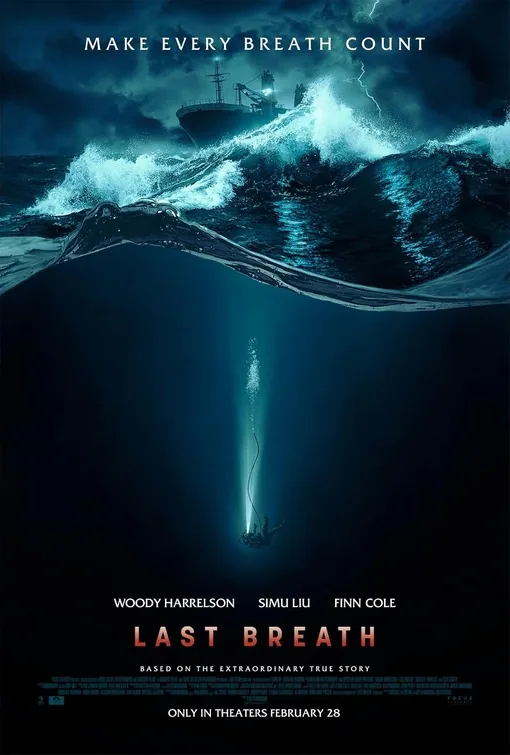
What changes Last Breath follows specialists racing to rescue a colleague in a hostile environment.
Saturation divers Chris Lemons, Duncan Allcock, and David Yuasa maintain underwater gas pipelines from a vessel in the North Sea. When Chris is stranded at depth after his umbilical line is severed, his colleagues and the surface crew race to locate and recover him. The survival drama builds suspense from a real industrial emergency, emphasizing technical coordination, professional trust, and the limits of human endurance in a hostile environment.
An immovable physical trap turns a solitary excursion into a sequence of resource decisions with a steadily diminishing margin for delay.
Why this matches +
These offer a related experience with a meaningful difference in story, tone, or presentation.
An adjacent discovery: a related idea with a different viewing experience.
Genres: Drama / Biography
Shared film traits
Based on recorded story, mood and style. Your preferences can change the order.
Survival
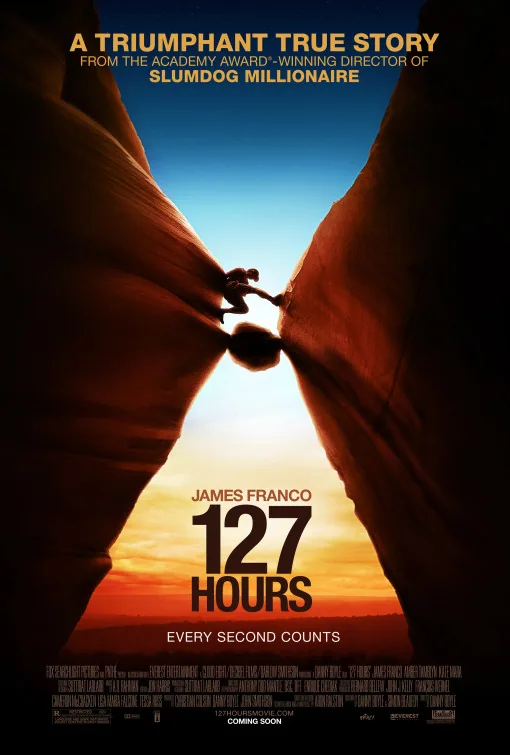
What changes 127 Hours follows a climber confronting injury, isolation and the practical limits of rescue.
An experienced outdoorsman exploring a remote canyon alone becomes trapped when a falling boulder pins his arm. Without a companion who knows his route, he must ration limited supplies and test improvised solutions as time changes the physical problem. Recorded messages, remembered relationships and visions of possible futures expose the gap between an identity built around self-sufficiency and the connections he has treated as optional.
Plane-crash survivors cross the winter wilderness while wolves pursue their group.
Why this matches +
These offer a related experience with a meaningful difference in story, tone, or presentation.
An adjacent discovery: a related idea with a different viewing experience.
Genres: Drama / Thriller
Shared film traits
Based on recorded story, mood and style. Your preferences can change the order.
Survival
What changes The Grey follows survivors facing severe weather and a perilous journey toward safety.
After a plane crash in the Alaskan wilderness, oil workers led by sharpshooter John Ottway try to reach safety while a pack of wolves follows them. The group's injuries, dwindling supplies and disagreements make survival difficult even before the predators close in. Ottway's grief and spiritual doubt surface during the trek, giving the physical struggle an inward dimension without softening the wilderness's indifference.
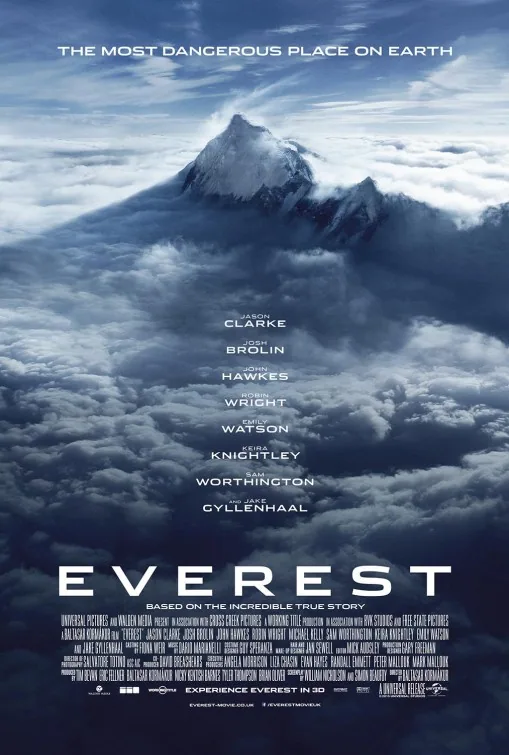
Commercial climbing teams assemble on Everest with clients whose personal reasons for reaching the summit make retreat emotionally expensive. Delays and changing conditions narrow the margin within which guides can protect people moving at different speeds. When a storm arrives, the mountain turns ambition into a sequence of increasingly constrained rescue decisions, while radio contact connects the ordeal to families who can listen without being able to alter the available options. The summit is an intermediate achievement; the disaster’s real dramatic problem becomes descent, communication and rescue.
What drives the story
A summit timetable erodes through delays and individual commitments, leaving interconnected parties exposed when weather converts descent into an emergency beyond any guide's complete control. Delays and competing expedition schedules narrow the weather window before a storm separates climbers from support.
The people at its centre
Guides' duty to clients meets the emotional force of a long-held dream, while families and base-camp staff participate through communication whose reassurance cannot replace physical resources. Guides are responsible for clients but cannot equalize preparation, altitude tolerance or the resources available to each team.
What it feels like
Expansive mountain views become disorienting weather and exhausting close physical effort, making accomplishment less central than the costs of getting down. Expansive aerial vistas give way to whiteout, radio voices and exposed bodies, shrinking spectacle into survival.
Worth knowing
Match on commercial expedition dependence and rescue under environmental limits, while separating the film's assigned dialogue and causal emphasis from a definitive judgment on every historical climber's decisions. It dramatizes the 1996 disaster; its dialogue and editing should not decide historical blame among climbers.