Explore films connected to Everything Must Go through addiction and recovery, loss and self-worth, community and change. Choose the qualities you want to carry into your next watch.
What should feel similar?
Find your next favourite
9 films · Closest overall matches
Hide films you’ve seen or don’t want. Saved on this device.
No matches for this combination yet.
Try another option or reset your choices to see more films.
Based on recorded story, mood and style. Your preferences can change the order.
Memory and identity
What changes Everything Must Go: contained neighborhood setup, daily sale episodes and modest emotional resolution. Withnail and I: comic apartment life, episodic rural misadventure and quiet farewell and performance.
In late-1960s London, unemployed actors Withnail and Marwood escape their squalid shared flat for a holiday at a cottage owned by Withnail's wealthy uncle Monty. They expect rest but encounter bad weather, meager supplies, suspicious locals, and Monty's intrusive attention. Their comic misadventures expose the contrast between Withnail's flamboyant bravado and Marwood's growing desire for a steadier life. Back in London, a career opportunity forces the friends to face the end of their shared drifting days.
Based on recorded story, mood and style. Your preferences can change the order.
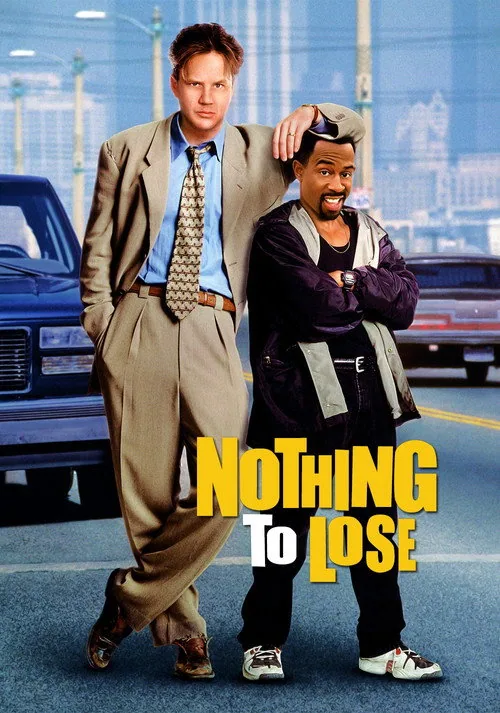
What changes Everything Must Go: contained neighborhood setup, daily sale episodes and modest emotional resolution. Nothing to Lose: personal crisis and roadside encounter, comic road-trip escalation and heist and friendship payoff.
Advertising executive Nick Beam believes his life is settled until he suspects his wife is having an affair with his boss. Driving without direction, he is carjacked by T-Paul, a small-time thief, but the frustrated Nick turns the encounter around and takes his would-be robber along. The unlikely pair decide to rob Nick's employer in revenge, only to attract other criminals and make a series of plans more complicated than either expected. Their road-trip crime comedy gradually gives both men a reason to reconsider what they have lost.
Based on recorded story, mood and style. Your preferences can change the order.
Memory and identity
What changes Everything Must Go: contained neighborhood setup, daily sale episodes and modest emotional resolution. The Good Girl: conversational and episodic.
A dissatisfied retail worker begins an affair with a young co-worker while her marriage and small-town routine feel increasingly confining. Their private escape changes once fantasy collides with responsibility and with the people affected by their decisions. The film observes how self-pity can make destructive choices feel like liberation before their consequences become unavoidable. Understated performances and everyday retail spaces give the drama a dry, unsentimental texture.
Based on recorded story, mood and style. Your preferences can change the order.
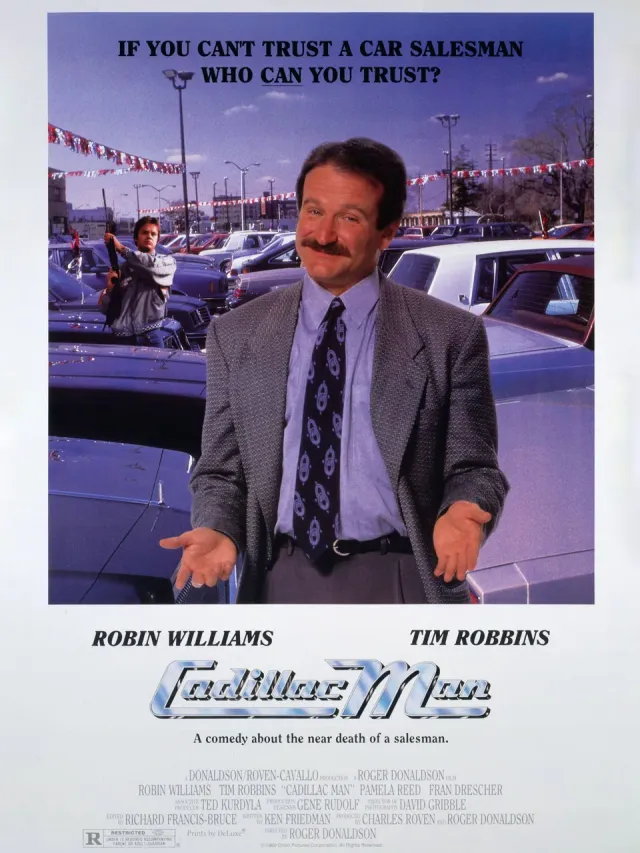
What changes Everything Must Go: contained neighborhood setup, daily sale episodes and modest emotional resolution. Cadillac Man: one-day pressure cooker.
Car salesman Joey O'Brien faces a disastrous day when his dealership is trapped in an armed standoff and several personal problems converge. The job already depends on performance, persuasion and managing customers, but the crisis makes that public persona increasingly difficult to sustain. The comedy follows a talkative man forced to confront the consequences of treating every relationship as another sale.
Based on recorded story, mood and style. Your preferences can change the order.
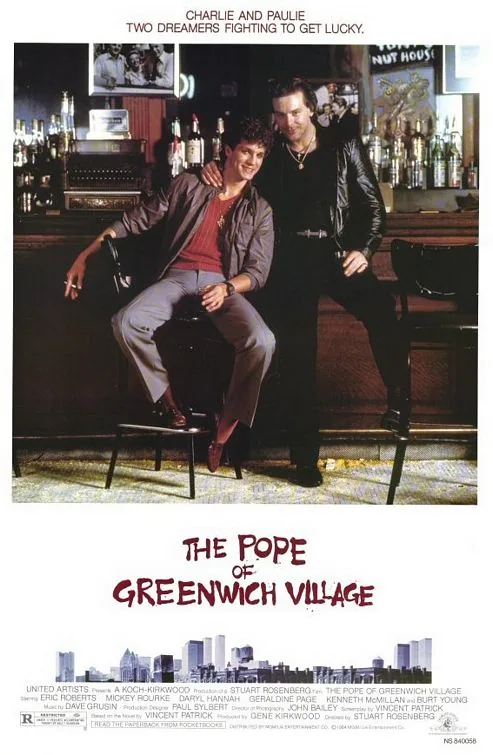
What changes Everything Must Go: contained neighborhood setup, daily sale episodes and modest emotional resolution. The Pope of Greenwich Village: compact setup, escalating complications, sudden violence and uneven reprieves.
Charlie Moran and his cousin Paulie are waiters in an Italian-American Greenwich Village neighborhood, with expensive tastes and ambitions larger than their pay. After Paulie is caught skimming checks, both lose their jobs, and Charlie faces debts, alimony and the needs of his pregnant girlfriend. Paulie proposes a safe-breaking scheme that promises enough money to help them start over. A locksmith joins the plan, but the robbery goes wrong and the cash belongs to mobster Eddie Grant. The cousins are pulled into a web of pressure and betrayal as the mob seeks names and repayment. Charlie’s hopes of owning a restaurant collide with the consequences of the theft and his efforts to protect the people around him.
Based on recorded story, mood and style. Your preferences can change the order.
What changes Everything Must Go: contained neighborhood setup, daily sale episodes and modest emotional resolution. Barbershop: conversational and episodic.
A Chicago barbershop owner considers selling the family business, while a day’s conversations reveal what the shop means to its customers. The lively workplace debate becomes a decision about preserving a neighborhood gathering place or pursuing financial relief. The comedy treats the shop as civic space where ordinary talk carries humor, memory and competing values. An ensemble of regulars and loose conversation give the film a communal rhythm that extends beyond the central sale.
Based on recorded story, mood and style. Your preferences can change the order.
Memory and identity
What changes Everything Must Go: contained neighborhood setup, daily sale episodes and modest emotional resolution. Murder Mystery: clue-led episodes with comic detours.
After Audrey challenges her husband Nick to honor a long-promised European trip, the couple meet a billionaire who invites them onto his family yacht. A murder turns the vacation into a private investigation, and the spouses become both amateur detectives and suspects. The comedy mystery uses their mismatched assumptions and Nick’s police experience to move through a parade of wealthy relatives, red herrings, and travel set pieces.
Based on recorded story, mood and style. Your preferences can change the order.
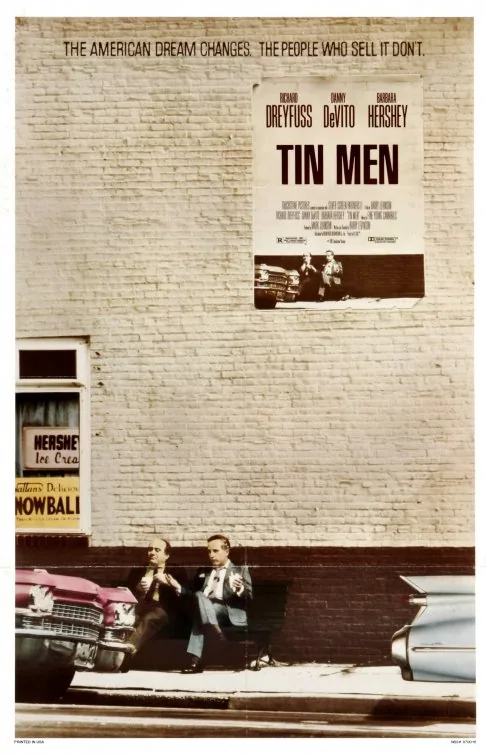
What changes Everything Must Go: contained neighborhood setup, daily sale episodes and modest emotional resolution. Tin Men: episodic and character-led.
In 1963 Baltimore, two traveling salesmen compete to sell aluminum siding to homeowners. A minor traffic accident turns into a feud that grows beyond business, drawing their wives and colleagues into a contest of pride and status. The period comedy watches men treat salesmanship as an identity, then asks what happens when that performance becomes more important than a stable life.
Based on recorded story, mood and style. Your preferences can change the order.
Memory and identity
What changes Everything Must Go: contained neighborhood setup, daily sale episodes and modest emotional resolution. Confessions of a Shopaholic: steady and escalating consequences.
Confessions of a Shopaholic (2009), directed by P. J. Hogan, follows A young woman with mounting credit-card debt dreams of becoming a writer and takes a job at a financial magazine. Her advice column gains attention just as her own spending habits threaten her credibility and her chance at a more stable life. The comedy connects consumer desire to identity and work, asking how a person can speak credibly about financial choices while struggling to change her own behavior.
Salesman Nick Halsey returns home after losing his job and finds his wife has changed the locks and placed his possessions on the lawn. Under the terms of a local ordinance, he must sell everything from the front yard within a few days or remove it. He begins drinking again and retreats into the makeshift sale, but neighbors and a young boy draw him into conversations that challenge his isolation. The comedy-drama adapts a Raymond Carver story as a small-scale portrait of addiction, shame, and the possibility of starting over.
What drives the story
Nick's forced sale keeps him outside his locked home and brings neighbors into contact with his crisis.
The people at its centre
He resists intimacy while the boy Kenny and pregnant neighbor Samantha gradually offer reasons to be present.
What it feels like
A subdued character drama finds humor in an exposed lawn sale and gives space to silence and small gestures.
Worth knowing
Its reset begins with a public yard sale and a personal collapse, not a triumphant career comeback or broad recovery program.
addiction and recoveryloss and self-worthcommunity and change