Toad's reckless enthusiasm drives one story toward a courtroom and rescue, while Ichabod's romantic rivalry leads to a separate ghostly chase.
Why this matches +
Selected for the central appeal: A live-action frame introduces two separate Disney animated tales about a circus bear and a fairy-tale beanstalk.
Genres: Animation / Fantasy
Shared film traits
Based on recorded story, mood and style. Your preferences can change the order.
What changes A Disney package feature presents two separately produced animated literary tales, each introduced through its own storytelling frame.
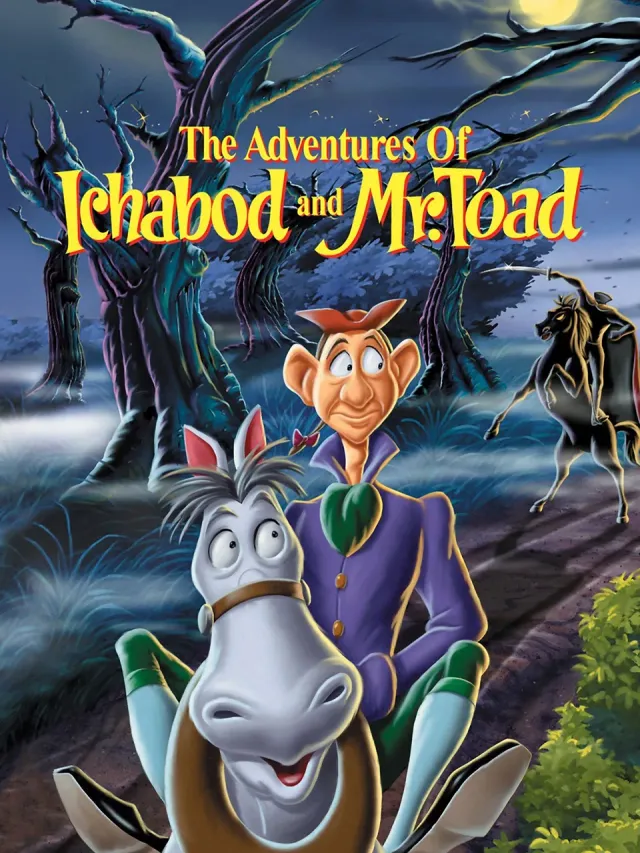
A librarian's frame introduces two animated literary adaptations. In The Wind in the Willows, impulsive J. Thaddeus Toad risks his estate through his latest obsession with motorcars, and friends Mole, Rat and MacBadger try to protect him from financial ruin and jail. The second story follows schoolmaster Ichabod Crane, who competes with Brom Bones for Katrina Van Tassel and later rides home through a haunted forest. The Headless Horseman turns their rivalry into a night of supernatural pursuit. The anthology moves from comic social chaos to deliberately eerie folklore.
Each of the seven original sequences has its own local premise, and the anthology’s order supplies variety rather than a causal through-line. Do not collapse the segments into one continuous adventure.
Why this matches +
Selected for the central appeal: A live-action frame introduces two separate Disney animated tales about a circus bear and a fairy-tale beanstalk.
Genres: Animation / Musical
Shared film traits
Based on recorded story, mood and style. Your preferences can change the order.
What changes A Disney anthology joins distinct animated segments through music and changing narrators rather than a single continuous plot.
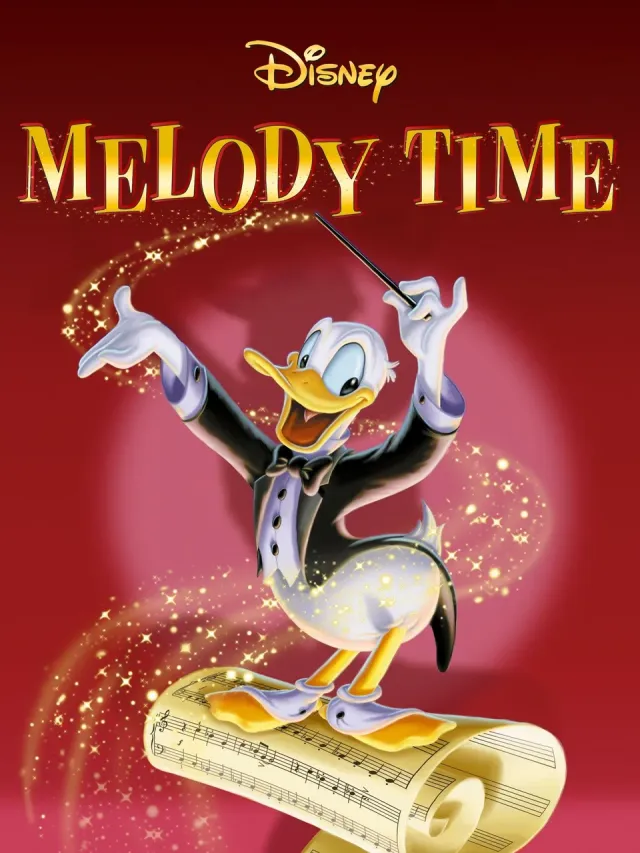
This 1948 Disney package feature contains seven musical segments with different characters, animation styles and sources: a seasonal courtship, a piano performance, Johnny Appleseed’s folk legend, Little Toot’s coming-of-age story, a poem set to music, a samba interlude and Pecos Bill’s tall tale. There is no single protagonist or shared plot; each short begins a new relationship between sound and image. Some later television and home-video editions alter the lineup, so the version matters when describing what a viewer will see. The shifts between abstract music, folklore and comic adventure are the film’s core experience, not interruptions on the way to one climax. Its family-oriented format spans playful material and older-story elements that may need context for contemporary audiences.
The children’s bedtime stories unexpectedly shape real events and complicate their uncle’s plans at work and in love.
Why this matches +
These offer a related experience with a meaningful difference in story, tone, or presentation.
An adjacent discovery: a related idea with a different viewing experience.
Genres: Comedy / Family
Shared film traits
Based on recorded story, mood and style. Your preferences can change the order.
What changes A storyteller's fanciful tales provide a frame for multiple family adventures with different characters and settings.
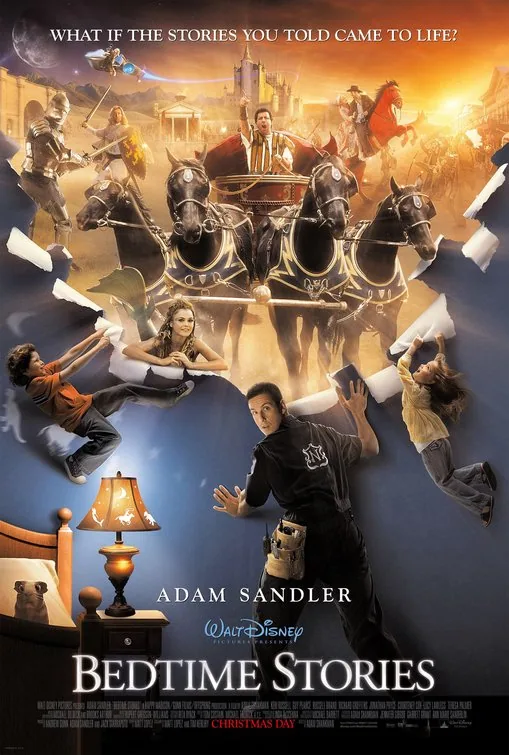
A hotel handyman tells elaborate bedtime stories to his niece and nephew, only to discover that details from the stories begin appearing in his everyday life. As he experiments with the strange connection, his invented adventures collide with work, family bonds and a possible romance. The fantasy comedy treats storytelling as a shared activity whose consequences cannot be controlled, linking wish fulfillment to the responsibility of caring for children.
An exploited creature's extraordinary ability attracts investment that intensifies captivity, making the promise of professional salvation a new obstacle to family reunion.
Why this matches +
These offer a related experience with a meaningful difference in story, tone, or presentation.
An adjacent discovery: a related idea with a different viewing experience.
Genres: Family / Fantasy
Shared film traits
Based on recorded story, mood and style. Your preferences can change the order.
What changes A young circus animal navigates captivity, friendship and the search for belonging in an animated family story.
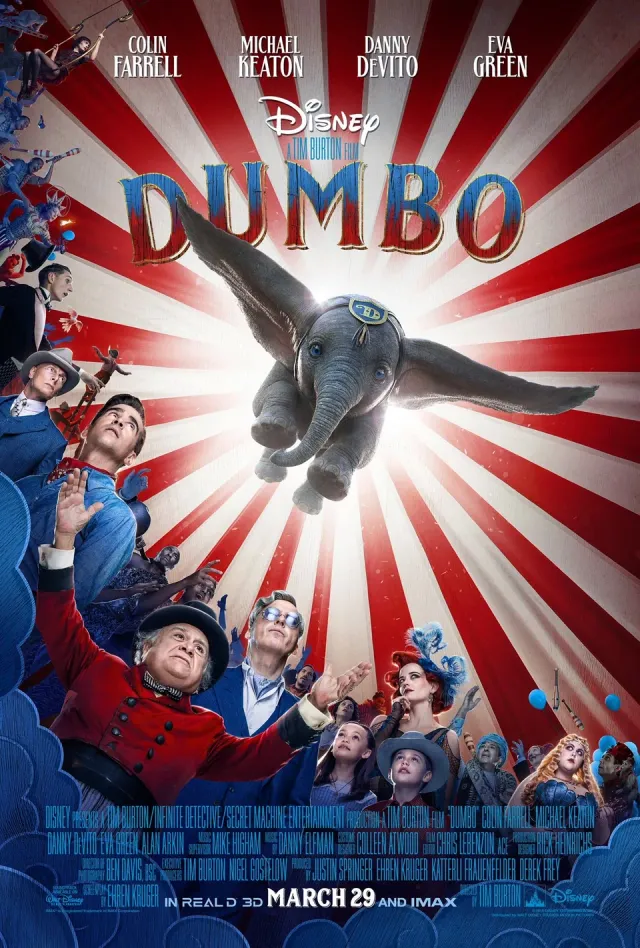
A war veteran returns to a struggling circus and helps care for a baby elephant separated from his mother after a disastrous performance. The children's discovery that his unusual ears allow him to fly turns ridicule into commercial demand, attracting a larger entertainment empire. Recognition offers apparent rescue for the troupe but increases the elephant's confinement, requiring the people who profit from his talent to decide whether success should mean a better performance contract or freedom.
A box of gifts becomes a musical travelogue, linking Donald to José Carioca and Panchito through a series of regional episodes.
Why this matches +
These offer a related experience with a meaningful difference in story, tone, or presentation.
An adjacent discovery: a related idea with a different viewing experience.
Genres: Fantasy / Action
Shared film traits
Based on recorded story, mood and style. Your preferences can change the order.
What changes A Disney package film uses a loose frame to introduce separate animated and musical episodes.
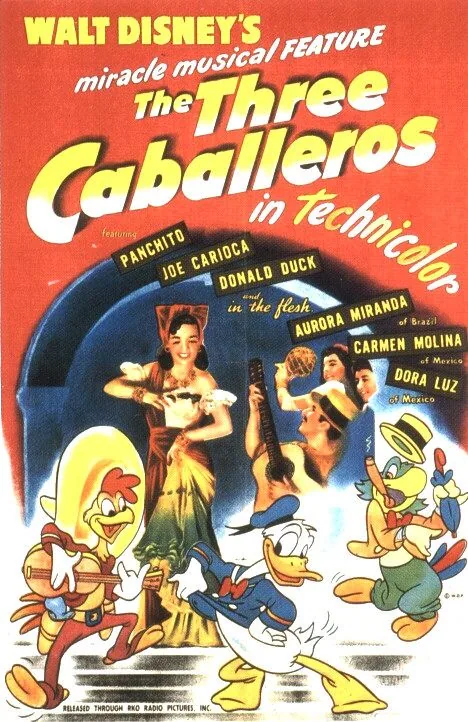
Donald Duck receives a series of birthday gifts that open into animated and live-action journeys across Latin America. His Brazilian friend José Carioca introduces him to Bahia, while the Mexican rooster Panchito guides him through songs, dances and colourful episodes. The gifts work like a travel album rather than a single continuous mission, moving between short stories, musical performances and encounters with real locations and people. Donald's impulsive reactions provide the comic thread, while each host presents a different regional setting and performance style. The film was produced within Disney's Good Neighbor cultural exchange work, a context that matters when considering how its exuberant imagery simplifies the places it celebrates.
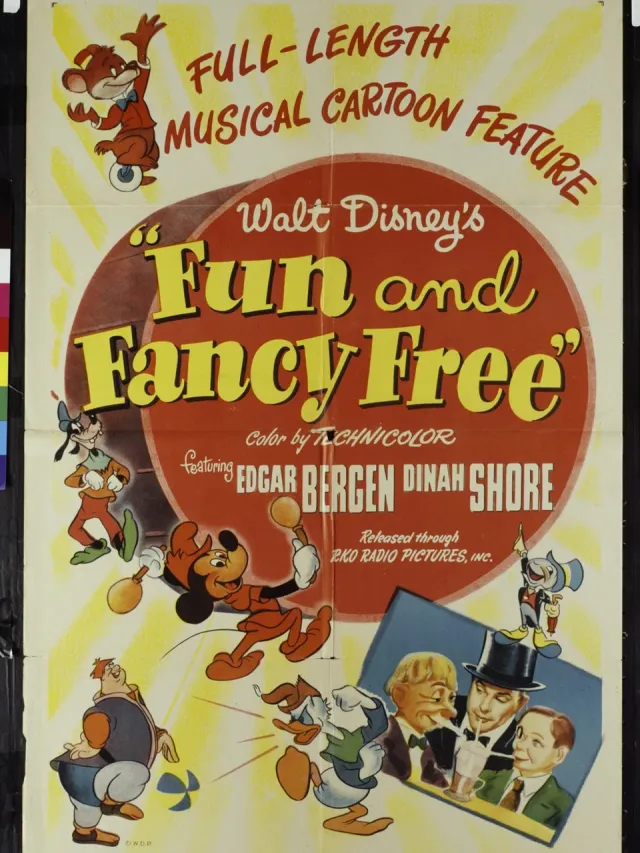
A live-action framing visit from Edgar Bergen and his puppets introduces two separately produced animated stories: Bongo, a circus bear learning to live outside captivity, and Mickey and the Beanstalk, a comic retelling of a familiar fairy tale. Their contrasting worlds do not share a protagonist or one causal plot, but the frame presents both as entertainment performed for an audience. Bongo’s courtship conventions and the film’s child-friendly packaging deserve their own scrutiny rather than being lost in nostalgia. The feature works as a package of uneven pieces, so the overall viewing experience depends on the segments and on the dated live-action interludes.
What drives the story
The package moves from a performed storytelling frame into two independent tales, whose distinct conflicts are held together by presentation rather than a shared adventure. The framing performance connects segments through spectatorship rather than shared characters or events.
The people at its centre
Bongo’s adjustment from circus discipline to forest courtship contrasts with Mickey’s trio facing a giant; neither ensemble carries obligations into the other story. Bongo’s transition from circus captivity to forest courtship carries different implications from Mickey’s story.
What it feels like
A live-action puppet frame surrounds two hand-drawn features with different rhythms, combining musical romance and slapstick fairy-tale comedy. Live action, puppets and animation create changes in texture as well as plot.
Worth knowing
Compare with mid-century Disney package films and framed animation, but assess Bongo’s gendered courtship conventions and each segment separately rather than inventing one continuous arc. Treat the feature as two separate stories plus a frame when describing its pace and audience appeal.