Both share themes of belonging, plus a silly and affectionate atmosphere.
Why this matches +
Genres: Comedy / Family
Shared film traits
Based on recorded story, mood and style. Your preferences can change the order.
Coming of age
What changes George of the Jungle: broadly episodic, physical-comedy led and adventure-driven. Marmaduke: episodic comic adventures.
A Great Dane named Marmaduke moves with the Winslow family from Kansas to California, where a new neighborhood and dog-park hierarchy provide fresh comic trouble. His attempts to fit in, impress another dog and navigate human family life create parallel social mishaps. The family comedy adapts the comic-strip character through talking-animal humor, treating acceptance and loyalty as lessons within a light, episodic adventure.
Based on recorded story, mood and style. Your preferences can change the order.
Coming of age
What changes George of the Jungle: broadly episodic, physical-comedy led and adventure-driven. Popeye: episodic and loose.
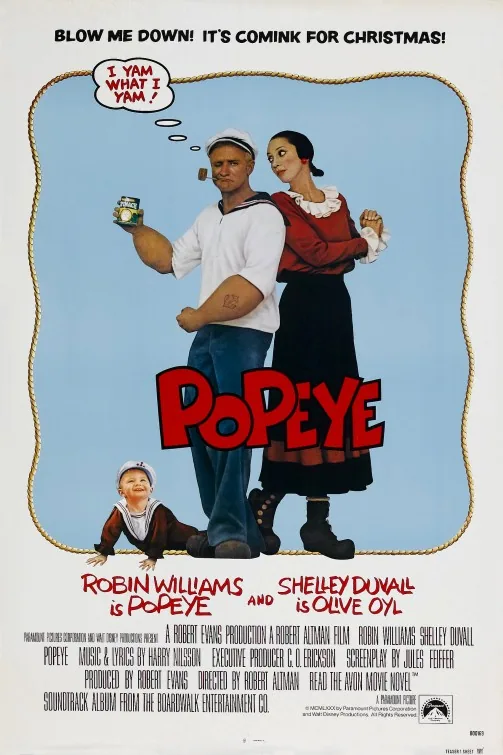
Sailor Popeye arrives in the seaside town of Sweethaven while searching for his long-lost father, meeting Olive Oyl and her formidable fiancé Bluto along the way. When the town's residents face eviction and Popeye's family history comes into focus, spinach-fueled strength becomes part of a story about belonging, eccentric community, and a stubborn outsider finding people worth defending.
Based on recorded story, mood and style. Your preferences can change the order.
Coming of age · Escape and pursuit
What changes George of the Jungle: broadly episodic, physical-comedy led and adventure-driven. Stuart Little 2: brisk and light.
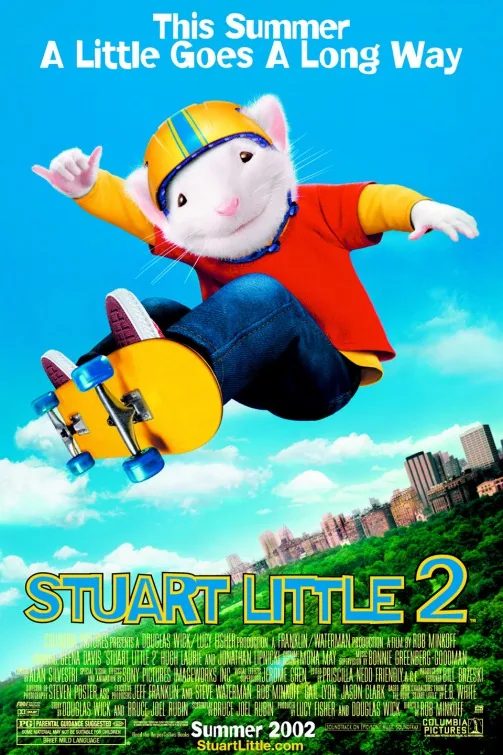
Stuart Little’s friendship with a new neighbor, a small bird named Margalo, leads him into a rescue mission when she disappears under suspicious circumstances. The Little family supports him, while Stuart must find confidence and decide how much risk friendship demands. The sequel carries its live-action and animated family world into a light adventure about trust and belonging.
Based on recorded story, mood and style. Your preferences can change the order.
What changes George of the Jungle: broadly episodic, physical-comedy led and adventure-driven. Wanderlust: a road trip turns into a test of communal living and marital compatibility.
After losing their jobs and New York apartment, George and Linda move in with relatives and then stop at a communal farm while traveling south. The alternative community offers a different rhythm of work, relationships, and shared resources, but its open values create new comic complications. The comedy contrasts urban ambition with communal idealism, asking what freedom looks like when people still need boundaries and responsibility.
Both share themes of adventure, plus an affectionate atmosphere.
Why this matches +
Genres: Family / Adventure
Shared film traits
Based on recorded story, mood and style. Your preferences can change the order.
Escape and pursuit
What changes George of the Jungle: broadly episodic, physical-comedy led and adventure-driven. Muppet Treasure Island: quest-driven and musical.
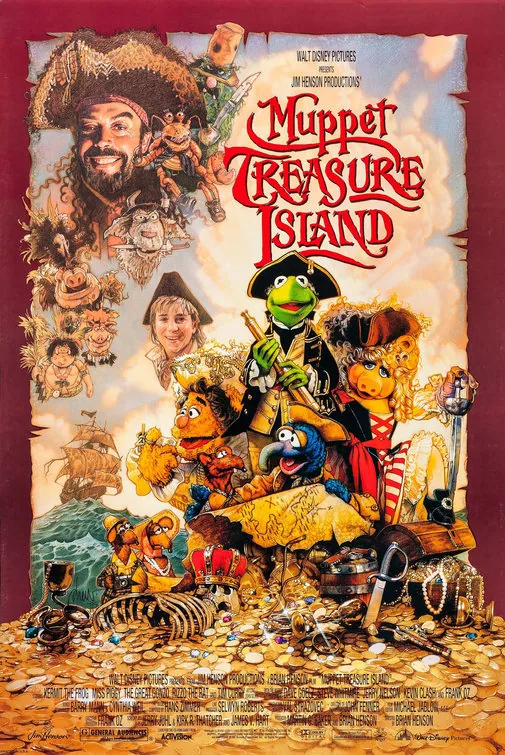
Jim Hawkins joins a voyage to recover Captain Flint's treasure, with Long John Silver and a crew of familiar Muppet characters aboard. The adventure follows the book's shifting loyalties while letting songs, puppetry and comic asides play against pirate danger. Jim's growing trust in Silver gives the story an emotional center amid a broad, theatrical retelling.
Based on recorded story, mood and style. Your preferences can change the order.
Escape and pursuit
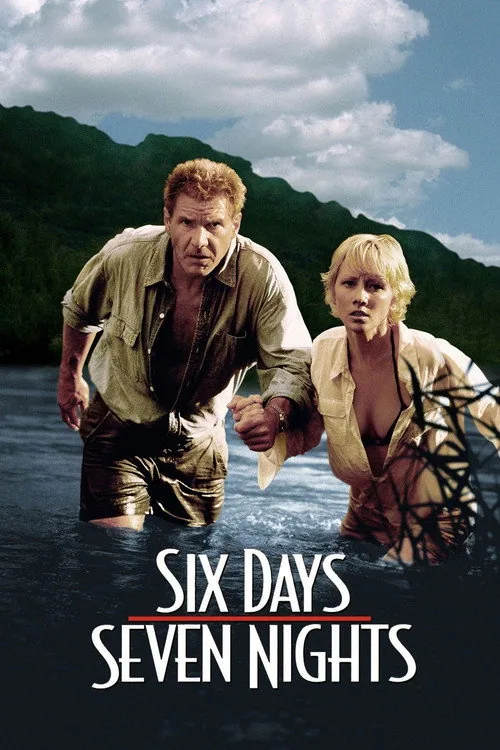
What changes George of the Jungle is tagged buoyant and silly; Six Days Seven Nights is tagged adventurous and flirtatious.
New York editor Robin Monroe is stranded with pilot Quinn Harris after their small plane crashes on a remote South Pacific island. They must navigate the island and evade pirates while a search party and Robin’s fiancé remain elsewhere. Their differences in temperament create comic conflict as cooperation becomes necessary for survival. Ivan Reitman’s adventure comedy combines an island escape story with a romantic pairing between a career-focused visitor and a cynical bush pilot, framed by tropical scenery and physical set pieces.
Based on recorded story, mood and style. Your preferences can change the order.
Escape and pursuit
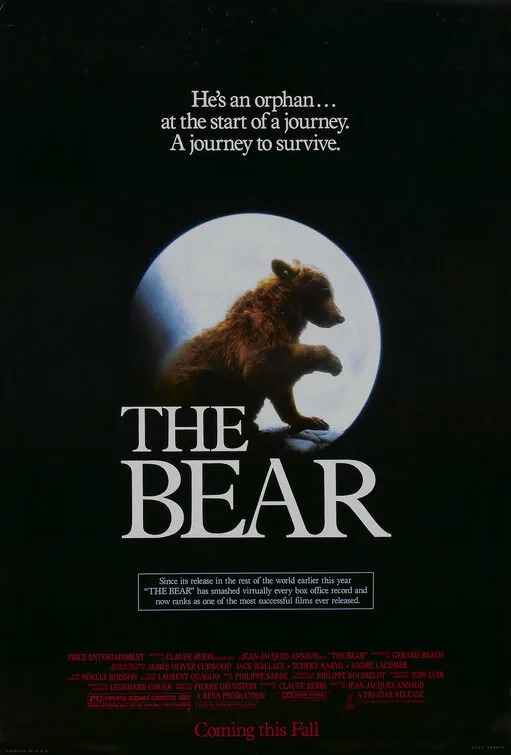
What changes George of the Jungle: broadly episodic, physical-comedy led and adventure-driven. The Bear: animal-centered journey, seasonal episodes, suspenseful pursuit and emotional resolution.
In the mountains of British Columbia, a grizzly cub loses his mother and must learn to survive alone. He eventually approaches a wounded adult Kodiak bear being pursued by two trophy hunters, and the older animal becomes a wary protector and teacher. As their bond grows, the hunters return with dogs and renewed determination to kill the Kodiak. The film follows the bears through weather, food scarcity, danger and moments of play, using little dialogue and an animal-centered point of view. Human characters remain part of the landscape rather than the emotional center, and the cub’s vulnerability makes the wilderness feel both beautiful and unforgiving. Jean-Jacques Annaud adapts James Oliver Curwood’s novel into a naturalistic adventure shaped by animal behavior and survival.
Based on recorded story, mood and style. Your preferences can change the order.
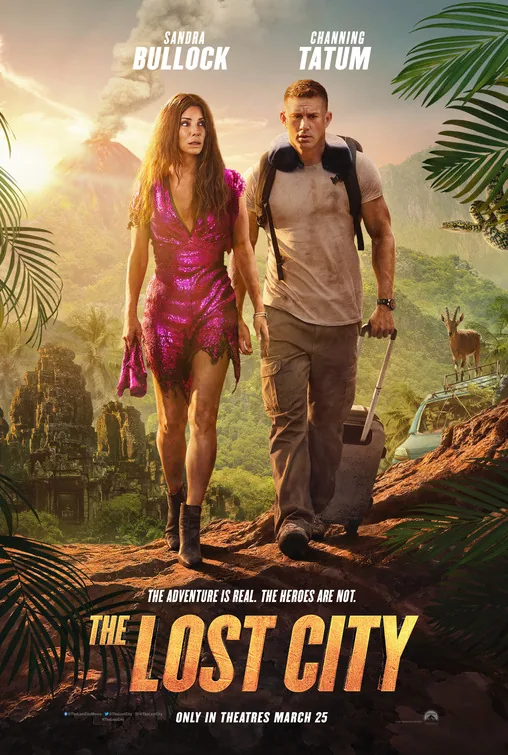
What changes George of the Jungle is tagged buoyant and silly; The Lost City is tagged playful and romantic.
Loretta Sage, a reclusive romance-adventure novelist, is kidnapped after a book tour by a billionaire searching for a lost city. Alan, the cover model who plays her fictional hero, follows in an attempt to rescue her, although he lacks the skills of the character he portrays. Their jungle journey turns promotional performance into an adventure, with comic peril and attraction emerging as they learn to trust each other.
Based on recorded story, mood and style. Your preferences can change the order.
Coming of age
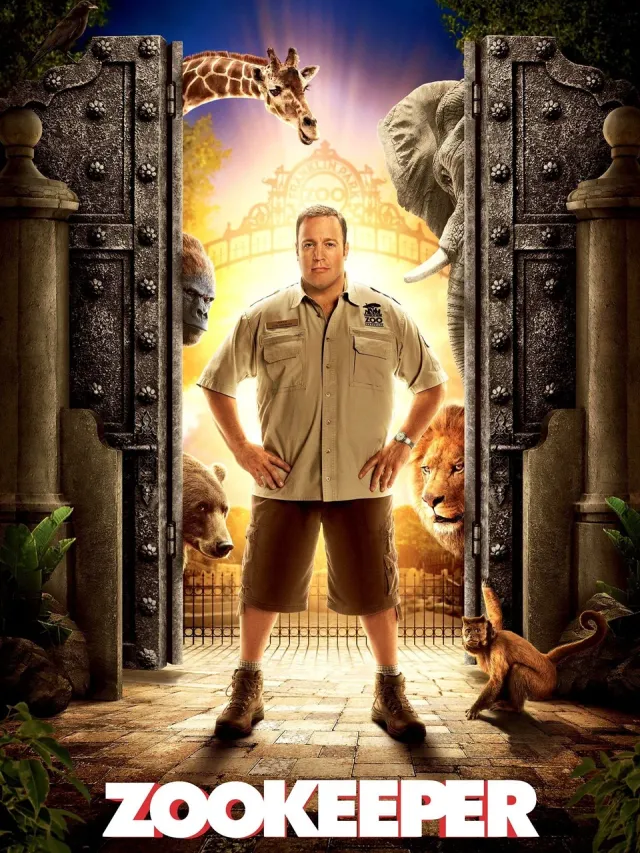
What changes George of the Jungle: broadly episodic, physical-comedy led and adventure-driven. Zookeeper: episodic and set-piece driven.
A kind-hearted zookeeper decides that his romantic failures mean he should leave the work he loves. The zoo animals, who have secretly understood human speech all along, break their silence to coach him through courtship using advice drawn from their own peculiar instincts. Their meddling sends the story between animal-comedy set pieces and a mild lesson about confidence and authenticity.
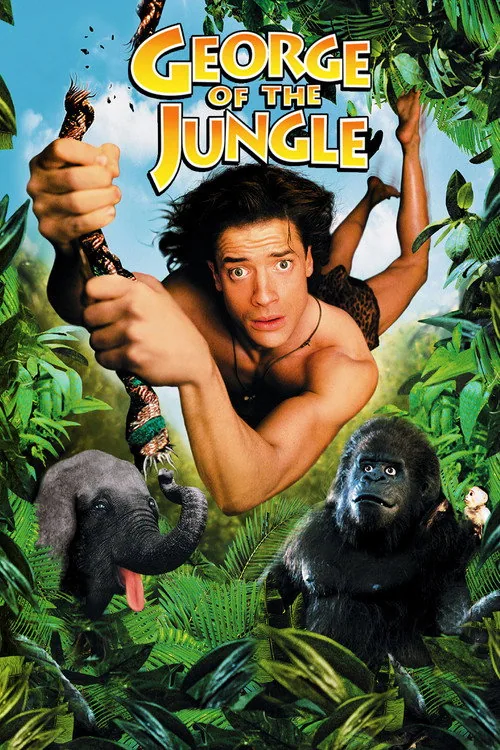
Raised by animals after a childhood plane crash, George lives in the African jungle with his gorilla companion Ape and other animal friends. When San Francisco heiress Ursula Stanhope becomes lost on safari, George rescues her and travels with her to the city. Her fiancé Lyle and two poachers pursue them, creating conflict between George’s uncomplicated jungle life and the human world. Sam Weisman’s family comedy adapts the animated character through broad physical humor, affectionate adventure parody, and a romance about choosing where to belong.
What drives the story
George’s rescue of Ursula carries him from the jungle into a city life that challenges his sense of home.
The people at its centre
Ursula’s growing affection contrasts with Lyle’s selfishness, while Ape protects George through teasing advice and loyalty.
What it feels like
Contains slapstick falls, comic peril, animal poaching threats, and mild action violence in a family-comedy tone.
Worth knowing
The live-action film plays as a broad Tarzan parody and fish-out-of-water romance rather than a realistic jungle adventure.
BelongingLoveNature
Mood
Buoyant · Silly · Affectionate
Pacing
Broadly episodic · Physical-comedy led · Adventure-driven