Get Out turns ordinary conversations and a seemingly welcoming place into sources of danger. These picks follow different parts of that experience: social control, a hostile setting, and uncertainty about whom to trust.
What should feel similar?
Find your next favourite
7 films · Closest overall matches
Hide films you’ve seen or don’t want. Saved on this device.
No matches for this combination yet.
Try another option or reset your choices to see more films.
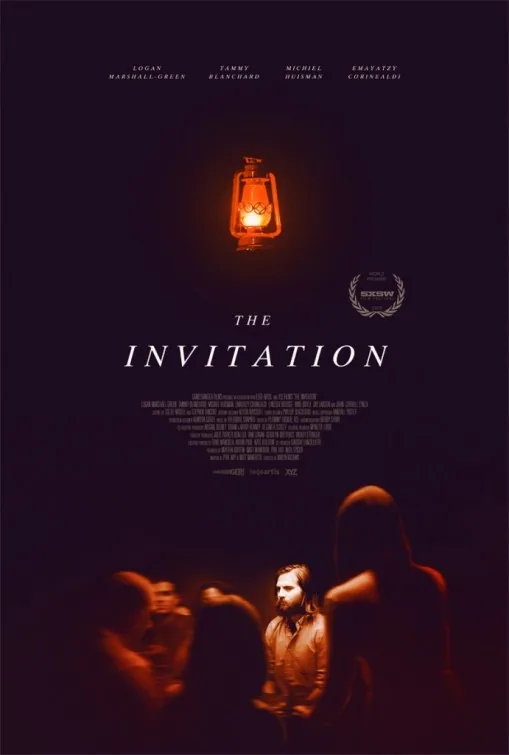
A dinner guest's growing suspicion conflicts with a host's demand that everyone accept an apparently therapeutic form of reunion.
Why this matches +
Selected for the central appeal: A Black guest's unease at a white family's estate turns into racialized psychological horror and a fight for bodily autonomy.
Genres: Thriller / Horror
Shared film traits
Based on recorded story, mood and style. Your preferences can change the order.
What changes A polite social gathering gradually reveals coercive intentions; grief and cult manipulation replace racial satire.
A man returns with his partner to the home he once shared with his former wife for a dinner gathering framed as an opportunity for renewed connection. Familiar rooms and unexplained guests reactivate grief he cannot easily separate from suspicion. As hospitality becomes more insistent, he must decide whether recognising a threat requires rejecting a shared social agreement to treat discomfort as evidence of his inability to heal.
A pregnancy is managed through a coordinated network of domestic and professional authority, turning apparently solicitous assistance into a means of isolation and control.
Why this matches +
Selected for the central appeal: A Black guest's unease at a white family's estate turns into racialized psychological horror and a fight for bodily autonomy.
Genres: Horror / Drama
Shared film traits
Based on recorded story, mood and style. Your preferences can change the order.
Investigation
What changes A protagonist's body becomes the focus of a trusted community's secret agenda; slower supernatural paranoia.
A young couple move into a New York apartment where friendly neighbours offer advice, gifts and increasing access to their lives. After a disturbing night and an unexpected pregnancy, the woman's attempts to understand pain and unsettling coincidences are repeatedly redirected by her husband and trusted professionals. Discovering connections among people who claim to be helping makes pregnancy a site of contested bodily agency rather than private reassurance or uncomplicated domestic fulfilment.
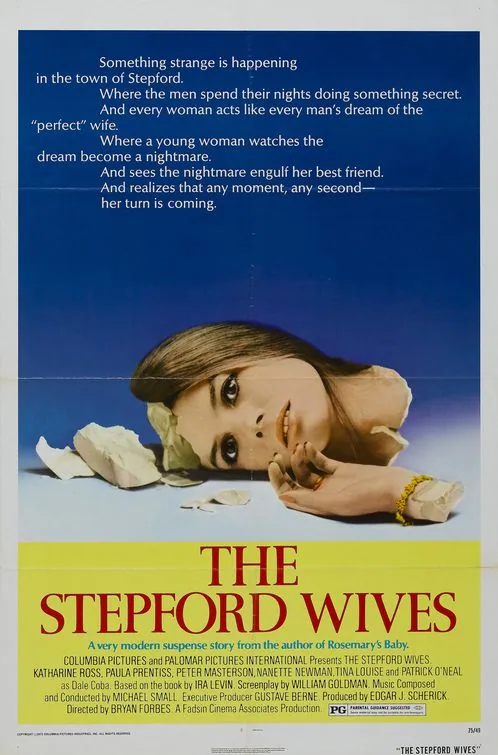
A newcomer’s questions about the women around her reveal a community whose apparent domestic harmony depends on control.
Why this matches +
Selected for the central appeal: A Black guest's unease at a white family's estate turns into racialized psychological horror and a fight for bodily autonomy.
Genres: Horror / Science fiction
Shared film traits
Based on recorded story, mood and style. Your preferences can change the order.
What changes A seemingly welcoming community hides a system of bodily control; gender conformity replaces racial exploitation.
Photographer Joanna Eberhart moves with her husband and children from New York to the affluent town of Stepford. She notices that the local wives seem devoted to flawless housekeeping and that the men spend their time at an exclusive association. As her friendship with another newcomer deepens, Joanna’s unease becomes an investigation into what the community expects women to become.
A festival visit draws a grieving outsider into a community whose apparent emotional care is bound to increasingly restrictive and violent rituals.
Why this matches +
Selected for the central appeal: A Black guest's unease at a white family's estate turns into racialized psychological horror and a fight for bodily autonomy.
Genres: Horror / Drama
Shared film traits
Based on recorded story, mood and style. Your preferences can change the order.
What changes An outsider visits an apparently welcoming community whose rituals turn threatening; folk horror and grief rather than racial satire.
A young woman coping with a catastrophic family loss accompanies her emotionally distant boyfriend and his friends to a rural Swedish celebration. The community's hospitality offers an intensity of attention missing from her relationship, but ritual expectations steadily expose violence and coercion beneath the welcome. Her search for emotional recognition becomes inseparable from the question of what collective empathy may demand from someone desperate to receive it.
An accommodation problem opens onto concealed architecture and a history of exploitation that successive visitors understand only in fragments.
Why this matches +
These offer a related experience with a meaningful difference in story, tone, or presentation.
An adjacent discovery: a related idea with a different viewing experience.
Genres: Horror / Thriller
Shared film traits
Based on recorded story, mood and style. Your preferences can change the order.
Investigation
What changes An unfamiliar house and concealed exploitation put a visitor in danger; more visceral and less satirical.
A woman arriving at a rented Detroit house discovers that another guest has been booked into the same property. Her decision about whether to trust a stranger becomes harder to reverse when the building reveals spaces that do not belong in its advertised account. Shifts in viewpoint expose other occupants and histories, connecting immediate bodily danger with the habits through which apparently ordinary people minimise the harm they cause.
A missing-person inquiry is controlled by a community that uses the investigator's convictions to move him toward a predetermined public ritual.
Why this matches +
These offer a related experience with a meaningful difference in story, tone, or presentation.
An adjacent discovery: a related idea with a different viewing experience.
Genres: Horror / Mystery
Shared film traits
Based on recorded story, mood and style. Your preferences can change the order.
Investigation
What changes An outsider investigating a remote community confronts ritualized hospitality and danger; older folk horror.
A devout police officer travels to a remote Scottish island after receiving a report that a girl has disappeared. Residents deny knowing her while presenting religious customs that offend his assumptions about respectable community life. Evidence of a failed harvest and ritual preparation turns the search into an urgent rescue, but the officer's confidence in the role he is performing prevents him from recognising how deliberately his own movements have been anticipated.
The house’s hidden observation devices change a relationship conflict into a safety crisis.
Why this matches +
These offer a related experience with a meaningful difference in story, tone, or presentation.
An adjacent discovery: a related idea with a different viewing experience.
Genres: Thriller / Horror
Shared film traits
Based on recorded story, mood and style. Your preferences can change the order.
Investigation
What changes A supposedly relaxing stay becomes a surveillance nightmare; contemporary slasher suspense rather than racial allegory.
Two couples rent a remote coastal house for a weekend, where tensions over intimacy and mistrust are amplified by a discovery that the property may be surveilled. A break from the city becomes a claustrophobic conflict as secrets surface and the group’s behavior grows more suspicious. Dave Franco’s thriller uses the rental home as a site of privacy anxiety, interpersonal betrayal and escalating violence.
A young Black photographer visits his white girlfriend's family estate and encounters a style of hospitality that grows harder to distinguish from surveillance and possession. Casual remarks, unsettling servants and an intrusive gathering undermine the reassurance offered by his partner. His attempt to remain courteous while interpreting what he sees becomes a struggle to retain autonomy inside a household whose apparent admiration conceals a deeply racialised claim on his body.
What drives the story
An introductory family visit becomes an investigation into the coercive purpose behind carefully performed acceptance.
The people at its centre
A socially isolated visitor depends on a partner's assurances while learning that politeness can protect the people controlling the situation.
What it feels like
Awkward social satire tightens into psychological and bodily horror, making ordinary questions of belonging feel physically dangerous.
Worth knowing
Its racial and social specificity is central; generic twists, sinister houses or a similar director do not alone explain the connection.
For escalating suspicion within a group cut off from help.
The difference Much more graphic and creature-focused, with less social satire and a colder outlook.
Editorial notes by SimilarThing · Updated · How we choose films. Editorial notes describe the films; your choices adjust the algorithmic recommendations.