Explore films connected to Good Luck, Have Fun, Don't Die through Technology and dependence, Agency in a designed future, Grief and connection. Choose the qualities you want to carry into your next watch.
What should feel similar?
Find your next favourite
9 films · Closest overall matches
Hide films you’ve seen or don’t want. Saved on this device.
No matches for this combination yet.
Try another option or reset your choices to see more films.
Based on recorded story, mood and style. Your preferences can change the order.
Escape and pursuit
What changes Good Luck, Have Fun, Don't Die: rapid, episodic backstories and quest-driven. Paycheck: escalating and suspense-led.
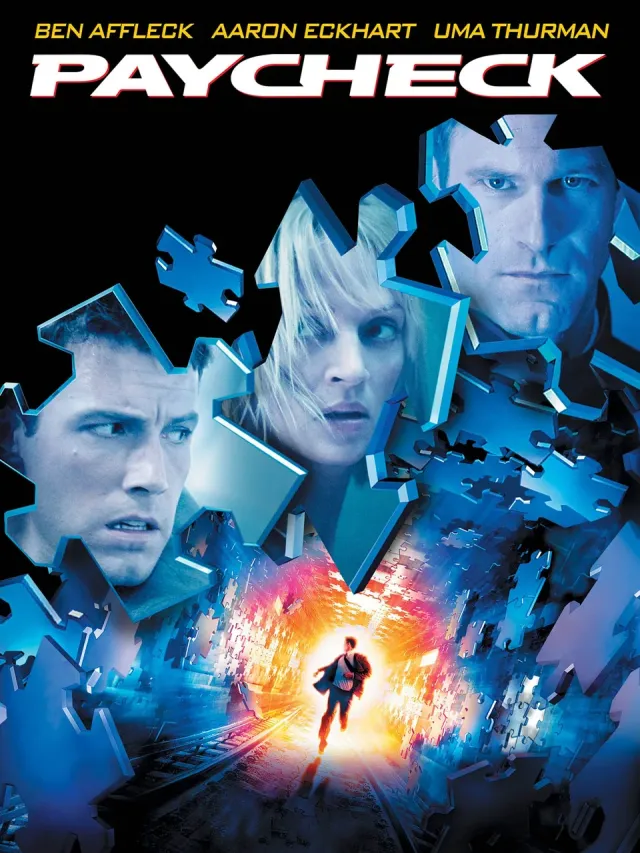
A reverse engineer wakes after a long contract with his memory erased and a collection of ordinary objects left as clues. As government agents and his former employer pursue him, he uses the objects to reconstruct what he agreed to do. The thriller turns a missing past into a problem of agency, asking whether foresight can protect people from their own choices. John Woo’s action staging and the object-based mystery combine brisk chases with a speculative premise.
Based on recorded story, mood and style. Your preferences can change the order.
What changes Good Luck, Have Fun, Don't Die: rapid, episodic backstories and quest-driven. Land of the Lost: episodic and adventure-led.
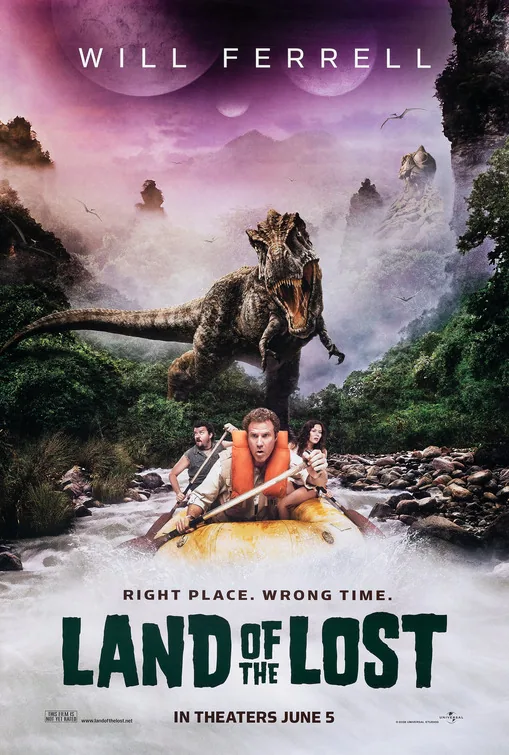
A disgraced scientist, a research assistant and a survival enthusiast are pulled into a strange prehistoric world after an experimental device goes wrong. They must work together to find a way home while encountering creatures and unstable rules that challenge their confidence. The comedy adaptation turns the adventure premise into a chain of absurd set pieces, using its mismatched travelers to poke fun at both scientific ambition and survival-show bravado.
Based on recorded story, mood and style. Your preferences can change the order.
Artificial life · Constructed reality
What changes Good Luck, Have Fun, Don't Die: rapid, episodic backstories and quest-driven. Free Guy: fast.
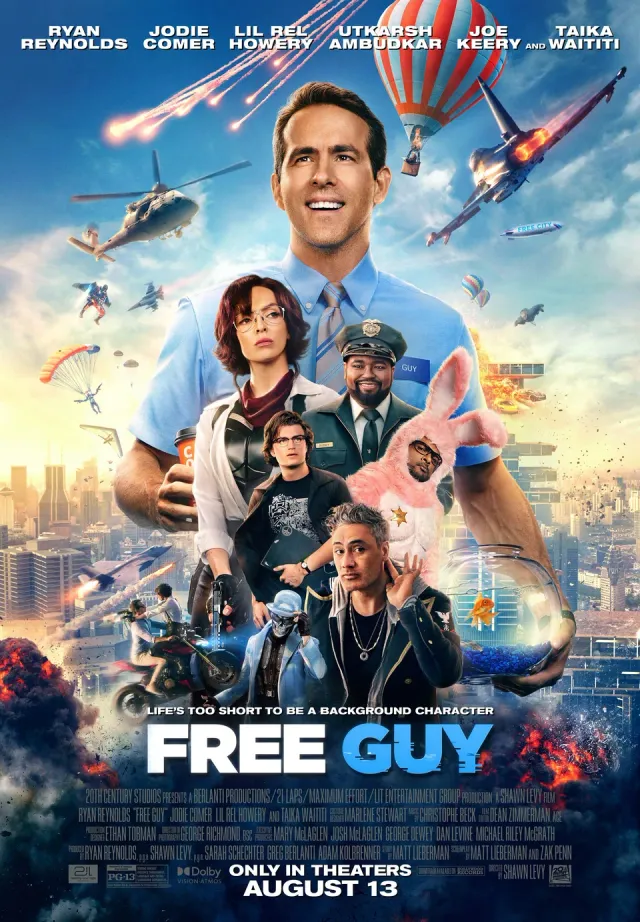
A bank clerk in a chaotic online city begins choosing actions outside the script he has always obeyed. His attraction to a visiting player intersects with her attempt to prove that a game company stole software she helped create. As his unusual behavior inspires other inhabitants, an impending replacement game threatens their existence. The adventure links a cheerful discovery of agency to a dispute over ownership, asking whether created lives deserve protection from the commercial decisions governing their world.
Based on recorded story, mood and style. Your preferences can change the order.
Constructed reality
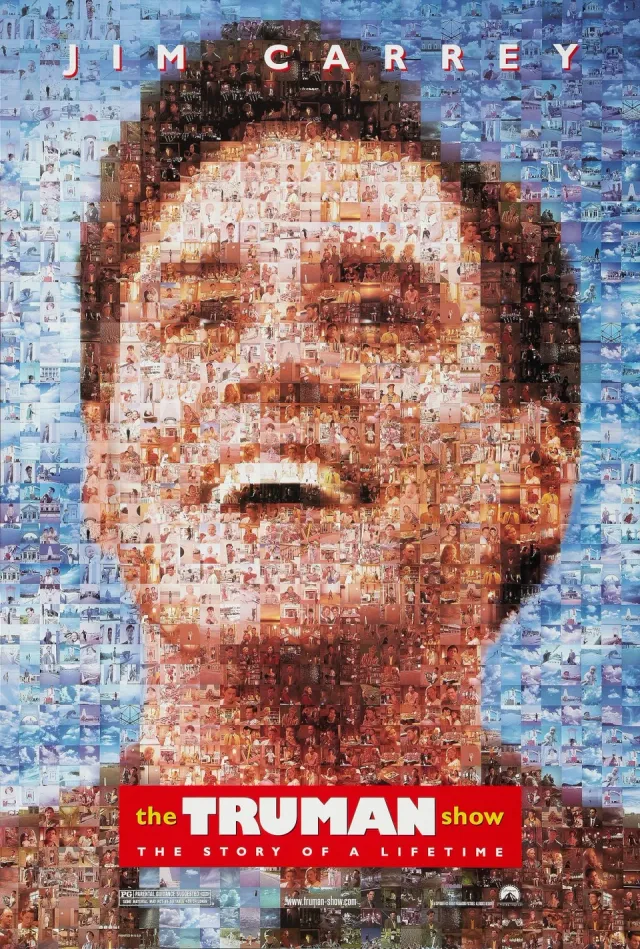
What changes Good Luck, Have Fun, Don't Die: rapid, episodic backstories and quest-driven. The Truman Show: steady.
An insurance salesman has unknowingly spent his entire life inside a television production, with actors playing his neighbors and loved ones. Small disruptions make him question his seemingly perfect town, while the producer controlling it tries to stop him discovering the outside world. Social satire and an unsettling search for freedom share a hopeful emotional core.
Based on recorded story, mood and style. Your preferences can change the order.
Artificial life · Constructed reality
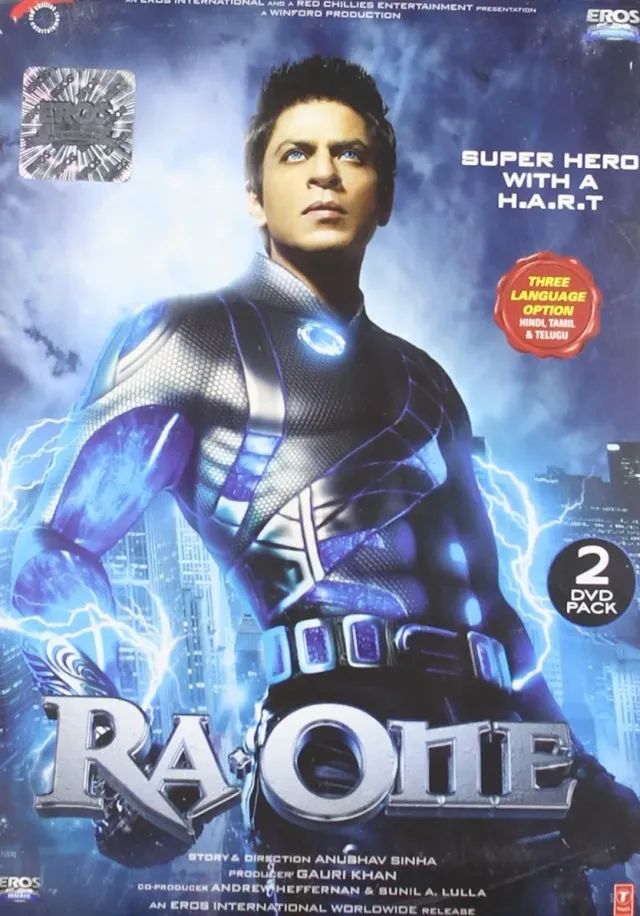
What changes Good Luck, Have Fun, Don't Die: rapid, episodic backstories and quest-driven. Ra.One: a game-world conflict spills into a family’s everyday life.
Game designer Shekhar creates a powerful antagonist for a new video game in hopes of impressing his son, Prateek. When the digital character escapes into the physical world, Shekhar’s family must rely on the game’s heroic counterpart to stop it. The science-fiction action comedy brings virtual rules into ordinary reality, connecting a father’s desire for approval with questions about artificial agency, technology, and responsibility.
Based on recorded story, mood and style. Your preferences can change the order.
Constructed reality
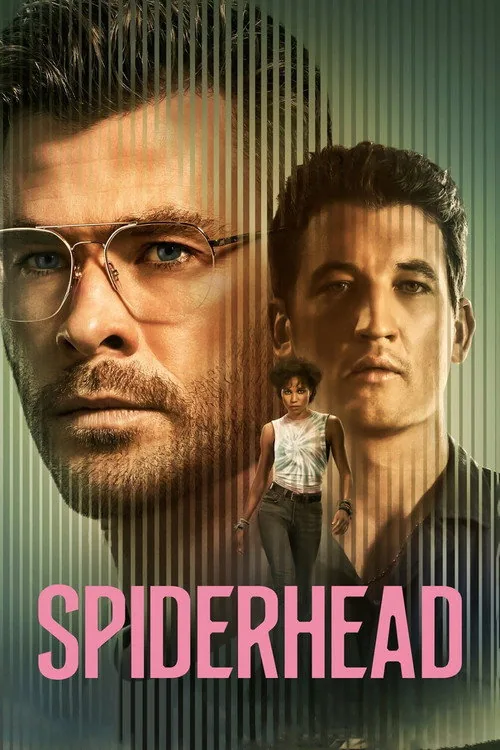
What changes Good Luck, Have Fun, Don't Die: rapid, episodic backstories and quest-driven. Spiderhead: contained psychological tension, experiment-driven scenes and rebellion escalation.
At a remote, comfortable-looking penitentiary, inmates receive mind-altering drugs through an implanted device in exchange for reduced sentences. Jeff begins to question the experiments run by facility director Steve Abnesti after he forms a connection with fellow inmate Lizzy and observes how the drugs affect consent and behavior. Joseph Kosinski’s science-fiction thriller adapts a George Saunders story, blending dark humor with a controlled setting to examine free will, institutional power, and the limits of human experimentation.
Based on recorded story, mood and style. Your preferences can change the order.
Constructed reality
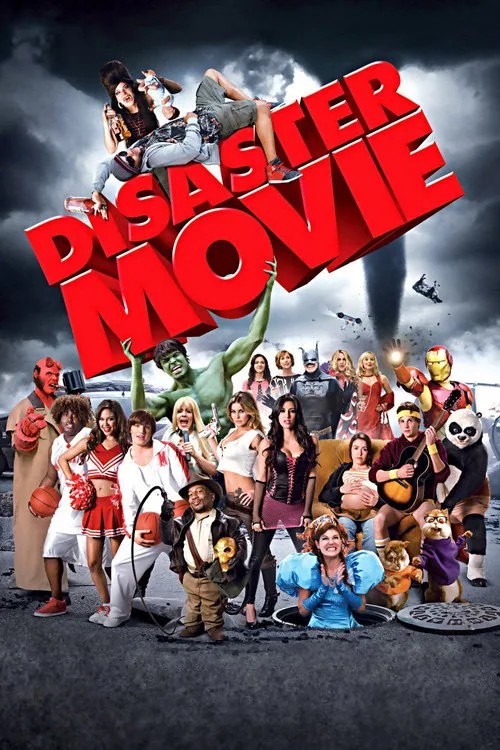
What changes Good Luck, Have Fun, Don't Die: rapid, episodic backstories and quest-driven. Disaster Movie: a group searches for a crystal skull while the world fills with parodies of recent movies and celebrities..
Will wakes from a prehistoric disaster dream on the day of his twenty-fifth birthday and tries to reunite with his girlfriend Amy. A string of exaggerated catastrophes and celebrity encounters interrupts the group as they search for a crystal skull said to be connected to the world’s end. Jason Friedberg and Aaron Seltzer’s parody comedy uses a loose journey narrative to spoof recent disaster, fantasy, superhero, and pop-culture films. Its rapid references and intentionally broad sketches are the main attraction, rather than a coherent disaster plot.
Based on recorded story, mood and style. Your preferences can change the order.
Constructed reality
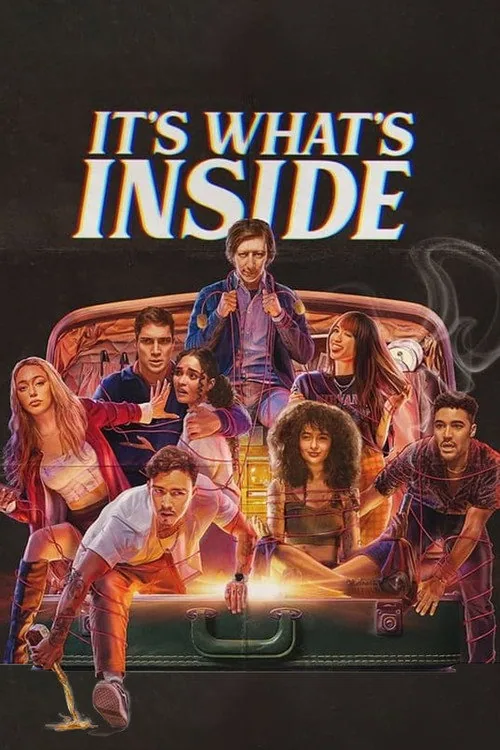
What changes Good Luck, Have Fun, Don't Die: rapid, episodic backstories and quest-driven. It’s What’s Inside: reunion and device setup, rounds of social deception and twist-driven reveal.
A group of college friends reunites at a mansion before a wedding, where an estranged former friend arrives with a mysterious device. The gadget allows them to swap bodies, turning a party game into a volatile test of identity, envy, and old grievances. As the friends try to determine who occupies which body and what everyone wants, the night spirals into deception and danger. The science-fiction thriller uses a contained social gathering and shifting perspectives to question how well friends know one another—or themselves.
Based on recorded story, mood and style. Your preferences can change the order.
Constructed reality
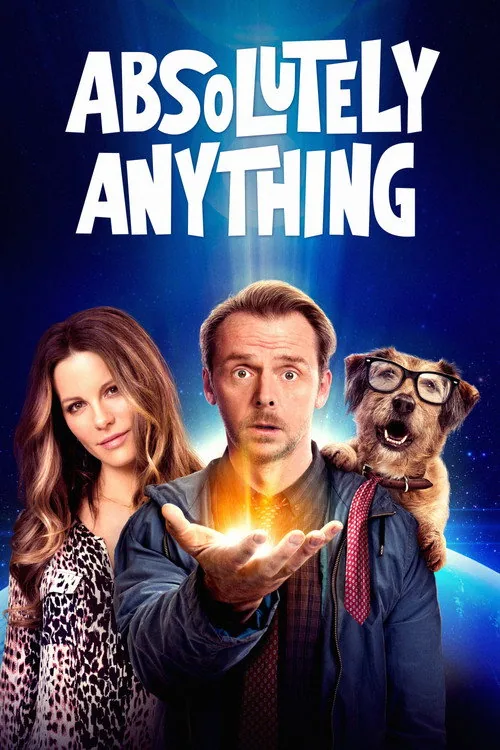
What changes Good Luck, Have Fun, Don't Die: rapid, episodic backstories and quest-driven. Absolutely Anything: wish-based comic episodes, romantic and moral turns and cosmic deadline.
A group of aliens gives London teacher Neil Clarke the power to make anything happen as a test of whether humanity deserves survival. Unaware of the consequences at first, Neil makes impulsive wishes that can alter people, animals, and events around him. His affection for neighbor Catherine and his loyalty to his dog Dennis gradually shape how he uses the power. The British science-fiction comedy connects cosmic judgment with everyday selfishness, asking whether good intentions are enough when a person's words can change the world literally.
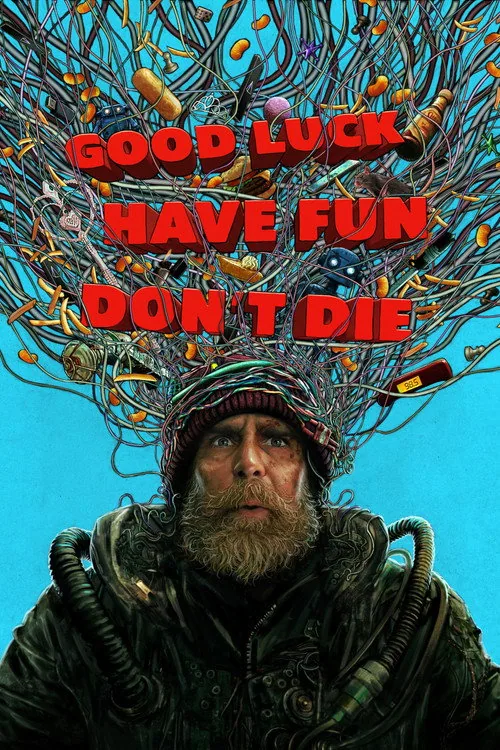
A disheveled stranger arrives at a Los Angeles diner claiming to be from a future destroyed by artificial intelligence. He recruits a group of customers for what he says is one more attempt to prevent the catastrophe, though this is already his 117th trip. As the group escapes the diner and encounters technology-saturated dangers, each member’s personal history becomes part of the mission. Gore Verbinski’s science-fiction comedy mixes an ensemble quest with anxious satire about phones, virtual reality, artificial intelligence, and the systems people build around convenience.
What drives the story
A time traveler assembles strangers and retries a mission to stop a young person’s AI from triggering a technological apocalypse.
The people at its centre
The recruits begin as reluctant strangers whose varied histories shape their willingness to trust the man and one another.
What it feels like
The film is a high-energy, darkly comic science-fiction adventure that combines surreal action with anxiety about digital life and loss.
Worth knowing
Its AI satire unfolds through a time-loop ensemble quest and personal vignettes, rather than a procedural account of technology development.
Technology and dependenceAgency in a designed futureGrief and connection