Both share themes of friendship and family, plus an absurd atmosphere.
Why this matches +
Genres: Comedy
Shared film traits
Based on recorded story, mood and style. Your preferences can change the order.
Expect absurd and broad, with loose and set-piece driven pacing.
Two middle-aged men still dependent on their parents become stepbrothers when their single parents marry and move in together. Their rivalry disrupts the household, but shared immaturity gradually gives way to a friendship both need. The comedy stretches domestic conflict into absurd set pieces while asking what adulthood means when no one has asked you to grow up.
Based on recorded story, mood and style. Your preferences can change the order.
What changes Grandma's Boy: episodic, escalating and set-piece driven. Going in Style: measured and heist-driven.
Longtime friends Joe, Willie and Al face the loss of their pensions after their employer shifts its financial obligations. With age, health and family needs on their minds, they decide to rob the bank they believe has taken their money. Their tentative planning and contrasting temperaments make the heist a comedy, while the story gives each man a chance to reclaim agency during a period when institutions seem to have decided their future for them.
Based on recorded story, mood and style. Your preferences can change the order.
What changes Grandma's Boy: episodic, escalating and set-piece driven. The Life List: inheritance condition launches the challenge, list items reshape alex's routine and final goals clarify her chosen future.
After her mother dies, Alex learns that her inheritance depends on completing a list of goals she wrote as a teenager. Each finished task unlocks another video from her mother, along with a new instruction verified by young lawyer Brad. As Alex takes on challenges involving family, work, and relationships, she revisits ambitions she abandoned while trying to meet others' expectations. The romantic comedy-drama uses the list as a structure for grief, self-discovery, and deciding what kind of life she wants.
Both share themes of friendship, plus a raunchy atmosphere.
Why this matches +
Genres: Comedy / Adventure
Shared film traits
Based on recorded story, mood and style. Your preferences can change the order.
What changes Grandma's Boy: episodic, escalating and set-piece driven. Sex Drive: fast, detour-filled and ensemble comedy.
Recent graduate Ian Lafferty has built an online persona more confident than he feels, and sets out from Illinois to meet a woman in Tennessee. He borrows his older brother’s prized car and brings his friends Lance and Felicia along. Detours, mishaps, and an encounter with an Amish community complicate the road trip, while Ian’s feelings for Felicia challenge his original goal. Sean Anders’s comedy pairs adolescent bravado with friendship and self-discovery.
Based on recorded story, mood and style. Your preferences can change the order.
What changes Grandma's Boy is tagged absurd and raunchy; The Ladykillers is tagged quirky and darkly comic.
An eccentric professor rents a room from a devout older woman while assembling criminals for a casino robbery. The gang uses her home as a base, but the plan is threatened when she becomes aware of their deception. This crime comedy filters a familiar caper through offbeat dialogue and a clash of manners that gradually unravels the thieves’ scheme.
Based on recorded story, mood and style. Your preferences can change the order.
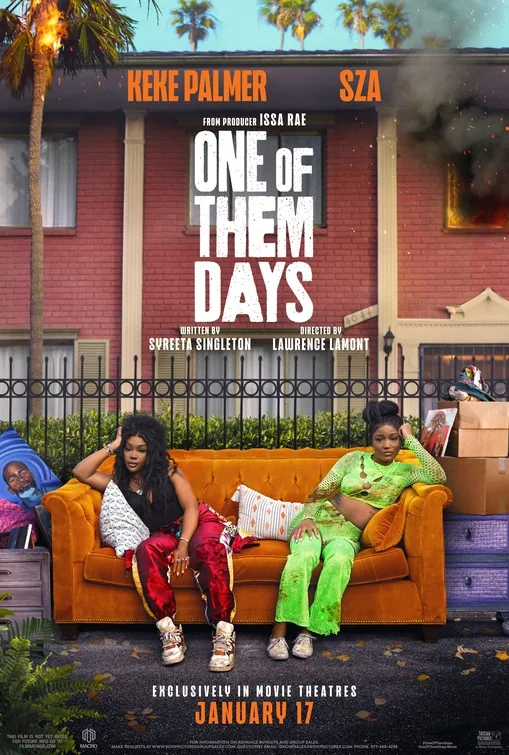
What changes Grandma's Boy: episodic, escalating and set-piece driven. One of Them Days: a single-day deadline links escalating comic errands and setbacks.
Best friends and roommates Dreux and Alyssa discover that the rent money has vanished after Alyssa’s boyfriend spends it. Facing eviction by the end of the day, they race through Los Angeles to raise the cash while trying to preserve their friendship and Dreux’s job prospects. The comedy turns economic precarity into a fast-moving buddy adventure, grounding its outrageous errands in the loyalty between two women.
Based on recorded story, mood and style. Your preferences can change the order.
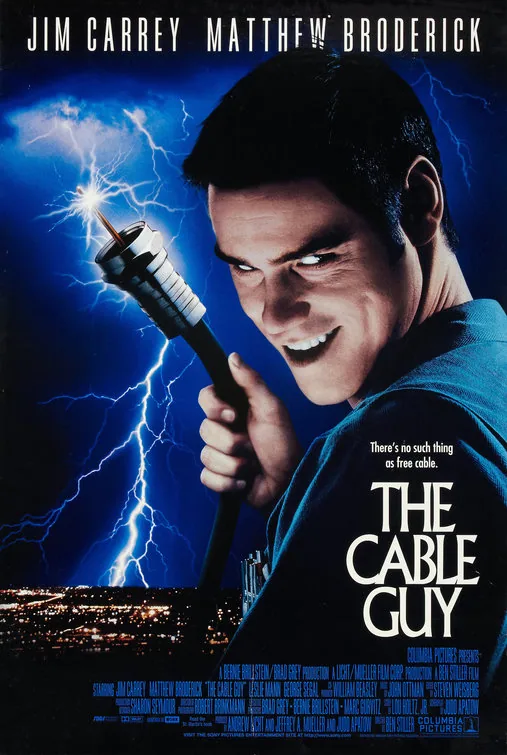
What changes Grandma's Boy: episodic, escalating and set-piece driven. The Cable Guy: comic escalation into danger and sudden tonal turns.
Architect Steven Kovacs calls cable technician Chip Douglas after moving into a new apartment and asks him to install service. Chip offers free channels in exchange for friendship, then becomes increasingly intrusive when Steven tries to return to his own social life. Chip's attention disrupts Steven's friendships and relationship with Robin, while the technician's lonely childhood and reliance on television emerge behind his behavior. Their friendship becomes a dark comic contest over what one person can demand from another, with the cable system serving as a route into private space.
Based on recorded story, mood and style. Your preferences can change the order.
What changes Grandma's Boy: episodic, escalating and set-piece driven. Is This Thing On?: marriage ends quietly, comedy clubs offer alex a new outlet and tess and alex revisit their choices.
As Alex and Tess's marriage quietly unravels, Alex moves into a new phase of middle age and begins trying stand-up comedy in New York clubs. Tess reflects on the sacrifices she made for their family and the parts of her identity that may have gone unrecognized. Their separation reshapes daily life and co-parenting, while each tries to understand whether the relationship is ending or changing into something else. Bradley Cooper's comedy-drama uses the open-mic stage as a setting for Alex's search for purpose and a more intimate view of two people reassessing a long partnership.
Both share themes of friendship, plus a loose atmosphere.
Why this matches +
Genres: Comedy / Romance
Shared film traits
Based on recorded story, mood and style. Your preferences can change the order.
What changes Grandma's Boy: episodic, escalating and set-piece driven. Mallrats: episodic encounters build toward a public romantic stunt.
After breakups disrupt their plans, friends Brodie Bruce and T. S. Quint spend the day at a New Jersey shopping mall, where they argue, scheme, and try to win back their girlfriends. Their misadventures intersect with a public dating-game show hosted by Brodie’s girlfriend’s father and the pair’s own immaturity. Kevin Smith’s comedy uses the mall as a social playground for movie talk, pranks, and romantic frustration, with friendship holding together its loose episodic structure.
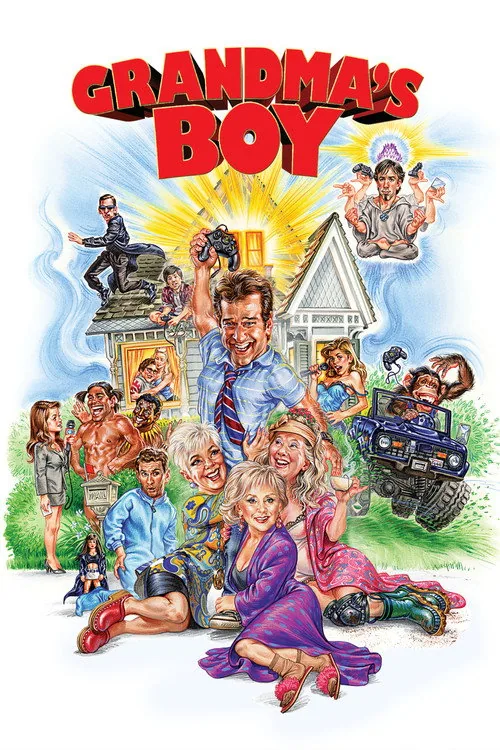
Alex is a thirty-six-year-old video game tester who loses his home after his roommate spends their rent money. He eventually moves in with his grandmother and her two eccentric friends, whose distractions interfere with his work and private game project. At the office, Alex faces a boastful designer who claims credit for others’ ideas while competing for the attention of a colleague. This broad stoner comedy pairs workplace rivalry with an unlikely intergenerational household.
What drives the story
A displaced game tester finds an unexpectedly supportive home with his grandmother and her friends while building his own project.
The people at its centre
Alex’s bond with Lilly and her friends grows through shared play, while workplace competition tests his confidence and authorship.
What it feels like
Contains frequent sexual humor, drug use, crude jokes, and comic workplace and family situations.
Worth knowing
The comedy treats older women as unruly companions and collaborators, not merely obstacles to a younger man’s independence.
WorkFriendshipCreative ambition
Mood
Absurd · Raunchy · Loose
Pacing
Episodic · Escalating · Set-piece driven
Visual style
Bright studio comedy · Suburban interiors · Video game imagery
Storytelling
Video game development · Roommate displacement · Intergenerational comedy