An aspiring dancer gains television access and uses her rising visibility to challenge the segregation and appearance rules defining who may perform.
Why this matches +
Selected for the central appeal: Teen musicals about romance, school status and performing an identity for friends.
Genres: Musical / Comedy
Shared film traits
Based on recorded story, mood and style. Your preferences can change the order.
Coming of age · Music and performance
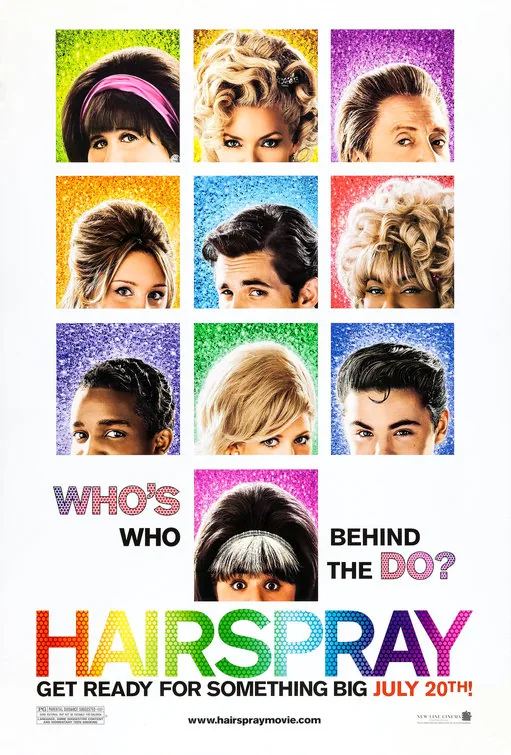
What changes Hairspray combines high-school romance, dance spectacle and social pressure in a colorful period musical.
A Baltimore teenager hopes to dance on a local television show that treats her size as disqualifying and segregates its Black performers. Success gives her visibility, but friendship with excluded dancers makes participation alone an insufficient goal. Romance, family confidence and a public protest converge around who gets access to the broadcast stage. The musical uses exuberant performance to connect bodily acceptance with resistance to an institution that presents exclusion as ordinary programming rather than an explicit political choice.
A cross-group romance threatens inherited territorial loyalties just as a planned confrontation gives those loyalties immediate violent consequences.
Why this matches +
Selected for the central appeal: Teen musicals about romance, school status and performing an identity for friends.
Genres: Crime / Drama
Shared film traits
Based on recorded story, mood and style. Your preferences can change the order.
Music and performance
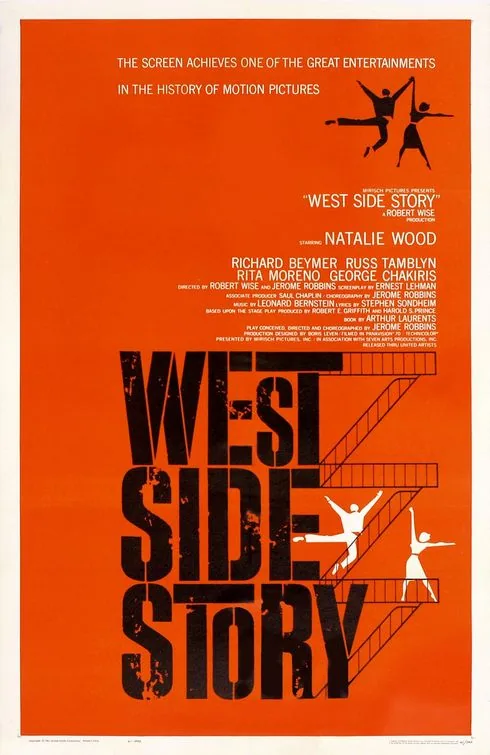
What changes West Side Story uses songs and dance to explore young love constrained by group loyalties.
Two youth gangs compete over an Upper West Side neighbourhood shaped by migration, exclusion and claims to local belonging. A former gang member and the sister of his rivals' leader fall in love after meeting at a dance, imagining an escape from loyalties others treat as fixed. Efforts to contain the conflict fail as pride, prejudice and misinformation make personal reconciliation dependent on a community that repeatedly interprets intimacy as betrayal.
A practical need to replace a dancer creates an apprenticeship that exposes labor hierarchy and makes romantic discovery inseparable from taking responsibility for a coworker's vulnerability.
Why this matches +
These offer a related experience with a meaningful difference in story, tone, or presentation.
An adjacent discovery: a related idea with a different viewing experience.
Genres: Romance / Drama
Shared film traits
Based on recorded story, mood and style. Your preferences can change the order.
Coming of age · Music and performance
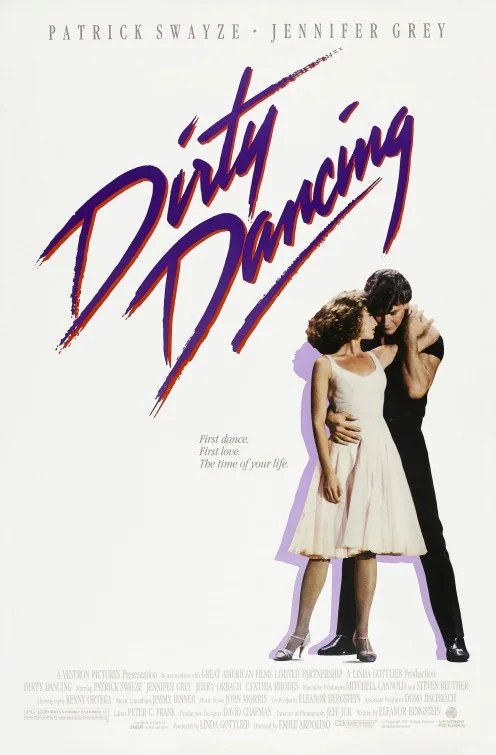
What changes Dirty Dancing follows a young romance shaped by dance, class and family expectations.
A teenager vacationing with her affluent family enters the working world of a resort's dance staff and agrees to replace a performer facing an urgent private crisis. Learning the routine brings attraction to her instructor, but access to money and professional respect remains distributed by class. Her father's misunderstanding forces her to decide whether her emerging sense of fairness can survive conflict with a parent whose protection she has previously trusted.
Broadway performers travel to Indiana to help a lesbian student attend prom, and their publicity-driven plan becomes more personal.
Why this matches +
These offer a related experience with a meaningful difference in story, tone, or presentation.
An adjacent discovery: a related idea with a different viewing experience.
Genres: Comedy / Drama
Shared film traits
Based on recorded story, mood and style. Your preferences can change the order.
Coming of age · Music and performance
What changes The Prom combines school social expectations, romantic identity and musical performance.
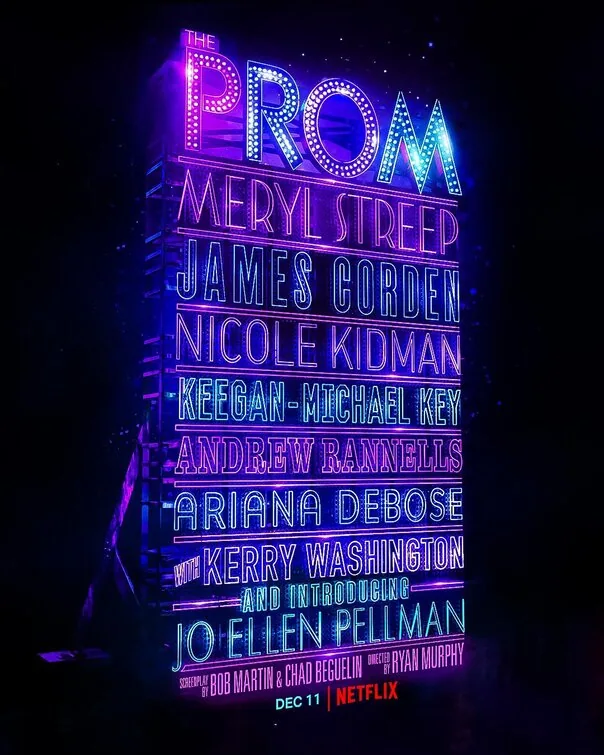
When an Indiana high school cancels prom because lesbian student Emma plans to attend with her girlfriend, a group of struggling Broadway performers decides to intervene. Their initial activism is tangled with a desire to revive their own public careers, but time with Emma and the students changes their priorities. Ryan Murphy’s musical comedy-drama moves between backstage ambition and a school community divided over inclusion, using large ensemble numbers and a small-town prom as the setting for a story about allyship, acceptance, and self-image.
A final school day becomes a sequence of encounters that shape how teenagers imagine the summer ahead.
Why this matches +
These offer a related experience with a meaningful difference in story, tone, or presentation.
An adjacent discovery: a related idea with a different viewing experience.
Genres: Comedy / Drama
Shared film traits
Based on recorded story, mood and style. Your preferences can change the order.
Coming of age
What changes Dazed and Confused follows teenagers negotiating peer status and romance during a formative night.
On the last day of school in 1976, a group of Texas teenagers move between parties, cruising, school traditions, and uncertain summer plans. The film follows several overlapping circles rather than a single protagonist, catching the way older students exercise power while younger ones try to decide how much they will conform. Its loose shape turns ordinary adolescent rituals into a portrait of a moment before adulthood begins.
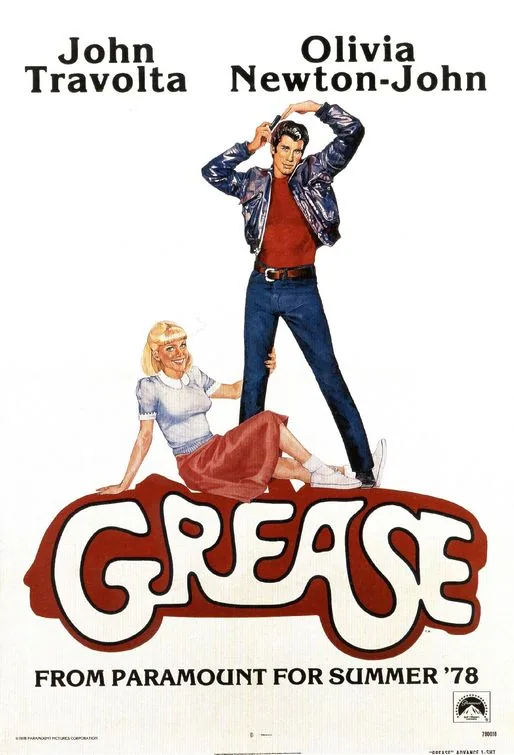
Two teenagers who shared a tender summer meet again at school, where public identity makes their private connection difficult to acknowledge. He performs toughness for his friends, while she faces pressure to change how she dresses, behaves and understands belonging. Parallel romances and a pregnancy scare complicate the group's apparently carefree rituals. Songs, a televised dance and a car race turn social recognition into spectacle, making courtship inseparable from the roles the teenagers perform for one another.
What drives the story
A summer romance must survive its transfer into peer groups whose expectations reward performances that undermine the couple's private understanding.
The people at its centre
Danny's need for masculine approval conflicts with Sandy's hurt and adaptation, while Rizzo's vulnerability exposes costs hidden by the group's confident sexual banter.
What it feels like
Energetic songs, stylized school rituals and affectionate 1950s imagery create exuberance around adolescent insecurity rather than naturalistic observation of school life.
Worth knowing
The nostalgic surface includes sexual pressure and unequal standards; distinguish the celebratory transformation ending from a straightforward lesson that fitting in proves authentic self-discovery.
BelongingRomanceGender expectations
Mood
Exuberant · Playful · Romantic
Pacing
Episodic · Brisk
Visual style
Stylized 1950s imagery · Musical choreography
Storytelling
Summer romance reunion · Peer-group performance · School rituals