Both share themes of survival and family, plus an urgent atmosphere.
Why this matches +
Genres: Action / Thriller
Shared film traits
Based on recorded story, mood and style. Your preferences can change the order.
Survival
What changes Greenland: escalating road survival. Greenland 2: Migration: journey-led and action escalation.
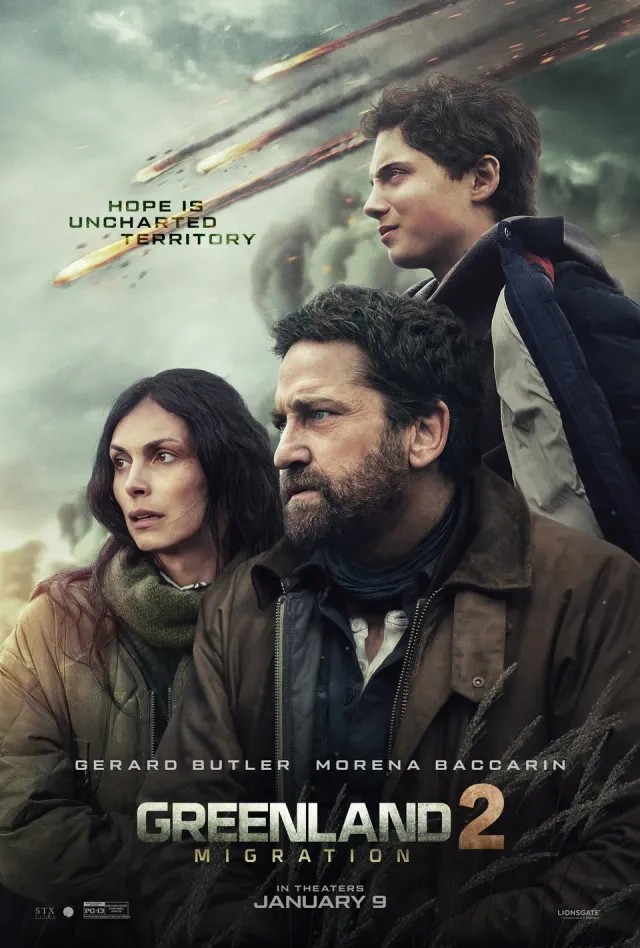
After a comet strike devastates most of the planet, the Garrity family must leave the shelter of their Greenland bunker. They cross a shattered world in search of somewhere they can build a home, facing the dangers of a landscape transformed by catastrophe. The sequel places family survival inside a broader journey, where leaving the bunker means trading its limited safety for uncertain possibilities.
Both share themes of survival and family, plus an urgent atmosphere.
Why this matches +
Genres: Action / Thriller
Shared film traits
Based on recorded story, mood and style. Your preferences can change the order.
Survival · Escape and pursuit
What changes Greenland: escalating road survival. No Escape: relentless and escape-driven.
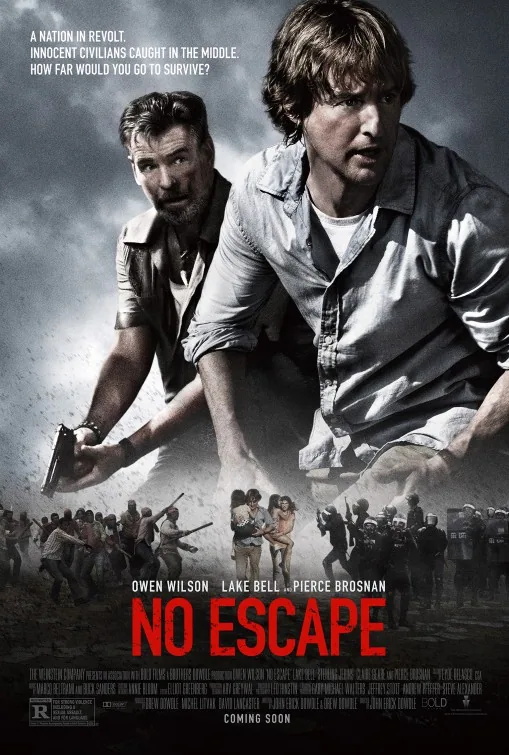
American engineer Jack Dwyer moves his family to an unnamed Southeast Asian country for a new job just as a coup erupts. With communications cut off and foreigners targeted, the family must cross a city in chaos while looking for a route to safety. John Erick Dowdle's thriller stays close to the parents and children, turning geopolitical upheaval into a sustained family survival story and testing how far strangers will go to help one another.
Both share themes of survival and family, plus an urgent atmosphere.
Why this matches +
Genres: Action / Disaster
Shared film traits
Based on recorded story, mood and style. Your preferences can change the order.
Survival
What changes Greenland: escalating road survival. San Andreas: escalating, set-piece driven and rapid.
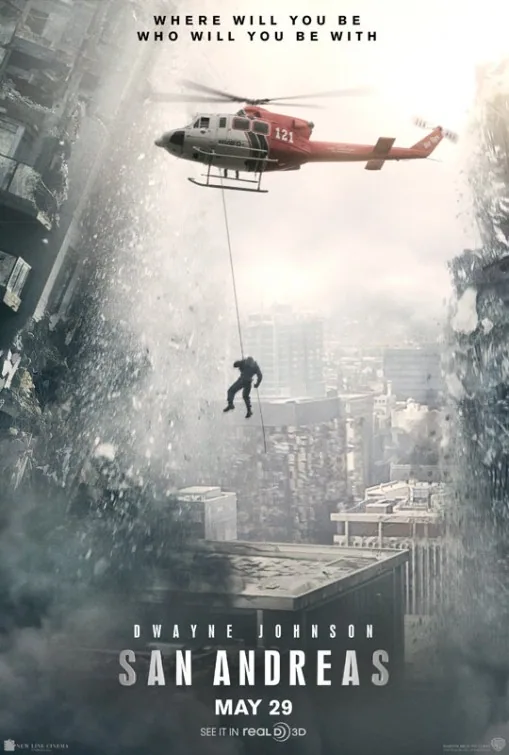
After a major earthquake destroys Hoover Dam, seismologist Lawrence Hayes realizes the San Andreas Fault is beginning a chain of catastrophic ruptures. Los Angeles rescue pilot Ray Gaines tries to reach his estranged wife Emma and their daughter Blake as the disasters spread from California toward San Francisco. Blake’s own survival depends on two strangers she meets during the emergency, while Ray and Emma must cooperate despite the collapse of their marriage. The film uses each new quake to force immediate rescue choices, scaling family reconciliation against a spectacle of cities and landmarks breaking apart.
Both share themes of survival, plus an urgent atmosphere.
Why this matches +
Genres: Thriller / Survival
Shared film traits
Based on recorded story, mood and style. Your preferences can change the order.
Survival
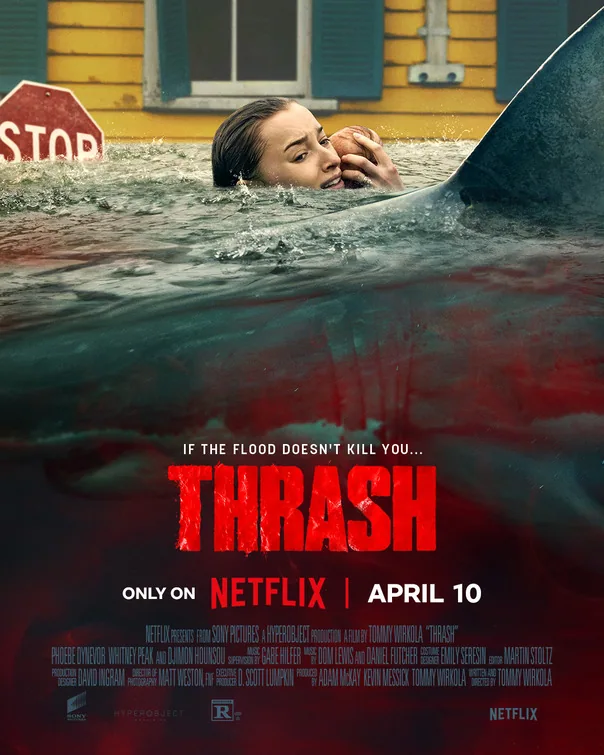
What changes Greenland: escalating road survival. Thrash: rapid crisis escalation and multi-character peril.
After a hurricane strikes a coastal town, survivors face rising floodwater and sharks swept into the streets. The film combines natural-disaster suspense with creature horror, making the storm both a force of destruction and the condition that enables the attacks. Rising water and unstable shelter narrow possible routes to safety, while survival depends on improvisation and choices made with little warning.
Based on recorded story, mood and style. Your preferences can change the order.
Survival
What changes Greenland: escalating road survival. Flightplan: steady and escalating.
After her husband’s death, aircraft engineer Kyle Pratt boards a flight with her young daughter, only to find the child missing and no one aboard remembers seeing her. Kyle’s search meets institutional disbelief, turning the plane into a place where evidence and grief are hard to separate. The thriller builds around isolation and the cost of being dismissed.
Both share themes of survival and family, plus an urgent atmosphere.
Why this matches +
Genres: Action / Thriller
Shared film traits
Based on recorded story, mood and style. Your preferences can change the order.
Survival
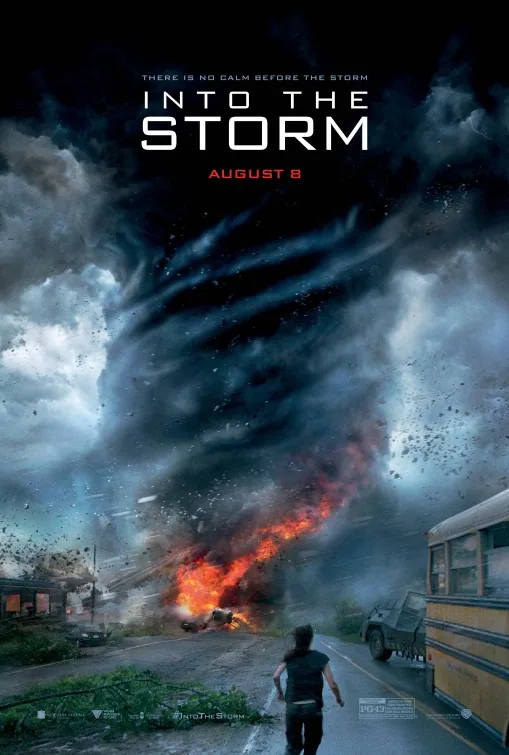
What changes Greenland: escalating road survival. Into the Storm: rapid escalation across linked storm encounters.
A small Oklahoma town is struck by a series of destructive tornadoes, bringing storm chasers and residents into the same immediate struggle for survival. The disaster story moves between the scientists pursuing footage and families trying to find safety, using found-camera perspectives to make weather itself the central threat. Its focus is spectacle, urgency and split-second decisions rather than a single villain.
Based on recorded story, mood and style. Your preferences can change the order.
Survival
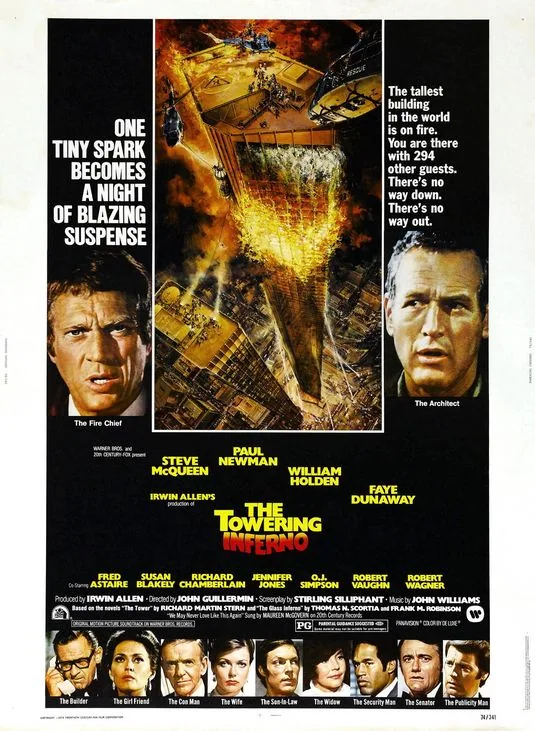
What changes Greenland: escalating road survival. The Towering Inferno: escalating and multi-character.
Architect Doug Roberts returns to San Francisco for the opening of the Glass Tower, the world's tallest skyscraper, and worries that the electrical wiring does not meet his specifications. A small fire begins in the building during the gala, where hundreds of guests are gathered high above the street. Fire Chief Michael O'Hallorhan and Roberts must coordinate rescue efforts across a structure whose height, smoke and locked spaces frustrate ordinary firefighting. The developer's cost-cutting decisions have turned a technical flaw into a disaster, while the trapped guests face choices about cooperation, courage and self-preservation. The ensemble story follows firefighters and civilians as the fire climbs through the building.
Based on recorded story, mood and style. Your preferences can change the order.
Survival
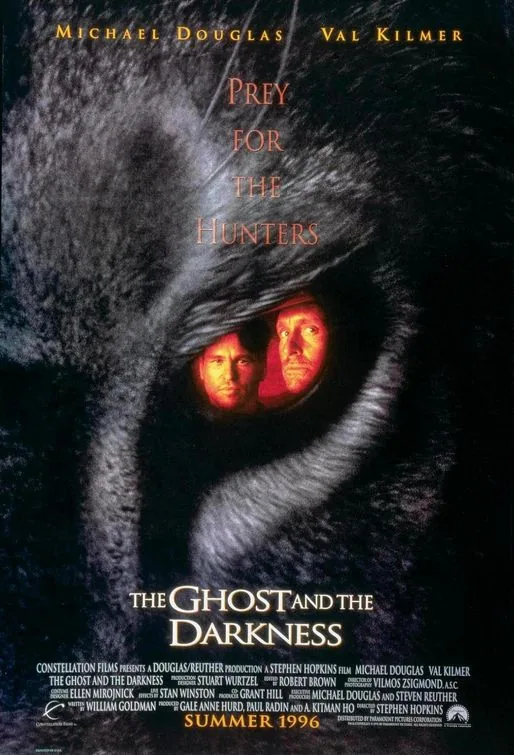
What changes Greenland: escalating road survival. The Ghost and the Darkness: escalating and survival-driven.
Engineer John Patterson travels to Kenya to supervise a railway bridge, where two lions begin killing workers and disrupting the project. He joins hunter Remington in trying to stop them, while the camp's growing fear makes every delay more dangerous. The historical adventure uses the construction site and surrounding wilderness to place human ambition against a persistent natural threat.
Based on recorded story, mood and style. Your preferences can change the order.
Survival · Escape and pursuit
What changes Greenland: escalating road survival. Daylight: escalating.
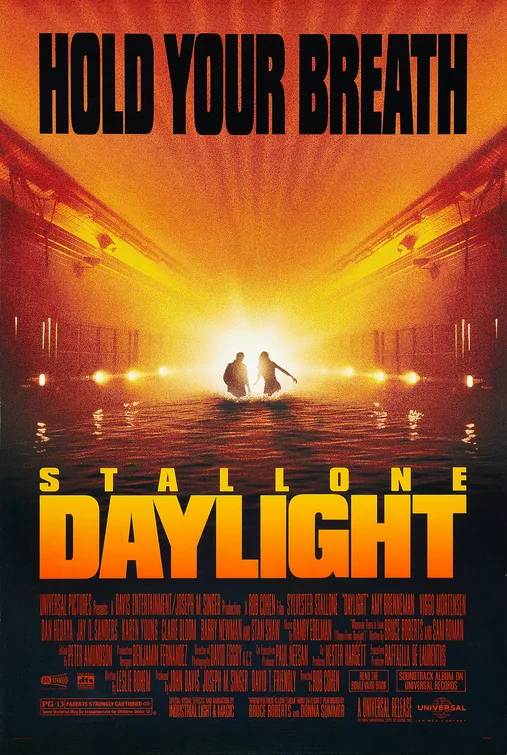
An explosion seals a road tunnel beneath the Hudson River, leaving a disparate group exposed to fire, contaminated air and rising water. A former emergency-services leader enters through a dangerous ventilation route, but reaching the survivors does not reveal an obvious way out. His earlier professional failure makes trust difficult, while the changing structure forces the group to abandon reassuring plans and accept that protecting everyone may require choices no single rescuer can control.
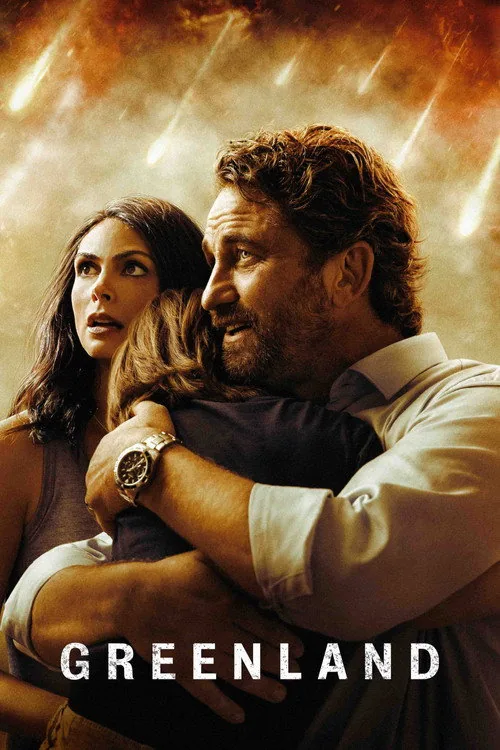
Structural engineer John Garrity and his estranged wife Allison try to move their young son to emergency shelter after fragments from a comet begin destroying cities. An evacuation message selects their family for a flight, but separation and road chaos make reaching the departure point uncertain. The disaster thriller keeps its cosmic threat at a human scale, following a family whose immediate challenge is staying together while public systems and ordinary trust break down.
What drives the story
A selection notice gives the Garritys a narrow chance to reach shelter before the comet makes the crisis irreversible.
The people at its centre
John and Allison’s estrangement makes practical decisions harder, while their son’s health increases the need for careful planning.
What it feels like
The film alternates spectacular impact scenes with tense travel problems and the family’s effort to remain together.
Worth knowing
It is a family-centered comet disaster thriller, not a science-fiction story about stopping the celestial object itself.
FamilySurvivalSeparation
Mood
Urgent · Anxious · Hopeful
Pacing
Escalating road survival
Visual style
Large-scale impact effects · Grounded family perspective
Storytelling
Comet impact · Family evacuation · Deadline journey