Both share themes of family and change, plus a bittersweet atmosphere.
Why this matches +
Genres: Drama / Comedy
Shared film traits
Based on recorded story, mood and style. Your preferences can change the order.
Family and care · Work and ambition
What changes Home for the Holidays: a single holiday gathering concentrates family conflicts and new disclosures and tentative reconciliations. Eat Drink Man Woman: repeated sunday meals frame separate storylines as each family member makes an unexpected change.
Semi-retired Taipei chef Chu prepares an elaborate Sunday dinner for his three adult daughters, whose lives are moving in different directions. Jia-Jen is a chemistry teacher and Christian; Jia-Chien is an airline executive with a suppressed love of cooking; and Jia-Ning is a college student working at a fast-food restaurant. The family meal gives each woman a place to announce changes, while Chu’s own decisions unsettle the household’s assumptions about him. Across repeated dinners, food becomes both an expression of care and a way to avoid difficult conversation. Ang Lee’s ensemble drama observes how changing relationships can renew a family’s connection.
Both share themes of belonging, plus a wry atmosphere.
Why this matches +
Genres: Comedy / Drama
Shared film traits
Based on recorded story, mood and style. Your preferences can change the order.
Family and care · Memory and identity
What changes Home for the Holidays: a single holiday gathering concentrates family conflicts and new disclosures and tentative reconciliations. The Half of It: essay-for-hire setup, messages and misunderstandings, friendship deepens and emotional disclosure and departure.
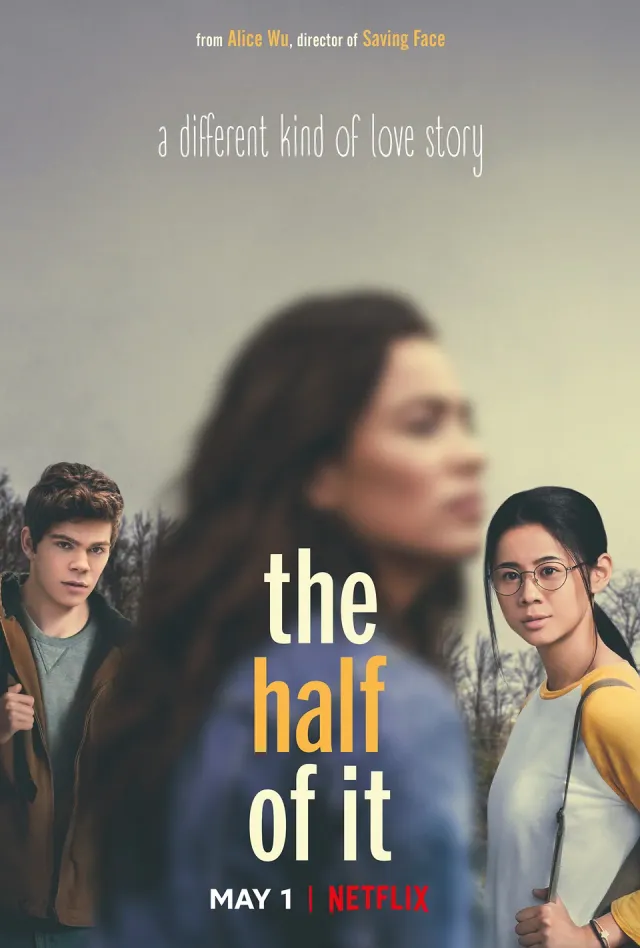
Ellie Chu lives in a small Washington town with her widowed father and earns money by writing classmates’ essays. Paul, an inarticulate football player, asks her to help him court Aster, a girl Ellie secretly loves herself. Ellie begins sending messages as Paul, but their collaboration becomes a genuine friendship and the feelings among all three grow more complicated. Alice Wu’s coming-of-age comedy-drama reworks Cyrano de Bergerac as a quiet story about queer identity, family responsibility, and the risk of being known.
Based on recorded story, mood and style. Your preferences can change the order.
Memory and identity
What changes Home for the Holidays: a single holiday gathering concentrates family conflicts and new disclosures and tentative reconciliations. Stepmom: relationship-centered, gradual emotional shift and melodramatic.
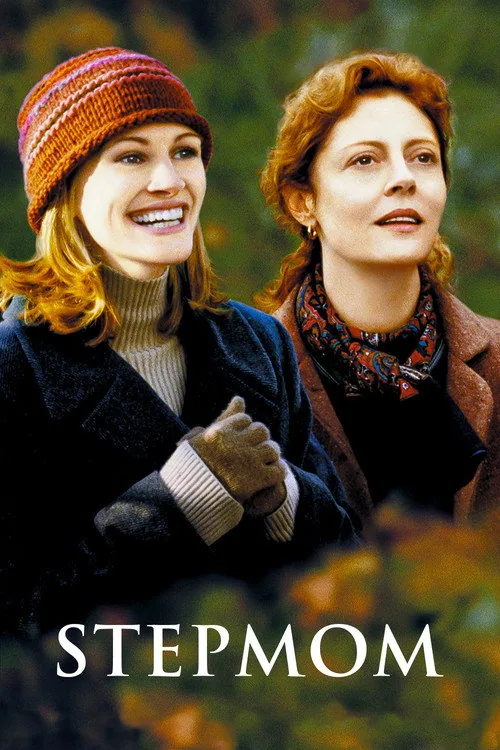
After his divorce from Jackie, Luke begins a life with Isabel, a younger photographer who is trying to build a relationship with his children. Jackie resists the changes in her family and doubts Isabel’s ability to care for them. The tension shifts when Jackie receives a terminal cancer diagnosis, forcing both women to reconsider their rivalry and the children’s future. Chris Columbus’s drama follows family adjustment and the difficult transition toward a stepmother role under the pressure of illness.
Both share themes of change, plus a wry and bittersweet atmosphere.
Why this matches +
Genres: Comedy / Drama
Shared film traits
Based on recorded story, mood and style. Your preferences can change the order.
Family and care · Work and ambition
What changes Home for the Holidays: a single holiday gathering concentrates family conflicts and new disclosures and tentative reconciliations. The Story of Us: alternating memories and present-day encounters track the distance between shared love and entrenched habits.
After fifteen years of marriage, Ben and Katie Jordan find that their shared family life hides growing resentment and silence. Once their children leave for summer camp, the couple begins a trial separation and tries to remember why they fell in love. Flashbacks to their courtship and to years of arguments sit beside awkward phone calls, counseling and small attempts to reconnect. Time apart offers both spouses a chance to see the marriage from the other’s point of view, but affection alone does not erase their habits or the questions they must answer.
Both share themes of adulthood, plus an affectionate atmosphere.
Why this matches +
Genres: Comedy / Drama
Shared film traits
Based on recorded story, mood and style. Your preferences can change the order.
Work and ambition · Memory and identity
What changes Home for the Holidays: a single holiday gathering concentrates family conflicts and new disclosures and tentative reconciliations. The Best Man: bachelor-party events and private conversations raise the pressure on harper to tell lance the truth.
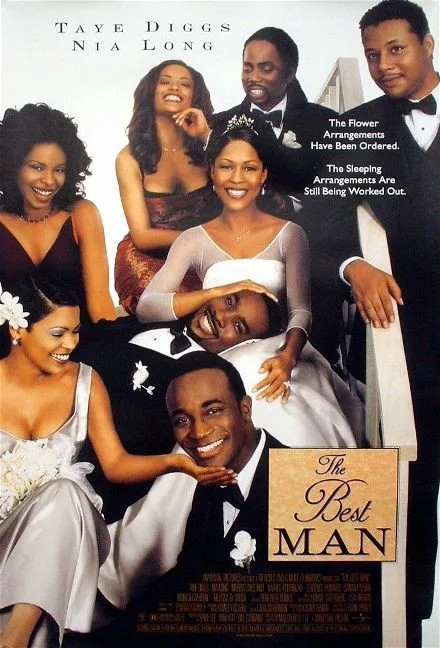
Writer Harper Stewart travels to New York for the wedding of his college friend Lance, bringing an unpublished secret into a weekend with their old circle. Jordan has circulated an advance copy of Harper’s novel, which draws from their shared past and threatens to expose Harper’s one-night encounter with the bride, Mia. The wedding gathering revives old loyalties, rivalries and questions about commitment as Harper weighs honesty against the damage a confession could cause. The friends’ celebration becomes a reckoning with who they were and what they owe one another now.
Both share themes of adulthood and intimacy, plus a wry and bittersweet atmosphere.
Why this matches +
Genres: Comedy / Drama
Shared film traits
Based on recorded story, mood and style. Your preferences can change the order.
Family and care · Memory and identity
What changes Home for the Holidays: a single holiday gathering concentrates family conflicts and new disclosures and tentative reconciliations. Between the Temples: conversation-led, patient and character-driven.
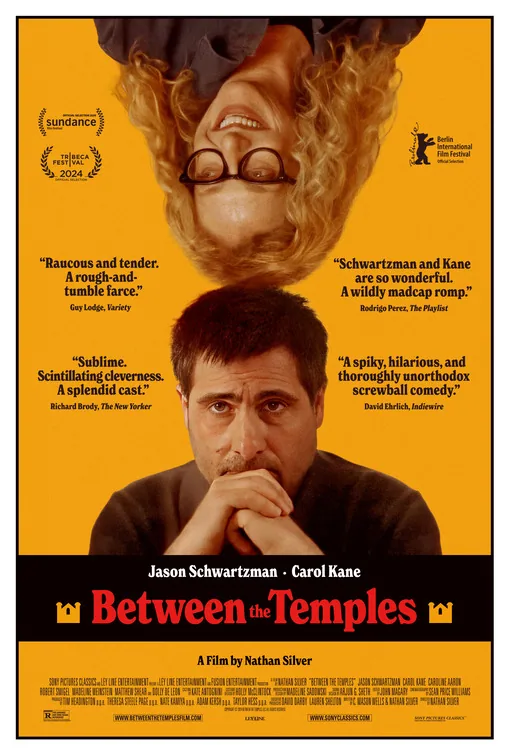
Cantor Ben is grieving his wife and struggling to lead a bar mitzvah ceremony when Carla, his former music teacher, returns and asks him to help her prepare for an adult bat mitzvah. Their lessons bring humor and companionship, but also unsettle Ben's assumptions about religious life and intimacy. Nathan Silver's gentle comedy follows two adults confronting loneliness and possibility through shared study, awkward conversation and a renewed attention to the routines that once seemed fixed.
Based on recorded story, mood and style. Your preferences can change the order.
Family and care · Memory and identity
What changes Home for the Holidays: a single holiday gathering concentrates family conflicts and new disclosures and tentative reconciliations. Our Little Secret: brisk, dialogue-led and escalating misunderstandings.
Avery is surprised when she learns that her new boyfriend's family will spend Christmas with another guest: Logan, her former partner. The two once expected a future together, but their history is now a secret from their current partners. As they navigate family traditions, old habits and awkward questions, they must decide whether preserving appearances is worth the unresolved feelings complicating the holiday.
Based on recorded story, mood and style. Your preferences can change the order.
Family and care · Memory and identity
What changes Home for the Holidays: a single holiday gathering concentrates family conflicts and new disclosures and tentative reconciliations. The People We Hate at the Wedding: fast, farce-driven, ensemble-led and emotionally resolving.
American siblings Alice and Paul travel with their mother to the English countryside for the wedding of their wealthy half-sister Eloise. Old resentments and new embarrassments follow them into the wedding week, where each family member is managing a different version of what reconciliation should look like. The comedy uses an upscale celebration to bring strained relationships into close quarters and give the siblings a chance to reconsider how they treat one another.
Both share themes of family, plus a bittersweet and affectionate atmosphere.
Why this matches +
Genres: Drama / Comedy
Shared film traits
Based on recorded story, mood and style. Your preferences can change the order.
Family and care · Memory and identity
What changes Home for the Holidays: a single holiday gathering concentrates family conflicts and new disclosures and tentative reconciliations. Now and Then: present-day reunion frames episodic memories that build toward a shared childhood discovery.
In 1995, four women return to their Indiana hometown and remember the summer they spent together as twelve-year-olds in 1970. Samantha, Teeny, Roberta and Chrissy each faced different questions about family, growing up and the people they hoped to become. Their childhood plan to build a tree house gives the summer a shared purpose, while a local mystery draws them toward the story of a boy who died years earlier. Adult conversation and flashbacks connect the friends’ present lives with the bonds and discoveries that shaped them, showing how their memories remain a part of who they are.
After losing her job, Claudia Larson flies from Chicago to Baltimore for Thanksgiving with her parents, Adele and Henry. Her daughter has chosen to stay home with her boyfriend, and Claudia is already anxious about the holiday before her younger brother Tommy arrives with his business partner Leo. Their relatives bring conflicting habits, old resentments and unexpected news into the family home. Over the course of the gathering, jokes and arguments give way to moments of intimacy, as Claudia faces the instability in her own life and sees that her family’s flaws coexist with genuine affection.
What drives the story
Claudia’s career setback and her daughter’s independence make the holiday a test of how she sees her own life.
The people at its centre
The family’s teasing and conflict conceal loyalties that become clearer as relatives share their private changes.
What it feels like
The comedy finds both friction and warmth in a noisy family gathering rather than resolving every disagreement.
Worth knowing
Its ensemble structure turns a Thanksgiving visit into a compact portrait of adulthood, family roles and uneasy affection.
familybelongingchange
Mood
wry · crowded · bittersweet · affectionate
Pacing
A single holiday gathering concentrates family conflicts · new disclosures and tentative reconciliations
Visual style
Lively domestic interiors · crowded meals · winter travel and an ensemble of contrasting performances
Storytelling
Recently unemployed daughter returns for Thanksgiving; relatives arrive with secrets and old tensions