Explore films connected to Horton Hears a Who! through Recognition, Responsibility, Communication. Choose the qualities you want to carry into your next watch.
What should feel similar?
Find your next favourite
9 films · Closest overall matches
Hide films you’ve seen or don’t want. Saved on this device.
No matches for this combination yet.
Try another option or reset your choices to see more films.
Based on recorded story, mood and style. Your preferences can change the order.
First contact
What changes Horton Hears a Who!: brisk and escalating. Chicken Little: fast.
Ridiculed after warning that the sky is falling, a small-town child tries to regain his father's confidence through sporting success. The return of a mysterious fragment reveals that the original alarm involved something far stranger than an acorn. When contact with aliens produces another crisis of belief, his group of outcast friends must act without the reassurance that the adults have correctly understood either their warning or the visitors' intentions.
Based on recorded story, mood and style. Your preferences can change the order.
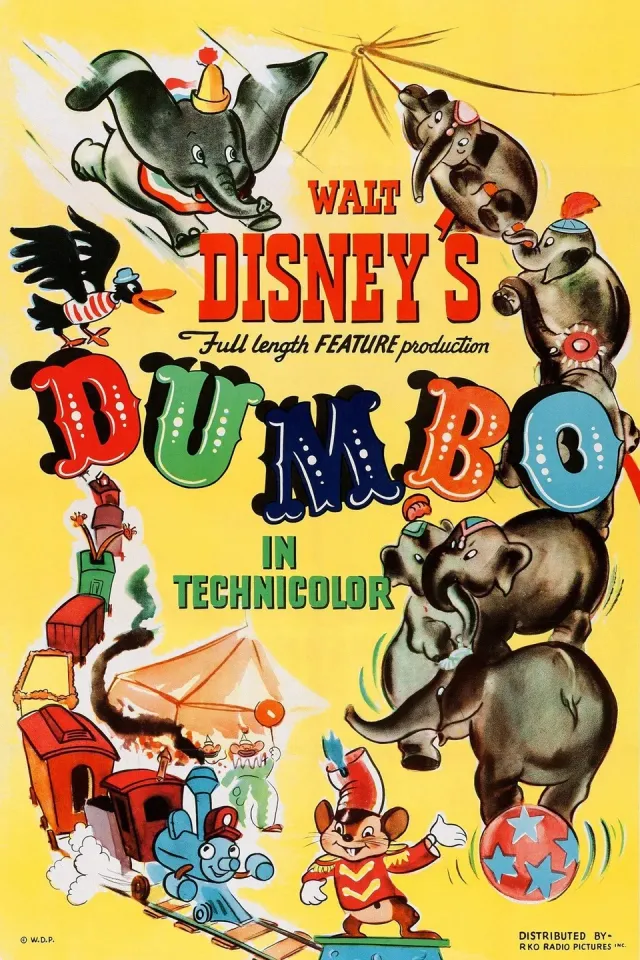
What changes Horton Hears a Who!: brisk and escalating. Dumbo: steady.
A young circus elephant's unusually large ears make him a target for ridicule and separate him from the mother who attempts to protect him. An unexpected friendship helps him navigate a workplace that turns difference into humiliating entertainment. Discovering an unforeseen use for the feature others mock offers a route towards recognition, while the underlying emotional need remains simpler than public applause: safety and renewed closeness with his family.
Based on recorded story, mood and style. Your preferences can change the order.
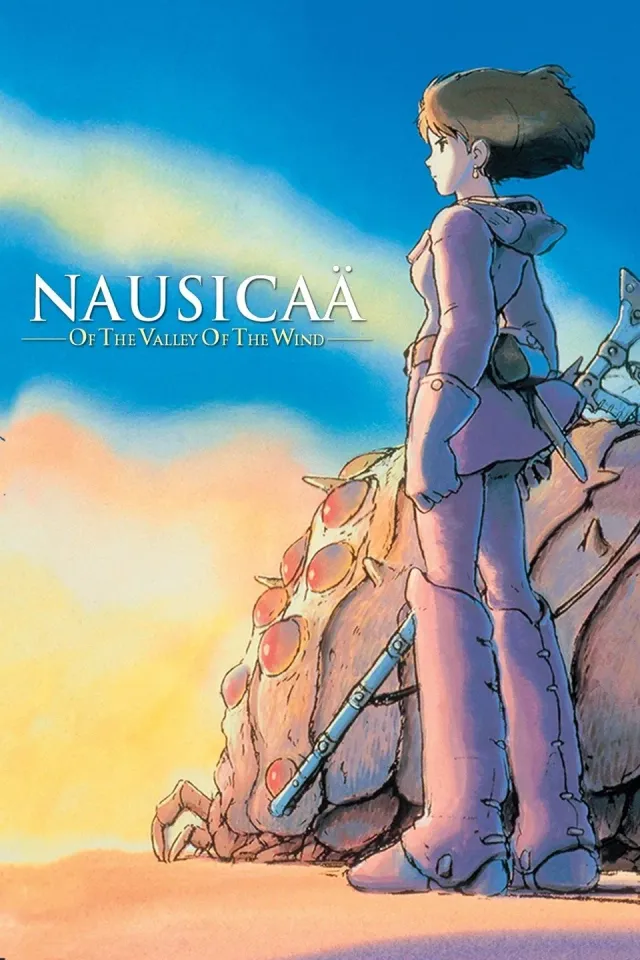
Expect wondrous and grave, with measured and escalating pacing.
A princess studies the toxic forest encroaching on the remnants of human civilisation and recognises patterns that others treat only as threats. When rival states bring military conflict to her valley, an ancient weapon offers a disastrous promise of control. Her attempts to protect both people and feared creatures challenge the assumption that survival requires destroying what cannot yet be understood.
Based on recorded story, mood and style. Your preferences can change the order.
Expect warm and playful, with brisk pacing.
A young sea creature discovers that he can pass as human on land and joins a more confident friend in imagining a life of travel. A seaside town offers a race that might fund the dream, but also hostility toward the identity they conceal. A new friendship opens educational possibilities that threaten the first companion's fear of abandonment. The animated summer story makes belonging expansive only when it can withstand both disclosure and changed plans, rather than requiring two people to preserve a shared escape fantasy forever.
Both share themes of responsibility, plus a warm and playful atmosphere.
Why this matches +
Genres: Animation / Adventure
Shared film traits
Based on recorded story, mood and style. Your preferences can change the order.
What changes Horton Hears a Who!: brisk and escalating. Flushed Away: fast.
A pampered pet rat trying to remove an unwelcome visitor is flushed into London's sewers, where the status that organized his apartment life offers little protection. A resourceful boat owner agrees to help him return, but their escape from a collector's grasp exposes a plan threatening the underground community. Discovering its crowded, precarious warmth changes what he understands as home, especially when private comfort depends on leaving other people inside a danger he could help prevent.
Based on recorded story, mood and style. Your preferences can change the order.
What changes Horton Hears a Who!: brisk and escalating. Kung Fu Panda 4: fast.
A hero asked to choose a successor resists the idea that leadership may require giving up the role through which others recognize him. A thief's information draws him toward a shape-changing adversary seeking access to past masters and their abilities. The prospective ally's divided loyalty makes trust dangerous but also exposes a different model of apprenticeship from domination. The animated sequel turns an external theft of skills into a counterpart to the hero's private difficulty imagining continuity without keeping every honor for himself.
Both share themes of responsibility, plus a hopeful atmosphere.
Why this matches +
Genres: Animation / Family
Shared film traits
Based on recorded story, mood and style. Your preferences can change the order.
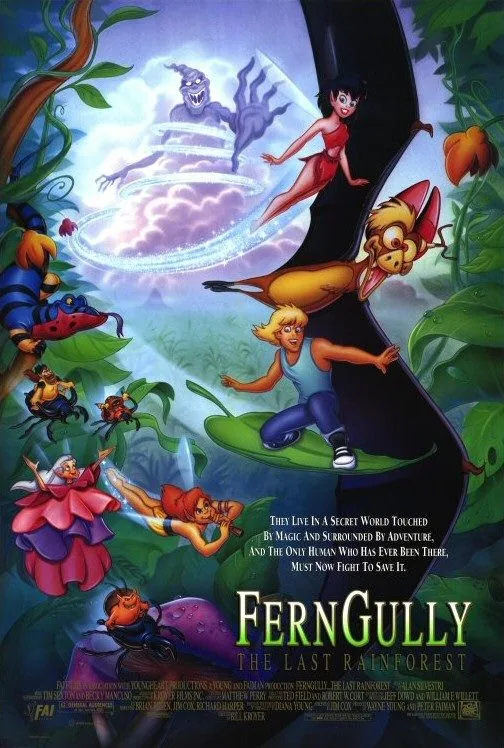
What changes Horton Hears a Who!: brisk and escalating. FernGully: The Last Rainforest: quest with musical interludes.
In a rainforest threatened by human logging, fairy Crysta meets Zak, a logger accidentally shrunk to her size, and shows him the forest as a living world rather than a resource. The pair and their allies confront Hexxus, a destructive force released by industrial damage. The animated musical frames environmental protection as an act of attention, partnership and resistance to unchecked extraction.
Based on recorded story, mood and style. Your preferences can change the order.
What changes Horton Hears a Who!: brisk and escalating. The Star: travel episodes move toward a shared arrival.
A small donkey escapes his familiar routine and joins other animals on a journey that becomes connected to the Nativity story. Along the way, the group faces danger, learns cooperation and discovers that their ordinary roles can matter in a much larger event. The animated family comedy retells a religious story from an animal-centered perspective, using adventure and humor to make its themes accessible.
Based on recorded story, mood and style. Your preferences can change the order.
What changes Horton Hears a Who!: brisk and escalating. Ferdinand: fast.
A gentle bull raised away from the fighting ring is returned to a training ranch after frightened people misread his size and an accidental disturbance as aggression. The other bulls compete for a selection they believe proves their worth, until he discovers what awaits both winners and rejected animals. Escaping requires challenging the assumption that strength must be demonstrated through violence, while persuading rivals that mutual protection offers more than another individual victory.
An elephant hears a voice from a dust speck and becomes responsible for a city that others cannot perceive. His efforts to move it to safety provoke a local authority who treats belief in unseen people as a challenge to social order. Inside the speck, a mayor also struggles to persuade his own community to act on a danger it cannot understand. The parallel stories make protection depend on communication across radically unequal scales, with the smallest possible contribution eventually carrying public significance.
What drives the story
A protector must preserve an imperceptible community while both worlds' authorities resist evidence that would require coordinated action.
The people at its centre
Horton's commitment parallels the mayor's frustration, while the mayor's quiet son exposes how listening to a community must include people whose forms of expression are easily dismissed.
What it feels like
Elastic animation, scale jokes and broad chases turn an argument about recognition into a lively family adventure with a collective vocal climax.
Worth knowing
Match protection through belief, communication and inclusion rather than treating the microscopic world as space exploration or the moral as permission to accept every unverified claim.
RecognitionResponsibilityCommunication
Mood
Warm · Playful · Hopeful
Pacing
Brisk · Escalating
Visual style
Elastic animation · Radical scale jokes
Storytelling
Imperceptible community · Parallel disbelief · Collective voice