Explore films connected to How to Marry a Millionaire through Wealth, Friendship, Romantic choice. Choose the qualities you want to carry into your next watch.
What should feel similar?
Find your next favourite
9 films · Closest overall matches
Hide films you’ve seen or don’t want. Saved on this device.
No matches for this combination yet.
Try another option or reset your choices to see more films.
Both centre on status deception and chosen family.
Why this matches +
Genres: Musical / Comedy
Shared film traits
Based on recorded story, mood and style. Your preferences can change the order.
Expect playful and exuberant, with brisk and episodic pacing.
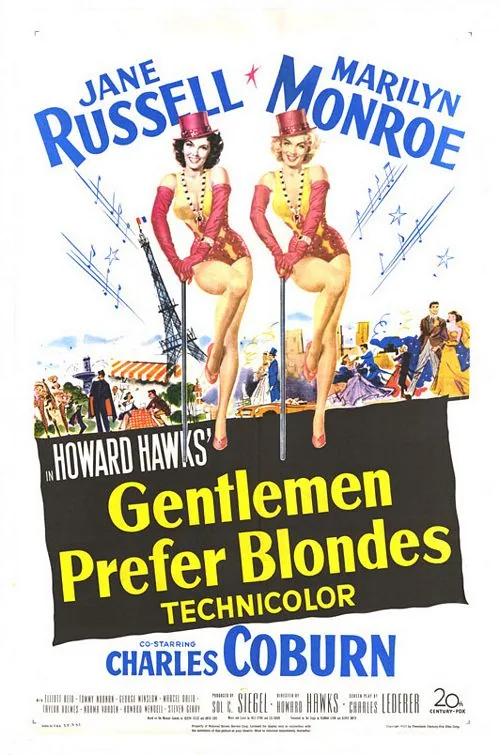
Two showgirls cross the Atlantic with sharply different ideas about desirable men, but a shared determination to protect each other. A wealthy fiancé's family arranges surveillance, and a flirtation involving a diamond magnate produces evidence that threatens both marriage plans and reputation. The women respond with performance, deception and mutual assistance rather than allowing male judgments to separate them. Musical comedy turns courtship into a negotiation over money, appearance and the practical conditions attached to romantic choice.
Based on recorded story, mood and style. Your preferences can change the order.
What changes How to Marry a Millionaire: episodic. How to Lose a Guy in 10 Days: brisk and escalating.
A magazine writer tries to produce a breakup for an assignment while an advertising executive bets that he can make a woman fall in love with him. Their colleagues arrange a pairing in which each mistakes the other's strategic persistence for an inexplicable personality trait. Private warmth emerges inside behavior designed for opposite outcomes, making disclosure a threat to both professional plans and genuine attachment. The romantic comedy relies on the audience knowing the incompatible projects that the couple conceals from each other.
Based on recorded story, mood and style. Your preferences can change the order.
What changes How to Marry a Millionaire: episodic. What Happens in Vegas: brisk and light.
After a spontaneous night in Las Vegas leads to an unintended marriage, two strangers discover a court has tied them together through a large jackpot. They try to outmaneuver one another while sharing an apartment and learning more about the person they resent. The romantic comedy turns a legal dispute into a forced-proximity story about competition and changing assumptions.
Based on recorded story, mood and style. Your preferences can change the order.
Expect playful and confident, with episodic and scheme-driven pacing.
When a lawyer discovers that her boyfriend is already married, she meets his wife and then another woman he has also deceived. Their shared anger becomes a friendship and a series of comic schemes aimed at exposing his double life. The story changes the usual romantic-rival setup into a female alliance, finding its lightness in collaboration and in each woman reassessing what she wants next.
Both share themes of friendship, plus a romantic and playful atmosphere.
Why this matches +
Genres: Comedy / Romance
Shared film traits
Based on recorded story, mood and style. Your preferences can change the order.
What changes How to Marry a Millionaire: episodic. Think Like a Man Too: interwoven subplots build toward the ceremony.
Several couples travel to Las Vegas for a wedding weekend, where competing expectations about commitment, freedom and celebration create an ensemble of comic complications. The story follows familiar relationship tensions across the group rather than a single protagonist, using the city as an excuse for heightened misunderstandings and party set pieces. Its appeal lies in recurring characters and group chemistry more than surprise plotting.
Based on recorded story, mood and style. Your preferences can change the order.
Expect wry and romantic, with episodic and character-led pacing.
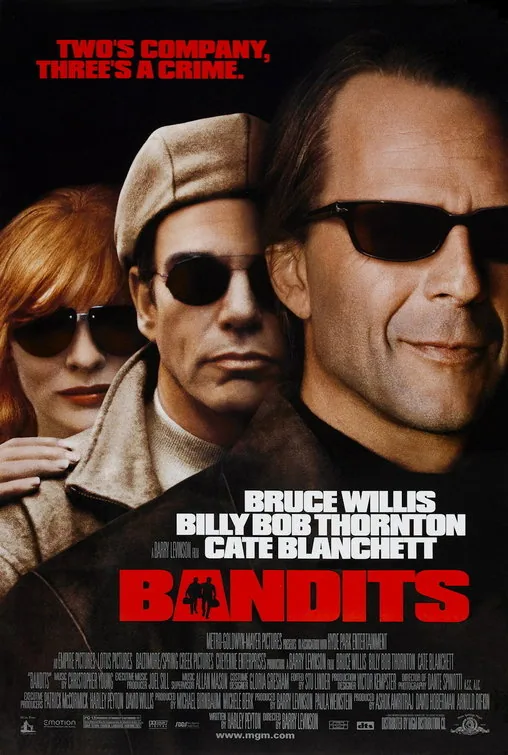
Two escaped convicts become unlikely bank robbers, using a hostage-friendly approach that makes them folk heroes and draws the police into pursuit. Their partnership changes when a restless woman joins them and both men begin to care for her. The film mixes criminal escapades with romantic uncertainty, asking whether the trio can maintain its unconventional freedom once affection, jealousy and public attention alter the terms of their arrangement.
Both share themes of friendship, plus a romantic and playful atmosphere.
Why this matches +
Genres: Comedy / Romance
Shared film traits
Based on recorded story, mood and style. Your preferences can change the order.
What changes How to Marry a Millionaire: episodic. John Tucker Must Die: brisk and escalating.
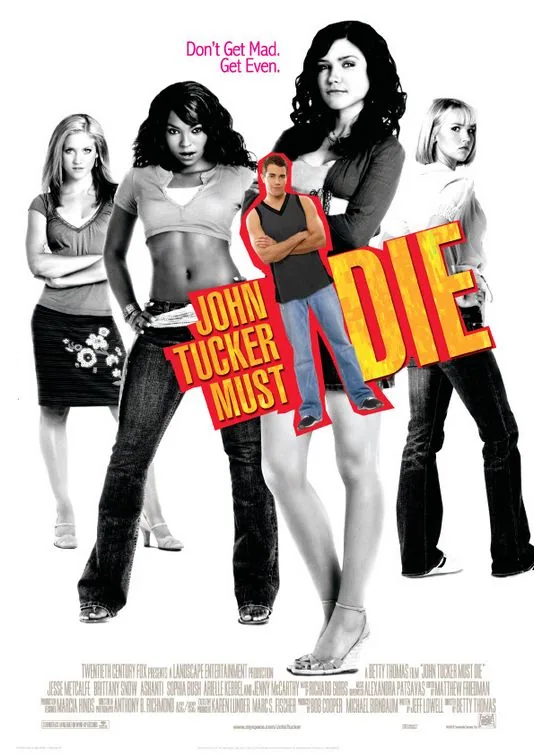
Three girls discover that a popular basketball player has been dating each without telling the others. They recruit a less popular classmate to expose him, but revenge brings complications as attraction, friendship and public humiliation become entangled. This teen comedy uses a shared grievance to explore how status and performance shape romance in a school social world.
Based on recorded story, mood and style. Your preferences can change the order.
What changes How to Marry a Millionaire: episodic. Heartbreakers: escalating and suspense-led.
A practiced con artist and her daughter target wealthy men through a marriage scheme, but a new romance disrupts their routine. Their latest plan becomes difficult when the daughter falls for a sincere bartender and the mother faces her own attachment. The comedy explores how a survival partnership built on deception changes when affection stops being part of the performance. Bright locations, rapid reversals and a paired lead performance place the film between caper farce and family comedy.
Based on recorded story, mood and style. Your preferences can change the order.
What changes How to Marry a Millionaire: episodic. Hitch: brisk.
A consultant helps anxious men make romantic approaches while keeping his own professional role concealed. His attraction to a skeptical journalist reveals that the methods he can explain to clients do not protect him from embarrassment or misinterpretation. A false account of his involvement with a manipulative man then damages both his reputation and a client's promising relationship. The comedy gradually revises the premise of technique, making confidence useful only when it permits another person to encounter traits that cannot be manufactured by a formula.
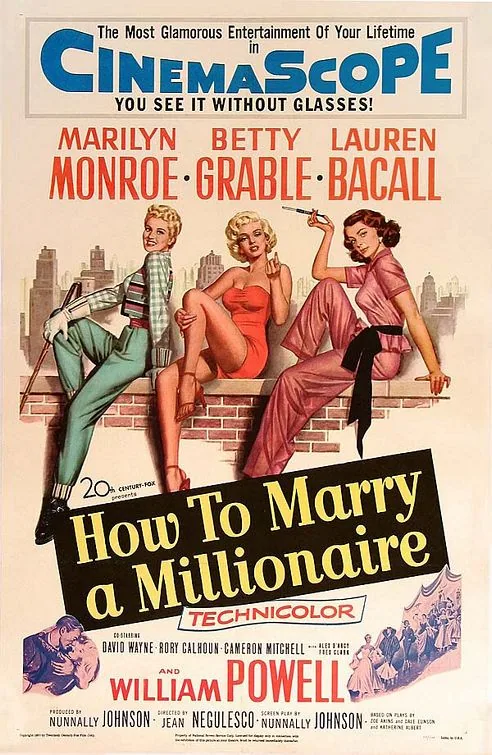
Three women rent an expensive New York apartment to gain access to men they believe can provide financial security. Maintaining the appearance requires improvisation as money runs out, and each courtship exposes a different mistake about status, desirability or opportunity. Their shared plan repeatedly conflicts with attractions that do not fit its rules. The ensemble comedy treats marriage as an economic calculation without making the women identical, using their practical alliance to soften the disappointments and embarrassment produced by appearances.
What drives the story
A shared marriage strategy depends on performing wealth, but separate romantic encounters undermine the assumptions by which the friends classify suitable partners.
The people at its centre
Schatze's guarded pragmatism differs from Loco's impulsiveness and Pola's insecurity about her glasses, while the household gives each a place to disclose what the dates conceal.
What it feels like
Fashionable interiors, visual misunderstandings and parallel courtships create a light social comedy whose economic precarity remains stylized rather than harsh.
Worth knowing
Distinguish the friends' alliance from a moral caricature of fortune hunting; romantic reversal does not eliminate the material concerns that made their strategy intelligible.
WealthFriendshipRomantic choice
Mood
Playful · Wry · Romantic
Pacing
Episodic
Visual style
Fashionable interiors · Visual misunderstandings
Storytelling
Shared affluent facade · Parallel courtships · Mistaken status