Both share themes of violence, plus a graphic atmosphere.
Why this matches +
Genres: Horror / Thriller
Shared film traits
Based on recorded story, mood and style. Your preferences can change the order.
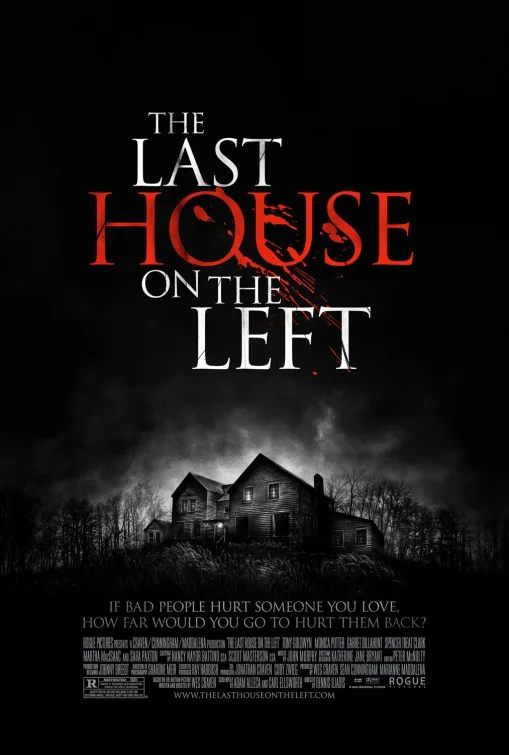
What changes I Spit on Your Grave: a novelist survives a violent attack in an isolated cabin and later targets the men responsible.. The Last House on the Left: escalating and survival-led.
A family’s quiet retreat is shattered after their daughter and her friend encounter a group of violent criminals. The parents unknowingly provide shelter to the same people and gradually learn what has happened, turning their home into the setting for an attempt at revenge. The remake is a graphic thriller about the collapse of safety and the moral cost of retaliatory violence, using ordinary domestic spaces to intensify its disturbing material.
Based on recorded story, mood and style. Your preferences can change the order.
Escape and pursuit
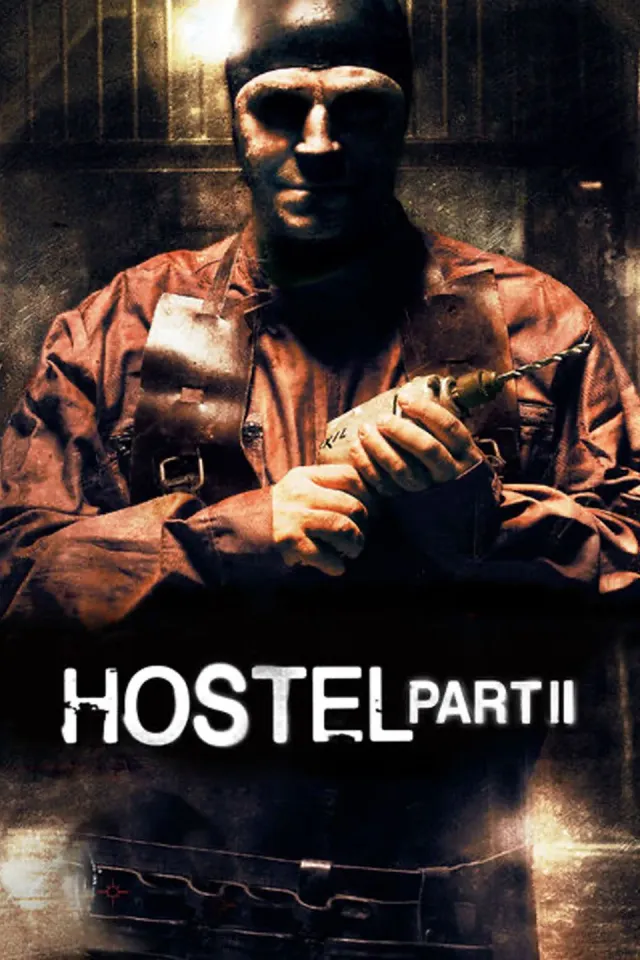
What changes I Spit on Your Grave: a novelist survives a violent attack in an isolated cabin and later targets the men responsible.. Hostel: Part II: escalating and alternating perspectives.
Three American art students travel in Europe and are lured to a hostel that hides a business in which wealthy clients pay to torture and kill abducted visitors. As the women discover the operation, the story also follows two customers preparing to take part, exposing the institution’s businesslike rules and the ways fear can distort moral judgment. The sequel extends its predecessor’s graphic horror through a more explicit focus on choice and complicity.
Both share themes of violence and survival, plus a grim atmosphere.
Why this matches +
Genres: Horror / Thriller
Shared film traits
Based on recorded story, mood and style. Your preferences can change the order.
Escape and pursuit
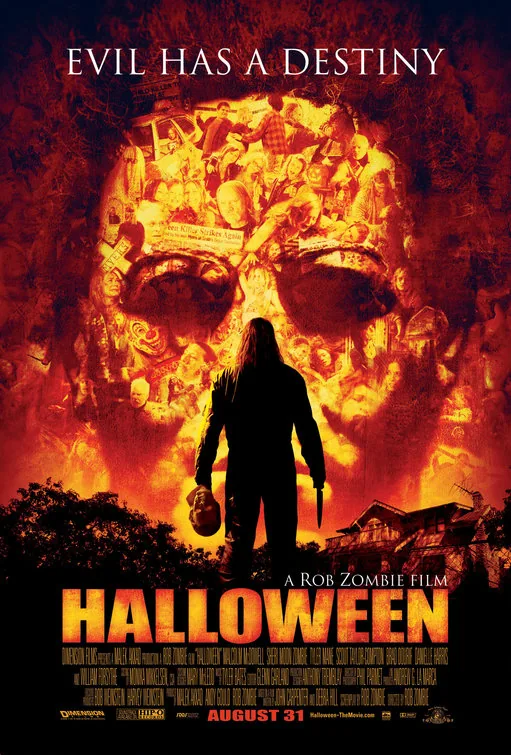
What changes I Spit on Your Grave: a novelist survives a violent attack in an isolated cabin and later targets the men responsible.. Halloween: relentless and escalating.
This reimagining follows Michael Myers from a violent childhood through institutional confinement and eventual return to Haddonfield, where Laurie Strode becomes a target. It gives more attention to the killer’s background than the 1978 original before shifting to stalking and survival. Its grim approach emphasizes trauma, isolation and the repetition of violence.
Both share themes of violence and justice, plus a grim atmosphere.
Why this matches +
Genres: Horror / Thriller
Shared film traits
Based on recorded story, mood and style. Your preferences can change the order.
Escape and pursuit
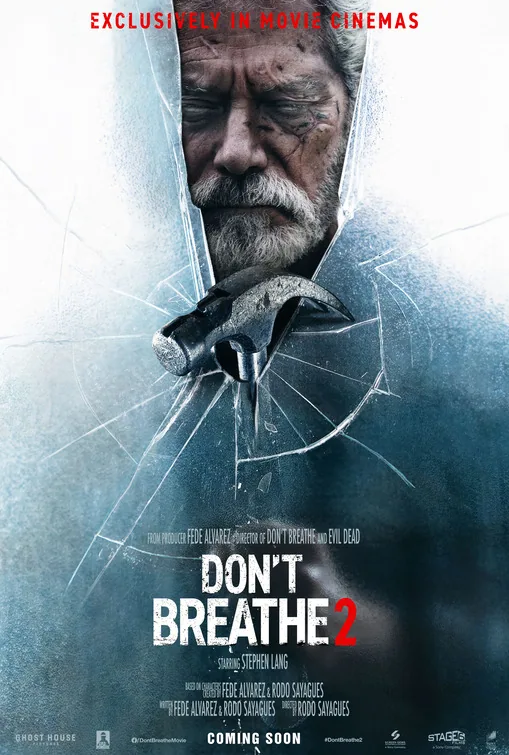
What changes I Spit on Your Grave: a novelist survives a violent attack in an isolated cabin and later targets the men responsible.. Don't Breathe 2: a rescue chase gradually reveals the family history behind the attack.
Years after the home invasion that made him notorious, Norman lives in isolation with a young girl he is raising as his daughter. When a criminal group takes her, he pursues them through the city and the truth about their connection emerges. The horror sequel complicates the original film’s victim-and-attacker roles, using a rescue plot to question protection, violence and the possibility of a moral redemption.
Based on recorded story, mood and style. Your preferences can change the order.
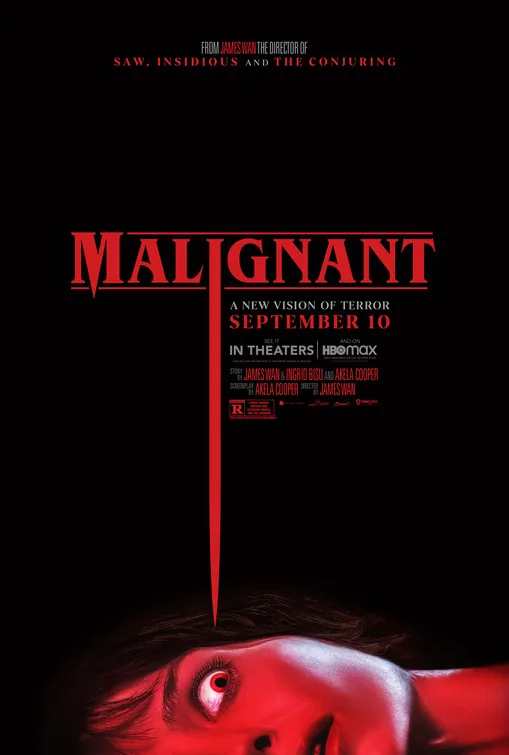
What changes I Spit on Your Grave: a novelist survives a violent attack in an isolated cabin and later targets the men responsible.. Malignant: a procedural investigation breaks into escalating supernatural spectacle.
Madison is tormented by visions of murders she appears to witness as they happen, while investigators connect the killings to an unknown figure from her past. As the violence escalates, her memories and sense of self become increasingly uncertain. James Wan’s horror film begins as a police mystery and shifts into a highly stylized confrontation with a hidden history, using body horror and identity questions to unsettle genre expectations.
Based on recorded story, mood and style. Your preferences can change the order.
Escape and pursuit
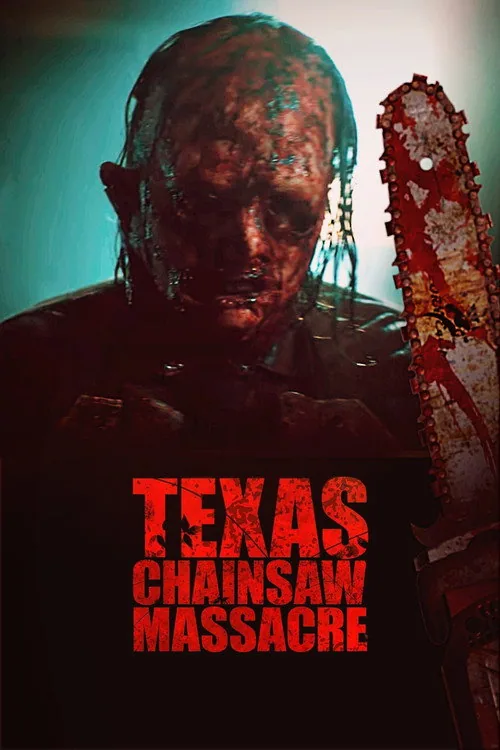
What changes I Spit on Your Grave: a novelist survives a violent attack in an isolated cabin and later targets the men responsible.. Texas Chainsaw Massacre: rapid slasher escalation, survivor pursuit and graphic set-piece violence.
A group of young entrepreneurs travel to the abandoned Texas town of Harlow to organize an auction and create a new community. Their plans are disrupted when Leatherface emerges from hiding after a disturbance at the orphanage where he has been living. A survivor of the 1973 massacre, Sally Hardesty, returns as the new killings draw her back into the past. David Blue Garcia’s slasher sequel continues the original film’s story and contains frequent, graphic violence and chainsaw attacks.
Both share themes of survival, plus a harsh atmosphere.
Why this matches +
Genres: Drama / Thriller
Shared film traits
Based on recorded story, mood and style. Your preferences can change the order.
Escape and pursuit
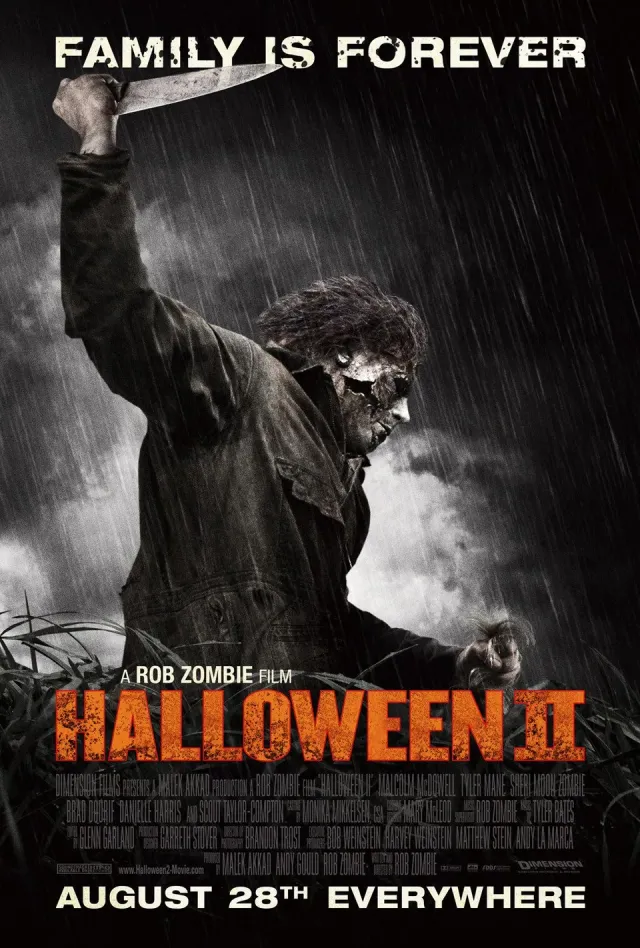
What changes I Spit on Your Grave: a novelist survives a violent attack in an isolated cabin and later targets the men responsible.. Halloween II: relentless and fragmented.
After the events of the previous film, Laurie struggles with trauma while Michael Myers continues to pursue her and those around her. The story moves through a bleak Midwestern town and revisits the franchise’s family connection, placing psychological aftermath beside slasher pursuit. Rob Zombie’s sequel emphasizes abrasive imagery and raw distress, making the experience less about a puzzle of identity than about survivors living under the continuation of violence.
Both share themes of violence and survival, plus a harsh and grim atmosphere.
Why this matches +
Genres: Horror / Thriller
Shared film traits
Based on recorded story, mood and style. Your preferences can change the order.
Escape and pursuit
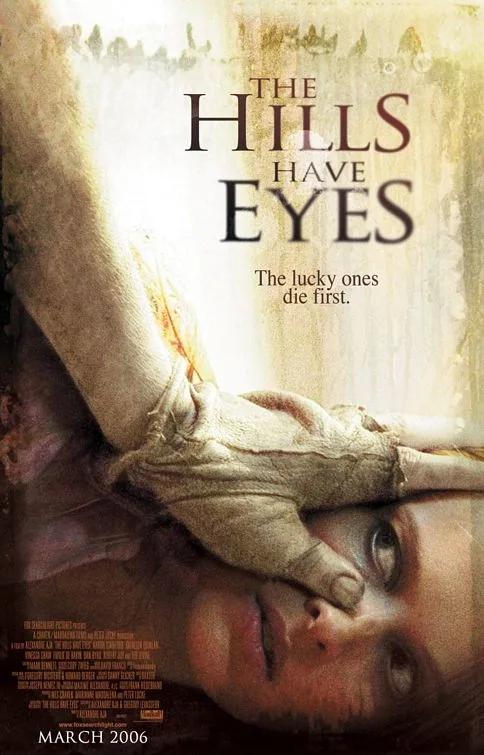
What changes I Spit on Your Grave: a novelist survives a violent attack in an isolated cabin and later targets the men responsible.. The Hills Have Eyes: relentless and escalating.
A family traveling through the desert becomes stranded after taking a route that leaves them far from help. They discover they are being watched and hunted by violent inhabitants of the surrounding hills. This horror remake turns a family road trip into siege and survival, using harsh terrain and bodily danger to strip away ordinary security.
Based on recorded story, mood and style. Your preferences can change the order.
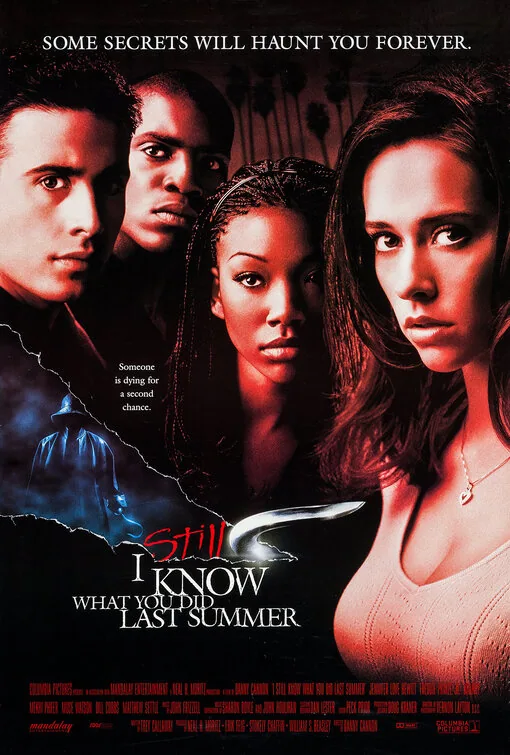
What changes I Spit on Your Grave: a novelist survives a violent attack in an isolated cabin and later targets the men responsible.. I Still Know What You Did Last Summer: escalating and slasher set pieces.
Julie James tries to move beyond a deadly accident from the previous summer, but an anonymous invitation takes her and friends to a remote island resort. When a killer begins targeting them, old secrets and current mistrust narrow their options. The slasher sequel turns vacation isolation into a trap and asks whether survivors can rebuild trust while being forced to repeat the fear they hoped to escape.
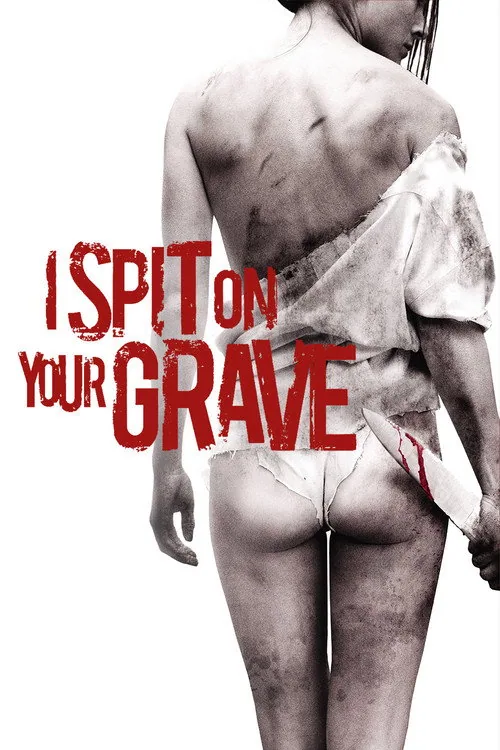
Novelist Jennifer Hills rents a remote Louisiana cabin to work in privacy, where a group of local men sexually assault and nearly kill her. After escaping, she returns to the area and systematically confronts the men who attacked her, drawing each into a revenge scheme that reflects their own earlier cruelty. Steven R. Monroe’s film remakes the 1978 rape-and-revenge horror film and centers a prolonged shift from victimization to retaliation. Its extreme violence and explicit assault material make it one of the most difficult titles in this additions set.
What drives the story
Jennifer’s revenge is planned around the identities and vulnerabilities of each attacker.
The people at its centre
The film repeatedly connects the cruelty inflicted on Jennifer with the retaliatory violence she chooses afterward.
What it feels like
Contains graphic sexual assault, torture, mutilation, and extreme revenge violence; highly distressing for many viewers.
Worth knowing
This is an exploitation-oriented rape-and-revenge horror film whose violence is central to its premise.
SurvivalRetaliationViolence
Mood
Harsh · Grim · Graphic
Pacing
A novelist survives a violent attack in an isolated cabin and later targets the men responsible.
Visual style
Rural isolation · Prolonged horror set pieces · Unflinching violence