Both share themes of cooperation and family, plus an exuberant and playful atmosphere.
Why this matches +
Genres: Animation / Adventure
Shared film traits
Based on recorded story, mood and style. Your preferences can change the order.
Expect playful and exuberant, with fast pacing.
A technically inventive child sends a signal into space while chafing at parental restrictions closer to home. When the adults disappear, the town's children initially enjoy their freedom before discovering how much care and ordinary work they have lost. The signal has enabled an alien abduction, so amusement-park equipment becomes material for a rescue fleet. The animated adventure turns the fantasy of unrestricted childhood into a test of cooperative responsibility, allowing technical skill to matter without making every useful contribution the inventor's alone.
Based on recorded story, mood and style. Your preferences can change the order.
Expect exuberant and playful, with fast pacing.
Animals hoping to return to their old zoo take refuge in a failing traveling circus while a relentless official pursues them. Claiming to be performers offers immediate safety but creates obligations to a troupe whose confidence has been damaged. Inventing a new act makes belonging feel possible before the deception is exposed and the original destination finally becomes reachable. The animated sequel turns the desire to go home into a test of whether familiarity still contains the kind of life the group has learned to want.
Based on recorded story, mood and style. Your preferences can change the order.
Expect warm and playful, with fast pacing.
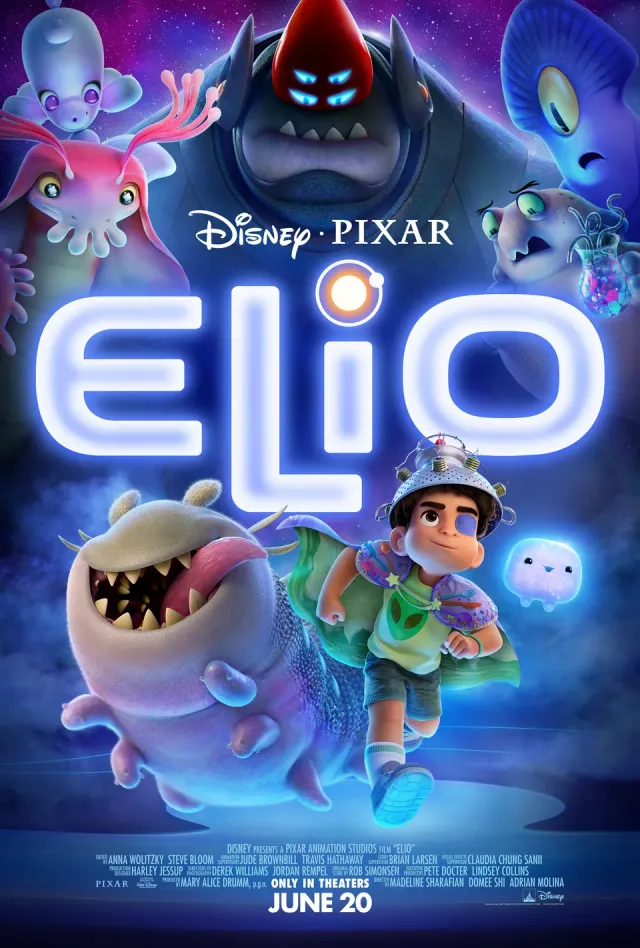
A lonely boy grieving his parents imagines alien abduction as a way to find a place where he belongs. When a cosmic community mistakes him for Earth's leader, accepting the error offers the recognition he has wanted but pulls him into a negotiation he cannot competently command. Friendship with another isolated child complicates his wish to leave home behind, while his aunt's care must be recognized without denying what she has given up to provide it.
Based on recorded story, mood and style. Your preferences can change the order.
Survival
What changes Ice Age: Collision Course is tagged playful and exuberant; The Mitchells vs. The Machines is tagged humorous and energetic.
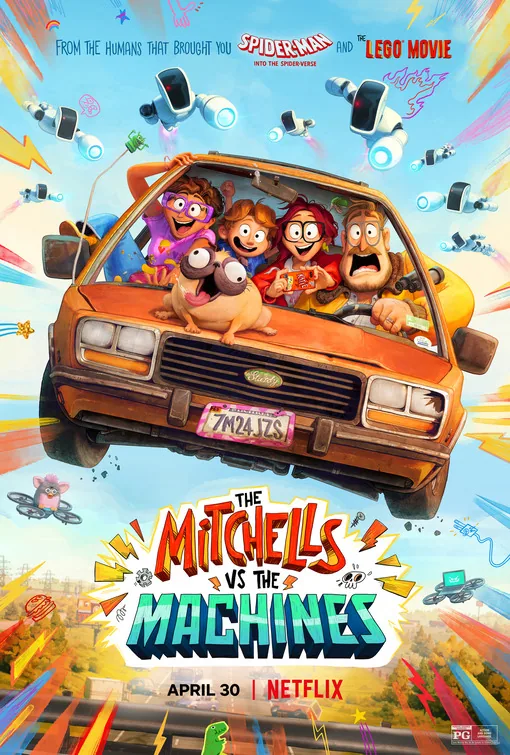
An aspiring filmmaker is ready to leave home for college when her father replaces the flight with a family road trip intended to repair their strained relationship. A technology launch then triggers a global machine takeover, leaving their awkward household among the few people still moving freely. Rescue requires the family to use precisely the eccentric habits and different skills that had previously made understanding one another so difficult.
Both share themes of cooperation, plus an exuberant and anxious atmosphere.
Why this matches +
Genres: Animation / Musical
Shared film traits
Based on recorded story, mood and style. Your preferences can change the order.
Survival
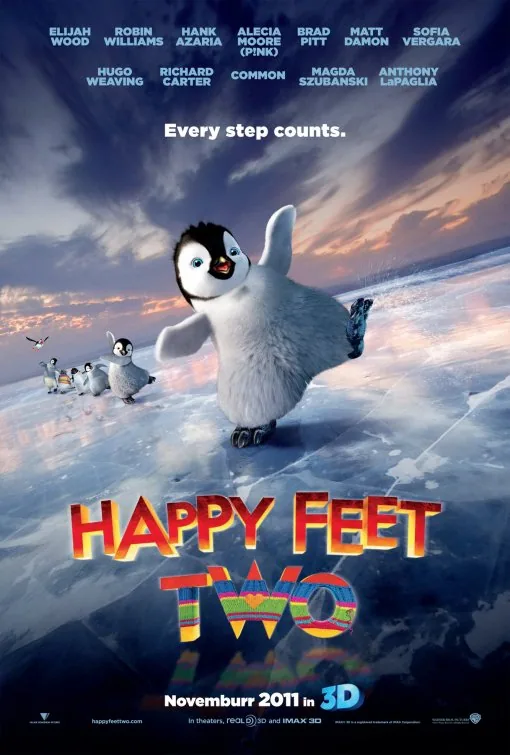
What changes Ice Age: Collision Course: fast. Happy Feet Two: episodic and escalating.
A young penguin who cannot match his father's dancing is drawn to a charismatic figure promising a different route to significance. Their return home reveals the colony trapped by shifting ice, turning a private problem of belonging into a collective rescue. Help must come from beyond the emperor penguins' own group, while a parallel pair of krill question their place in a larger food chain. The musical adventure joins uncertainty about individual usefulness with the discovery that survival depends on cooperation across scales and species.
Based on recorded story, mood and style. Your preferences can change the order.
Survival
Expect playful and adventurous, with fast pacing.
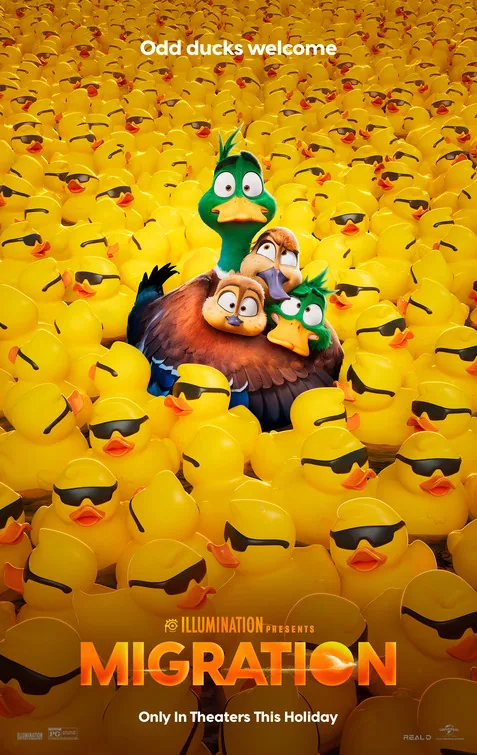
A family of Mallard ducks living safely in a New England pond considers a journey south after Pam persuades anxious Mack to let their children see the world. Their route takes them through New York, where a Jamaican chef's pursuit forces them into the company of a heron and exposes the family's different appetites for risk. The group loses its way, finds help from other birds and eventually reaches Jamaica, where new dangers make Mack rely on the very curiosity he had tried to contain. The adventure turns a family vacation into a negotiation over independence and care.
Both share themes of cooperation, plus a playful atmosphere.
Why this matches +
Genres: Animation / Adventure
Shared film traits
Based on recorded story, mood and style. Your preferences can change the order.
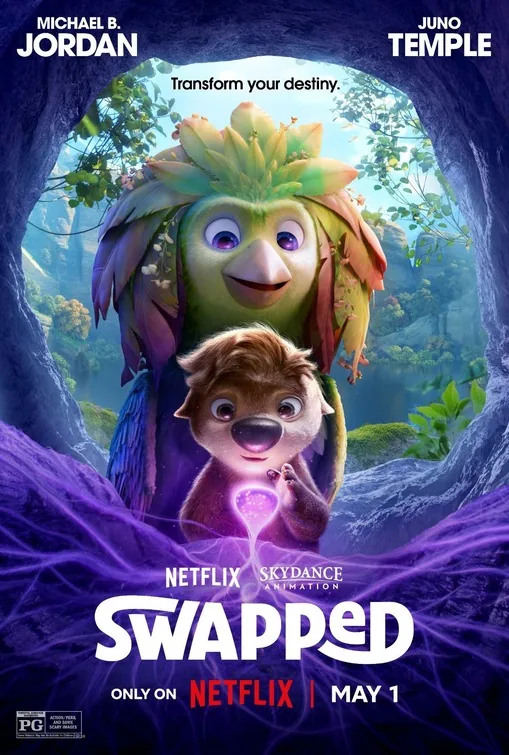
What changes Ice Age: Collision Course: fast. Swapped: comic escalation and adventure quest.
Two natural enemies swap bodies and must learn to work together to survive in a changing animal world. This animated comedy uses a body-swap premise to create visual jokes while giving its mismatched pair a shared survival goal. Their partnership grows through practical problem-solving and a new appreciation of the other's perspective, as each learns to navigate a dangerous world without relying on familiar instincts.
Both share themes of family, plus a playful atmosphere.
Why this matches +
Genres: Animation / Family
Shared film traits
Based on recorded story, mood and style. Your preferences can change the order.
Expect playful and energetic, with fast pacing.
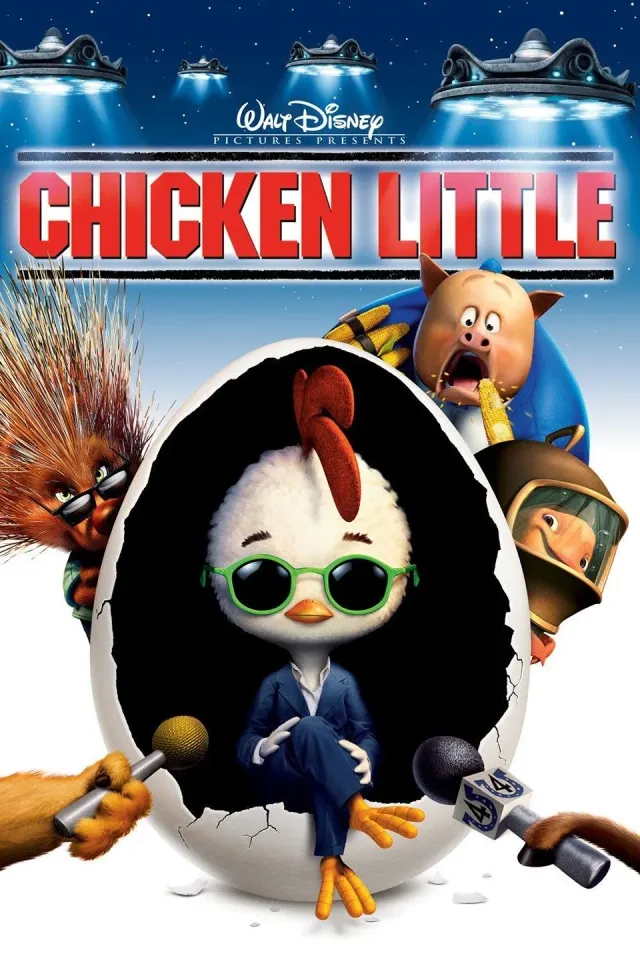
Ridiculed after warning that the sky is falling, a small-town child tries to regain his father's confidence through sporting success. The return of a mysterious fragment reveals that the original alarm involved something far stranger than an acorn. When contact with aliens produces another crisis of belief, his group of outcast friends must act without the reassurance that the adults have correctly understood either their warning or the visitors' intentions.
Based on recorded story, mood and style. Your preferences can change the order.
What changes Ice Age: Collision Course is tagged playful and exuberant; Home is tagged humorous and hopeful.
An alien population occupies Earth and relocates its inhabitants under an official claim of helpfulness, while an accident-prone member becomes a fugitive after endangering his own group. Meeting a human girl separated from her mother creates a reluctant partnership across the divide produced by that occupation. Their effort to reunite the family exposes weaknesses in the alien leadership's account of fear, making friendship a practical route towards recognising people its policies have treated as interchangeable.
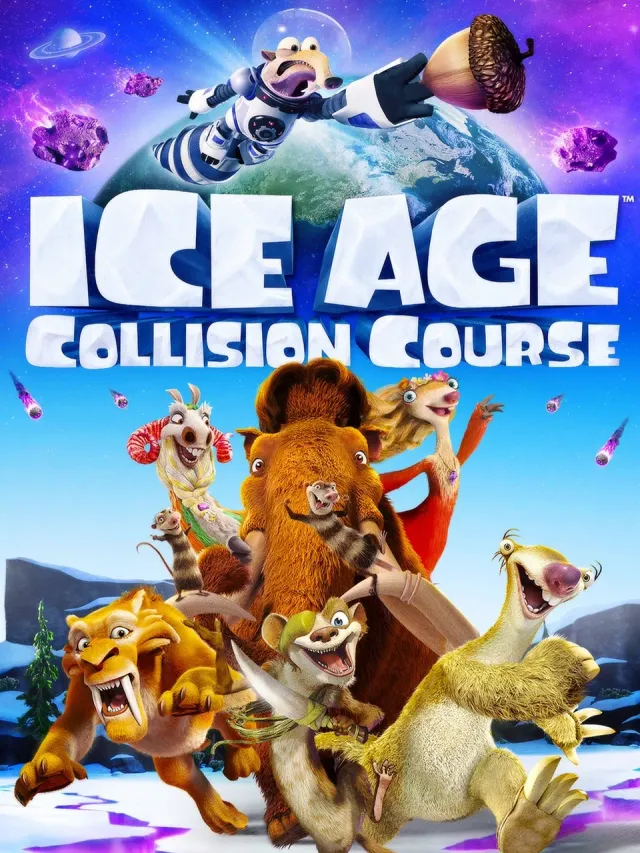
A cosmic accident places the herd in the path of an approaching asteroid just as a daughter's engagement unsettles her protective parents. A familiar adventurer proposes a wildly improbable plan whose success depends on cooperation from a sheltered community unwilling to surrender its own advantages. Personal arguments about trust and departure unfold inside a much larger rescue deadline. The animated sequel turns planetary danger into a comic test of whether family attachment can allow change rather than trying to keep every member permanently in place.
What drives the story
An approaching impact sends the herd to a resource-rich refuge whose inhabitants must give up their protection to make a shared diversion plan possible.
The people at its centre
Manny's suspicion of Peaches's fiancé parallels the refuge's resistance to collective sacrifice, while different family members negotiate independence and commitment.
What it feels like
Broad cosmic slapstick, visual anachronism and escalating rescue machinery make the extinction threat a colorful family farce rather than credible disaster science.
Worth knowing
Scrat's spacecraft mishaps and magnetic solution are comic fantasy; distinguish the asteroid diversion and impending marriage from earlier sequels' migration or missing-friend journeys.