Carter and his supporters seek to have his conviction reconsidered and overturned.
Why this matches +
Selected for the central appeal: A wrongful conviction links coerced state power, family bonds and a long struggle for justice.
Genres: Biography / Drama
Shared film traits
Based on recorded story, mood and style. Your preferences can change the order.
What changes A prisoner’s fight to overturn a wrongful conviction exposes institutional prejudice and depends on sustained relationships outside prison; an American boxer’s case replaces the Guildford bombing and father-son ordeal.
In 1966, middleweight boxer Rubin “Hurricane” Carter and his friend John Artis are stopped by police after a triple murder and later convicted based on witness testimony. Carter maintains his innocence in prison and publishes an autobiography; years later, teenager Lesra Martin reads it and draws a Canadian foster family into the effort to reopen the case. Norman Jewison’s biographical drama follows the legal campaign that leads a federal judge to overturn the convictions. It is a dramatic adaptation of Carter’s story, and some depictions of the real case were disputed and later corrected.
A long imprisonment becomes a struggle to preserve agency and hope inside a system that profits from dependency.
Why this matches +
Related viewing experiences with the specific differences recorded for each pair.
An adjacent discovery: a related idea with a different viewing experience.
Genres: Drama
Shared film traits
Based on recorded story, mood and style. Your preferences can change the order.
What changes A wrongly imprisoned man’s survival depends on a deep bond and resistance to corrupt authority; fictional friendship and an escape narrative replace a dramatized real appeal and father-son loss.
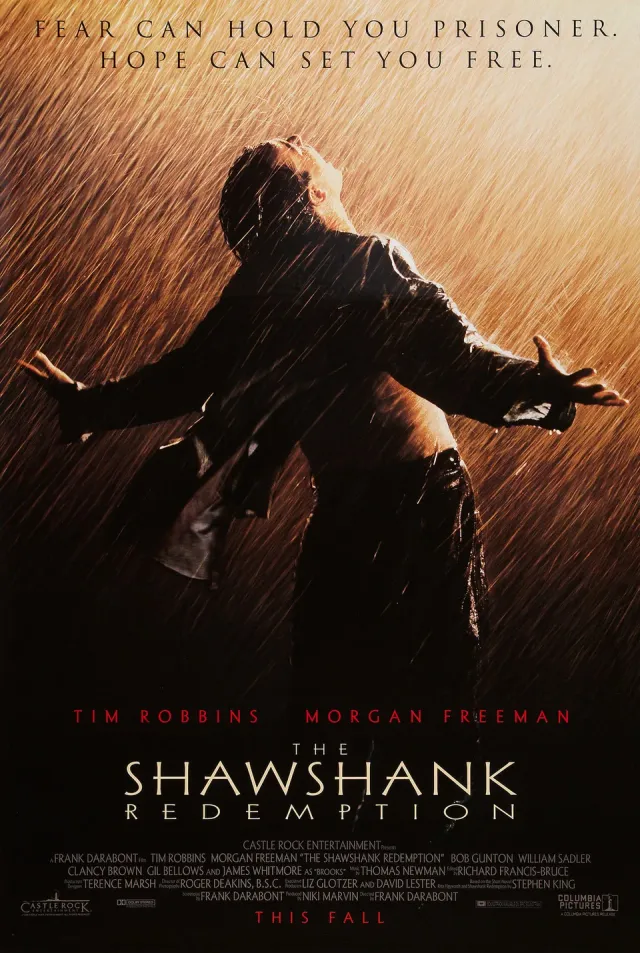
A banker convicted of murdering his wife enters a prison where brutality and institutional self-interest organise ordinary life. Friendship with an experienced inmate and the usefulness of his financial skills create limited space for work, learning and private hope. Years of adaptation expose different meanings of freedom, as the practical advantages that keep him alive also bind him more closely to people invested in maintaining his confinement.
Bryan’s first meetings with Walter turn a legal file into a relationship grounded in listening.
Why this matches +
Related viewing experiences with the specific differences recorded for each pair.
An adjacent discovery: a related idea with a different viewing experience.
Genres: Biography / Drama
Shared film traits
Based on recorded story, mood and style. Your preferences can change the order.
Investigation
What changes A lawyer challenges a wrongful conviction built within a prejudiced system while a prisoner’s family endures the cost; an advocate’s viewpoint replaces Gerry and Giuseppe’s fraught bond.
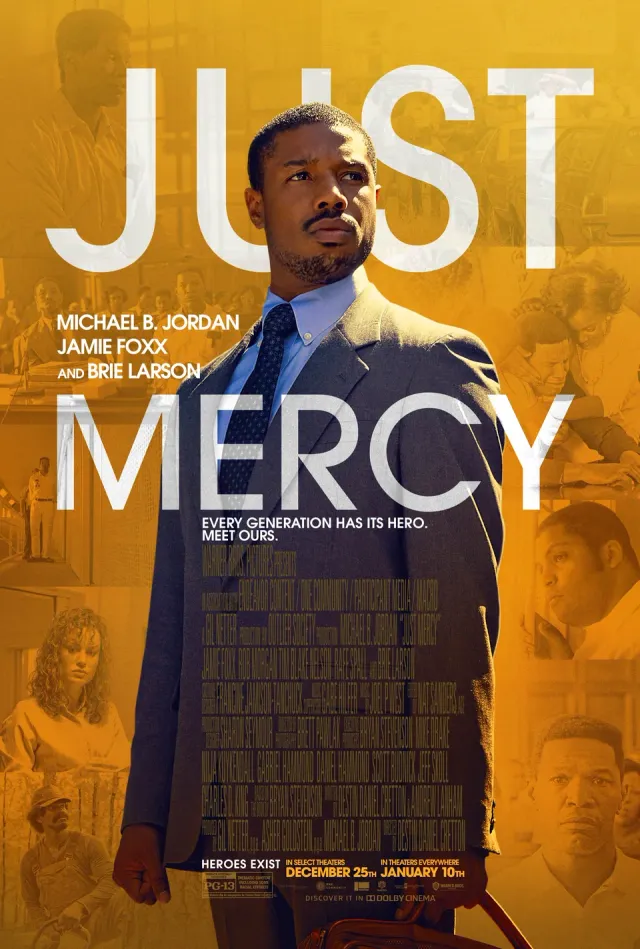
Young lawyer Bryan Stevenson travels to Alabama to defend people who cannot afford representation and takes up Walter McMillian’s case after a questionable murder conviction. The legal fight reveals suppressed evidence, racial bias and the unequal power of the state. Adapted from Stevenson’s memoir, the drama follows the patient work of investigation and advocacy while showing how one case reflects a much wider pattern.
Hollander and Duncan seek a fair hearing for Slahi while facing official secrecy and evidence shaped by his detention.
Why this matches +
Related viewing experiences with the specific differences recorded for each pair.
An adjacent discovery: a related idea with a different viewing experience.
Genres: Drama / History
Shared film traits
Based on recorded story, mood and style. Your preferences can change the order.
Investigation
What changes Coercive interrogation and suppressed evidence entangle personal suffering with a state’s claim of security; Guantánamo detention and a legal-defense perspective replace the Irish family’s prison history.
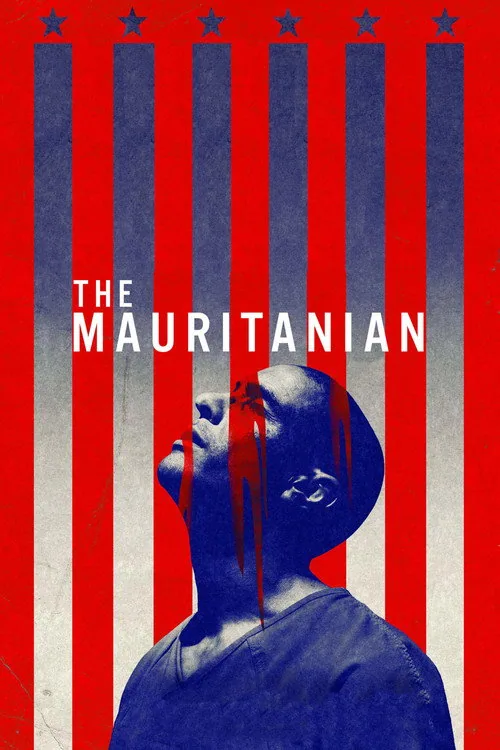
Mohamedou Ould Slahi is detained at Guantánamo Bay without charge, and attorney Nancy Hollander takes on his case with associate Teri Duncan. Their effort to secure a hearing confronts government secrecy, military procedure, and Slahi’s account of prolonged imprisonment and torture. A military prosecutor, Stuart Couch, also reassesses the case as he encounters evidence about how the detention was handled. Kevin Macdonald’s legal drama is based on Slahi’s memoir and centers on due process, state power, and the human effects of indefinite detention.
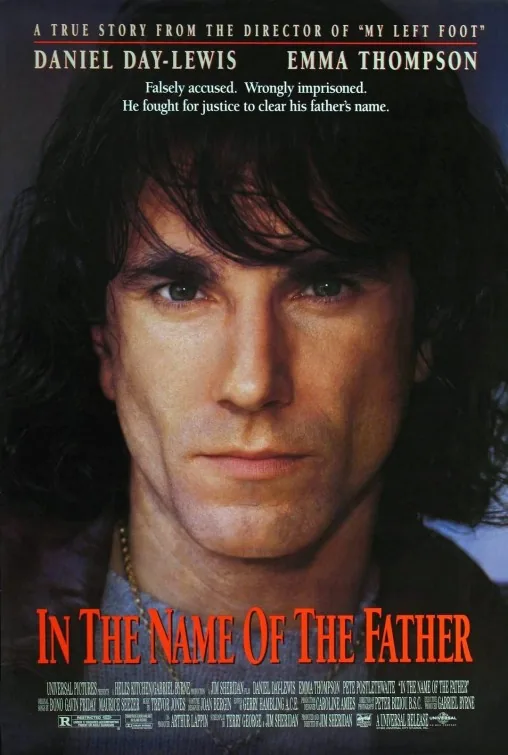
Gerry Conlon is arrested after a Guildford bombing and coerced into confessing, while police pressure also traps his father Giuseppe and members of the Maguire family. The long fight to overturn the convictions links a public miscarriage of justice with a father-son relationship initially marked by conflict and different ways of surviving prison. Their shared-cell intimacy is a dramatic invention, and the film also compresses legal events into a forceful courtroom climax. The convictions were real and were quashed in 1989; the adaptation’s private exchanges are not a transcript. Its emotional focus on Gerry and Giuseppe should not obscure the other wrongly convicted people whose lives were also damaged.
What drives the story
Coerced confessions and withheld evidence sustain wrongful convictions until legal work forces the state to confront an alternative account of the bombing. Giuseppe’s persistence and Gerry’s anger become complementary strategies only after their relationship changes.
The people at its centre
Gerry’s anger and Giuseppe’s persistence begin as opposing survival strategies, then bereavement changes how Gerry understands his father’s moral resolve. The Maguire family’s convictions widen the story beyond the father-son pair.
What it feels like
Interrogation, prison scenes and a climactic courtroom challenge create urgent indignation, while emotional compression makes the father-son bond the film’s main lens. Prison intimacy and courtroom revelation make a sprawling case emotionally concentrated.
Worth knowing
Compare with dramas about wrongful conviction and family endurance, separating the quashed convictions and documented investigation from the invented shared-cell scenes and compressed trial narrative. The quashed convictions are historical; shared-cell scenes and courtroom compression belong to the dramatization.