Based on recorded story, mood and style. Your preferences can change the order.
What changes Jobs is tagged driven and bitter; Joy is tagged defiant and hopeful.
A woman supporting an unruly multigenerational household turns frustration with domestic work into a product she believes she can manufacture and sell. Access to investment and television retail creates opportunity, but contracts and family interference make control over the invention precarious. Demonstrating the object herself becomes a claim to expertise others have failed to communicate. The entrepreneurial drama connects ownership with the ability to define boundaries, making professional independence depend on challenging people whose assistance repeatedly arrives with authority over her choices.
Based on recorded story, mood and style. Your preferences can change the order.
What changes Jobs: episodic. The Idolmaker: rise followed by professional conflict.
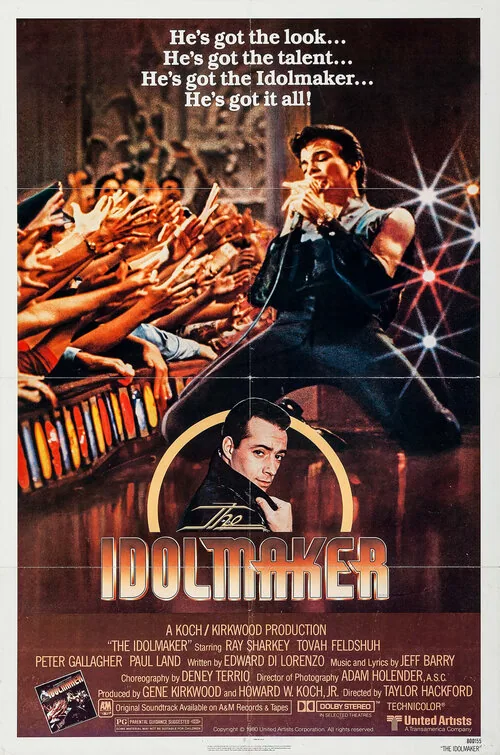
Vincent Vacarri sees popular music as a craft that can be manufactured and uses his talent for promotion to develop young singers into teen idols. As his discoveries gain attention, ambition, authorship and control begin to pull the partnership apart. The drama draws loosely on real pop impresario Bob Marcucci, treating the recording business as both a route to opportunity and a contest over who owns a performer's image.
Both centre on contested authorship and professional rivalry.
Why this matches +
Genres: Drama / Biography
Shared film traits
Based on recorded story, mood and style. Your preferences can change the order.
What changes Jobs: episodic. The Social Network: fast.
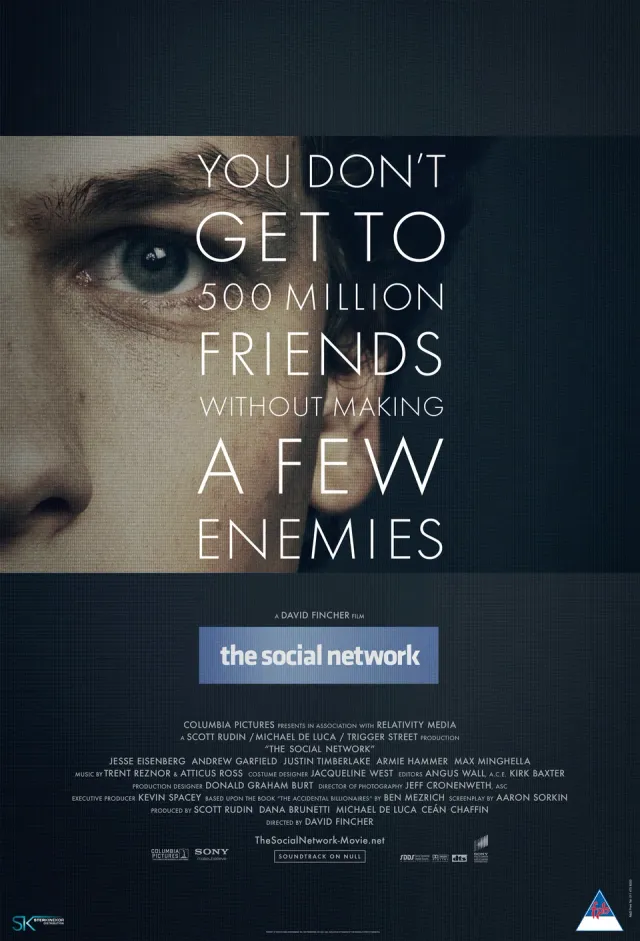
A Harvard student's response to rejection and social competition leads him from an intrusive campus website to a rapidly expanding social platform. Growth brings investment, influence and disputes over who supplied the original idea and who deserves control. Intercut legal testimony revisits apparently decisive choices from incompatible positions, making the achievement of public connection coexist with broken friendships and a persistent private desire for recognition.
Based on recorded story, mood and style. Your preferences can change the order.
What changes Jobs: episodic. The Founder: rise-and-fall and process-driven.
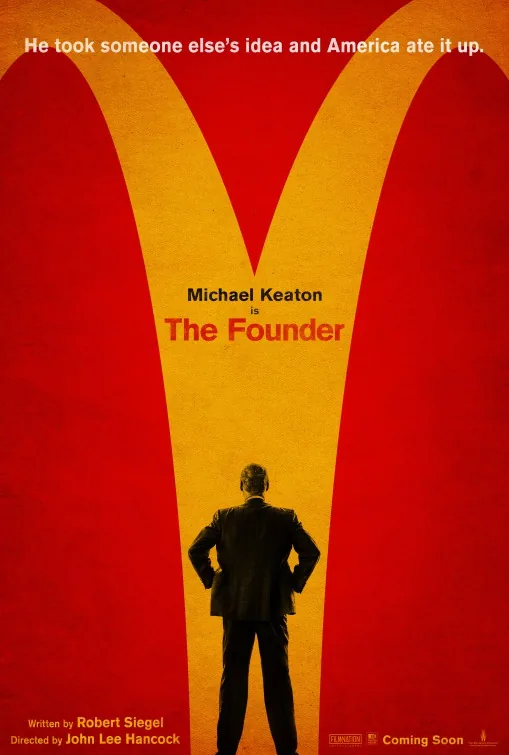
Traveling milkshake-machine salesman Ray Kroc encounters the McDonald brothers' efficient California restaurant and sees a model that could be replicated across the country. He helps expand the business, then presses to gain greater control over the name, property, and future of the company. John Lee Hancock's biographical drama follows entrepreneurship as a contest over systems and ownership, examining how ambition can recast another person's invention as an empire.
Based on recorded story, mood and style. Your preferences can change the order.
What changes Jobs: episodic. Air: measured and negotiation-led.
A young Nike division is losing ground in the basketball market when executive Sonny Vaccaro argues that the company should build its next campaign around rookie Michael Jordan. His conviction meets resistance from colleagues, the Jordan family and a skeptical industry. Ben Affleck's drama follows the negotiations that shaped the Air Jordan partnership, giving business strategy, family leverage and a distinctive advertising pitch equal weight.
Based on recorded story, mood and style. Your preferences can change the order.
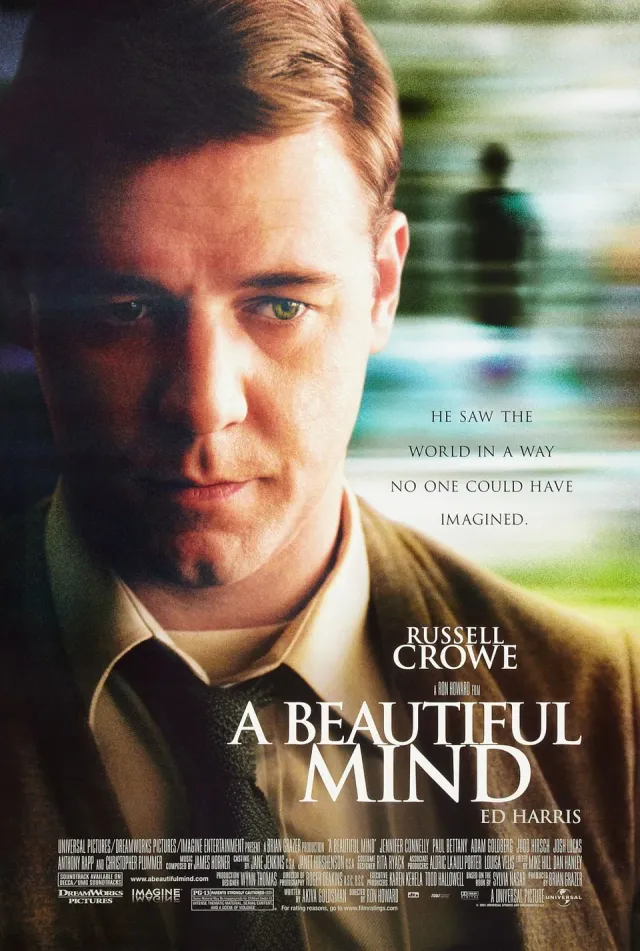
What changes Jobs: episodic. A Beautiful Mind: measured.
A gifted mathematician pursues an original contribution while struggling to find ordinary social ease among colleagues and a developing relationship. Work he believes carries national significance becomes entangled with perceptions that others cannot confirm. Learning to live with a condition that disrupts certainty requires sustained care and difficult adjustments, while recognition of his intellectual contribution offers no automatic solution to the vulnerabilities shaping his daily life.
Based on recorded story, mood and style. Your preferences can change the order.
What changes Jobs is tagged driven and bitter; Julie & Julia is tagged warm and wry.
A dissatisfied contemporary office worker undertakes a year of cooking through a famous cookbook and records the effort online. Her project alternates with the earlier life of the author learning in Paris and struggling to turn expertise into a publishable book. The women do not meet, and the imagined intimacy that sustains the later writer is not necessarily returned. The dual biography links creative discipline with domestic partnership, showing how a useful model can inspire work without becoming a person whose approval the admirer is entitled to receive.
Both centre on contested authorship and professional rivalry.
Why this matches +
Genres: Drama / Biography
Shared film traits
Based on recorded story, mood and style. Your preferences can change the order.
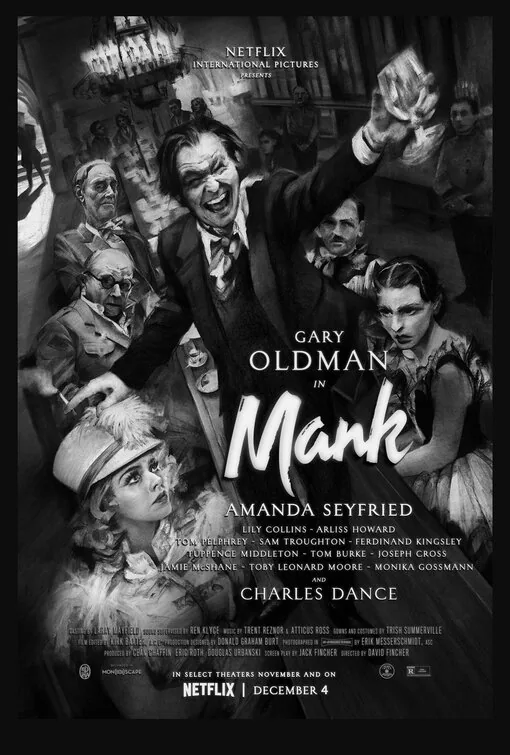
What changes Jobs: episodic. Mank: interwoven and process-focused.
Screenwriter Herman J. Mankiewicz works on the screenplay that will become Citizen Kane while recovering at a secluded ranch. Flashbacks follow his encounters with Hollywood power brokers, political campaigning, and the film industry's social circles as he develops a story shaped by personal observation. David Fincher's black-and-white drama explores creative credit and influence through a stylized portrait of a writer navigating a system that rewards access while contesting who authored a celebrated film.
Based on recorded story, mood and style. Your preferences can change the order.
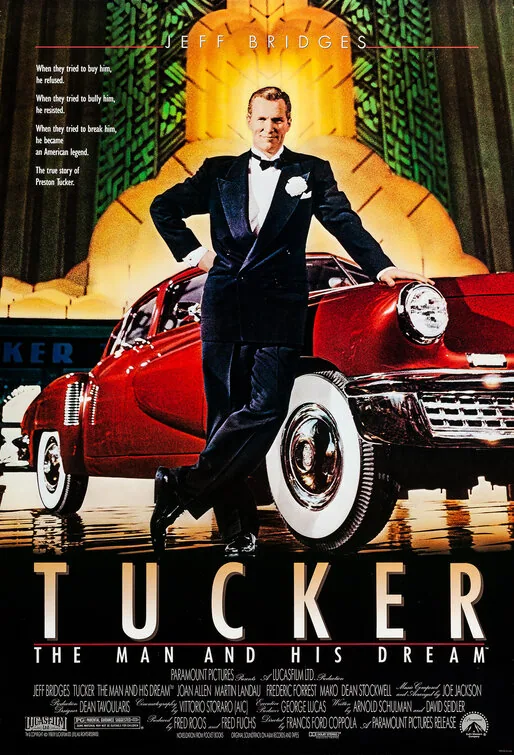
What changes Jobs: episodic. Tucker: The Man and His Dream: steadily mounting obstacles.
Inventor Preston Tucker tries to build and sell an unconventional automobile in postwar America. His ambition attracts workers, investors and public attention, but established manufacturers and regulators make the project increasingly difficult to sustain. The biographical drama presents his optimism as both a source of invention and a vulnerability, asking whether one person's vision can survive when power is concentrated elsewhere.
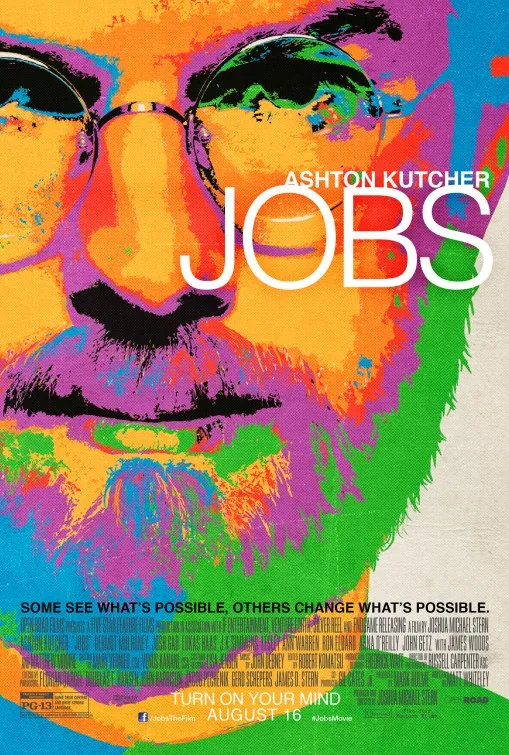
A young entrepreneur recognizes a commercial possibility in a friend's computer and builds a company whose growth amplifies both his vision and his treatment of other people. Product ambition requires investors, engineers and organizational compromise, but he increasingly regards their contributions as subordinate to the identity he wants the company to embody. Exclusion from the institution he helped create makes his eventual return another phase of that contested authorship. The biography links technological aspiration with selective loyalty rather than treating innovation as a purely individual act.
What drives the story
Commercializing a friend's invention creates a company whose expanding demands turn its founder's uncompromising self-definition into a conflict over control and belonging.
The people at its centre
Jobs's reliance on Wozniak and early colleagues clashes with unequal credit and broken personal obligations, exposing a difference between articulating a vision and sustaining reciprocal relationships.
What it feels like
A chronological rise-and-return structure, product demonstrations and emphatic confrontations foreground entrepreneurial momentum more than the material details of engineering collaboration.
Worth knowing
This is the 2013 biographical film, distinct from the later three-launch drama; its selected episodes and private dialogue do not establish a complete or neutral history of Apple.