Explore films connected to Ju-On: The Grudge through rage and sorrow made contagious, home as a site of danger, the limits of explanation. Choose the qualities you want to carry into your next watch.
What should feel similar?
Find your next favourite
9 films · Closest overall matches
Hide films you’ve seen or don’t want. Saved on this device.
No matches for this combination yet.
Try another option or reset your choices to see more films.
Based on recorded story, mood and style. Your preferences can change the order.
Memory and identity · Survival
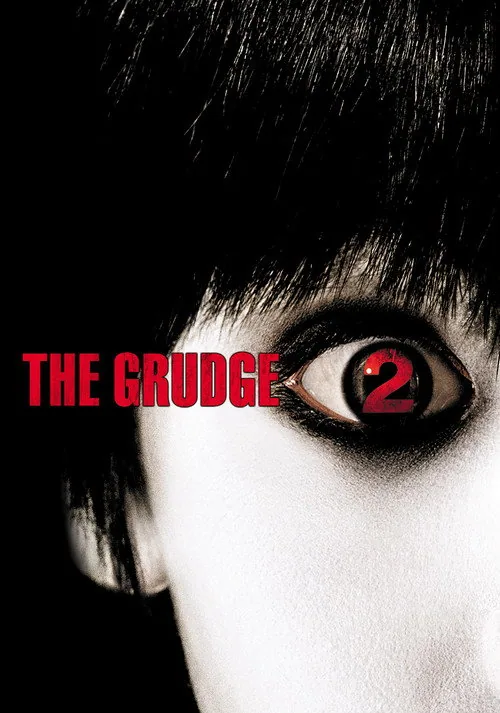
What changes Ju-On: The Grudge: short character episodes, repeated haunting escalations and nonlinear accumulation of dread. The Grudge 2: intercut character introductions, uneasy supernatural escalation and cumulative dread.
After the curse surrounding the Saeki house reaches beyond its original victims, three intertwined stories follow people drawn into its expanding chain of terror. Karen's sister Aubrey travels to Tokyo after learning Karen is hospitalized, while a schoolgirl named Allison and two classmates enter the infamous house and encounter its ghosts. In Chicago, young Jake senses the same presence in his apartment building. Told out of sequence, the episodes show how rage and grief turn each encounter into another link in the haunting.
Based on recorded story, mood and style. Your preferences can change the order.
Survival
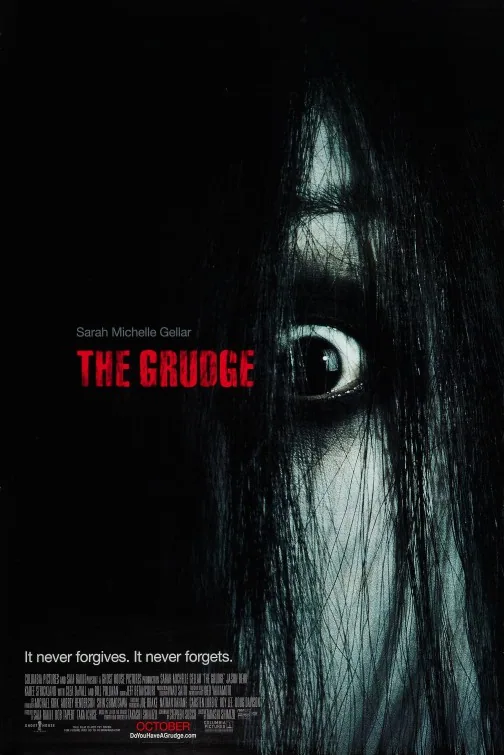
What changes Ju-On: The Grudge: short character episodes, repeated haunting escalations and nonlinear accumulation of dread. The Grudge: nonlinear and slow burn.
The Grudge (2004), directed by Takashi Shimizu, follows An American care worker in Tokyo is sent to a house where a violent death has left a supernatural curse. Each visitor who encounters the presence becomes part of a widening chain of fear and unexplained deaths. The remake uses fractured chronology and an everyday domestic space to make a curse feel impersonal, persistent, and difficult to escape.
Based on recorded story, mood and style. Your preferences can change the order.
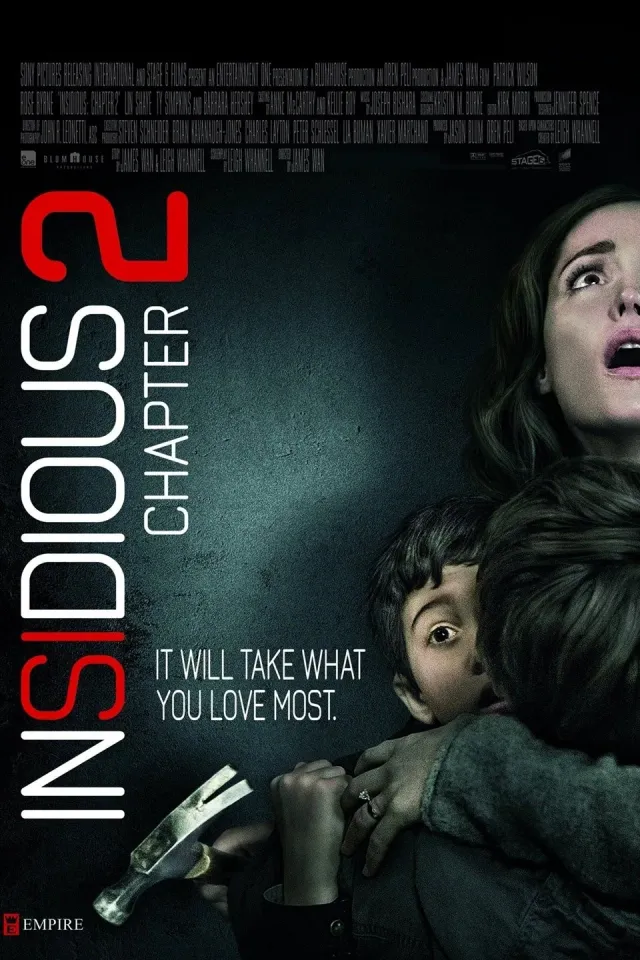
What changes Ju-On: The Grudge: short character episodes, repeated haunting escalations and nonlinear accumulation of dread. Insidious: Chapter 2: escalating and reveal-driven.
After a family survives a haunting, the danger follows them into a new house and begins attaching itself to the father’s unexplained behavior. Relatives and investigators revisit memories and old recordings to understand the link between the family and a violent presence. The sequel builds its scares around the possibility that home is no longer separate from the supernatural world.
Based on recorded story, mood and style. Your preferences can change the order.
Memory and identity
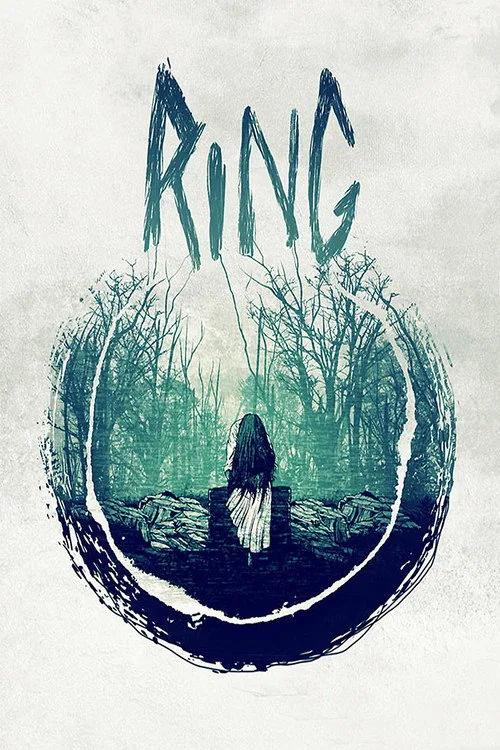
What changes Ju-On: The Grudge: short character episodes, repeated haunting escalations and nonlinear accumulation of dread. Ring: clue-driven, slow-building and supernatural escalation.
Journalist Reiko Asakawa investigates an urban legend about a videotape whose viewers receive a phone call and die seven days later. After watching the tape herself, she enlists her psychic ex-husband Ryūji to identify the images and trace their source. Their inquiry connects the curse to a child named Sadako and a well on a remote island. Hideo Nakata’s Japanese horror film builds dread through investigative clues, domestic danger, and the unsettling idea that recorded images can carry a threat into viewers’ homes.
Based on recorded story, mood and style. Your preferences can change the order.
What changes Ju-On: The Grudge: short character episodes, repeated haunting escalations and nonlinear accumulation of dread. Dark Water: slow atmospheric build and domestic details become ominous.
Recently separated Dahlia Williams moves with her young daughter Ceci into a run-down apartment on Roosevelt Island while navigating custody arrangements and a new job. Water stains spread across the ceiling, strange sounds come from the apartment above, and the building’s neglected plumbing becomes entangled with a frightening presence. Walter Salles’s American remake of the Japanese horror film uses damp, deteriorating spaces and a mother’s effort to protect her child to build a supernatural drama about grief, isolation, and the anxiety of starting over.
Based on recorded story, mood and style. Your preferences can change the order.
Survival
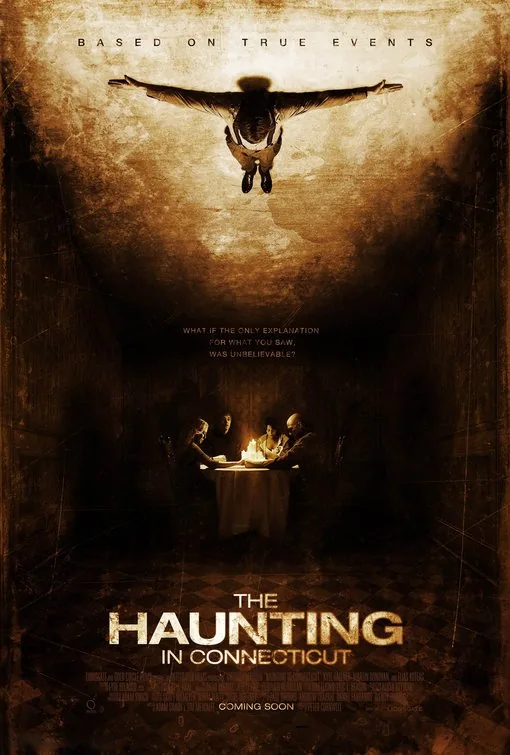
What changes Ju-On: The Grudge: short character episodes, repeated haunting escalations and nonlinear accumulation of dread. The Haunting in Connecticut: escalating and supernatural suspense.
A family moves into a house near a hospital so their ill son can receive treatment, but strange events gradually suggest the building has a disturbing history. As the parents try to protect their children and understand the haunting, the boy’s illness and the family’s fear become part of the emotional pressure. The supernatural horror combines domestic vulnerability with a mystery about the home’s former use and the danger tied to its past.
Based on recorded story, mood and style. Your preferences can change the order.
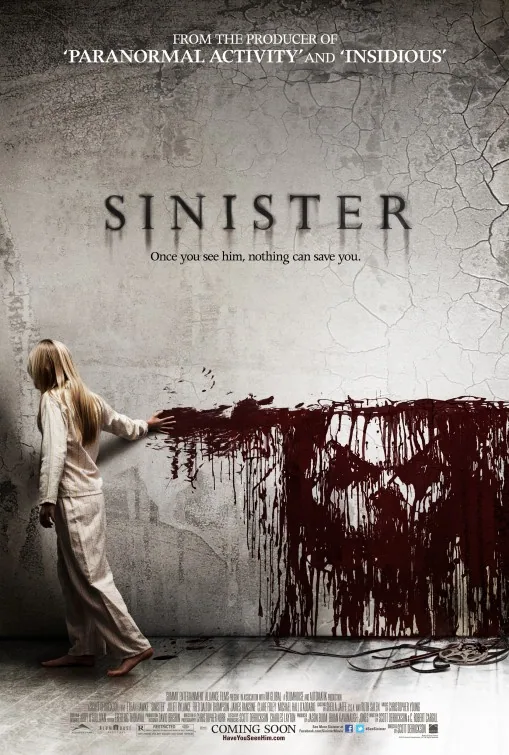
What changes Ju-On: The Grudge: short character episodes, repeated haunting escalations and nonlinear accumulation of dread. Sinister: slow-building and investigation-led.
A true-crime writer moves his family into a house connected to an unsolved murder, concealing the reason from his wife. The discovery of disturbing home movies offers material that might revive his career, but his investigation begins to suggest a pattern reaching beyond ordinary crime. Professional ambition keeps him close to evidence that threatens the household, making the urge to watch and interpret part of the danger itself.
Based on recorded story, mood and style. Your preferences can change the order.
Survival
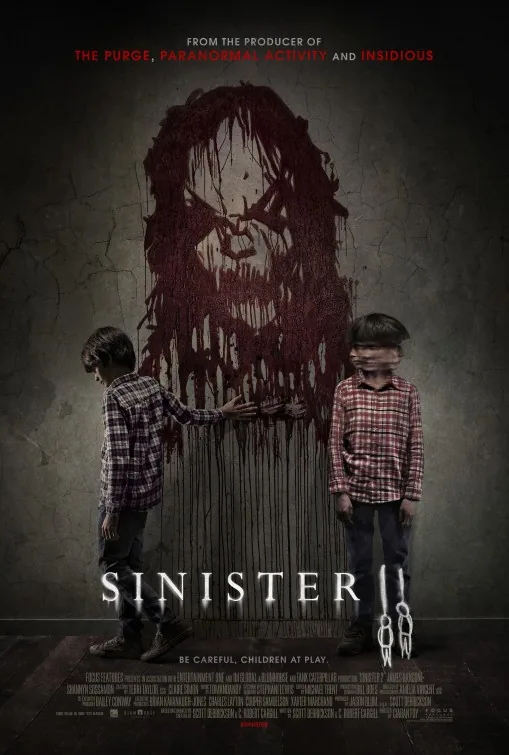
What changes Ju-On: The Grudge: short character episodes, repeated haunting escalations and nonlinear accumulation of dread. Sinister 2: gradual discovery escalates to a violent climax.
A mother hiding from an abusive husband moves with her twin sons into a rural house linked to a series of family murders. One boy becomes fascinated by disturbing films that reveal a supernatural force, while a former deputy tries to understand the pattern. The sequel combines domestic danger with occult horror, making the family’s attempt to escape one threat part of a larger struggle.
Based on recorded story, mood and style. Your preferences can change the order.
Survival
What changes Ju-On: The Grudge: short character episodes, repeated haunting escalations and nonlinear accumulation of dread. Poltergeist: escalating disturbances lead to a rescue climax.
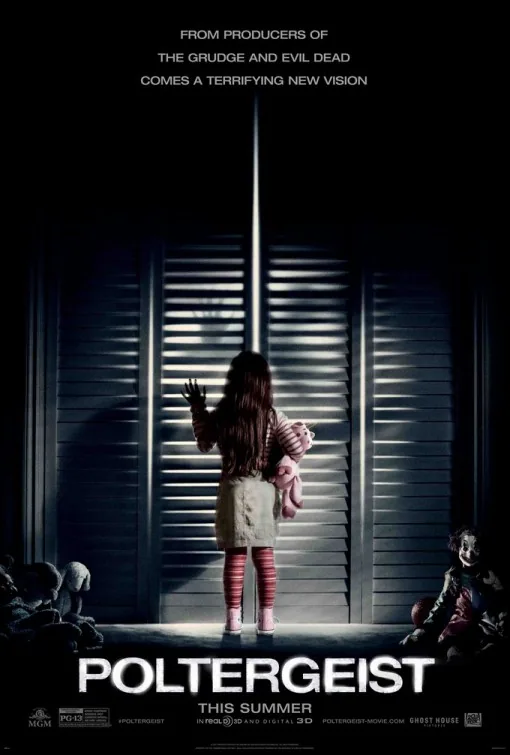
A family moves into a suburban home where a series of increasingly dangerous supernatural events culminates in the disappearance of their youngest daughter. Her parents and siblings must work together with specialists to find her before the house’s presence becomes irreversible. The remake uses a familiar family-under-threat structure, pairing domestic warmth with haunted-house shocks and urgent rescue.
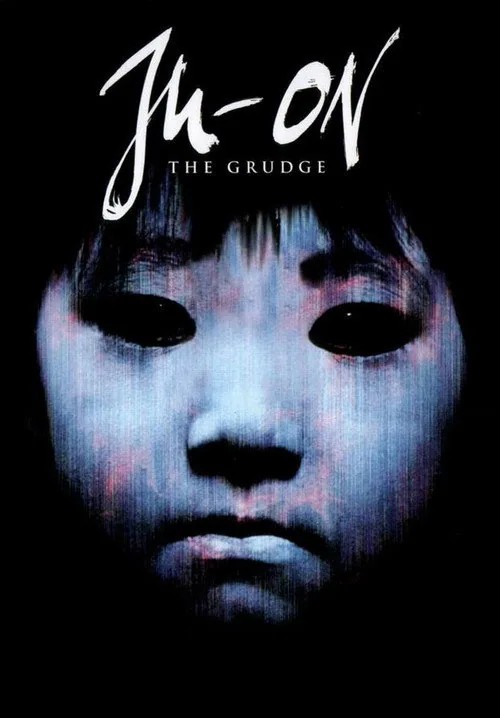
A violent family murder in Tokyo creates a curse that attaches itself to the house where the deaths occurred and follows anyone who enters. The film moves nonlinearly through connected stories of caregivers, residents, students, and investigators who encounter the ghosts Kayako and Toshio. As each victim's death expands the haunting's reach, police try to reconstruct the house's history but find that understanding the curse does not provide a way out. Its fractured sequence turns ordinary domestic spaces into a chain of recurring dread.
What drives the story
A curse born from the Saeki family's violent deaths spreads from their house to successive people who enter or encounter it.
The people at its centre
The victims are linked less by choice than by proximity, while Rika and the detectives attempt to understand a pattern that offers little protection.
What it feels like
A fragmented Japanese horror film builds fear from repetition and withheld connections, making familiar home spaces feel persistently unsafe.
Worth knowing
Its nonlinear anthology-like structure tracks a curse moving from victim to victim rather than centering one survivor's linear fight.
rage and sorrow made contagioushome as a site of dangerthe limits of explanation
Mood
eerie · fragmented · relentless
Pacing
short character episodes · repeated haunting escalations · nonlinear accumulation of dread
Visual style
muted domestic interiors · still compositions and sudden appearances · recurring pale ghost imagery
Storytelling
housebound curse passes to each visitor · interconnected victims appear out of order · investigation uncovers family murder origin