Based on recorded story, mood and style. Your preferences can change the order.
Investigation
What changes Juror #2: evidence review gradually becomes a private ethical crisis. Absence of Malice: procedural and consequences accumulate.
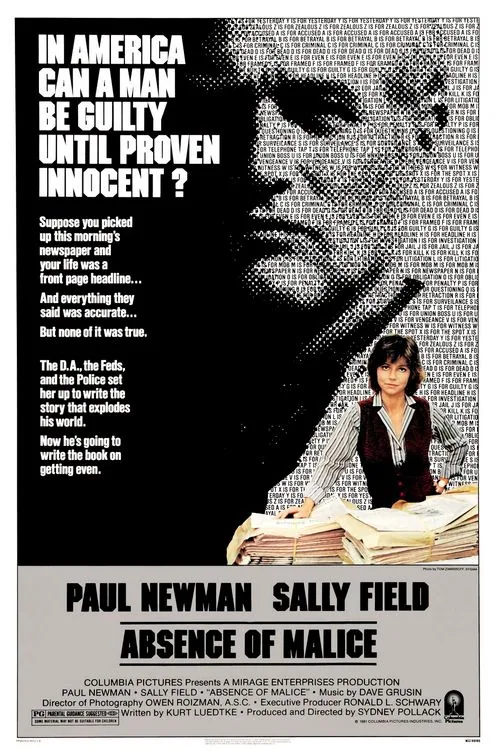
A prosecutor leaks information that makes liquor wholesaler Michael Gallagher look connected to a murder, and journalist Megan Carter publishes the allegation without knowing how it was planted. The false story damages Gallagher's relationships and exposes the conflict between investigative ambition and due process. As the people involved try to correct the record, the film examines how an official whisper can become public truth before anyone accepts responsibility.
Both share conflicting evidence, plus themes of justice.
Why this matches +
Genres: Crime / Drama
Shared film traits
Based on recorded story, mood and style. Your preferences can change the order.
Investigation
What changes Juror #2: evidence review gradually becomes a private ethical crisis. The Life of David Gale: deadline-driven and revelatory.
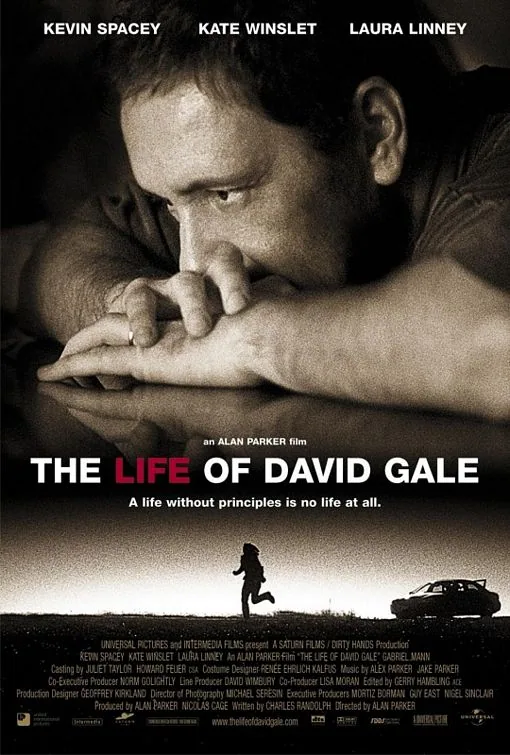
A journalist interviews death-row activist David Gale in the days before his execution, then pieces together his account and the circumstances of the crime for which he was convicted. Her reporting becomes a race to assess evidence, motive and the possibility of a wrongful sentence. The mystery uses a compressed deadline to examine capital punishment, public conviction and the risks of turning a cause into spectacle.
Based on recorded story, mood and style. Your preferences can change the order.
Investigation
What changes Juror #2: evidence review gradually becomes a private ethical crisis. Law Abiding Citizen: fast and escalating.
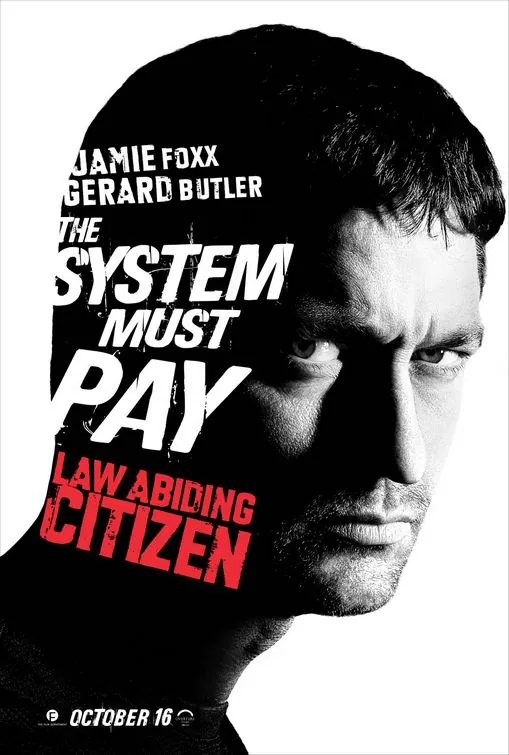
A man whose family was murdered watches a prosecutor accept a deal that protects a conviction record rather than satisfy his demand for justice. Years later, an elaborate retaliatory campaign continues even after he allows himself to be imprisoned, making confinement appear unable to limit his reach. The prosecutor must uncover how the attacks are organized while confronting his own earlier compromises. The thriller turns institutional grievance into a claim of unlimited punitive authority, exposing how the pursuit of exemplary justice can reproduce the disregard for persons it condemns.
Based on recorded story, mood and style. Your preferences can change the order.
Investigation
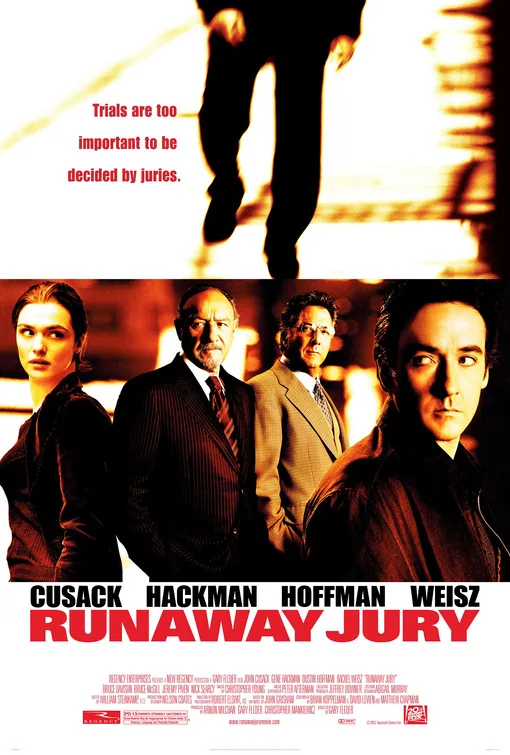
What changes Juror #2: evidence review gradually becomes a private ethical crisis. Runaway Jury: measured and cat-and-mouse.
A high-profile lawsuit against a gun manufacturer draws the attention of a skilled jury consultant willing to manipulate the selection process for a paying client. Inside the courtroom, one juror and an outside ally attempt to influence the verdict from a different direction. The legal thriller turns the jury into contested territory and examines how money, information and pressure can shape public justice.
Based on recorded story, mood and style. Your preferences can change the order.
Investigation
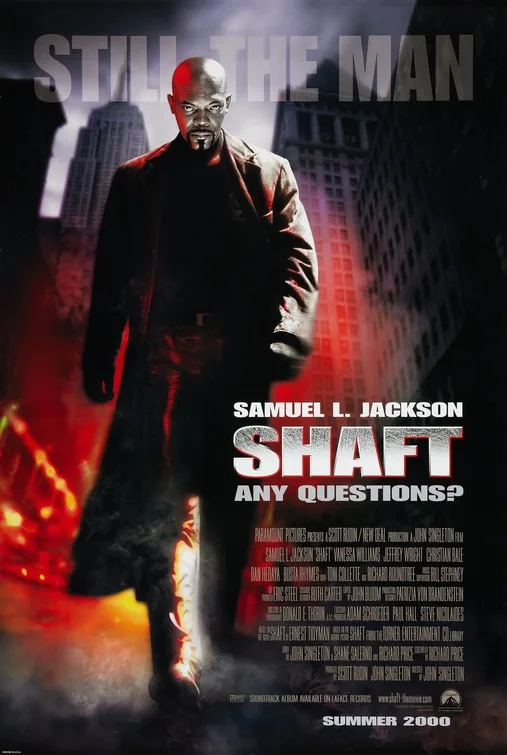
What changes Juror #2: evidence review gradually becomes a private ethical crisis. Shaft: steady and action-driven.
Detective John Shaft returns to the streets after a wealthy young man accused of a racist killing is released on bail. Shaft pursues the witness who can strengthen the case while the suspect’s powerful family uses money and intimidation to shape events. The story treats justice as a contest over who can protect a witness and control the city’s public narrative.
Both share themes of justice, plus an uneasy atmosphere.
Why this matches +
Genres: Crime / Drama
Shared film traits
Based on recorded story, mood and style. Your preferences can change the order.
Investigation
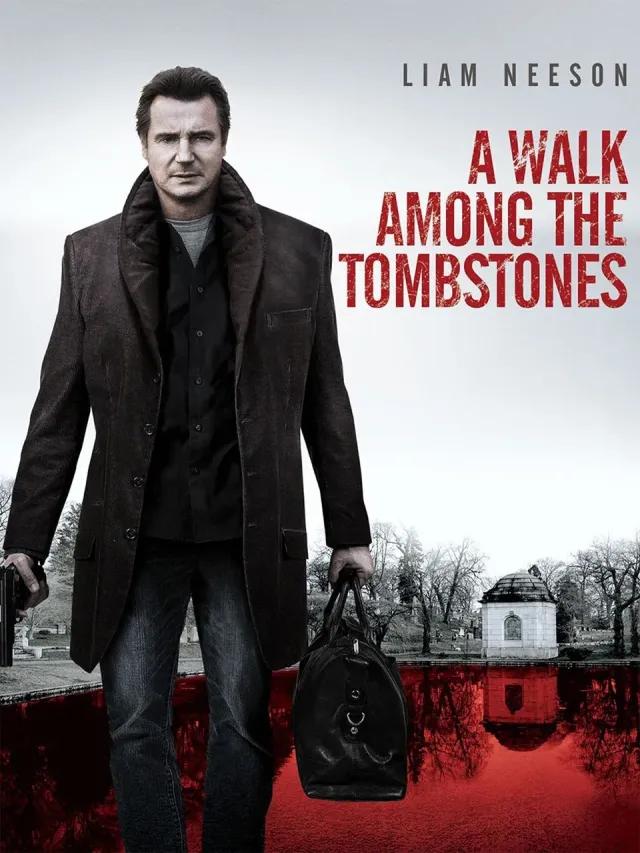
What changes Juror #2: evidence review gradually becomes a private ethical crisis. A Walk Among the Tombstones: patient evidence gathering interrupted by sudden danger.
A former New York police officer working as an unlicensed private investigator is hired to find the people responsible for kidnapping and killing a drug trafficker’s wife. The case draws him into a violent world where victims and criminals overlap, while his own recovery from past damage complicates the hunt. The crime thriller is bleak and deliberate, centered on investigation rather than flashy heroics.
Based on recorded story, mood and style. Your preferences can change the order.
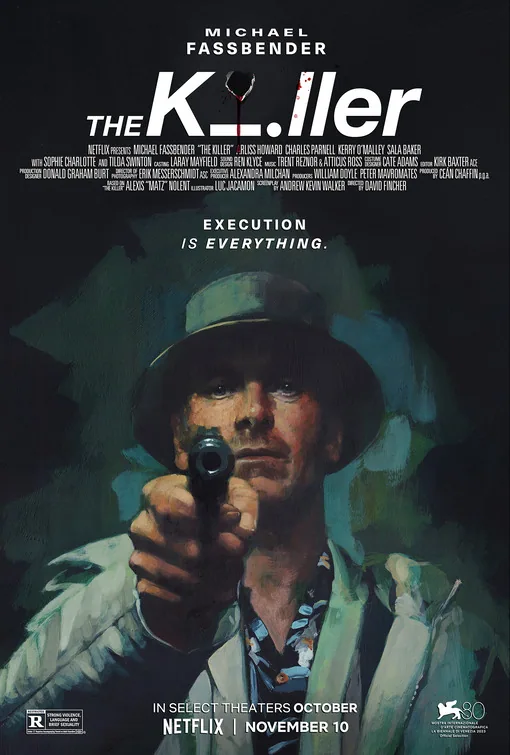
What changes Juror #2: evidence review gradually becomes a private ethical crisis. The Killer: deliberately methodical.
After a carefully planned assassination fails, an unnamed professional killer follows the consequences through a sequence of client, colleague and target encounters. He repeats a strict personal code while traveling between assignments, but each decision tests whether that code reflects discipline or self-deception. David Fincher’s procedural thriller makes preparation, observation and repetition part of the storytelling, turning a revenge plot into a study of professional control under pressure.
Based on recorded story, mood and style. Your preferences can change the order.
Investigation
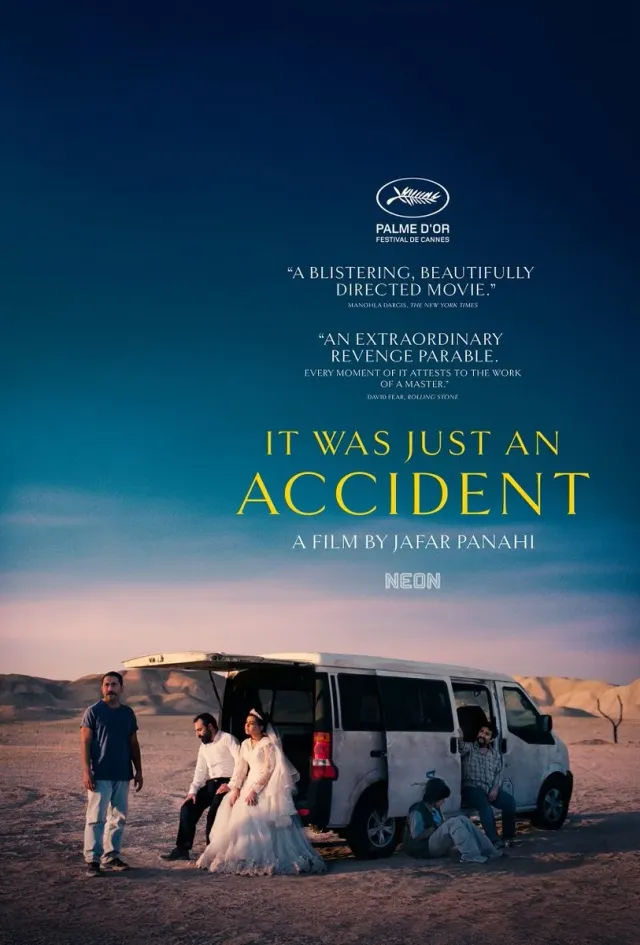
What changes Juror #2: evidence review gradually becomes a private ethical crisis. It Was Just an Accident: journey-based and building tension.
A mechanic believes he has recognized the former prison official who tortured him, identified by the sound of a prosthetic leg. Unable to be certain, he turns to other former detainees, and each person's reaction complicates the decision about what should happen next. Jafar Panahi builds a tense moral road story from doubt, memory and revenge, asking how people carry the past when legal accountability remains uncertain.
Both share conflicting evidence, plus themes of justice.
Why this matches +
Genres: Crime / Thriller
Shared film traits
Based on recorded story, mood and style. Your preferences can change the order.
Investigation
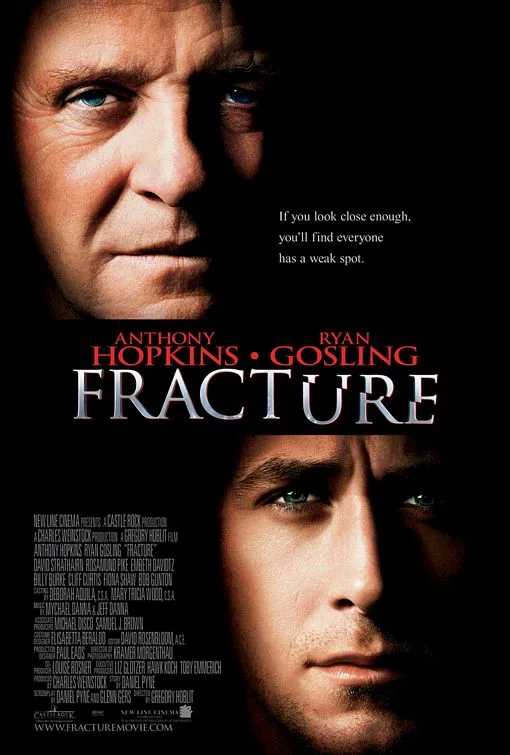
What changes Juror #2: evidence review gradually becomes a private ethical crisis. Fracture: measured and tightening.
A wealthy engineer is arrested after a shooting, but the case against him proves more complicated than the young prosecutor expects. As the defendant exploits procedural gaps and manipulates what can be proven, the prosecutor must reconsider the evidence and his own confidence. The thriller plays as a controlled legal cat-and-mouse game about strategy and conviction.
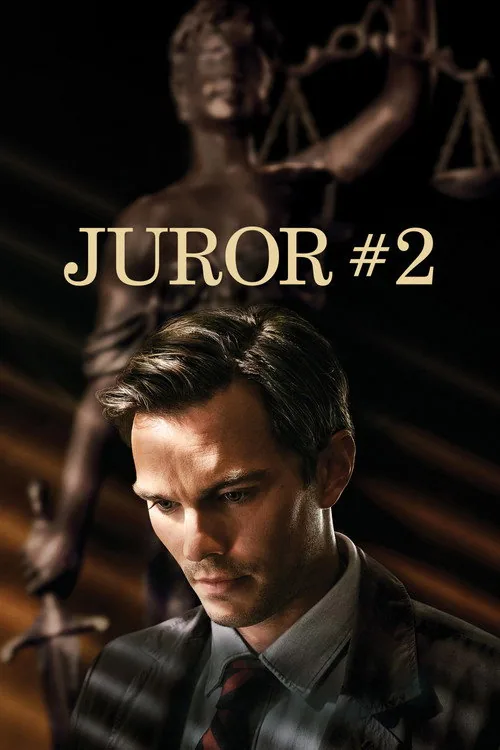
Journalist and recovering alcoholic Justin Kemp is seated on the jury in a murder trial when he realizes he may have caused the victim’s death in a hit-and-run. As jurors debate the evidence against the accused man, Justin must weigh his duty to the court against the consequences of revealing what he knows. Clint Eastwood’s legal drama turns deliberation into a moral trap, asking how a person can seek justice when self-preservation shapes the facts they are willing to share.
What drives the story
Justin’s jury service becomes a conflict of interest when he recognizes that his own actions may explain the death.
The people at its centre
Justin’s concern for his family competes with jurors’ growing doubts, while prosecutor Faith Killebrew balances conviction with her own judgment.
What it feels like
The suspense is primarily moral and procedural, with themes of alcoholism, bereavement, and domestic violence.
Worth knowing
It is a contemporary jury-room drama about possible guilt, not a courtroom whodunit led by a defense attorney.
JusticeConscienceResponsibility
Mood
Measured · Uneasy · Morally tense
Pacing
Evidence review gradually becomes a private ethical crisis