The hotel’s deadline pushes David to fake compatibility; his escape does not free him from systems that regulate desire.
Why this matches +
Selected for the central appeal: Three uncanny stories examine obedience, control and the desire to belong.
Genres: Science fiction / Romance
Shared film traits
Based on recorded story, mood and style. Your preferences can change the order.
What changes Yorgos Lanthimos uses deadpan absurdity and rigid social rules to explore coercion, conformity and the need for attachment.
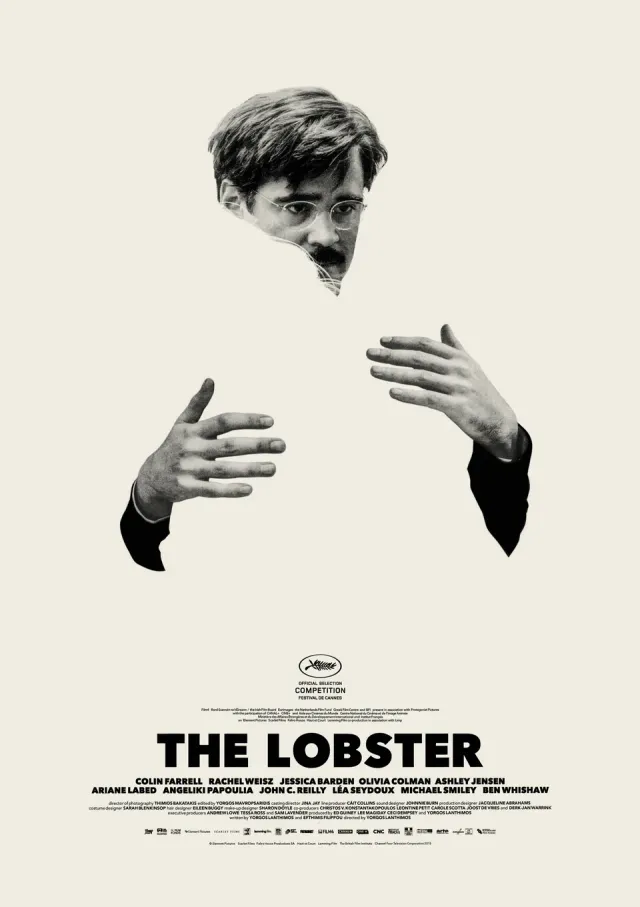
In a society where being single is treated as a problem to be corrected, newly separated David is sent to a hotel with a deadline: find a partner or be transformed into an animal. Guests try to match through shared quirks while staff stage rituals meant to reinforce the rules. David eventually escapes to a group of loners whose leader forbids romance, only to find that this rebellion has its own rigid code. Yorgos Lanthimos’s dark comedy uses the absurd premise to examine how social pressure can dictate intimacy from both sides.
The parents preserve their authority by restricting the children’s contact with language, media, and life outside the compound.
Why this matches +
Selected for the central appeal: Three uncanny stories examine obedience, control and the desire to belong.
Genres: Drama / Thriller
Shared film traits
Based on recorded story, mood and style. Your preferences can change the order.
Constructed reality
What changes Yorgos Lanthimos portrays an enclosed system of control where people submit to arbitrary rules that govern identity and belonging.
A couple raise their three adult children inside a fenced property and teach them that the world beyond it is dangerous, using invented meanings for ordinary words and strict rules to control their knowledge. Their carefully managed routine begins to fracture when the father brings an outside employee into the house and the eldest daughter gains access to forbidden films. Yorgos Lanthimos’s Greek drama presents family authority through deadpan rituals and deliberate disorientation, making the home feel like a self-contained system whose rules can no longer hold.
Calvin tries to sustain his relationship with Ruby while concealing that he created her.
Why this matches +
These offer a related experience with a meaningful difference in story, tone, or presentation.
An adjacent discovery: a related idea with a different viewing experience.
Genres: Comedy / Drama
Shared film traits
Based on recorded story, mood and style. Your preferences can change the order.
Constructed reality · Memory and identity
What changes A relationship is shaped by one person's unnatural ability to control another, raising unsettling questions about autonomy and desire.
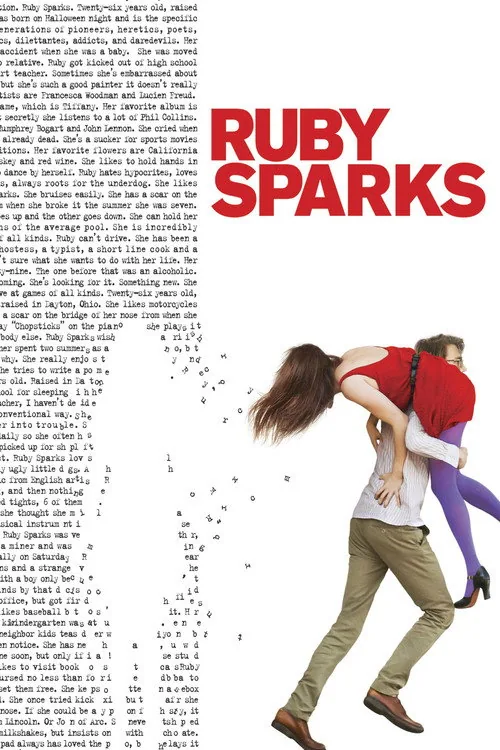
Novelist Calvin Weir-Fields has struggled to write a second book and form close relationships after the success of his early novel. A writing exercise inspires him to invent Ruby Sparks, and he is astonished when she appears as a real person who believes they are already dating. Calvin discovers that changes he types on the page alter Ruby’s personality, and he must decide whether he can treat her as a person rather than an ideal he controls. Jonathan Dayton and Valerie Faris’s romantic comedy-drama examines authorship, projection, and emotional power.
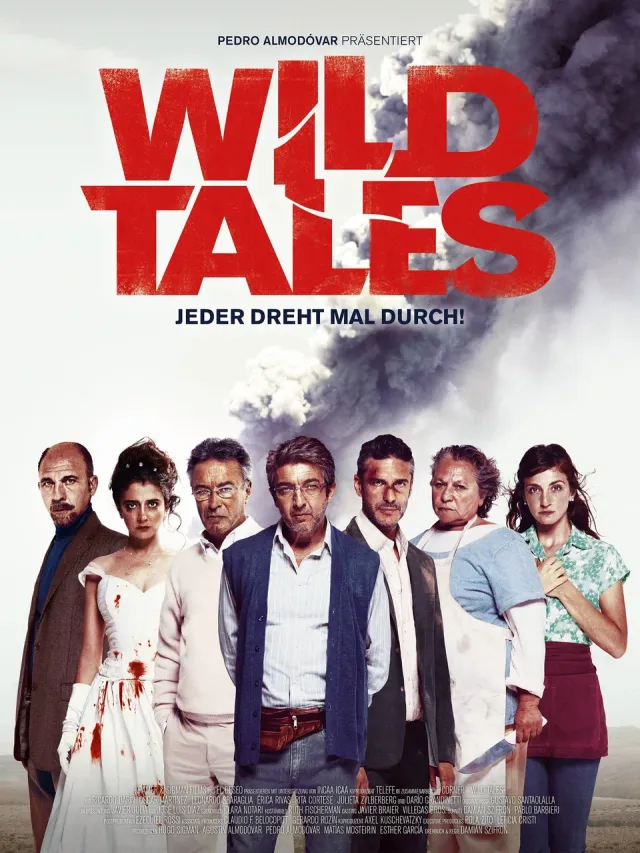
Each self-contained grievance escalates until private anger collides with the limits of social order, turning the anthology into a study of revenge.
Why this matches +
These offer a related experience with a meaningful difference in story, tone, or presentation.
An adjacent discovery: a related idea with a different viewing experience.
Genres: Drama / Thriller
Shared film traits
Based on recorded story, mood and style. Your preferences can change the order.
What changes Separate darkly comic stories expose the consequences when ordinary relationships and social systems become cruel or absurd.
This Argentine anthology comprises six separate stories in which ordinary people reach a breaking point after encountering an insult, injustice or betrayal. Passengers discover an unexpected shared grievance on a flight; a diner, a highway, a government office, a wealthy family and a wedding each become settings for a different escalation. The stories do not build toward one shared protagonist or a single resolution. Instead, their arrangement invites comparison between forms of rage, revenge and social power. The film’s comedy is often dark and its violence can be abrupt. Because segments reset the cast and premise, viewers compare how far each grievance is taken. The wedding finale turns private betrayal into a crowd's uncontrolled spectacle.
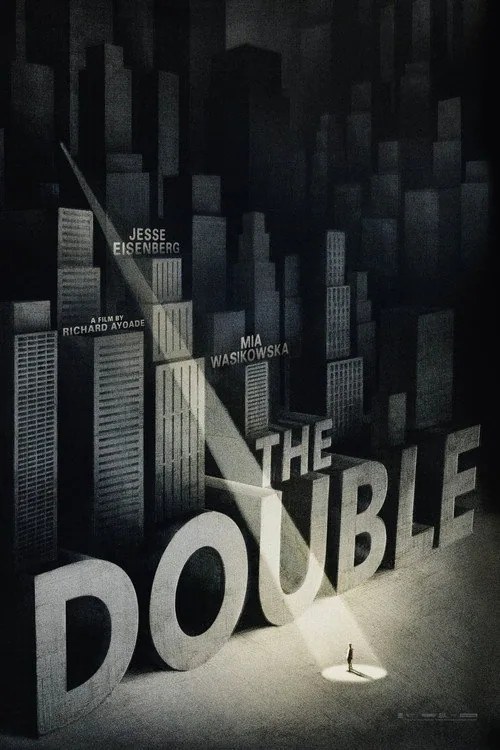
Simon's double gains the recognition and access he wants, pushing him to prove that he exists as a distinct person.
Why this matches +
These offer a related experience with a meaningful difference in story, tone, or presentation.
An adjacent discovery: a related idea with a different viewing experience.
Genres: Comedy / Drama
Shared film traits
Based on recorded story, mood and style. Your preferences can change the order.
Constructed reality · Memory and identity
What changes A person's insecure identity is destabilized by an uncanny double in a darkly comic story about alienation and power.
Quiet office worker Simon James has spent years being overlooked by his boss and colleagues. His routine is disrupted when James Simon, a confident new employee who looks exactly like him, arrives at work and quickly wins the attention Simon has long sought. The two men become entangled around Hannah, a co-worker Simon admires, while the double appropriates more of his professional and personal life. Richard Ayoade adapts Dostoevsky's novella as a bleakly comic, retro-futurist nightmare about invisibility and the fragility of identity.
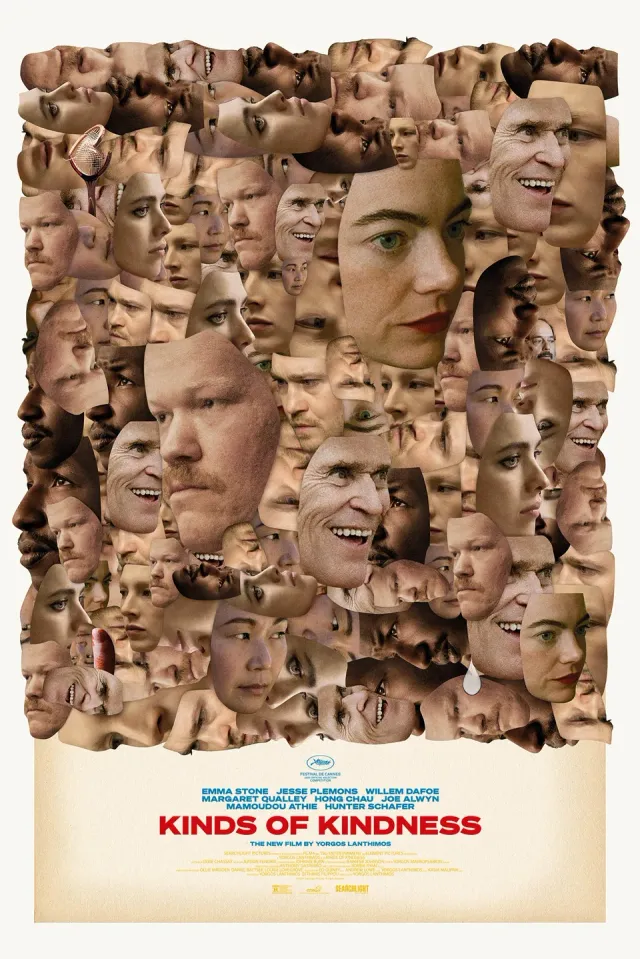
Three loosely connected stories follow people whose relationships are shaped by dependency, control and uncertainty. A worker obeys an overbearing boss until he is asked to commit an extreme act; a woman returning from an expedition is treated as if she may not be herself; and a third character seeks membership in a group with rigid demands. Yorgos Lanthimos uses recurring performers, uncanny humor and fable-like chapters to examine how people submit to systems that promise belonging.
What drives the story
Each segment tests how far a person will go to remain useful or accepted.
The people at its centre
Repeated actors and motifs invite comparison while the stories remain distinct.
What it feels like
The triptych form resists one continuous explanation and favors thematic echoes.
Worth knowing
Its sexual material, cruelty and deadpan absurdity make it an unsettling adult anthology.