Both centre on performance ambition and chosen family.
Why this matches +
Genres: Animation / Adventure
Shared film traits
Based on recorded story, mood and style. Your preferences can change the order.
Music and performance
Expect exuberant and playful, with fast pacing.
Animals hoping to return to their old zoo take refuge in a failing traveling circus while a relentless official pursues them. Claiming to be performers offers immediate safety but creates obligations to a troupe whose confidence has been damaged. Inventing a new act makes belonging feel possible before the deception is exposed and the original destination finally becomes reachable. The animated sequel turns the desire to go home into a test of whether familiarity still contains the kind of life the group has learned to want.
Based on recorded story, mood and style. Your preferences can change the order.
Music and performance · Coming of age
What changes KPop Demon Hunters is tagged exuberant and heartfelt; Coco is tagged emotional and hopeful.
A boy whose family has prohibited music secretly hopes to become a performer and interprets a celebrated ancestor as proof that his ambition belongs somewhere. An extraordinary passage into the world of the dead lets him pursue that story through people whose memories and recognition sustain their continued existence. Finding a route home becomes inseparable from revising the family account he has inherited and deciding whether artistic aspiration requires abandoning the people who care for him.
Based on recorded story, mood and style. Your preferences can change the order.
Music and performance · Coming of age
Expect warm and exuberant, with episodic and escalating pacing.
A young penguin who cannot match his father's dancing is drawn to a charismatic figure promising a different route to significance. Their return home reveals the colony trapped by shifting ice, turning a private problem of belonging into a collective rescue. Help must come from beyond the emperor penguins' own group, while a parallel pair of krill question their place in a larger food chain. The musical adventure joins uncertainty about individual usefulness with the discovery that survival depends on cooperation across scales and species.
Based on recorded story, mood and style. Your preferences can change the order.
Music and performance
What changes KPop Demon Hunters: fast and escalating. Trolls World Tour: travelogue and musical set pieces.
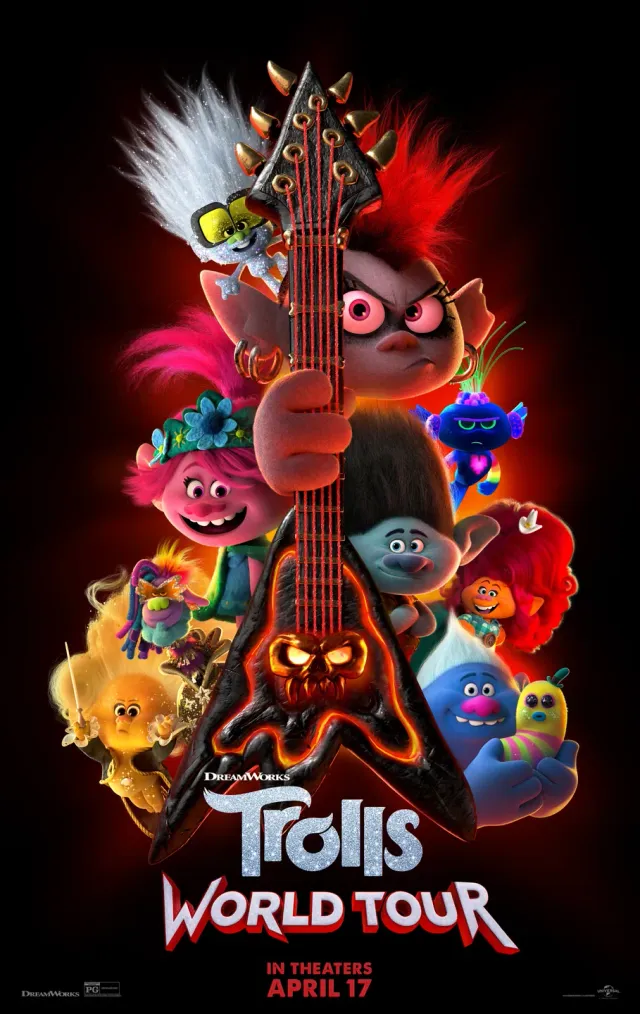
Queen Poppy and Branch learn that their kingdom is one of six Troll lands built around different musical traditions. Queen Barb of the Rock Trolls wants the magic strings that give each tribe its sound, planning to make rock the only music that remains. Poppy sees the trip as a chance to unite everyone through friendship, while Branch warns that good intentions do not substitute for listening. As they visit the other lands, Poppy has to recognize that harmony cannot mean absorbing every style into her own cheerful version of pop. The danger is not simply that rock is loud, but that one ruler wants to erase difference. The journey broadens the franchise’s musical world and tests whether unity can preserve disagreement.
Based on recorded story, mood and style. Your preferences can change the order.
What changes KPop Demon Hunters is tagged exuberant and heartfelt; Minions: The Rise of Gru is tagged humorous and energetic.
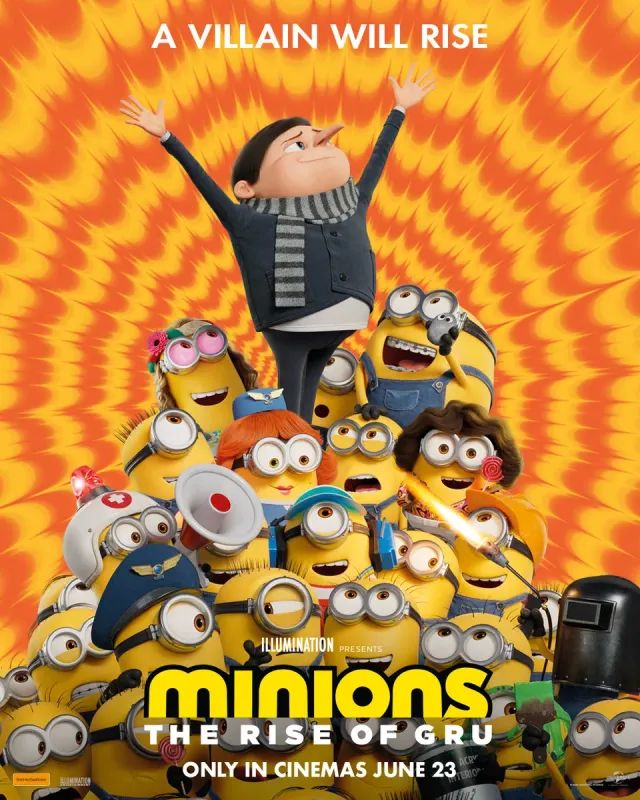
A young boy determined to join a famous team of supervillains steals a powerful object after they reject him. His attempt to prove himself instead brings kidnapping, pursuit and an uneasy relationship with the team's former leader. Meanwhile, the small companions he has dismissed divide their efforts between recovering the object and rescuing him, testing whether his ambition leaves any room for the loyalty he takes for granted.
Based on recorded story, mood and style. Your preferences can change the order.
What changes KPop Demon Hunters is tagged exuberant and heartfelt; Rise of the Guardians is tagged whimsical and adventurous.
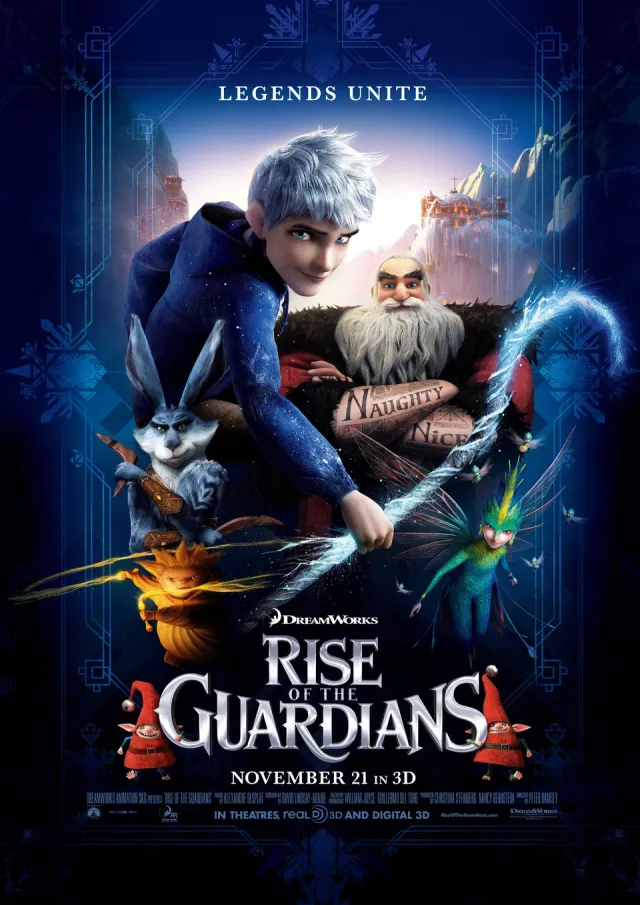
Jack Frost has spent centuries invisible to most people and unsure why the Man in the Moon chose him. When the nightmare spirit Pitch threatens children’s belief in the Guardians, Jack is recruited alongside North, Bunny, Tooth and Sandy. He resists the role because he has no clear sense of his own purpose, but a series of attacks forces him to help protect the children and recover the memories hidden in his baby teeth. Jamie, a boy who still believes, becomes the first child to see Jack. Remembering the boy he once was helps Jack understand what he can offer the group.
Based on recorded story, mood and style. Your preferences can change the order.
Coming of age
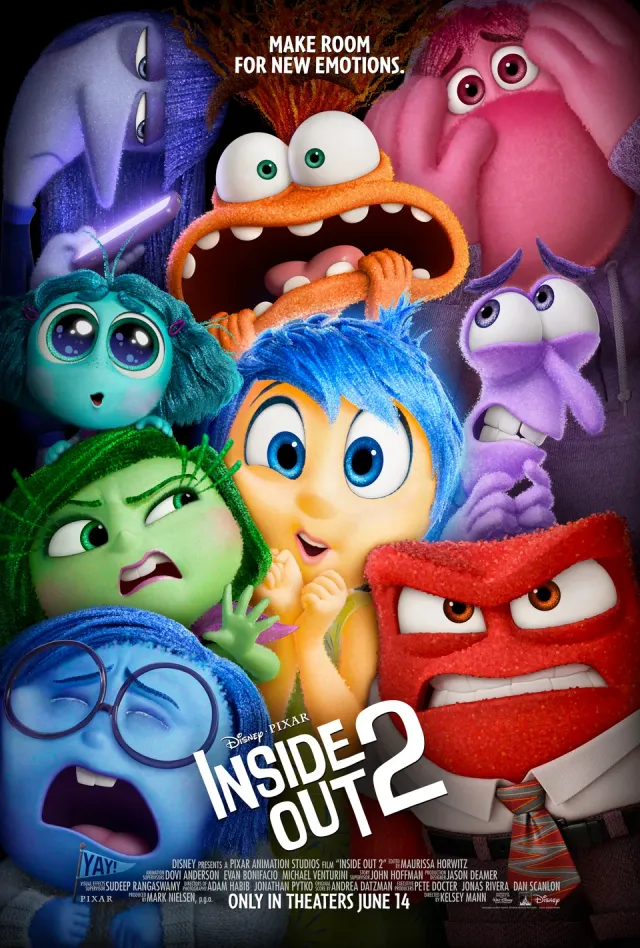
What changes KPop Demon Hunters is tagged exuberant and heartfelt; Inside Out 2 is tagged warm and anxious.
At a hockey camp before high school, a teenager fears losing old friendships and failing to join a group that seems to promise her future. Newly arrived emotions reorganize her internal world around anticipation, displacing the earlier team and the reassuring self-image it has carefully protected. Attempts to manufacture a better identity intensify the pressure they are meant to manage. The animated sequel makes adolescence a negotiation among incompatible feelings, asking how an account of oneself can include mistakes without being governed entirely by them.
Based on recorded story, mood and style. Your preferences can change the order.
Coming of age
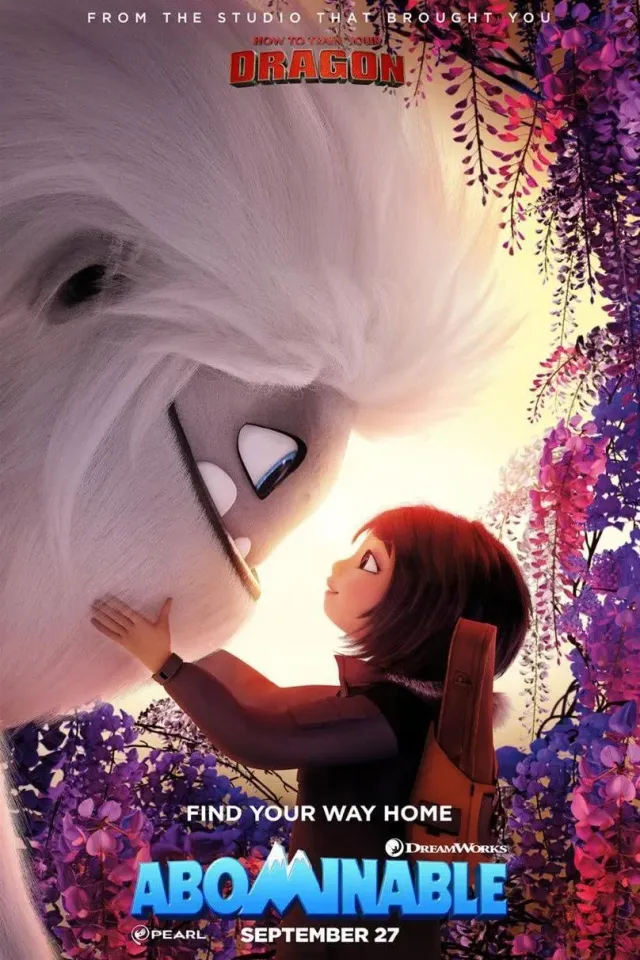
What changes KPop Demon Hunters: fast and escalating. Abominable: steady.
A grieving teenager finds a young yeti hiding on a Shanghai rooftop and decides to help him return to the Himalayas. Two neighborhood boys join the journey as a wealthy collector and an apparent protector pursue the creature for their own purposes. The expedition makes travel and music ways of reconnecting with the girl's dead father, while friendship requires the group to reassess who actually offers care.
Based on recorded story, mood and style. Your preferences can change the order.
Coming of age
What changes KPop Demon Hunters is tagged exuberant and heartfelt; Kung Fu Panda 4 is tagged playful and hopeful.
A hero asked to choose a successor resists the idea that leadership may require giving up the role through which others recognize him. A thief's information draws him toward a shape-changing adversary seeking access to past masters and their abilities. The prospective ally's divided loyalty makes trust dangerous but also exposes a different model of apprenticeship from domination. The animated sequel turns an external theft of skills into a counterpart to the hero's private difficulty imagining continuity without keeping every honor for himself.
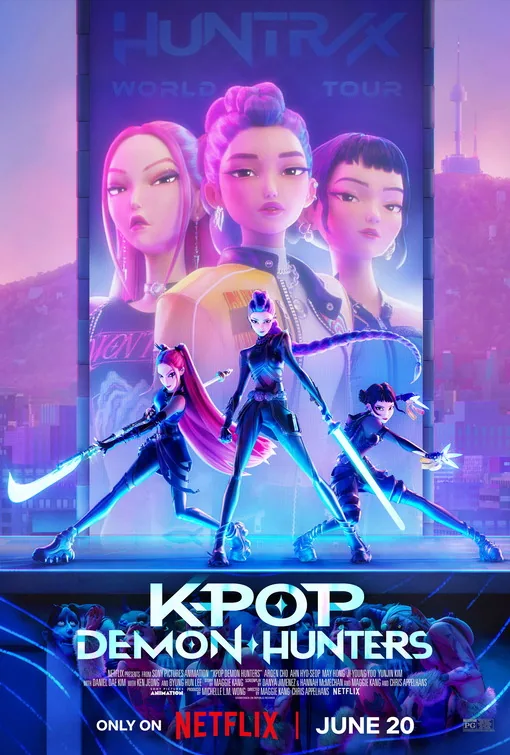
K-pop trio Huntr/x fills arenas by day and keeps demons from reaching its fans by night. Rumi’s voice and leadership hold the group together, but she hides that she is half-demon and believes the truth makes her unworthy of love. Rival boy band the Saja Boys uses polished performance to draw audiences toward the demons’ plan, while Jinu’s bond with Rumi makes betrayal and vulnerability personal. Their final confrontation changes the barrier protecting humanity; it does not erase the structures of shame or the consequences of the men’s deception. The fast, colorful musical adventure turns fame into a weapon of connection and control, but its resolution is more than a slogan about accepting oneself: trust, confession and accountability are shared actions.
What drives the story
Concert performance and demon combat share the same audience-facing stage, so the film treats fandom as a real source of protection as well as a resource its enemy can manipulate.
The people at its centre
Rumi hides her identity under Celine’s conditional care, while Jinu conceals his own bargain and motives. Their recognition matters, but his deception and the harm done by the Saja Boys do not disappear when they understand one another.
What it feels like
Song sequences, bright choreography and rapid action repeatedly shift between public spectacle and private shame. The climactic Golden Gate turns an internal conflict into a visible collective choice, with the group and fans contributing rather than one confession solving everything.
Worth knowing
The film’s demon allegory should not become a clinical account of shame or a universal cure narrative. Keep Rumi’s self-acceptance, Celine’s care, Jinu’s betrayal and the group’s solidarity as distinct parts of the resolution.
ShameIdentityFriendship
Mood
Exuberant · Heartfelt · Defiant
Pacing
Fast · Escalating
Visual style
Animated pop spectacle · Comic supernatural combat
Storytelling
Fan-powered barrier · Concealed mixed ancestry · Rival demon band