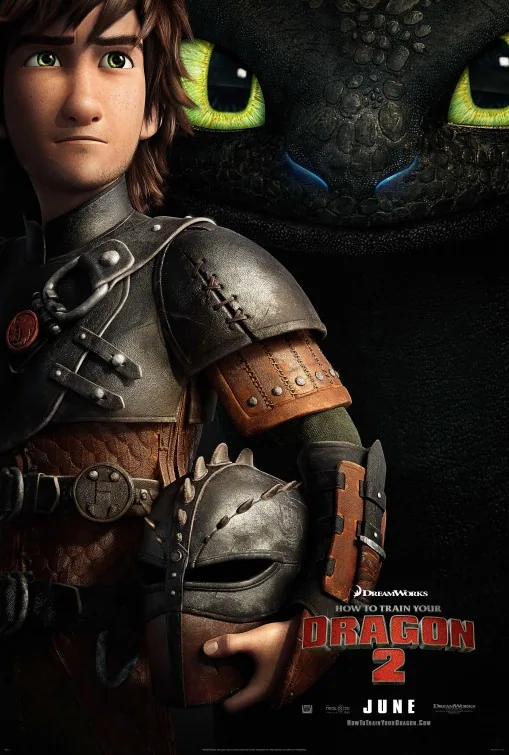
A resistant heir's exploration uncovers both a family reunion and a coercive dragon army, forcing him to lead when persuasion cannot prevent catastrophic conflict.
Why this matches +
A fast family action sequel connects Po's adoption and childhood trauma to a threat that could make kung fu obsolete.
Genres: Animation / Adventure
Shared film traits
Based on recorded story, mood and style. Your preferences can change the order.
Coming of age
What changes A parent reunion and dragon control replace childhood memories and artillery.
A young dragon rider avoids the leadership role his father expects while exploring the world with his closest companion. Discovery of a hidden sanctuary and a parent he believed lost complicates his sense of home just as a warlord begins turning dragons into an army. His confidence that understanding can resolve every conflict meets an adversary organized around coercive control. The sequel links family reunion and loss with a transition from personal friendship to responsibility for a community whose safety he can no longer treat as someone else's task.
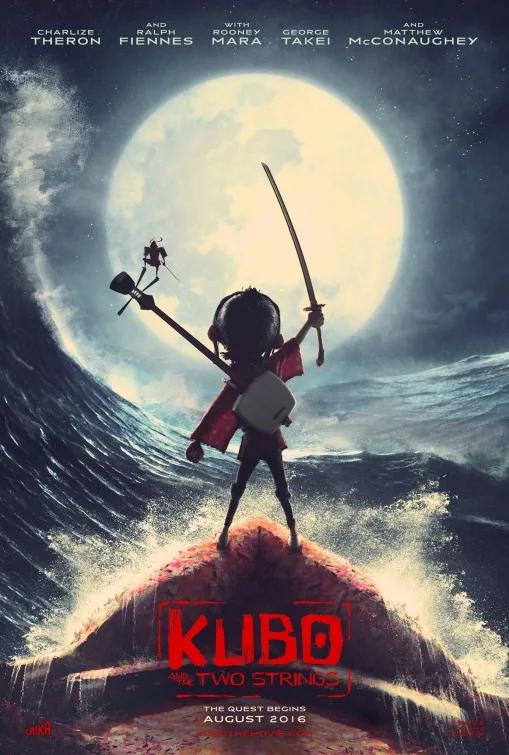
A persecuted child seeks his father's armor while hidden family identities redirect the quest from invulnerability toward a different means of resisting immortal control.
Why this matches +
Pair notes distinguish the stakes, tone and relationships.
An adjacent discovery: a related idea with a different viewing experience.
Genres: Animation / Fantasy
Shared film traits
Based on recorded story, mood and style. Your preferences can change the order.
Memory and identity · Coming of age
What changes Stop-motion bereavement and a solitary quest are more somber than a martial-arts team comedy.
A boy supports his ill mother by performing stories that he cannot finish because their family history remains incomplete. Breaking a protective rule exposes him to relatives who want to remove the vulnerability they associate with human sight and grief. A search for legendary armor brings companions whose identities alter the story he thought he inherited. The stop-motion adventure makes memory a shared act rather than only recovered information, turning the apparent weapon quest toward the protection made possible by imperfect human attachment.
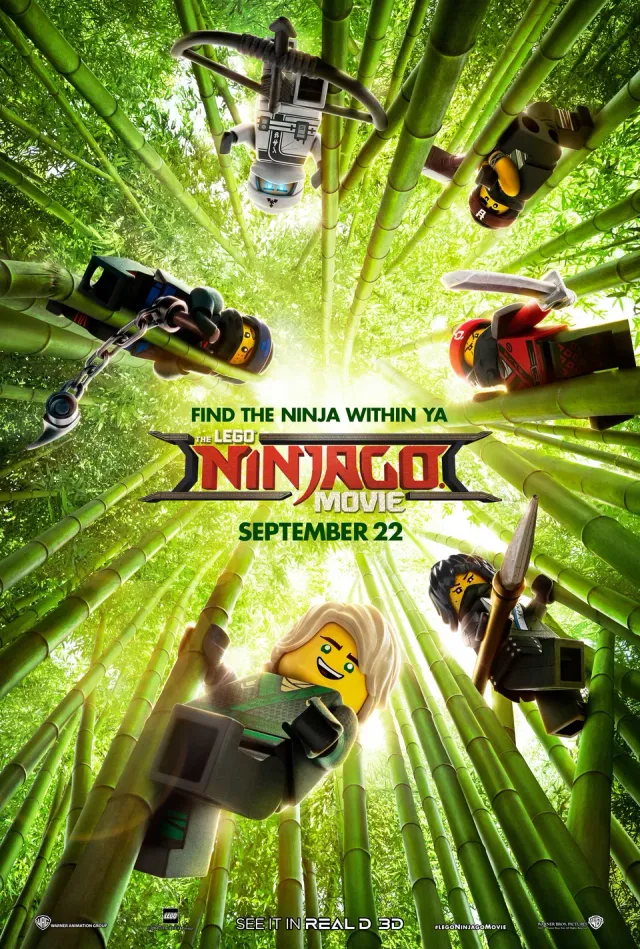
The weapon’s loss forces the ninjas into a longer quest, but Lloyd’s unresolved family conflict remains the real obstacle to peace in Ninjago.
Why this matches +
Pair notes distinguish the stakes, tone and relationships.
An adjacent discovery: a related idea with a different viewing experience.
Genres: Animation / Action
Shared film traits
Based on recorded story, mood and style. Your preferences can change the order.
Coming of age
What changes A teen reconciles with the villainous father he knows rather than uncovering the loss behind his adoption.
Teenage Lloyd leads a secret team of ninjas defending Ninjago City from attacks by his estranged father, the warlord Garmadon. In school, Lloyd is treated as a villain’s child, while Garmadon treats the battles as both conquest and a way to keep seeing his son. When a weapon disrupts their usual conflict, Master Wu sends Lloyd and his friends on a dangerous quest to recover the Ultimate Ultimate Weapon. Their mission tests the team’s confidence and gives Lloyd a chance to question whether defeating his father is the same as repairing their relationship. The film translates the television franchise into a self-contained animated comedy about a family feud.
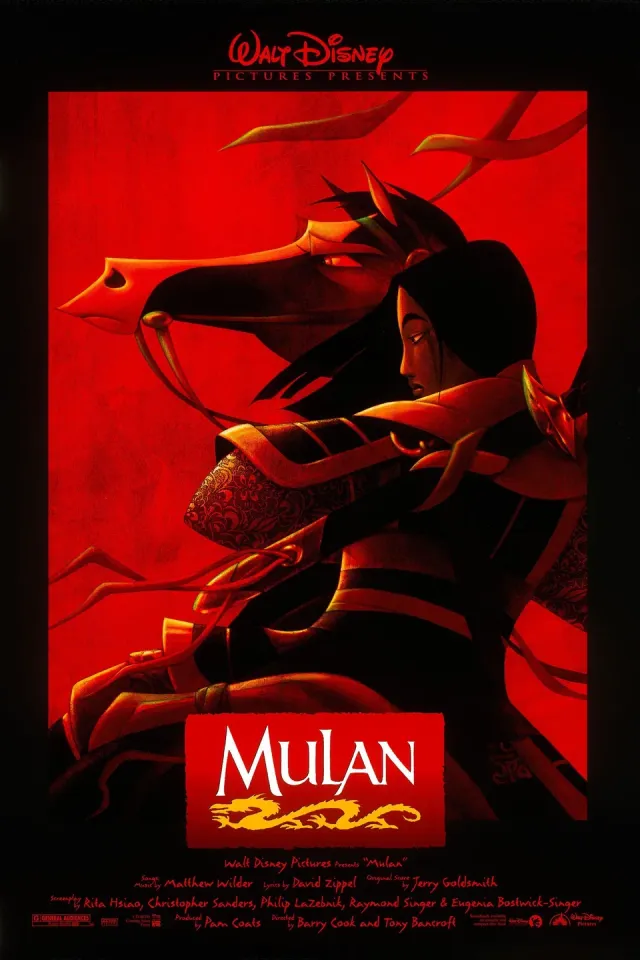
A concealed identity permits entry into a military system whose rules would otherwise exclude the person best placed to solve its crisis.
Why this matches +
Pair notes distinguish the stakes, tone and relationships.
An adjacent discovery: a related idea with a different viewing experience.
Genres: Animation / Adventure
Shared film traits
Based on recorded story, mood and style. Your preferences can change the order.
Coming of age
What changes A recruit's disguise and obligations replace an adoption mystery and the struggle to accept the past.
A young woman takes her father's place in an imperial military draft, concealing her identity in a unit preparing to meet an invading army. Training offers a chance to develop capacities her domestic role has left unrecognised, but discovery could invalidate the trust she earns. Protecting her family gradually requires more than imitation of expected male behaviour, as practical ingenuity challenges the institution's assumptions about who can serve it.
An established martial-arts hero struggles to achieve inner calm when a conqueror's emblem reawakens memories of separation from his first family. The enemy's weapons threaten both the city and the tradition through which the hero has found belonging. Learning how his past connects to the campaign makes defending others inseparable from deciding how much that injury will define him. The animated sequel places adoption and traumatic loss alongside action, making peace a capacity to acknowledge history without handing an adversary permanent control over identity.
What drives the story
A campaign against a new weapon system reveals the hero's connection to an earlier massacre, forcing the public mission and suppressed personal history into the same confrontation.
The people at its centre
Po's attachment to Mr. Ping is challenged but not canceled by discovering his origins, while Tigress's care competes with his impulse to pursue answers alone.
What it feels like
Fluid animated combat, comic ensemble exchanges and stylized memory sequences coexist with grave implications of parental loss and collective violence.
Worth knowing
Inner peace is a story-specific practice, not a promise that trauma is simply chosen away; the adoptive father remains a real parent rather than an obstacle to an authentic identity.