Based on recorded story, mood and style. Your preferences can change the order.
Investigation
What changes Laura: measured and escalating. Copycat: procedural, escalating threat and clue-driven.
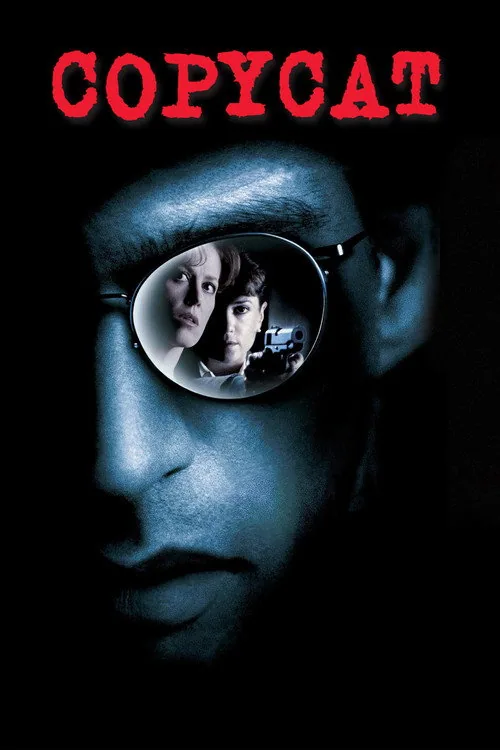
Criminal psychologist Helen Hudson becomes agoraphobic after an attack by a serial killer she once studied. When a new series of murders in San Francisco appears to imitate notorious killers, detectives M. J. Monahan and Ruben Goetz seek Helen’s expertise. She analyzes the patterns from her apartment while the perpetrator tries to draw her into the investigation. Jon Amiel’s thriller pairs a remote specialist with active investigators, making the murderer’s copycat method and Helen’s recovery central to the case.
Based on recorded story, mood and style. Your preferences can change the order.
Investigation
What changes Laura is tagged dreamlike and suspenseful; In the Heat of the Night is tagged tense and mysterious.
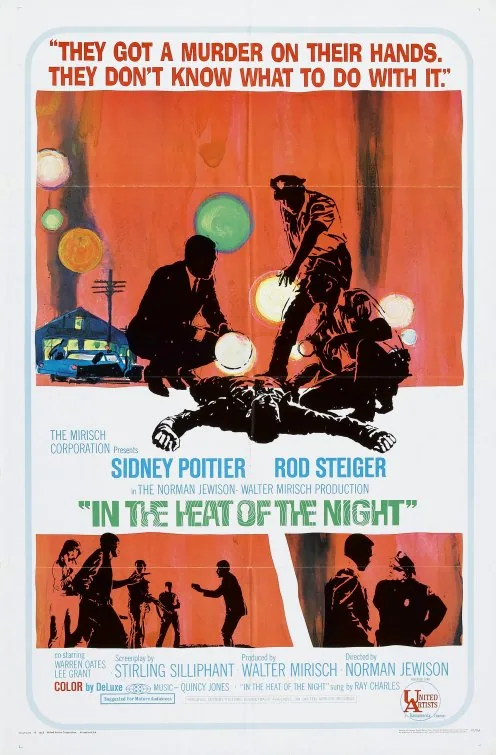
A Black homicide detective passing through a Mississippi town is arrested after a wealthy visitor is found dead. Once his profession is established, local authorities reluctantly accept his help, but his expertise does not protect him from racist hostility. The investigation requires an uneasy partnership with the white police chief, forcing both men to confront how pride, prejudice and local influence distort the search for evidence.
Both share themes of truth, plus a suspenseful atmosphere.
Why this matches +
Genres: Mystery / Comedy
Shared film traits
Based on recorded story, mood and style. Your preferences can change the order.
Investigation
What changes Laura: measured and escalating. Glass Onion: A Knives Out Mystery: nonlinear and brisk.
A detective joins a wealthy technology entrepreneur's island gathering, where a staged murder game conceals a much more consequential dispute. The guests' supposed independence depends on favors, investment and a shared willingness to protect their host's account of the past. A shift in perspective reveals why the detective is really present and turns earlier behavior into evidence of coordinated self-interest. The mystery satirizes the ease with which elaborate displays of intelligence can distract from a simple act of power sustained by other people's complicity.
Based on recorded story, mood and style. Your preferences can change the order.
Investigation
What changes Laura: measured and escalating. The Secret in Their Eyes: past-and-present structure, case file reconstruction and late moral revelation.
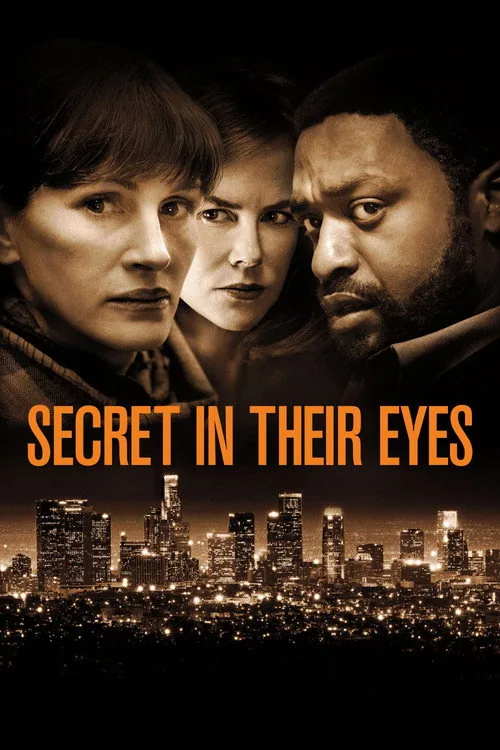
Years after a young woman is murdered, retired investigator Ray Kasten returns to Los Angeles and tries to reopen the case alongside former colleague Claire Sloan. The victim was the daughter of Ray's friend Jess, whose grief and search for justice shaped the original investigation. A suspect connected to a terrorism inquiry was never brought to trial, and the old team must confront why the case stalled. The American adaptation combines a murder investigation with unresolved love, institutional compromise, and the long reach of trauma.
Based on recorded story, mood and style. Your preferences can change the order.
Investigation
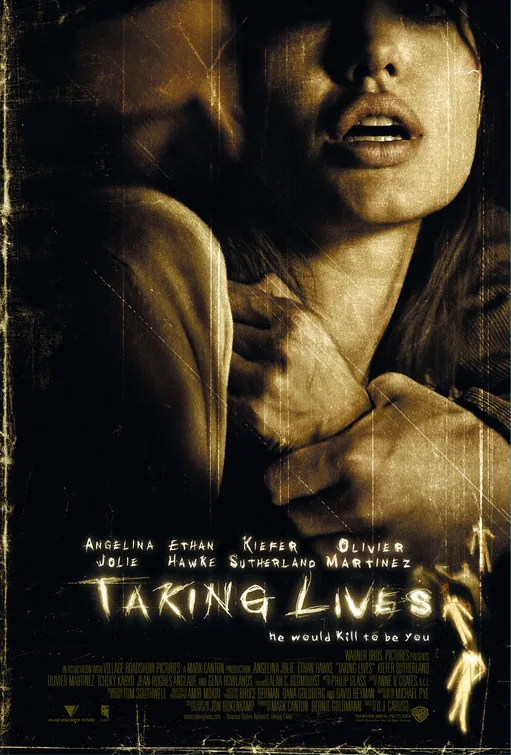
What changes Laura is tagged dreamlike and suspenseful; Taking Lives is tagged suspicious and dark.
An FBI profiler is asked to identify a serial killer who evades capture by assuming victims’ identities. Her interviews and reconstruction of crimes bring her close to people connected to the case, where trust is hard to distinguish from professional access. The thriller builds around identity theft, forensic inference and the danger of accepting a suspect’s story as the investigator’s own.
Based on recorded story, mood and style. Your preferences can change the order.
Investigation
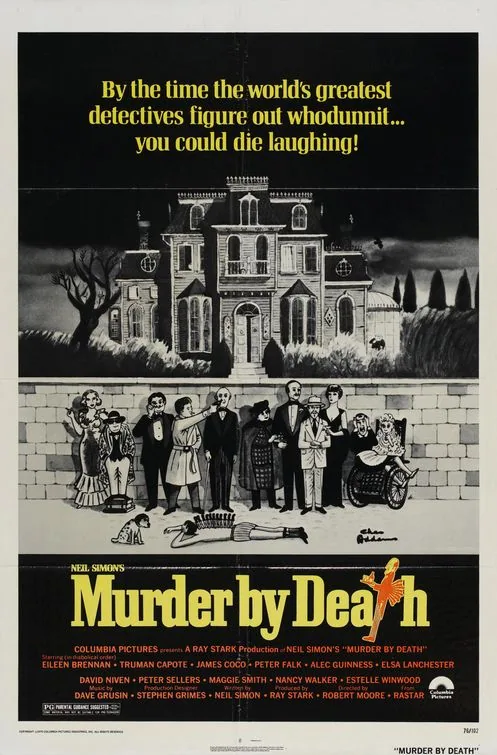
What changes Laura: measured and escalating. Murder by Death: brisk, puzzle-driven and episodic.
A collection of famous fictional detectives and their companions accept a weekend invitation to an isolated mansion from Lionel Twain. He announces that a murder will occur at midnight and promises a large reward to whoever solves it. As the house locks down, corpses, traps and contradictory clues turn the contest into a parody of classic sleuths and their methods. The guests must decide whether the puzzle is real, staged or another performance by their host.
Based on recorded story, mood and style. Your preferences can change the order.
Investigation
Expect tense and brooding, with measured and escalating pacing.
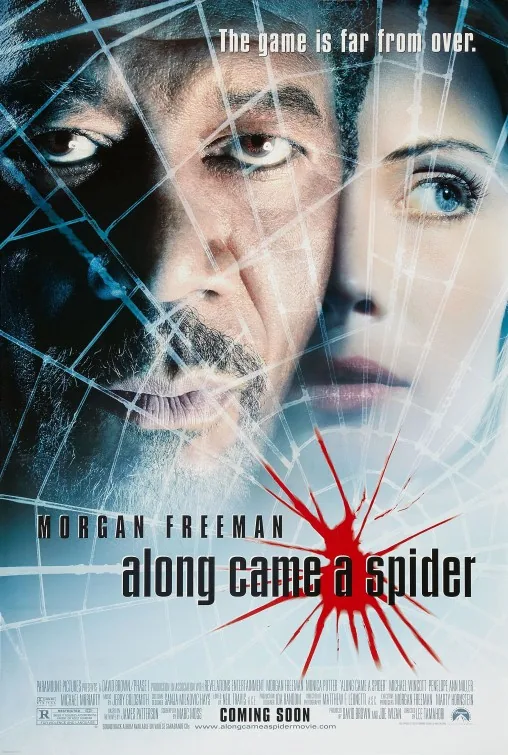
Detective Alex Cross is drawn into a case after the kidnapping of a senator’s daughter from a guarded school. A Secret Service agent connected to the abduction becomes both a source of information and a source of doubt. The investigation tests Cross’s ability to distinguish calculated performance from genuine evidence.
Based on recorded story, mood and style. Your preferences can change the order.
Investigation
What changes Laura: measured and escalating. 8mm: clue-driven investigation becomes a personal pursuit.
Private investigator Tom Welles is hired to determine whether an 8mm reel found in a wealthy man’s safe shows the real murder of a young woman. His search takes him from the family who wants an answer to the underground pornography world of Los Angeles and New York, where he teams with clerk Max California. The investigation exposes deliberate cruelty and pushes Welles toward a moral breaking point; the thriller is notably grim and disturbing in its subject matter.
Based on recorded story, mood and style. Your preferences can change the order.
Investigation
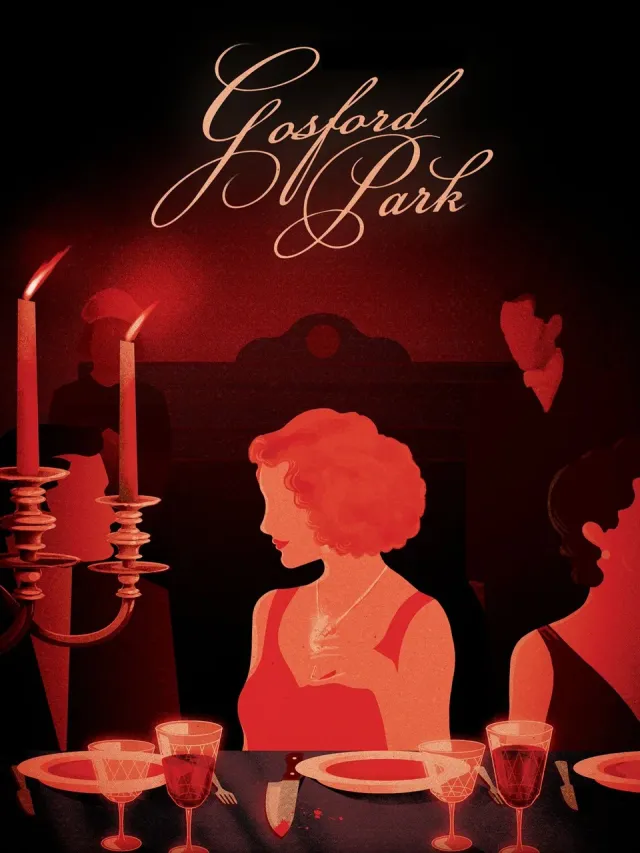
What changes Laura is tagged dreamlike and suspenseful; Gosford Park is tagged wry and melancholy.
Guests and servants gather at an English country estate where a shooting weekend concentrates private debts, dependencies and resentments. A murder appears to offer a conventional mystery, but the people maintaining the household often understand more than the authorities who arrive to solve it. Movement between social levels reveals how service depends on anticipating needs while suppressing one's own history. The ensemble drama makes the explanation of a death part of a wider account of exploitation, with emotional recognition emerging outside the official investigation.
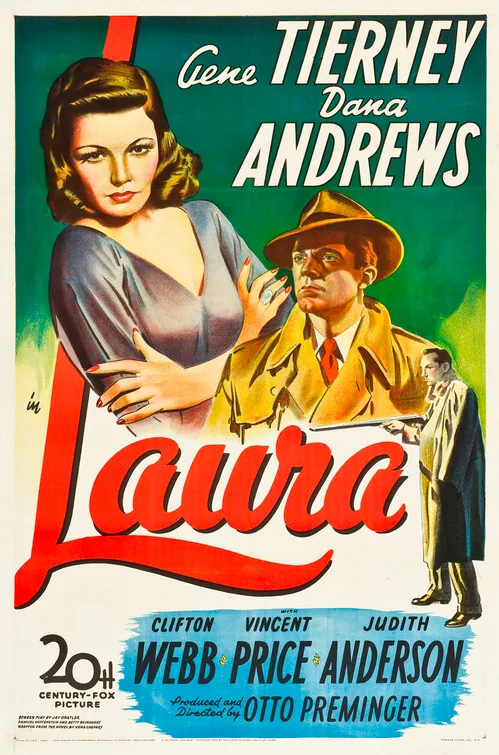
New York detective Mark McPherson investigates the murder of advertising executive Laura Hunt through the people who knew her and the portrait that dominates her apartment. Journalist Waldo Lydecker’s polished narration turns his relationship with Laura into a claim of authorship, while fiancé Shelby Carpenter and aunt Ann offer self-interested versions of her life. When Laura returns, the investigation changes from reconstructing an absent woman to confronting the living person whose image everyone has tried to possess. The noir’s famous portrait and shifting point of view make idealization part of the suspense. Laura’s agency after her return matters as much as the men’s fascination; she cannot be reduced to the beautiful picture that first organizes the story.
What drives the story
The murder inquiry is filtered through testimony and Lydecker’s retrospective narration, so each clue also reveals who wants control over Laura’s story. Her return transforms the case and exposes the limits of the portrait as evidence.
The people at its centre
Lydecker treats cultural influence and emotional closeness as entitlements; McPherson’s admiration also risks turning an absent woman into an ideal. Laura’s own decisions disrupt both men’s assumptions when she reenters the investigation.
What it feels like
Soft-focus portraiture, shadows and narration establish an elegant surface that the film repeatedly destabilizes. The score and visual motif of Laura’s face make looking itself part of the noir’s suspense mechanism.
Worth knowing
Compare it with noirs about unreliable testimony and obsessive idealization. The film critiques possessive viewpoints without giving every later action a simple feminist resolution; keep Laura’s choices distinct from the men’s versions of her.