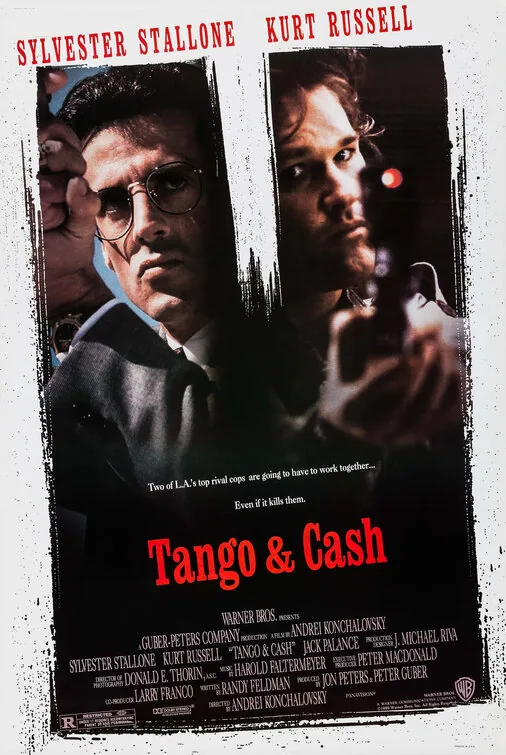
Perret's frame-up converts a professional rivalry into an escape-and-exoneration mission, forcing two capable detectives to cooperate under pressure.
Why this matches +
Selected for the central appeal: Buddy-cop action mixing criminal investigations, personal stakes and comic partnership.
Genres: Action / Comedy
Shared film traits
Based on recorded story, mood and style. Your preferences can change the order.
Criminal underworld
What changes Contrasting Los Angeles cops trade insults while fighting a criminal network that compromises official protection; the partners begin as framed rivals rather than established friends with families.
Raymond Tango and Gabriel Cash are rival Los Angeles narcotics detectives whose separate investigations threaten crime boss Yves Perret. Perret frames them for murder and sends them to prison, where the two officers initially distrust each other more than their captors. When they escape, they have to share information and work with Tango's sister to expose the evidence that ruined them. Their contrasting styles become useful only when they stop treating every encounter as a competition.
A colleague's shooting prompts a cross-jurisdiction reunion whose linked crimes conceal a larger commercial operation and a convenient public trail.
Why this matches +
Related viewing experiences with the specific differences recorded for each pair.
An adjacent discovery: a related idea with a different viewing experience.
Genres: Action / Comedy
Shared film traits
Based on recorded story, mood and style. Your preferences can change the order.
Investigation · Criminal underworld
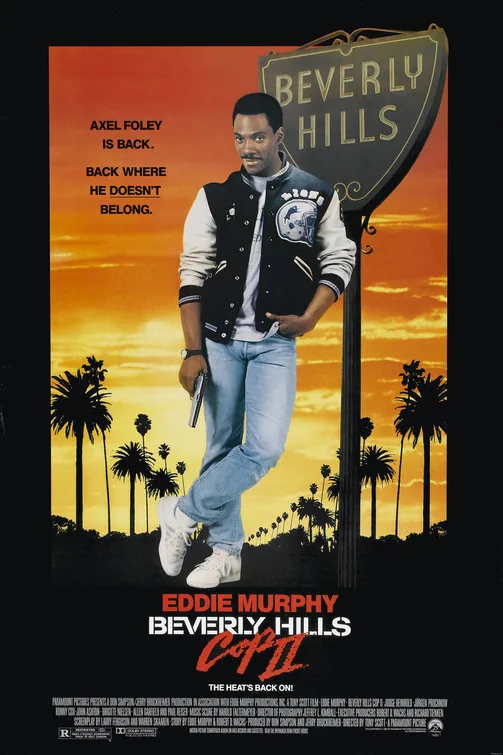
What changes Beverly Hills Cop II sends an unconventional detective and local police allies after a powerful criminal network, emphasizing Axel Foley's outsider comedy over Riggs and Murtaugh's established partnership.
An attack on a Beverly Hills police officer brings Axel back into contact with colleagues who have become friends. Their effort to connect a series of stylized crimes must proceed around a leadership more concerned with appearances and obedience than the earlier partnership's instincts. Following the clues exposes a larger operation, giving the returning outsider another opportunity to turn disruptive performance into practical investigative access.
An unexpectedly large robbery exposes overlapping covert interests and leaves both undercover partners without reliable institutional protection.
Why this matches +
Related viewing experiences with the specific differences recorded for each pair.
An adjacent discovery: a related idea with a different viewing experience.
Genres: Action / Crime
Shared film traits
Based on recorded story, mood and style. Your preferences can change the order.
Investigation · Criminal underworld
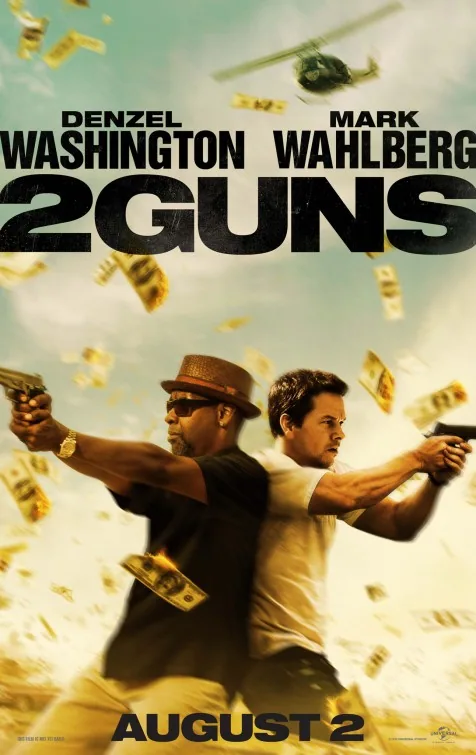
What changes 2 Guns pairs two distrustful operatives against criminal and official corruption, with undercover identities rather than two openly partnered detectives protecting a witness.
Two men planning a robbery believe they understand their criminal partnership, but each is concealing an undercover role from the other. The money they steal belongs to a network more dangerous than either expected, leaving them betrayed by their own organizations. Forced back into cooperation, they navigate shifting allegiances and institutional corruption through a mixture of mistrust, competitive banter and increasingly destructive improvisation.
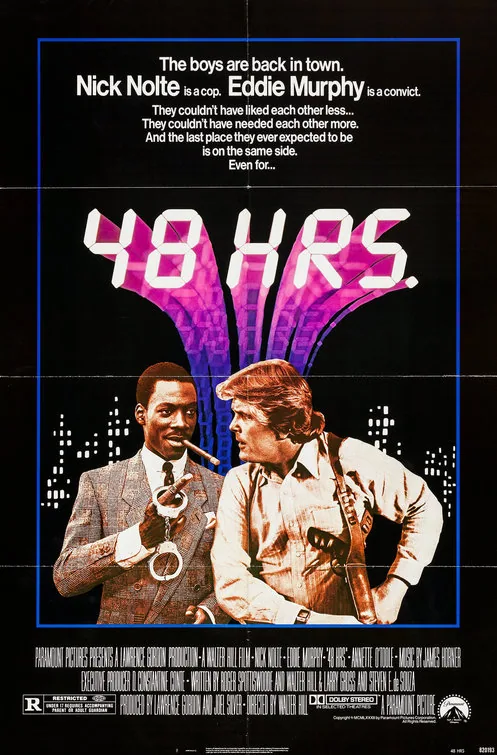
A temporary prison release creates a tightly timed bargain between an officer and a convict hunting connected criminals.
Why this matches +
Related viewing experiences with the specific differences recorded for each pair.
An adjacent discovery: a related idea with a different viewing experience.
Genres: Action / Comedy
Shared film traits
Based on recorded story, mood and style. Your preferences can change the order.
Investigation · Criminal underworld
What changes A combustible police-and-convict partnership mixes violent investigation with abrasive comedy; its mistrust and racial antagonism are sharper than Riggs and Murtaugh’s affectionate domestic ensemble.
A hard edged San Francisco detective takes a convict out of prison for two days to help track a violent fugitive. The detective needs information the prisoner possesses, while the prisoner has interests of his own in the criminal network. Their forced partnership runs on insults, distrust, and uneven authority until each must recognize the other's value under increasingly immediate danger.
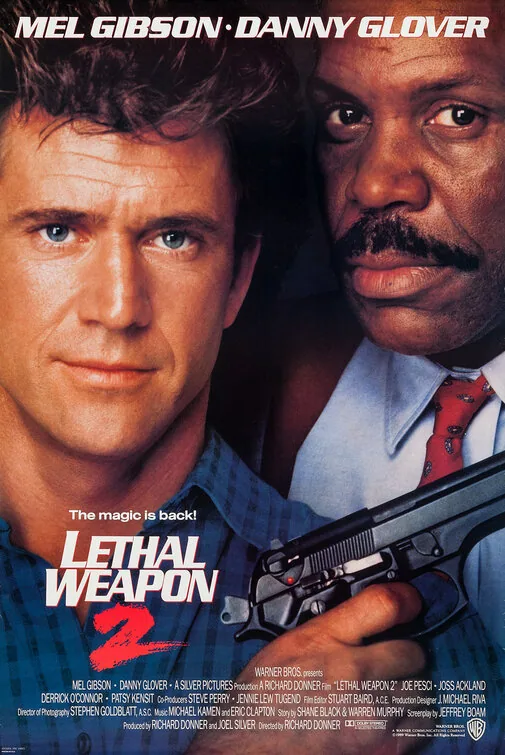
A police partnership follows a laundering trail toward officials who use diplomatic status to block investigation. Protecting an irritating witness becomes inseparable from the same case, while personal attacks make the difference between lawful immunity and practical impunity increasingly bitter. A new relationship opens the grieving partner toward intimacy but also exposes him to a criminal network linked to his earlier loss. The sequel expands the household and comic ensemble while driving the partners toward a more openly retaliatory challenge to protected power.
What drives the story
A money-laundering inquiry reaches a diplomatically shielded operation, forcing investigators to protect a witness and their own families while ordinary sanctions are withheld.
The people at its centre
Riggs's renewed attachment and Murtaugh's domestic vulnerability give the partnership different stakes, while Leo's dependence creates a comic bond that is also materially necessary to the case.
What it feels like
Broad verbal comedy and domestic interruptions coexist with severe targeted violence, maintaining buddy energy without removing the anger behind the pursuit.
Worth knowing
The apartheid connection and diplomatic shield are specific to this installment; its outcome should not be treated as a realistic account of legal remedies or acceptable police retaliation.
LoyaltyProtected powerRetaliation
Mood
Witty · Angry · Intense
Pacing
Fast · Escalating
Visual style
Domestic interruptions · Severe violence · Transport climax