Both centre on containment failure and creature threat.
Why this matches +
Genres: Science fiction / Horror
Shared film traits
Based on recorded story, mood and style. Your preferences can change the order.
Survival
Expect tense and claustrophobic, with fast pacing.
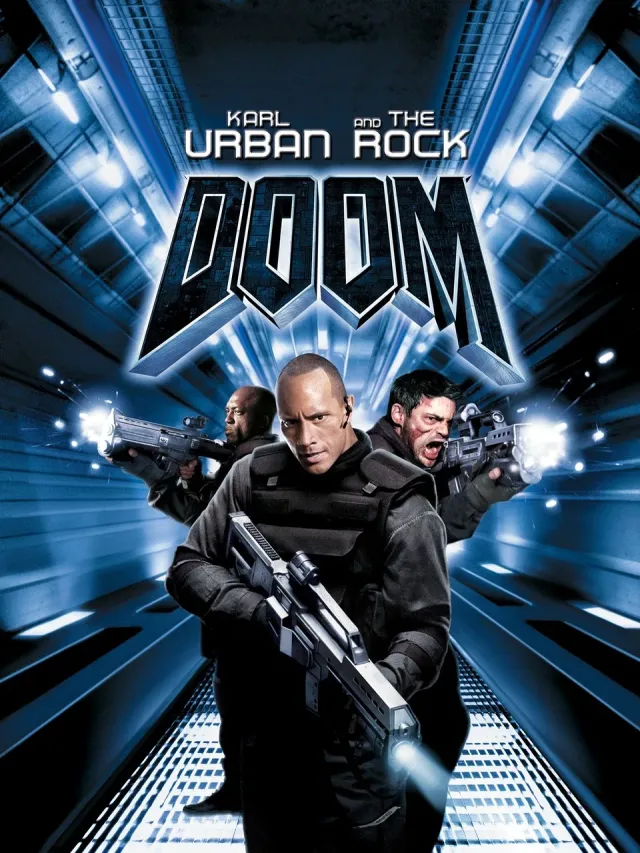
A military team enters a research station on Mars after a distress call interrupts secret experiments. Searching for survivors reveals that the creatures attacking them are connected to human testing rather than an external enemy easily separated from the institution. An operative's reunion with his scientist sister creates another source of divided knowledge, while the commander's escalating response makes obeying the mission increasingly difficult to reconcile with protecting people still capable of being saved.
Based on recorded story, mood and style. Your preferences can change the order.
Survival
What changes Life: fast and escalating. Pandorum: propulsive and revelatory.
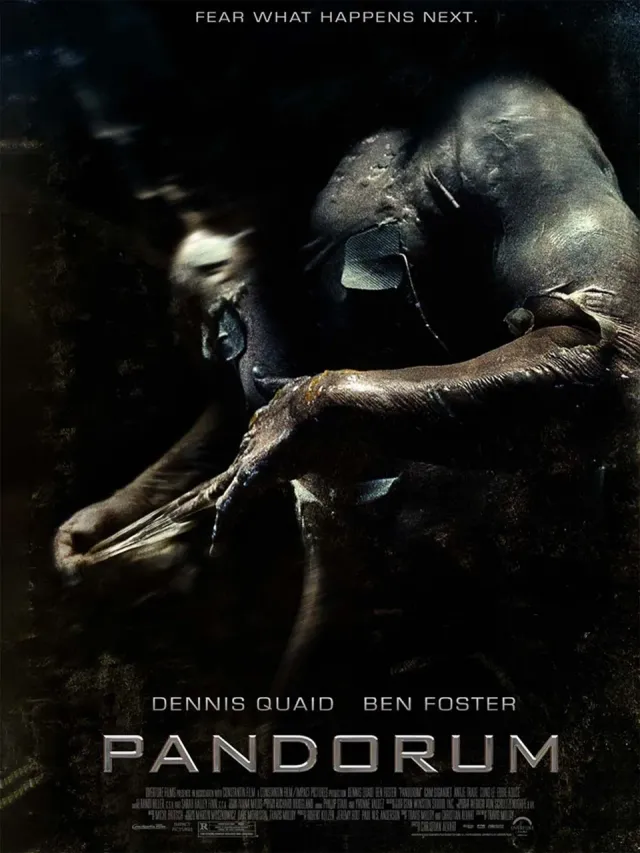
Two crew members wake aboard a deep-space vessel with lost memories and discover that the ship and its surviving population face grave danger. As they move through unfamiliar compartments, fragments of their mission and the fate of the crew emerge. The science-fiction horror combines a generation-ship premise with claustrophobic survival, making uncertainty about memory, identity and human behavior as threatening as the physical environment.
Both centre on containment failure and creature threat.
Why this matches +
Genres: Horror / Science fiction
Shared film traits
Based on recorded story, mood and style. Your preferences can change the order.
Survival
What changes Life: fast and escalating. The Thing: slow burn and intense.
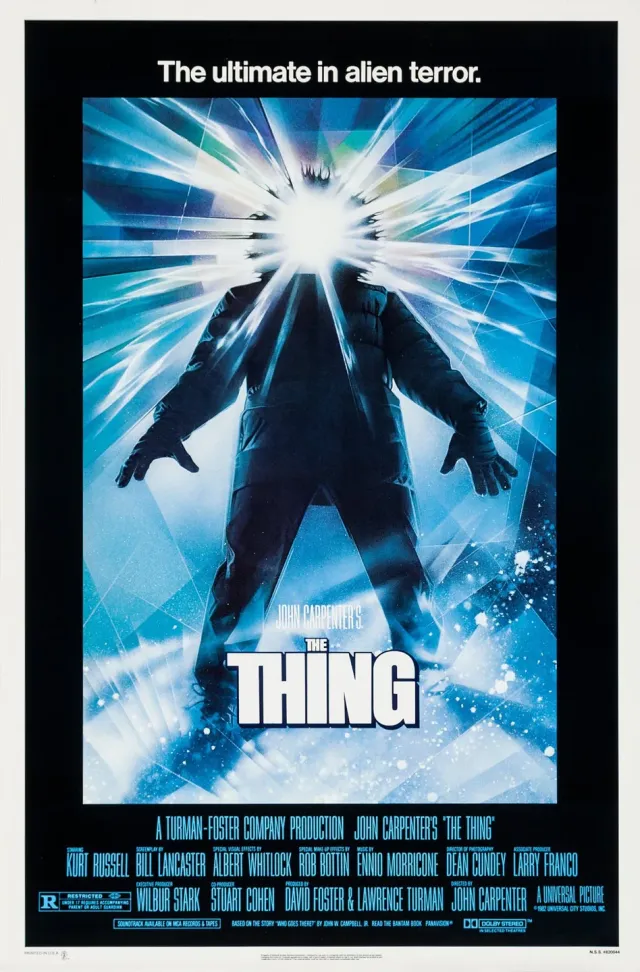
An isolated Antarctic research team takes in a dog from a neighbouring station without understanding the pursuit that brought it there. Discovering a life form capable of imitating living bodies makes every familiar colleague a possible threat. Limited transport, extreme weather and uncertain tests turn cooperation into a series of fragile bargains, with survival potentially conflicting with the obligation to prevent the organism from reaching anyone else.
Based on recorded story, mood and style. Your preferences can change the order.
Survival
Expect tense and claustrophobic, with fast and intense pacing.
Young workers on a company-controlled colony plan to escape their restricted futures by salvaging equipment from an apparently abandoned station. The station contains the remains of biological research, and their limited window for departure becomes a struggle against infection, predation, and corporate priorities. A synthetic member of the group faces conflicting directives, making the meaning of protection depend on whose survival the system considers worth preserving.
Both centre on containment failure and creature threat.
Why this matches +
Genres: Horror / Science fiction
Shared film traits
Based on recorded story, mood and style. Your preferences can change the order.
Survival
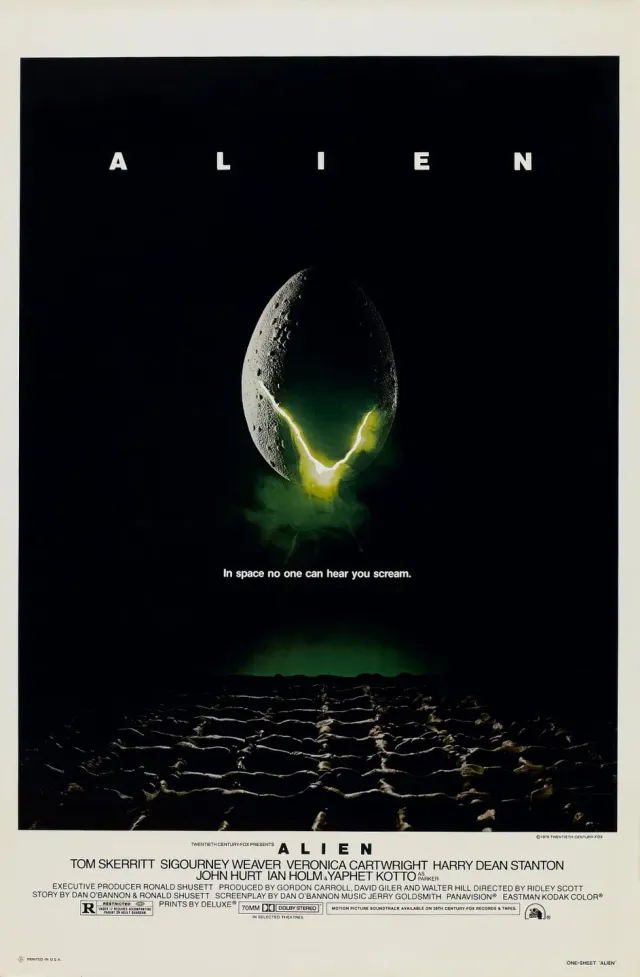
What changes Life: fast and escalating. Alien: slow burn.
A commercial spacecraft crew is awakened to investigate a signal on an unfamiliar moon before completing the journey home. Bringing an injured colleague aboard introduces a life form whose development defeats their assumptions about medical care and containment. As people disappear inside the industrial vessel, survival is complicated by concealed priorities that place the organism's potential value above the lives of the workers carrying it.
Based on recorded story, mood and style. Your preferences can change the order.
Survival
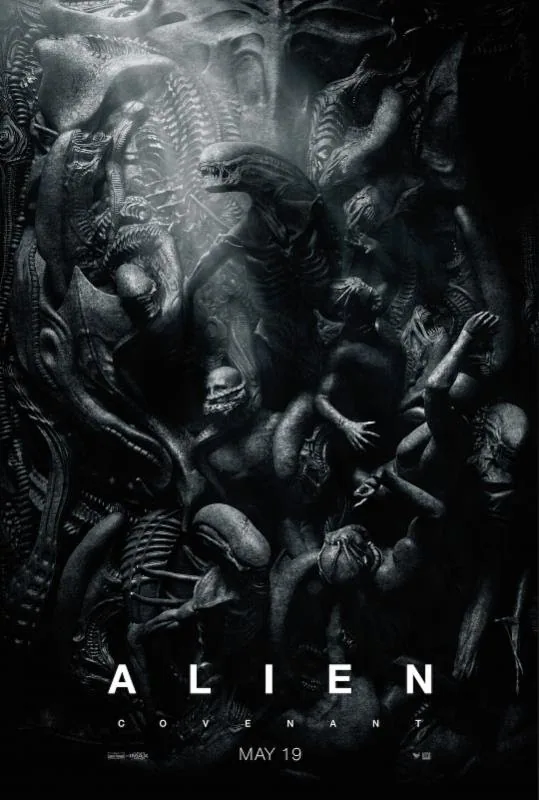
What changes Life is tagged claustrophobic and grim; Alien: Covenant is tagged unsettling and tense.
A colony ship diverts toward a seemingly habitable world after receiving a human signal, putting its passengers and crew in contact with a concealed biological catastrophe. A lone synthetic survivor offers shelter and explanations that cannot be taken at face value. Exploration becomes a trap shaped by experimentation and the desire to create life, while resemblance between artificial beings makes trust in a protector increasingly difficult.
Based on recorded story, mood and style. Your preferences can change the order.
Survival
Expect menacing and intense, with fast and escalating pacing.
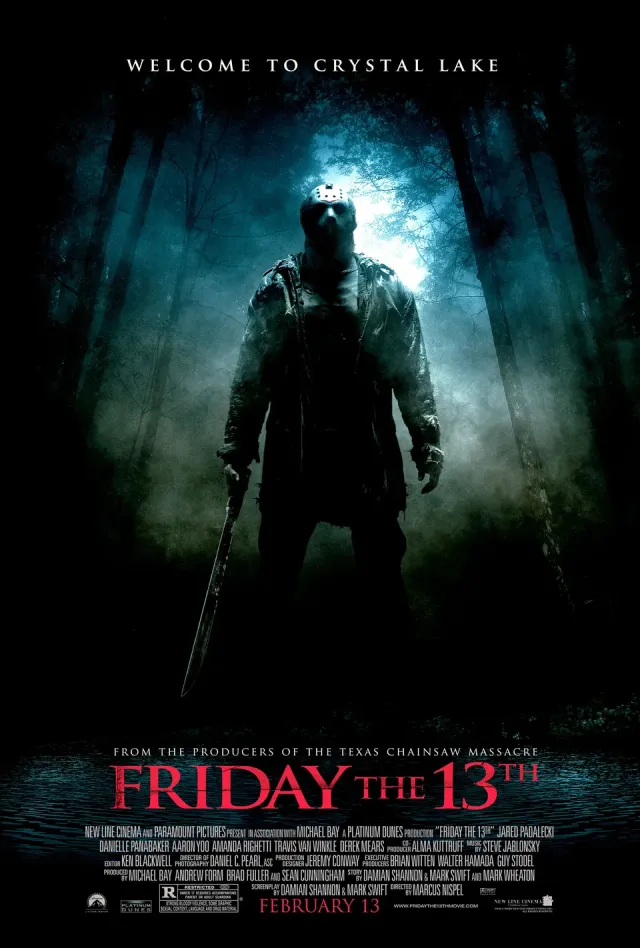
A young man searching for his missing sister reaches the Crystal Lake area as another group arrives for a recreational weekend. Their plans intersect with a territorial killer who knows the woods, paths and hiding places better than his visitors. The search gives movement through the familiar slasher setting a rescue purpose, while the vacationers' isolation supplies escalating vulnerability. This reworking combines recognizable franchise imagery with a faster, more tactical pursuer and a family relationship that extends beyond survival alone.
Based on recorded story, mood and style. Your preferences can change the order.
Survival
Expect claustrophobic and urgent, with fast and escalating pacing.
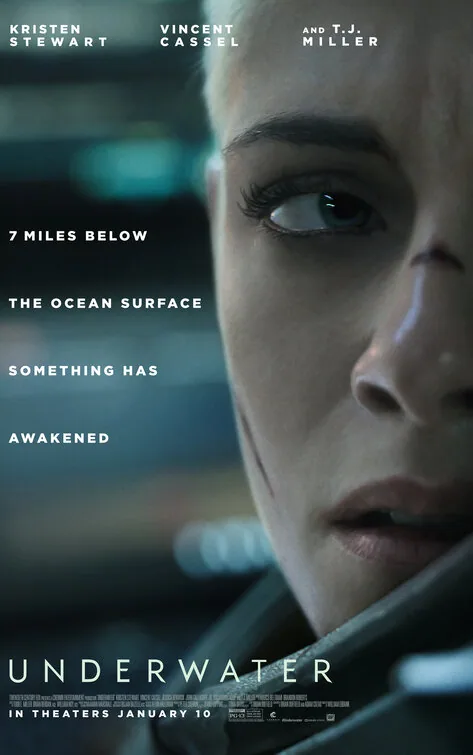
An accident devastates an undersea drilling facility on the ocean floor, leaving engineer Norah and a small group of survivors searching for a way to reach safety. Their route takes them outside the damaged station, where pressure, failing equipment and an unknown threat make each decision urgent. The film compresses disaster and creature horror into a hostile environment, emphasizing teamwork and the physical limits of human survival far below the surface.
Based on recorded story, mood and style. Your preferences can change the order.
What changes Life: fast and escalating. The Lazarus Effect: slow research setup accelerates into confined danger.
A medical research team develops a process that can restore life after death, but an experiment produces a result more dangerous than anyone anticipated. The scientists’ desire to extend knowledge collides with their fear of losing control over what they have created. This contained science-fiction horror uses a laboratory setting to explore the boundary between research ambition and moral responsibility.
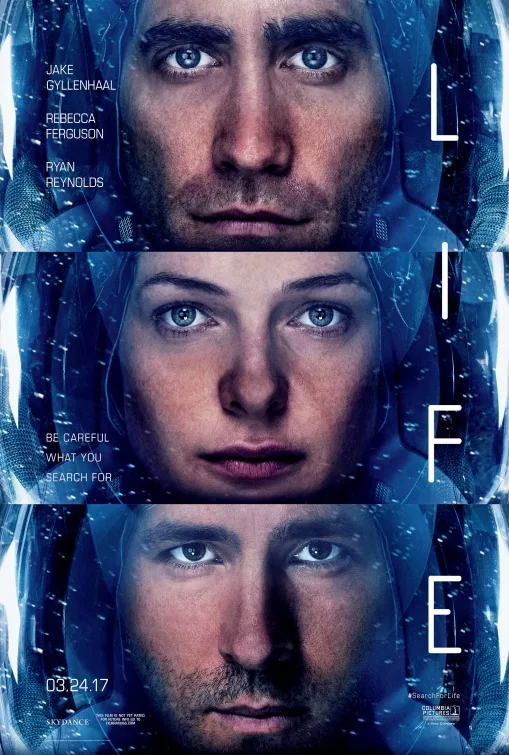
An orbital research crew revives a cell recovered from Mars and watches the discovery outgrow its containment faster than its knowledge can adapt. Attempts to rescue one another repeatedly give the organism access to new spaces, while declining station systems threaten to move the danger closer to Earth. The crew must weigh individual survival against preventing a much wider exposure. The science-fiction horror makes scientific wonder and protective instinct part of the same causal trap, with each local solution narrowing the remaining possibilities.
What drives the story
A rapidly adaptive organism escapes research containment, turning crew rescue and station repair into decisions about whether anyone can safely return to Earth.
The people at its centre
The scientists' attachment to their discovery and to one another conflicts with quarantine duties, making sacrifice a response to shared dependence rather than detached procedural confidence.
What it feels like
Tight orbital spaces, weightless movement and explicit bodily attacks produce an escalating containment nightmare rather than an expansive exploration or communication story.
Worth knowing
The organism's growth and station failures are speculative thriller devices, not a demonstrated model of Martian biology; the ending's containment stakes matter more than a generic alien encounter.