Explore films connected to Logan's Run through youth and mortality, state control, freedom and social conformity. Choose the qualities you want to carry into your next watch.
What should feel similar?
Find your next favourite
9 films · Closest overall matches
Hide films you’ve seen or don’t want. Saved on this device.
No matches for this combination yet.
Try another option or reset your choices to see more films.
Based on recorded story, mood and style. Your preferences can change the order.
Political resistance · Survival
What changes Logan's Run: escape-driven, episodic encounters and adventure escalation. Battlefield Earth: escalating and set-piece driven.
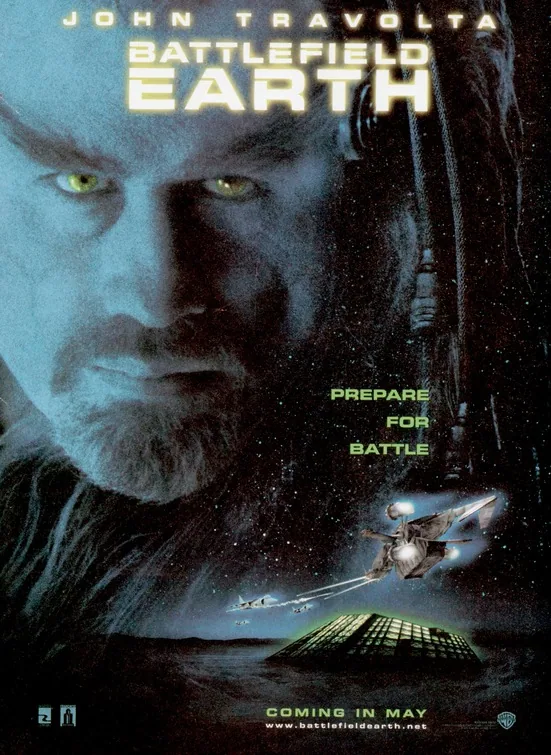
On a future Earth ruled by the alien Psychlos, human Jonnie Tyler is captured and forced into labor, then learns the occupiers’ methods and turns their technology against them. The story frames an uprising as a struggle over knowledge and dignity, while its pulp scale and deliberately outsized performances give the dystopian adventure an unusual cult reputation.
Based on recorded story, mood and style. Your preferences can change the order.
Escape and pursuit · Survival
What changes Logan's Run: escape-driven, episodic encounters and adventure escalation. Love and Monsters: road episodes introduce new hazards and forms of cooperation.
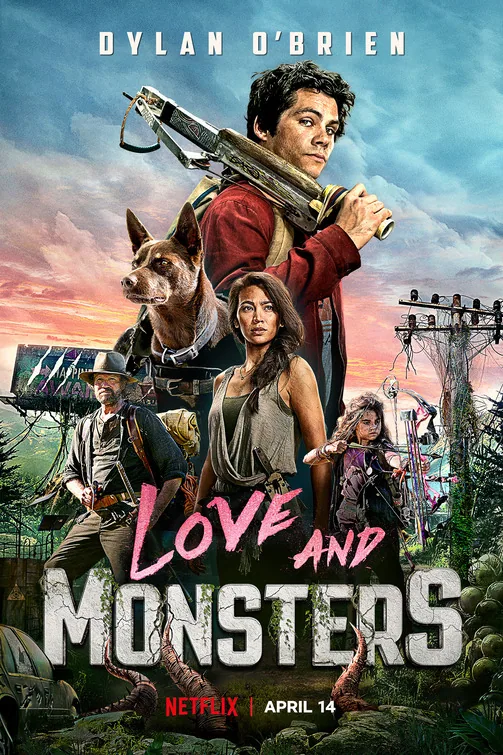
Seven years after monsters emerge following an asteroid strike, Joel lives in an underground colony and searches for his former girlfriend Aimee. He sets out alone across dangerous territory, meeting survivors and learning to navigate the altered ecosystem. The adventure comedy pairs creature encounters with Joel’s anxious self-image, turning a romantic goal into a broader lesson about courage, cooperation and the meaning of belonging.
Based on recorded story, mood and style. Your preferences can change the order.
Survival
What changes Logan's Run: escape-driven, episodic encounters and adventure escalation. Waterworld: journey and continuous pursuit.
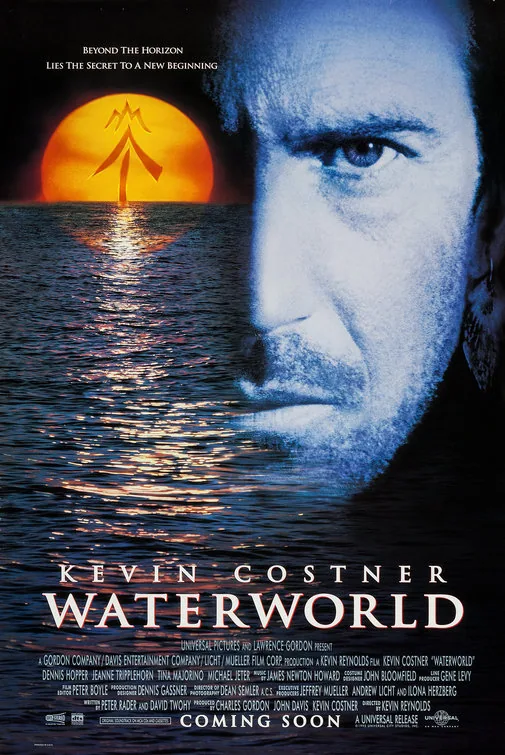
Centuries after polar ice has melted, most people survive on floating settlements and dream of finding dry land. A solitary mariner with gills trades supplies until he is drawn into protecting Helen and the child Enola, whose tattoo may point toward land. The group flees the violent Smokers, led by Deacon, across an ocean where fuel, clean water and shelter determine who holds power. The journey turns a search for refuge into an uneasy alliance between people who have learned to survive alone. The Mariner's barter-based life makes trust costly, while Helen sees Enola's tattoo as a route beyond the raft. A drifting atoll becomes a precarious community, not a lasting refuge.
Based on recorded story, mood and style. Your preferences can change the order.
Political resistance
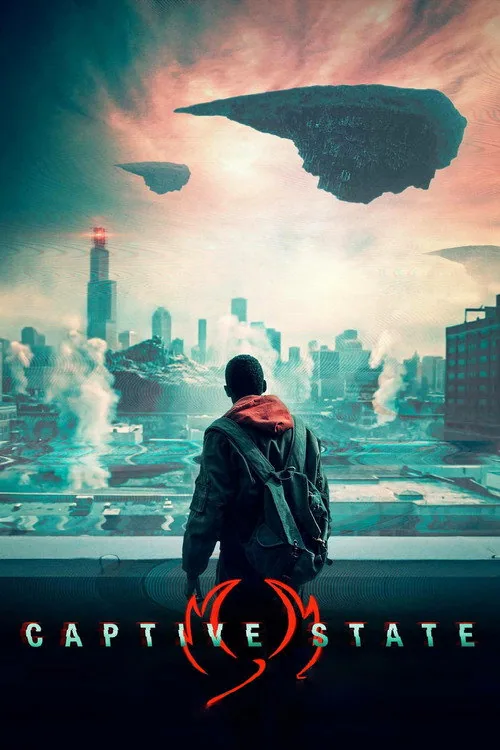
What changes Logan's Run: escape-driven, episodic encounters and adventure escalation. Captive State: slow conspiracy setup, fragmented investigative reveals and sudden resistance action.
Nearly a decade after extraterrestrial forces occupy Earth, Chicago's human government works under martial law and prepares restricted zones for its alien rulers. Gabriel Drummond lives among people who have accepted the new order, while police commander William Mulligan suspects that resistance group Phoenix is still active. Their paths converge in a covert plan whose aims remain unclear until its risks become unavoidable. The science-fiction thriller favors surveillance, secrecy, and occupation politics over open battles with the invaders.
Based on recorded story, mood and style. Your preferences can change the order.
Escape and pursuit
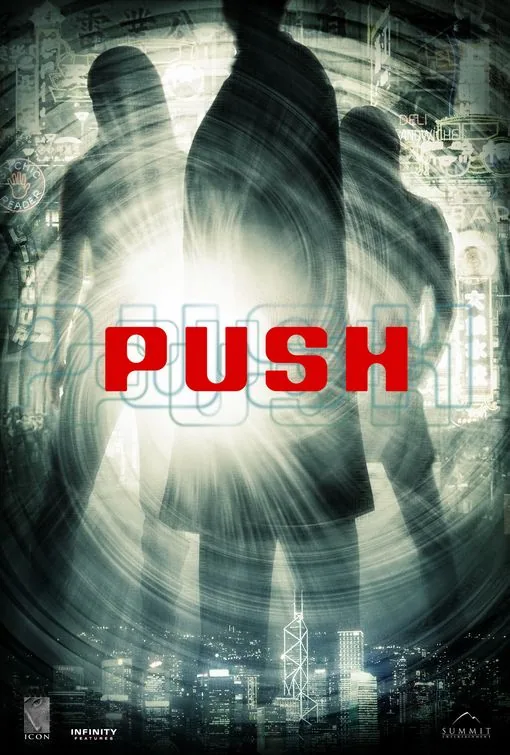
What changes Logan's Run: escape-driven, episodic encounters and adventure escalation. Push: escalating and action-driven.
In a city shaped by secret experiments, people with different psychic abilities try to survive while a government agency searches for a girl whose power could alter the balance between them. A young man with the ability to move objects joins a clairvoyant and a young watcher in a plan to find her and evade the agency. The science-fiction thriller builds its plot from contrasting abilities, uneasy alliances and a future that remains deliberately uncertain.
Based on recorded story, mood and style. Your preferences can change the order.
Survival
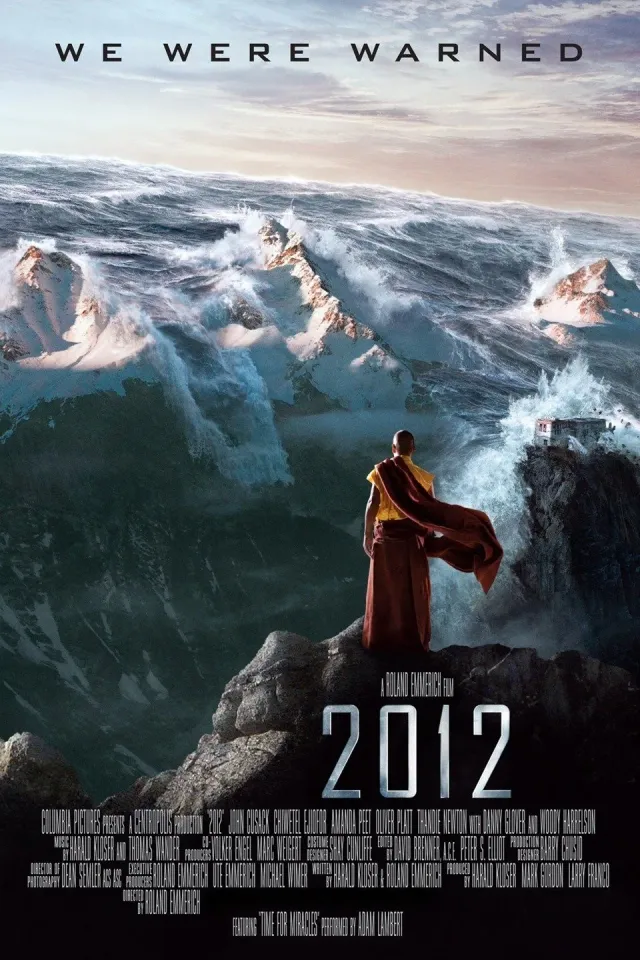
What changes Logan's Run: escape-driven, episodic encounters and adventure escalation. 2012: fast and intense.
A struggling writer encounters signs that governments have concealed an approaching global geological catastrophe. Trying to reunite and protect his divided family draws him towards a hidden evacuation system whose limited places reflect wealth and political access. Personal escape unfolds alongside scientific and administrative decisions about who receives warning, who is left behind and whether survival can preserve any shared responsibility beyond the privileged few.
Based on recorded story, mood and style. Your preferences can change the order.
Survival
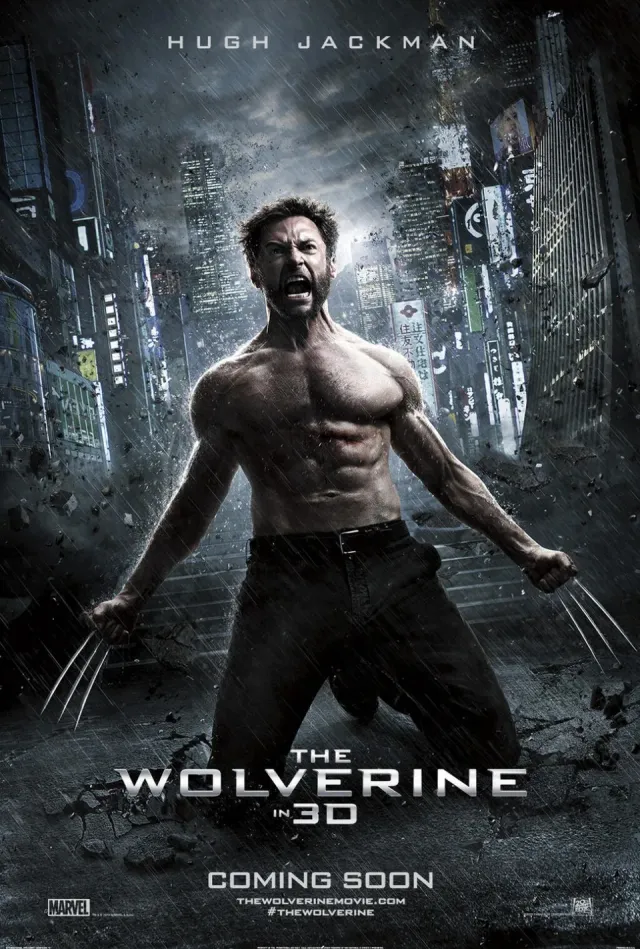
What changes Logan's Run: escape-driven, episodic encounters and adventure escalation. The Wolverine: mission-driven and escalating.
After the events of earlier X-Men stories, Logan is living in isolation when Yukio finds him and takes him to Japan at the request of an old acquaintance, Yashida. The dying industrialist offers Logan a way to shed his healing ability and finally become mortal. Logan refuses, but the offer draws him into a struggle involving Yashida’s granddaughter Mariko, the family’s succession, a covert medical scheme and a group of armed pursuers. As his body becomes vulnerable, Logan has to separate protection from possession and decide what kind of life he is willing to defend. The offer of mortality becomes a temptation to disengage from pain, not merely a new ability upgrade.
Based on recorded story, mood and style. Your preferences can change the order.
Political resistance · Survival
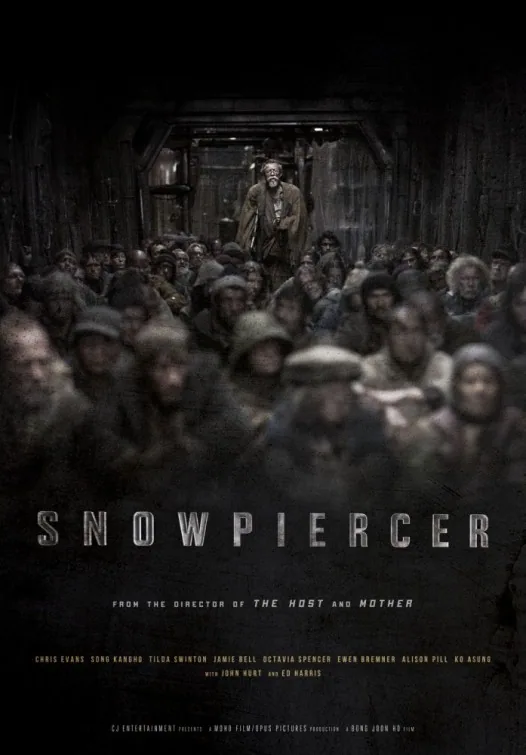
What changes Logan's Run: escape-driven, episodic encounters and adventure escalation. Snowpiercer: forward-driving and compartmentalized.
A failed climate intervention has frozen Earth, leaving the last human survivors aboard a continuously moving train divided by class. Tail-section passenger Curtis leads a revolt toward the engine, pushing through cars whose comfort and privilege increase with each step forward. The group frees security specialist Namgoong and his daughter Yona, whose knowledge of the train and the changing world complicates Curtis’s plan. Reaching the front means confronting both the train’s order and the rebellion’s own history of survival at others’ expense.
Based on recorded story, mood and style. Your preferences can change the order.
Escape and pursuit
What changes Logan's Run: escape-driven, episodic encounters and adventure escalation. Short Circuit 2: fast-moving and episodic.
Number Five, the robot who developed independent thought, travels to New York with his human friend Ben, hoping to help with a new business venture. Their arrival catches the attention of criminals seeking to exploit the robot's abilities, and the pair must navigate a crowded city, protect Ben's work, and keep Number Five's autonomy from becoming another valuable commodity for people who see him as equipment.
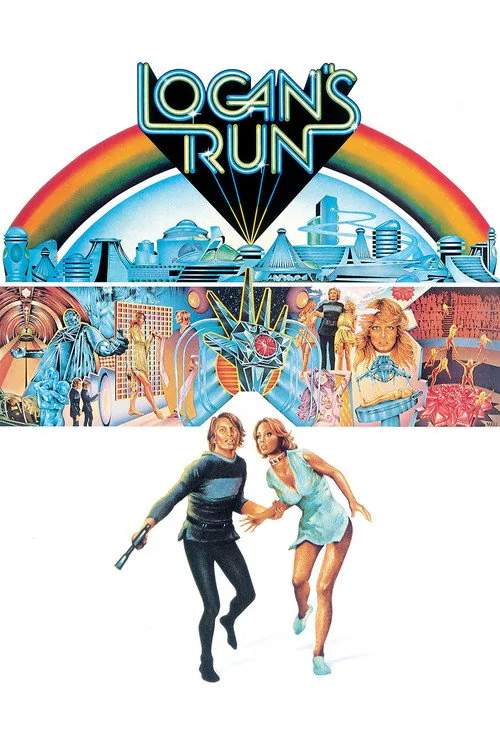
In a sealed city of the twenty-third century, citizens live in comfort under a system that promises renewal but requires everyone to die at thirty. Logan 5 is a Sandman tasked with hunting people who try to escape the ritual; when he is sent undercover to find the rumored Sanctuary, he begins to question the society he serves. He and Jessica 6 flee the city toward the world outside, where their beliefs meet unfamiliar conditions. This classic dystopian adventure combines pursuit with questions about age, control, and freedom.
What drives the story
Logan's search for Sanctuary turns from an undercover assignment into a flight that challenges the city's central promise.
The people at its centre
Jessica's independent purpose and Logan's changing loyalties evolve as they move from enforced comfort into uncertainty.
What it feels like
A visual science-fiction adventure mixes futuristic spectacle with a direct, readable chase through a repressive society.
Worth knowing
Its dystopia centers an age-based social contract and physical escape, rather than a technologically detailed space-exploration mission.
youth and mortalitystate controlfreedom and social conformity