The killings turn an enforcer’s work into a flight with his son, while Michael’s attempt to draw the Outfit into the conflict becomes part of his revenge.
Why this matches +
Selected for the central appeal: Crime dramas about hired killers, family protection and the possibility of breaking a cycle of violence.
Genres: Crime / Drama
Shared film traits
Based on recorded story, mood and style. Your preferences can change the order.
Criminal underworld
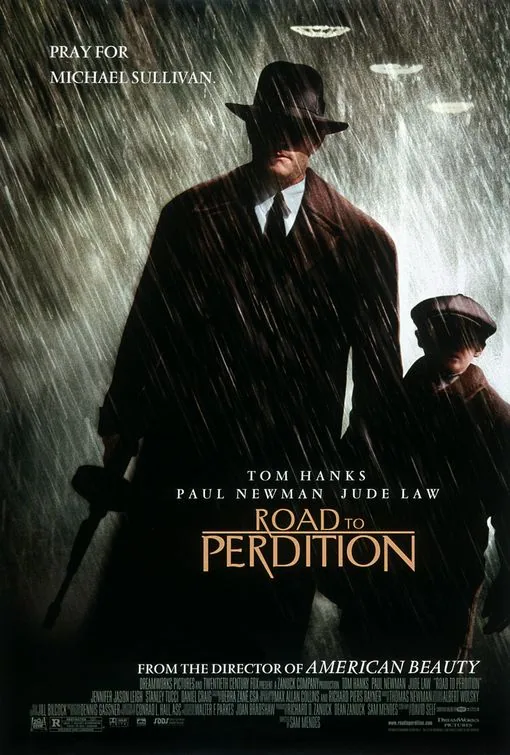
What changes Road to Perdition follows a professional killer whose attempt to protect a child puts him at odds with his criminal employers.
Michael Sullivan’s young son witnesses a mob killing and is sworn to silence by the men involved. When mob boss John Rooney’s volatile son Connor learns Michael may have seen too much, he murders Michael’s wife and younger son. Michael and the surviving boy flee across the Midwest, pursued by a contract killer, while Michael tries to reach a safe place and settle accounts with Connor. Their journey forces father and son to share work and danger, but it also makes the child witness the violence that defines his father’s life. The trip toward Perdition becomes an argument about what can be inherited.
The journey pauses for training, survival and conversation, so each encounter revises the meaning of Beatrix’s destination. The mother-daughter revelation reorients the final act from completing a list of targets toward a possible life after the mission.
Why this matches +
These offer a related experience with a meaningful difference in story, tone, or presentation.
An adjacent discovery: a related idea with a different viewing experience.
Genres: Action / Drama
Shared film traits
Based on recorded story, mood and style. Your preferences can change the order.
Criminal underworld
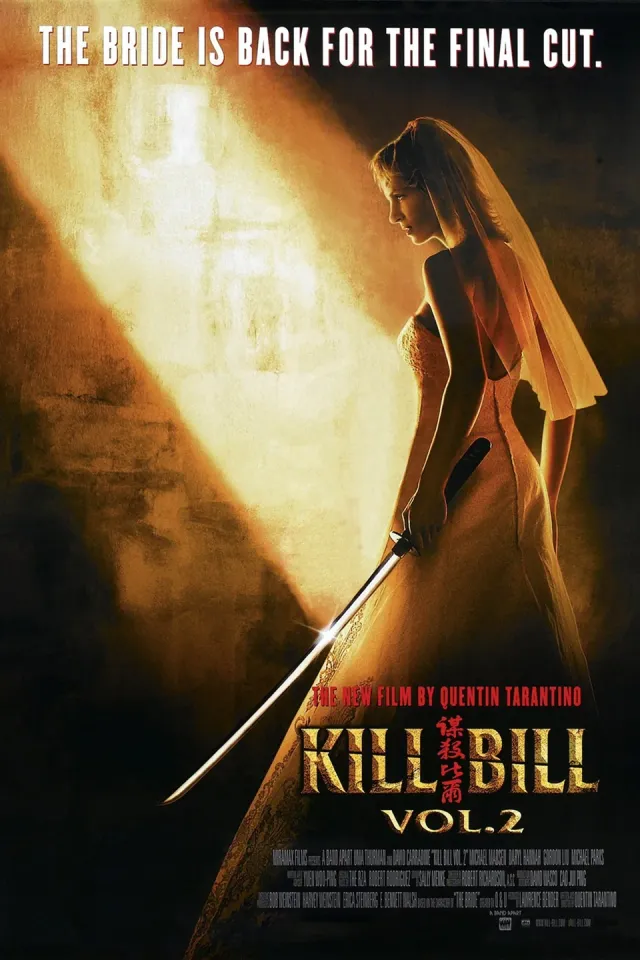
What changes Kill Bill: Volume 2 follows an assassin whose pursuit of revenge is reshaped by her relationship with her child.
Beatrix Kiddo continues her pursuit of the people who attacked her and the man she once loved, but the second volume changes the shape of that revenge. A childhood training chapter, the long crawl from a coffin, a stop in Mexico and Bill’s domestic calm make the path less like a succession of fights and more like an argument about identity. When Beatrix discovers her daughter is alive, the revenge mission acquires a future beyond vengeance. Bill’s claim that the Bride’s assassin identity is her true self competes with the life she chooses as a mother. The film does not simply erase her past; its slower, Western-inflected structure asks whether freedom can include care without making Bill’s possessive account authoritative.
A routine fare becomes a coerced journey through scheduled violence that repeatedly tests the driver's ability to recover agency.
Why this matches +
These offer a related experience with a meaningful difference in story, tone, or presentation.
An adjacent discovery: a related idea with a different viewing experience.
Genres: Crime / Drama
Shared film traits
Based on recorded story, mood and style. Your preferences can change the order.
Criminal underworld
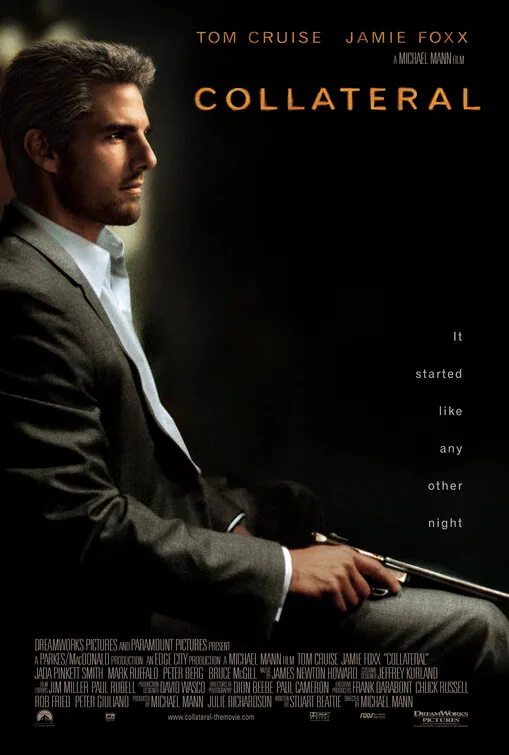
What changes Collateral follows a hired killer and a reluctant accomplice whose choices challenge a professional mission.
A Los Angeles taxi driver hoping eventually to run his own business picks up a passenger whose apparently ordinary evening itinerary conceals a series of killings. Forced to continue driving, he becomes both witness and instrument while trying to preserve a fragile distinction between cooperating and surrendering. Encounters across the city turn an intimate captivity into a confrontation between habitual postponement and an adversary who presents indifference as clear-eyed realism.
Joey’s attempt to recover the gun keeps drawing him into new criminal and personal dangers.
Why this matches +
These offer a related experience with a meaningful difference in story, tone, or presentation.
An adjacent discovery: a related idea with a different viewing experience.
Genres: Action / Crime
Shared film traits
Based on recorded story, mood and style. Your preferences can change the order.
Criminal underworld
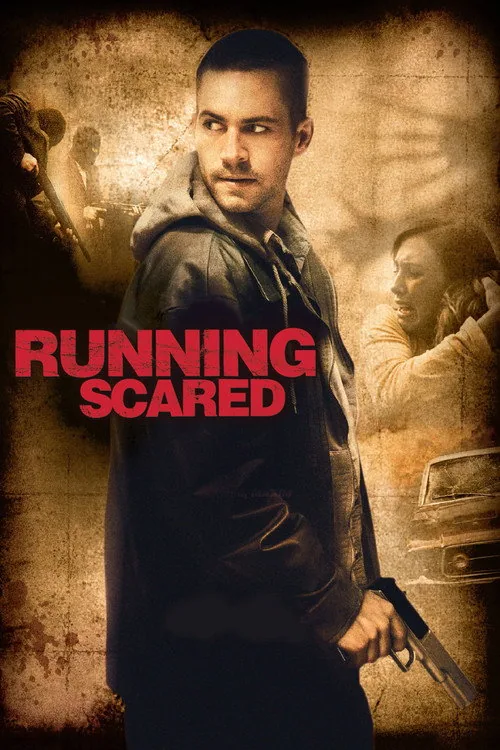
What changes Running Scared follows a criminal errand that becomes a desperate effort to protect a child.
Mob-connected gunman Joey Gazelle is ordered to dispose of the weapon used in a shootout that killed a corrupt police officer. He hides it in his basement, but his young neighbor Oleg steals it and uses it against his abusive stepfather before disappearing into the city. Joey spends one night trying to locate both the boy and the gun before mobsters discover what happened. Wayne Kramer’s crime thriller follows the chase through a stylized, nightmarish urban landscape that repeatedly filters street danger through fairy-tale imagery.
A succession crisis turns a reluctant son into a strategic participant whose defence of family becomes consolidation of criminal authority.
Why this matches +
These offer a related experience with a meaningful difference in story, tone, or presentation.
An adjacent discovery: a related idea with a different viewing experience.
Genres: Crime / Drama
Shared film traits
Based on recorded story, mood and style. Your preferences can change the order.
Criminal underworld
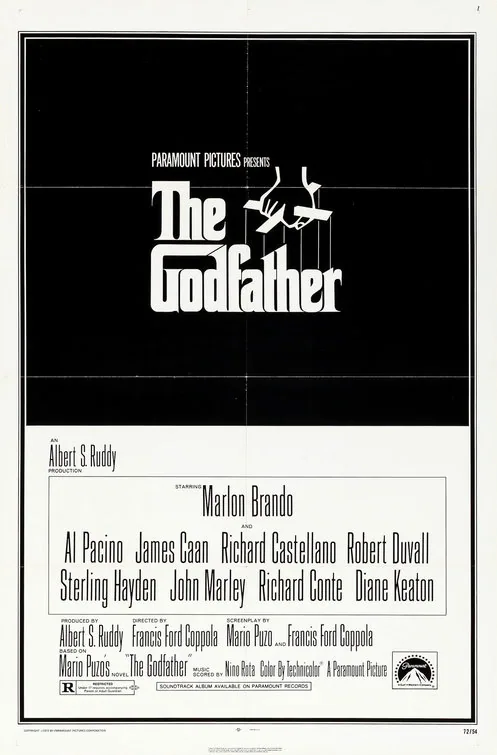
What changes The Godfather examines how criminal obligations and protective family choices perpetuate violence across generations.
An organised-crime patriarch balances family celebration with requests for favours, presenting private authority as both protection and obligation. After an attack destabilises his position, the son who had planned a separate life becomes increasingly involved in defending the household. Each apparently necessary act draws that outsider further into a system where loyalty and power can make violence seem like care, while making genuine intimacy progressively harder to sustain.
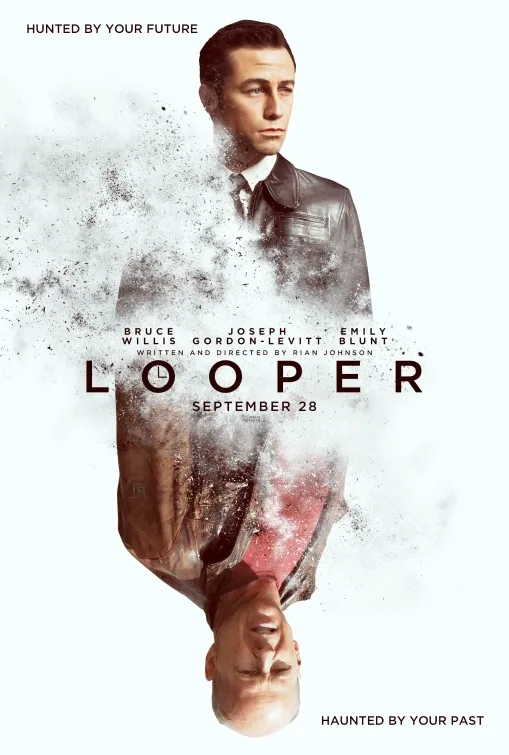
In a future where time travel is illegal, organized crime sends victims back to the past to be killed by loopers before their bodies can be identified. Joe’s job breaks open when his older self escapes, and the two men’s competing memories turn a clean assassination into a conflict over which future should survive. Their pursuit leads them to Sara and her young son Cid, whose possible path toward violence becomes a test of whether one person can change the timeline by refusing to kill. The film uses bodily scars and shifting events to make time travel emotionally legible, not perfectly rule-governed. Its ending turns on protective violence and a costly choice, while leaving the mechanics flexible enough that a single consistent model should not be imposed on every scene.
What drives the story
The loopers’ routine depends on killing their future selves on schedule; Joe’s refusal converts that system into a race between two versions of one man and competing outcomes for Cid.
The people at its centre
Young Joe and Old Joe share history but not priorities: the older man seeks revenge for his wife, while the younger one begins to recognize the child as more than an obstacle to his future.
What it feels like
Neon noir, rural Kansas landscapes and visible changes to bodies connect a speculative mechanism to intimate consequence. The film alternates pursuit thriller with quieter scenes that make Sara’s care central to the time-travel dilemma.
Worth knowing
Time travel rules are deliberately simplified and occasionally unstable. Focus comparisons on moral choice, inherited violence and attempts to interrupt a future, rather than claiming the film supplies a rigorous physics model.