A patterned murder investigation develops into a contest over whether the detectives can refuse the emotional roles their opponent is preparing for them.
Why this matches +
Selected for the central appeal: Crime dramas about a citywide hunt for a killer and the tensions between justice and vengeance.
Genres: Thriller / Mystery
Shared film traits
Based on recorded story, mood and style. Your preferences can change the order.
Investigation
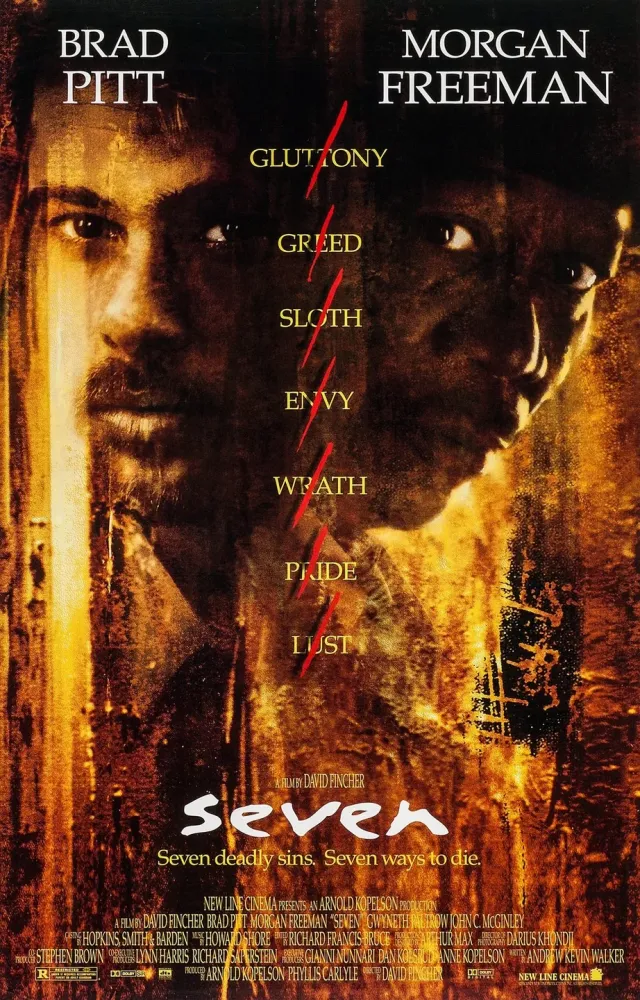
What changes Se7en follows detectives pursuing a serial murderer whose crimes generate mounting public fear.
A weary detective approaching retirement and an impatient younger partner investigate killings arranged around a moralising pattern. Each crime scene expands the sense that their unseen opponent is treating the city as both evidence and audience for a private doctrine. Their work exposes different responses to pervasive cruelty, while the intrusion of the case into ordinary hopes for a home makes professional distance increasingly difficult to maintain.
An elusive criminal's intermittent evidence creates a prolonged investigation whose uncertainty becomes a sustaining obsession of its own.
Why this matches +
Selected for the central appeal: Crime dramas about a citywide hunt for a killer and the tensions between justice and vengeance.
Genres: Thriller / Mystery
Shared film traits
Based on recorded story, mood and style. Your preferences can change the order.
Investigation
What changes Zodiac follows an extended hunt for a serial killer that consumes investigators and unsettles a community.
A series of killings and public messages draws police officers and newspaper staff into a search for an offender who controls attention through selective disclosure. Years of interviews, uncertain identifications and jurisdictional boundaries make progress difficult to distinguish from renewed speculation. A cartoonist's growing private commitment to the case exposes the personal cost of treating an unresolved account as a problem that more persistence must eventually close.
A child's disappearance leads investigators from factual uncertainty towards an ethical conflict about protection and lawful action.
Why this matches +
These offer a related experience with a meaningful difference in story, tone, or presentation.
An adjacent discovery: a related idea with a different viewing experience.
Genres: Crime / Mystery
Shared film traits
Based on recorded story, mood and style. Your preferences can change the order.
Investigation
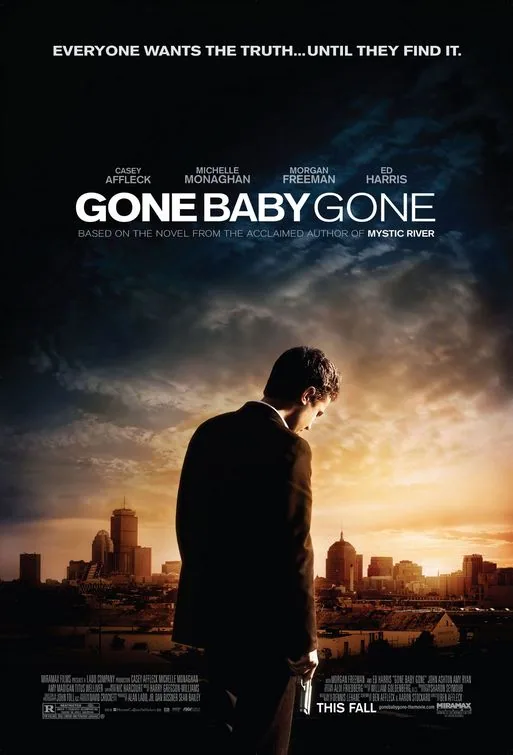
What changes Gone Baby Gone follows a search for a missing child that complicates conventional ideas of justice.
Two private investigators familiar with a working-class Boston neighbourhood help search for a missing child. Access to people who distrust police gives them useful leads, but conflicting stories complicate the difference between criminal danger and inadequate care. As the investigation crosses loyalties within the community and the police, recovering the truth creates choices that evidence alone cannot settle.
A serial extortion threat pushes Callahan toward coercive methods; their legal consequences undermine the case and become part of the film's political argument. The offender's manipulation and the detective's illegality are both causal, even as the thriller strongly aligns viewers with the investigator.
Why this matches +
These offer a related experience with a meaningful difference in story, tone, or presentation.
An adjacent discovery: a related idea with a different viewing experience.
Genres: Crime / Thriller
Shared film traits
Based on recorded story, mood and style. Your preferences can change the order.
Investigation
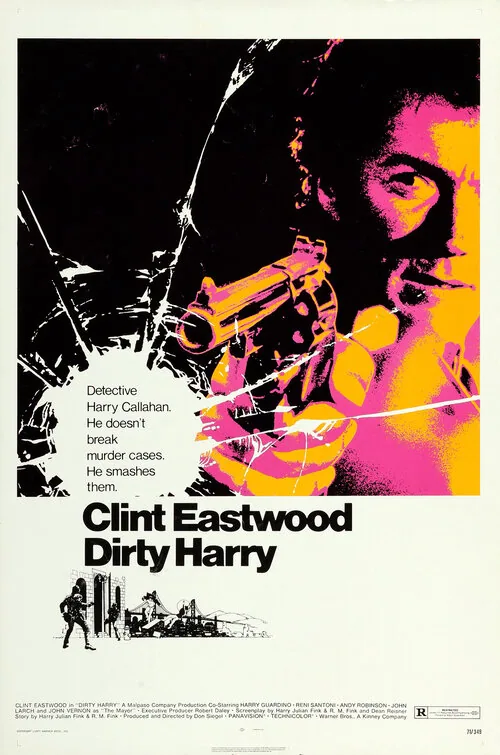
What changes Dirty Harry follows police pursuit of a child killer while raising questions about legal limits and punishment.
A San Francisco detective pursues a sniper who uses threats and public fear to force the city into a sequence of demands. The officer's impatience with negotiation and legal restraint becomes central when his methods undermine the usable case against the suspect. Renewed danger makes the conflict more than a question of catching the right man: the film invites, and requires scrutiny of, a fantasy in which certainty of guilt appears to authorize power beyond ordinary accountability. The film’s thriller momentum depends on keeping viewers close to a detective whose certainty exceeds his legal authority.
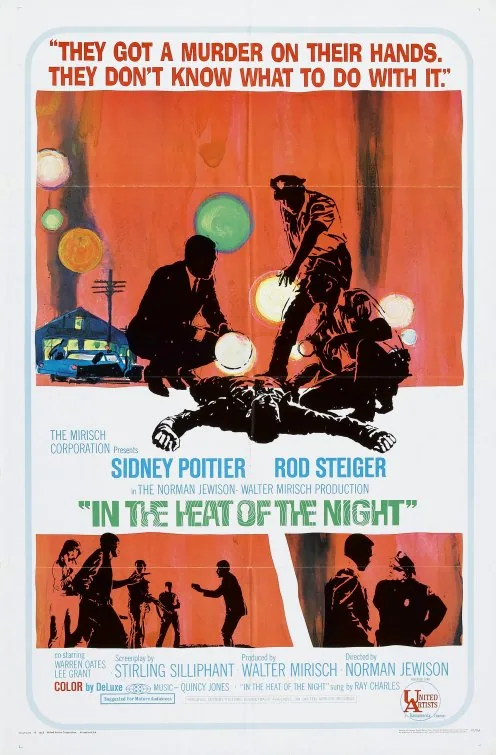
A murder investigation repeatedly stalls because local power and racist assumptions determine whom the authorities are prepared to suspect.
Why this matches +
These offer a related experience with a meaningful difference in story, tone, or presentation.
An adjacent discovery: a related idea with a different viewing experience.
Genres: Crime / Drama
Shared film traits
Based on recorded story, mood and style. Your preferences can change the order.
Investigation
What changes In the Heat of the Night examines a murder investigation in a community shaped by suspicion and prejudice.
A Black homicide detective passing through a Mississippi town is arrested after a wealthy visitor is found dead. Once his profession is established, local authorities reluctantly accept his help, but his expertise does not protect him from racist hostility. The investigation requires an uneasy partnership with the white police chief, forcing both men to confront how pride, prejudice and local influence distort the search for evidence.
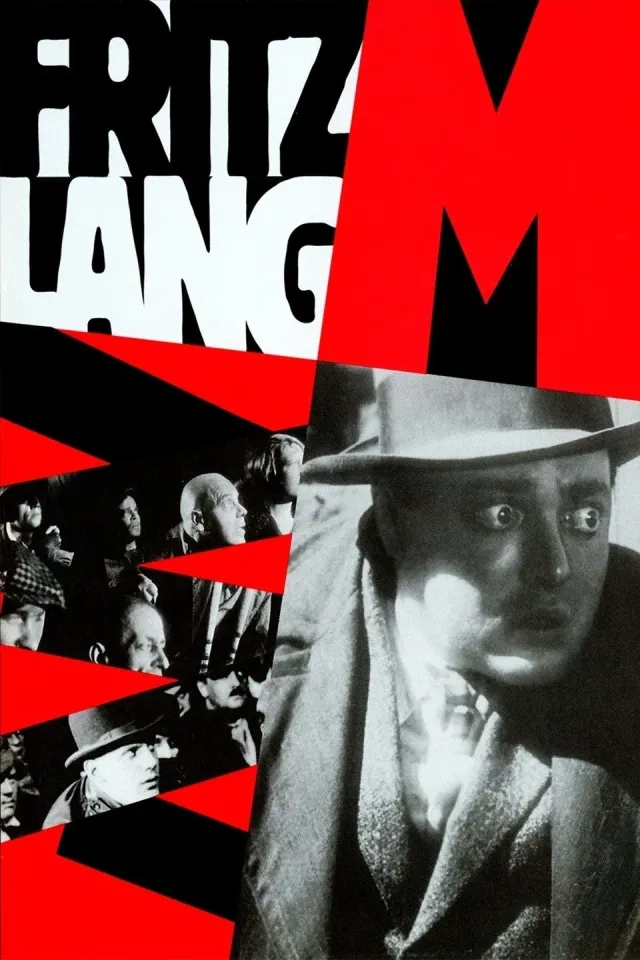
A city gripped by the murder of children turns increasingly suspicious as police apply pressure across its criminal underworld. Professional criminals organise their own search to remove the disruption caused by raids, creating parallel systems of pursuit. The hunt's convergence raises questions about public fear, punishment and whether a crowd claiming to deliver justice can recognise the limits of its authority.
What drives the story
A pursuit is conducted simultaneously by police and criminals whose reasons for stopping a killer are sharply different.
The people at its centre
A vulnerable offender becomes the target of institutions and crowds each claiming the right to judge.
What it feels like
Sound, offscreen threat and collective anxiety create a disturbing procedural with a moral confrontation at its centre.
Worth knowing
It examines punishment and social panic rather than treating capture alone as a satisfying resolution.